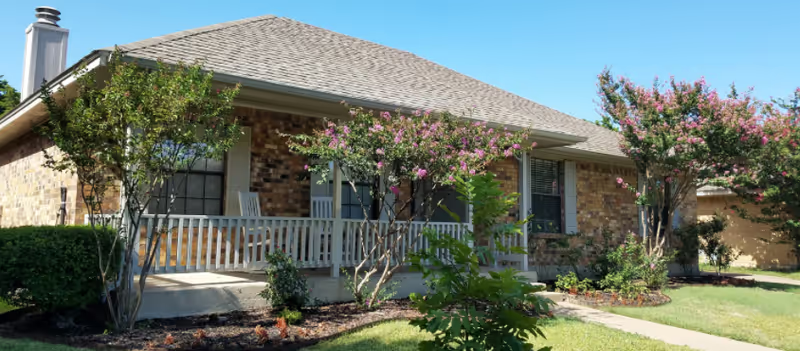
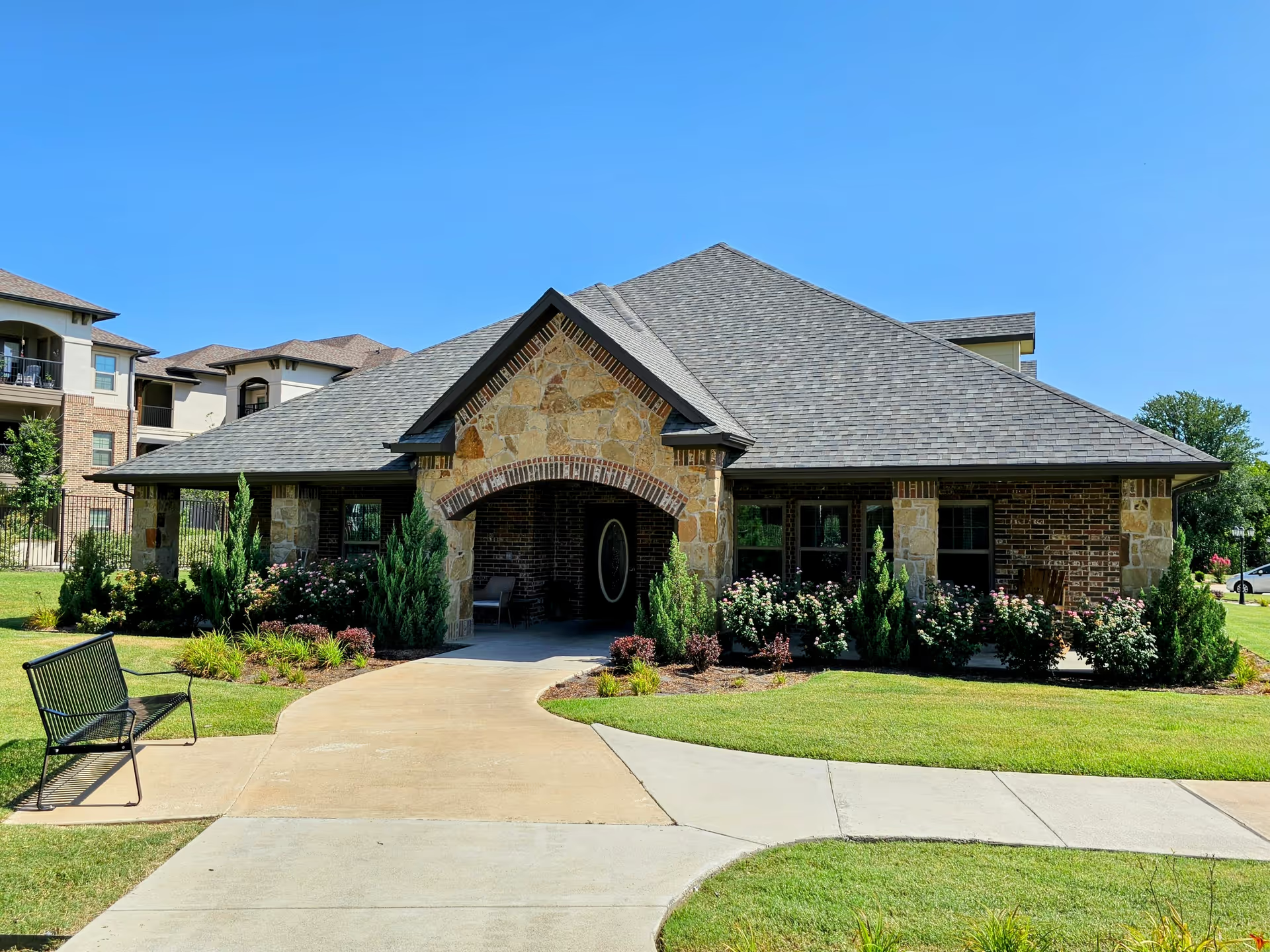
Reviews of Cedar Hill Senior Living reflect a mixture of clear strengths and recurring operational concerns. Strengths most frequently cited include a small, home-like atmosphere, compassionate and attentive caregiving staff, accessible unit layouts (including two-room apartments), and attractive outdoor spaces such as a courtyard and gardens. The community offers a range of social and spiritual activities, on-site amenities (library, salon, snack bar, common areas), and has demonstrated successful short-term rehab outcomes for some residents. Several families commented positively on management and nursing leadership during periods of stable leadership.
Care quality and staff: Many families praise individual caregivers for warmth, compassion and hands-on attention. At the same time, a consistent theme is staffing instability—high turnover among aides, nursing, and activity staff—which reviewers associate with delays in routine care, missed checks after incidents, and inconsistent adherence to personal-care schedules. There are specific concerns about clinical monitoring and incident response practices; multiple accounts describe delayed follow-up after falls and delays in attending to resident calls. Medication-administration processes have been questioned by some families, indicating a need for stronger medication controls and documentation protocols.
Dining: Dining experiences are described as inconsistent. Some reviewers praised well-prepared, pleasantly aromatic meals, while others described limited or low-appeal options (for example, packaged sandwiches and convenience-style entrees) and occasional shortages of expected items. These variances appear to affect perceived value of the community for some families. Reviewers also noted that some meals may not be prepared on-site and that portioning and nutritional content can feel minimal at times.
Activities and accessibility: The community maintains an activity calendar with exercise, Bingo, entertainment and weekly religious services, and families report a home-like social environment with staff-led engagement. However, execution is inconsistent: activity staffing turnover and mobility requirements limit participation for less-mobile residents, transportation and outing frequency have been questioned, and schedule adherence can be unreliable. Prospective residents who use wheelchairs should confirm the level of assisted participation available for outings and events.
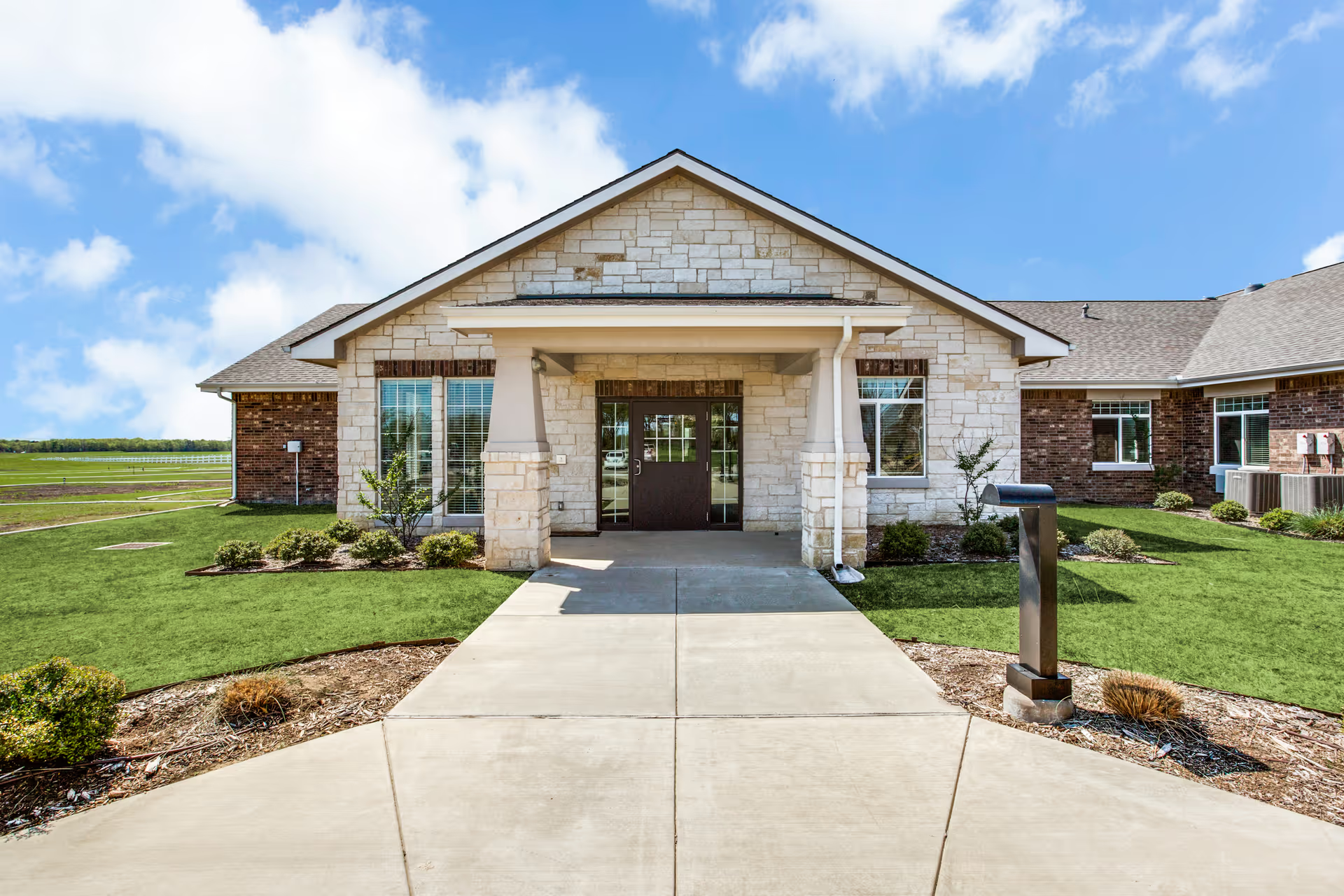
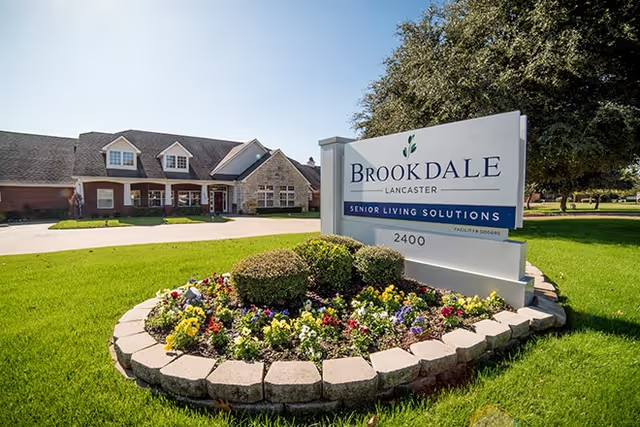
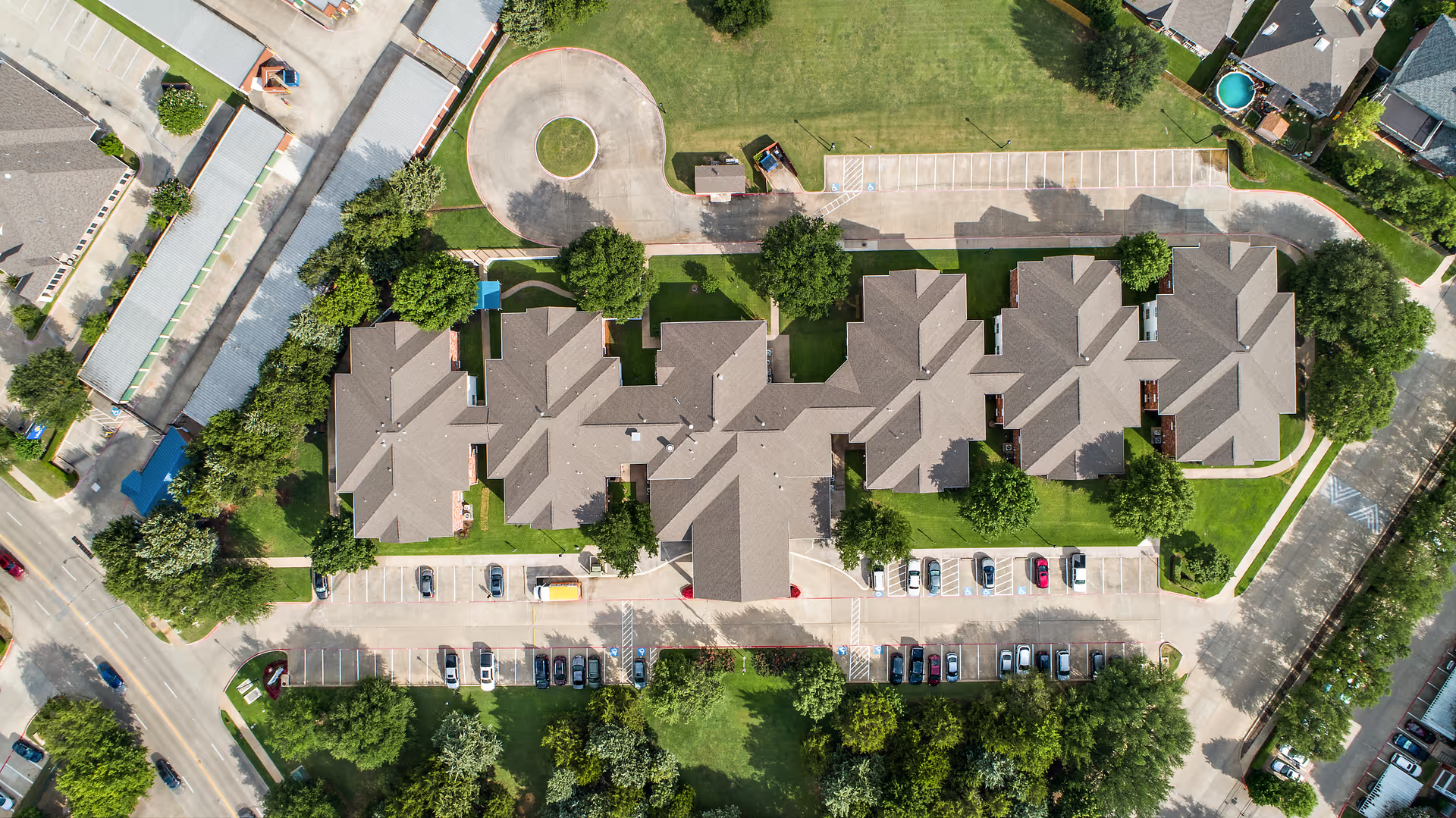
Facilities and housekeeping: Physically, the facility is described as clean and comfortable in common areas, with a pleasant courtyard and adequate parking and lighting. At the same time, there are recurrent housekeeping and sanitation concerns such as inconsistent linen changes, extended intervals between showers for some residents, and occasional lapses in room upkeep. Maintenance and operational issues—examples include a nonfunctional call system, entrance access delays, and uneven housekeeping routines—have raised safety and access questions for some families.
Management and notable patterns: A clear pattern in the reviews is the tension between strong individual staff relationships and systemic operational weaknesses. Leadership turnover has been noted as a contributor to inconsistent performance, though several families highlighted recent managerial improvements and named administrators who have addressed issues effectively. Communication challenges—schedule changes, lack of activity information, and inconsistent responses to family concerns—are commonly cited. Value assessments vary: some families consider Cedar Hill a good value given price and community size, while others feel the service package does not match expectations when staffing and dining quality are inconsistent.
Bottom line: Cedar Hill may be a good fit for families seeking a small, community-oriented assisted living environment with accessible units and active programming, particularly when direct caregiving relationships and short-term rehab services are priorities. However, prospective residents and families should proactively evaluate current staffing levels, emergency-response procedures, medication safeguards, housekeeping schedules, and dining menus during a tour. Request up-to-date staffing rosters, recent incident-response protocols, and examples of current activity schedules to assess whether operational consistency meets the resident’s care needs.