Overall impression: Reviews for this assisted-living community are highly polarized. Several accounts describe strong, supportive employees, effective medication processes, and clean, pleasant common areas; others raise serious concerns about staff conduct, sanitation consistency, and the facility’s responsiveness to family concerns. This mix suggests variability in experience that prospective families should investigate during a visit.
Care quality: Feedback ranges from reports of attentive clinical support and reliable medication management to descriptions indicating lapses in clinical oversight for higher-acuity residents. There are specific concerns about delays in attending to residents and about communication tone during care interactions. These comments point to inconsistent execution of care protocols rather than a uniform standard of practice across the facility.
Staff: Staff performance is described as uneven. Positive comments highlight helpful, caring employees and a few individuals recognized for exceptional support. On the other hand, reviews note variability in professionalism and interpersonal tone, including instances of raised voices and difficult interactions. This pattern is consistent with uneven staff training, supervision, or staffing stability.
Dining and activities: There is limited, mixed information about dining. No consistent pattern of food quality or meal service emerges from the comments provided. Activities and engagement were specifically identified as an area of concern in several comments; residents were described as not consistently engaged, which suggests opportunities to strengthen programming and individualized engagement plans.
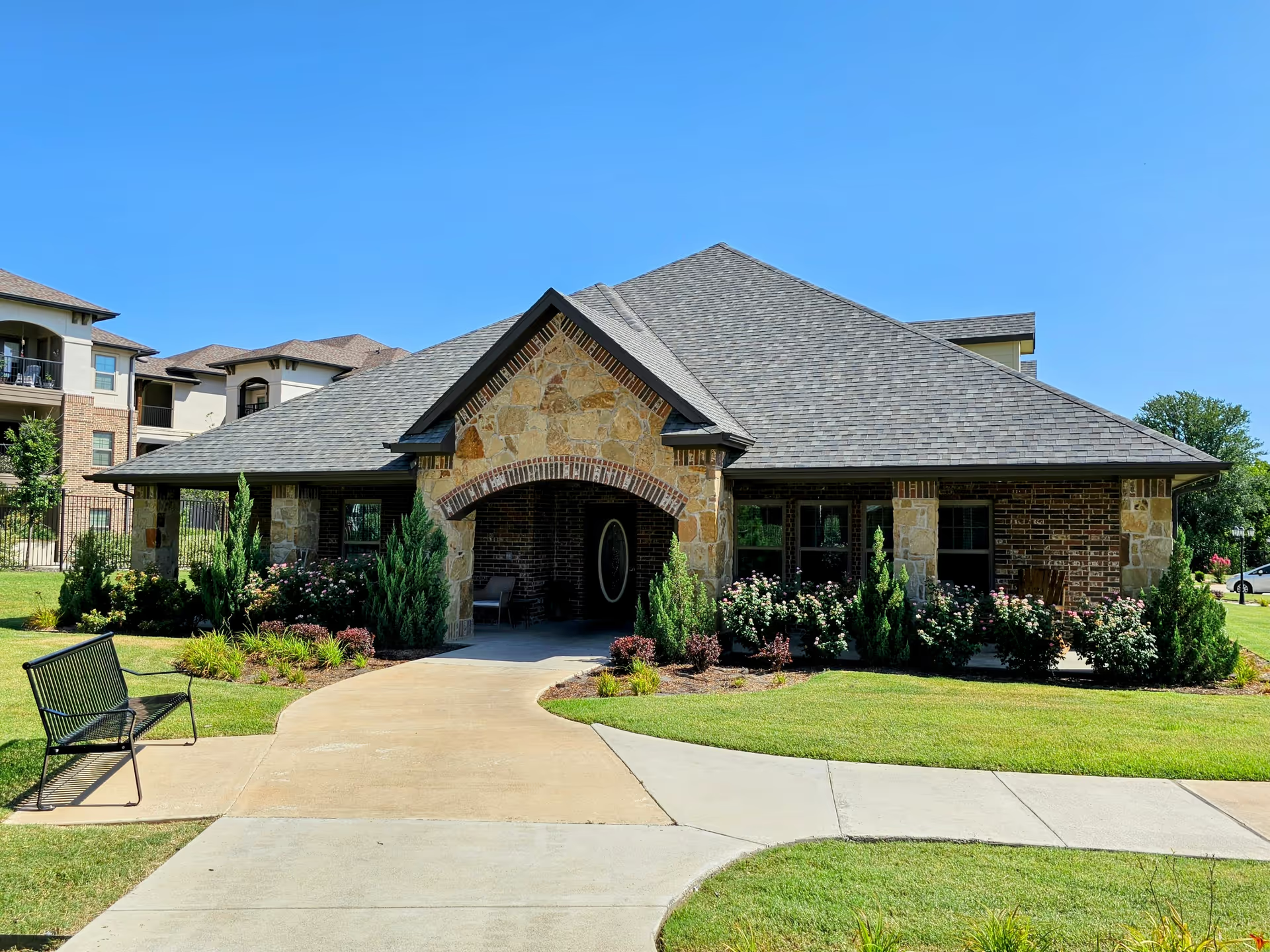
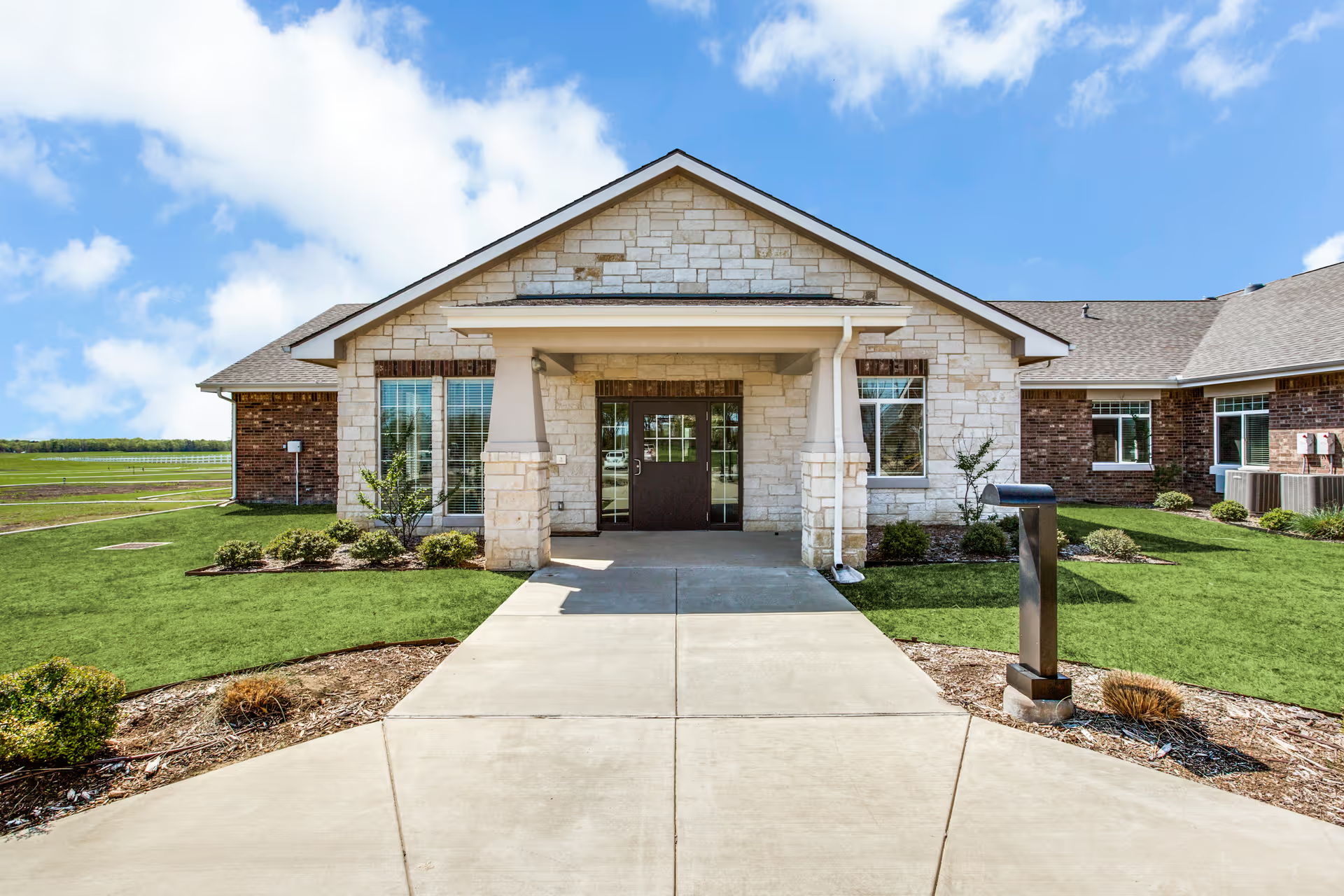
Facilities and cleanliness: Many reviewers praised clean, well-maintained common areas and a pleasant scent in communal spaces. Contrasting comments describe sanitation concerns in other areas of the facility, indicating inconsistent housekeeping standards or variable practices across shifts or units. Prospective visitors should observe multiple areas and times of day to assess consistency.
Management and responsiveness: Management responsiveness is a recurrent theme. Positive examples include staff who provide excellent service and individual staff members singled out for support. Conversely, reviewers also reported poor follow-up and a lack of callbacks, and there is at least one mention of a regulatory complaint tied to serious allegations. These items raise questions about incident reporting, family communication pathways, and how the provider escalates and resolves concerns.
Notable patterns and guidance: The dominant pattern is inconsistency—some reviewers report high-quality care and a pleasant environment, while others report significant operational gaps. Key areas to evaluate in person are staffing levels and turnover, staff training on communication and de-escalation, cleanliness practices across shifts, activity offerings and participation, and the facility’s process for addressing family complaints and clinical incidents. Ask for documentation of regulatory history, staffing ratios, staff training programs, medication-administration protocols, and recent survey or inspection findings to get a fuller picture before deciding.