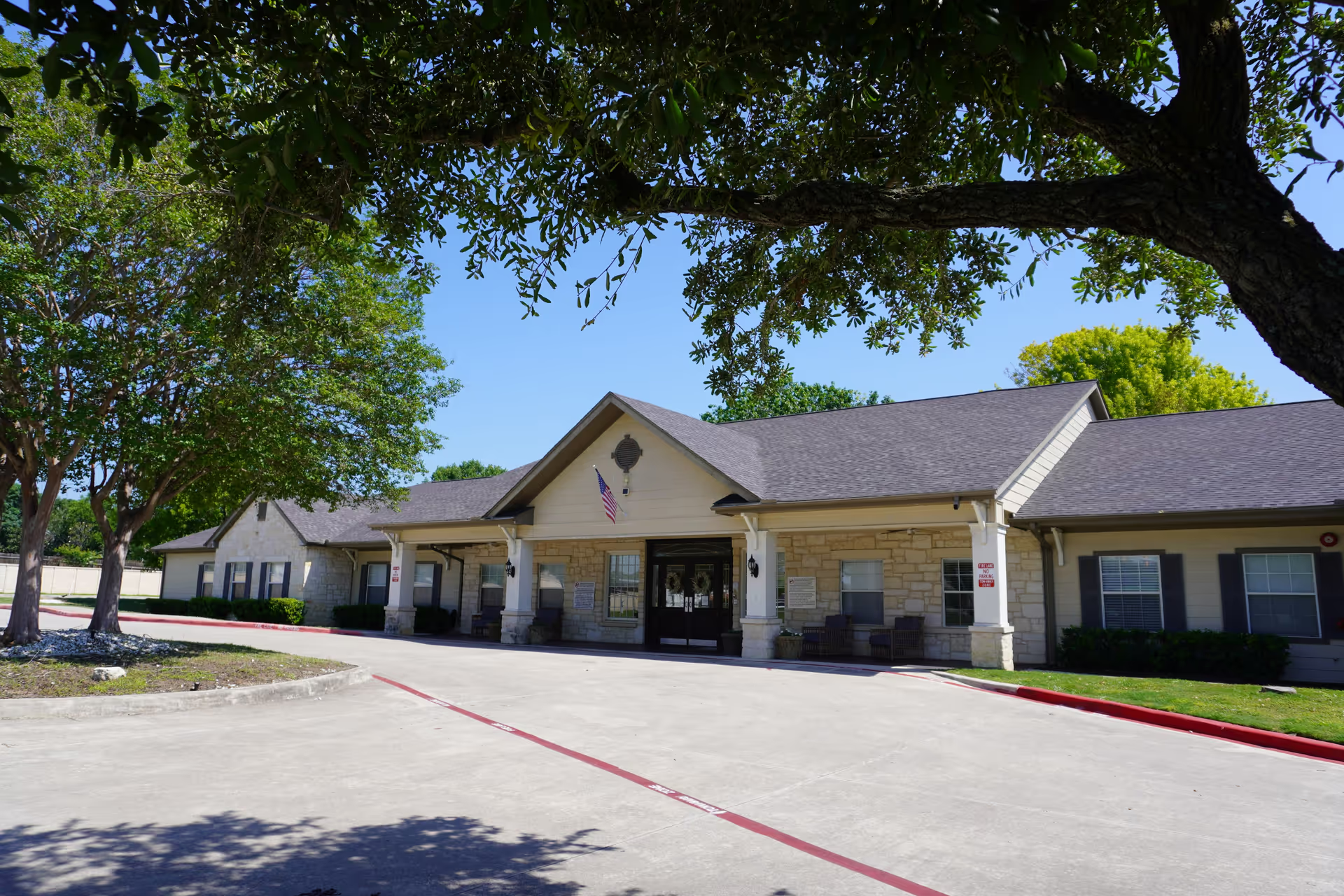
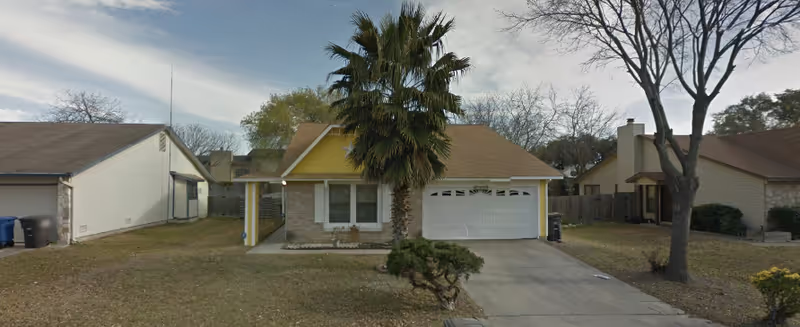
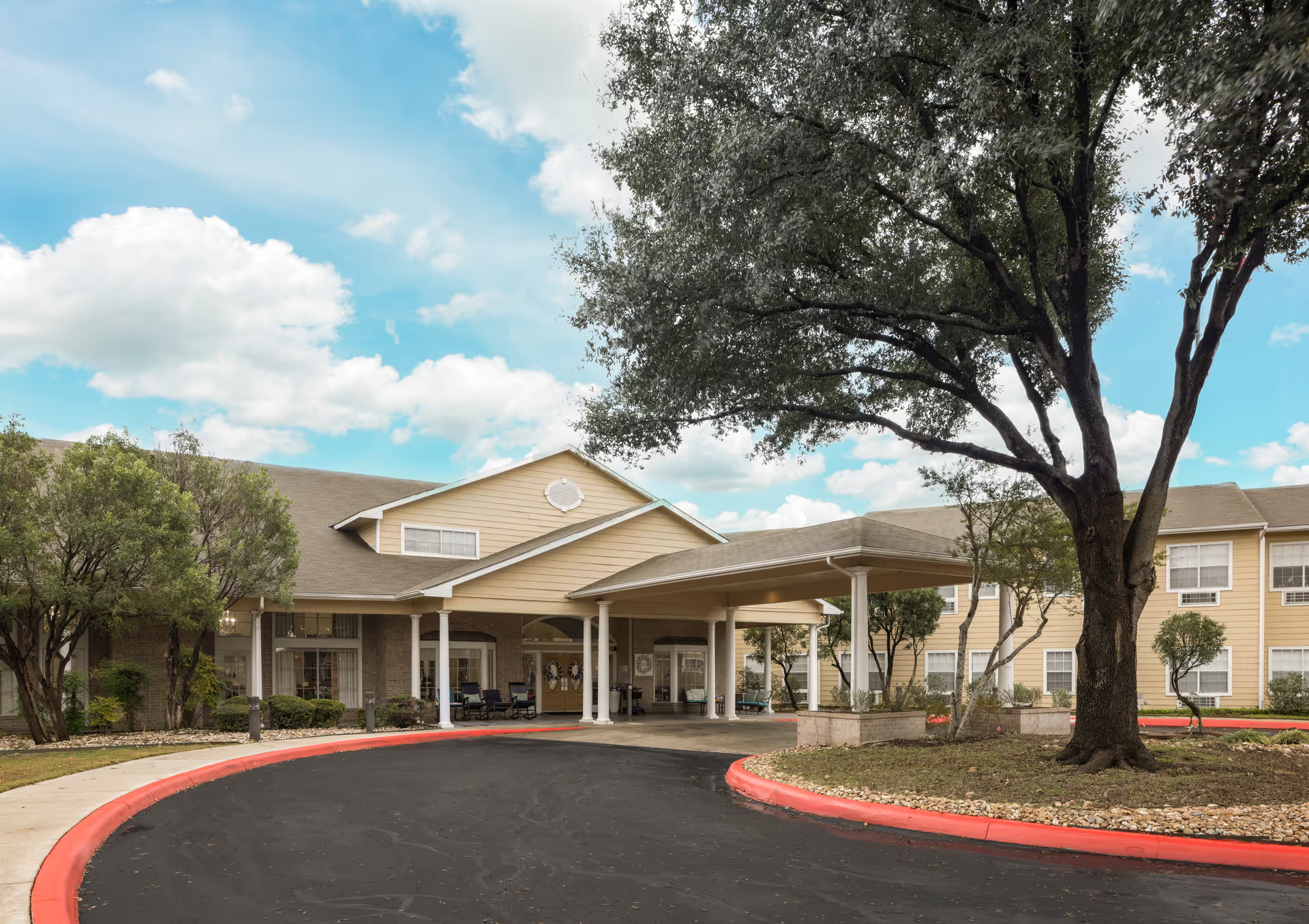
New Haven Assisted Living and Memory Care of Schertz is frequently described as a small, home-like facility with many features families value: private rooms, an open dining area with a central kitchen, an on-site salon, accessible layouts for mobility devices, and a low overall resident census that can support more individualized attention. Multiple accounts praise the caregiving staff, activities director, and chef-prepared meals; memory-care staff are often called out for being supportive and attentive to residents with dementia. The facility’s clean, bright common spaces and convenient location are also consistent strengths in the reviews.
Care and staffing present a mixed picture. While many families describe compassionate, attentive caregivers and 24-hour staffing, others cite frequent turnover and periods of understaffing. Related operational concerns include inconsistent training of newer staff and variation in how well clinical tasks are executed. Several reviews describe problems with medication administration and monitoring, and there are clear patterns pointing to gaps in fall-prevention practices and in timely clinical escalation and family notification following incidents. These are operational patterns to verify during a tour and pre-admission discussion.
Dining and activities are generally highlighted as positives: residents and families mention fresh meals, alternative entrees for dietary needs, regular social programming, exercise classes, family nights, and an active activities director. That said, some families experienced failures in special-diet or allergy accommodations and uneven energy in the activity schedule. Prospective residents with strict dietary restrictions should confirm allergy-handling procedures and menu accommodations.
Facilities and daily operations show strengths and weaknesses. The building and rooms are frequently described as clean and well-maintained, with accessible bathrooms and outdoor patios. At the same time, some reviewers raised sanitation concerns in certain personal-care areas and noted problems with loss or mismanagement of personal belongings and laundry. There are also reports describing security and exit-control vulnerabilities for residents at risk of wandering; these are important to review for anyone considering memory-care placement.
Management, communication, and financial transparency are another area of divergence. Several families praise specific administrators and good communication from nursing staff, while others describe inconsistent administrative leadership, confusion over charges, deposit and refund practices, and billing disputes. A number of reviews express the perception that fees are high relative to value. Finally, some reviewers raised serious allegations about staff conduct; these are isolated but serious enough that prospective families should ask about staff training, incident reporting, regulatory history, and mechanisms for family notification and grievance resolution.
Overall, New Haven offers many attributes families seek in a smaller assisted-living community—personalized attention, robust activities, appealing dining, and an intimate environment. However, recurring operational themes in the reviews — staffing stability and training, medication and clinical-monitoring consistency, fall prevention, sanitation in personal-care areas, and billing transparency — warrant careful inquiry before placement. Recommended next steps for prospective families: tour the memory and assisted-living units during a staffed shift change, ask for current staffing ratios and turnover statistics, review medication-management and incident-notification policies, request written billing/refund policies, and observe dining and activity periods in person.