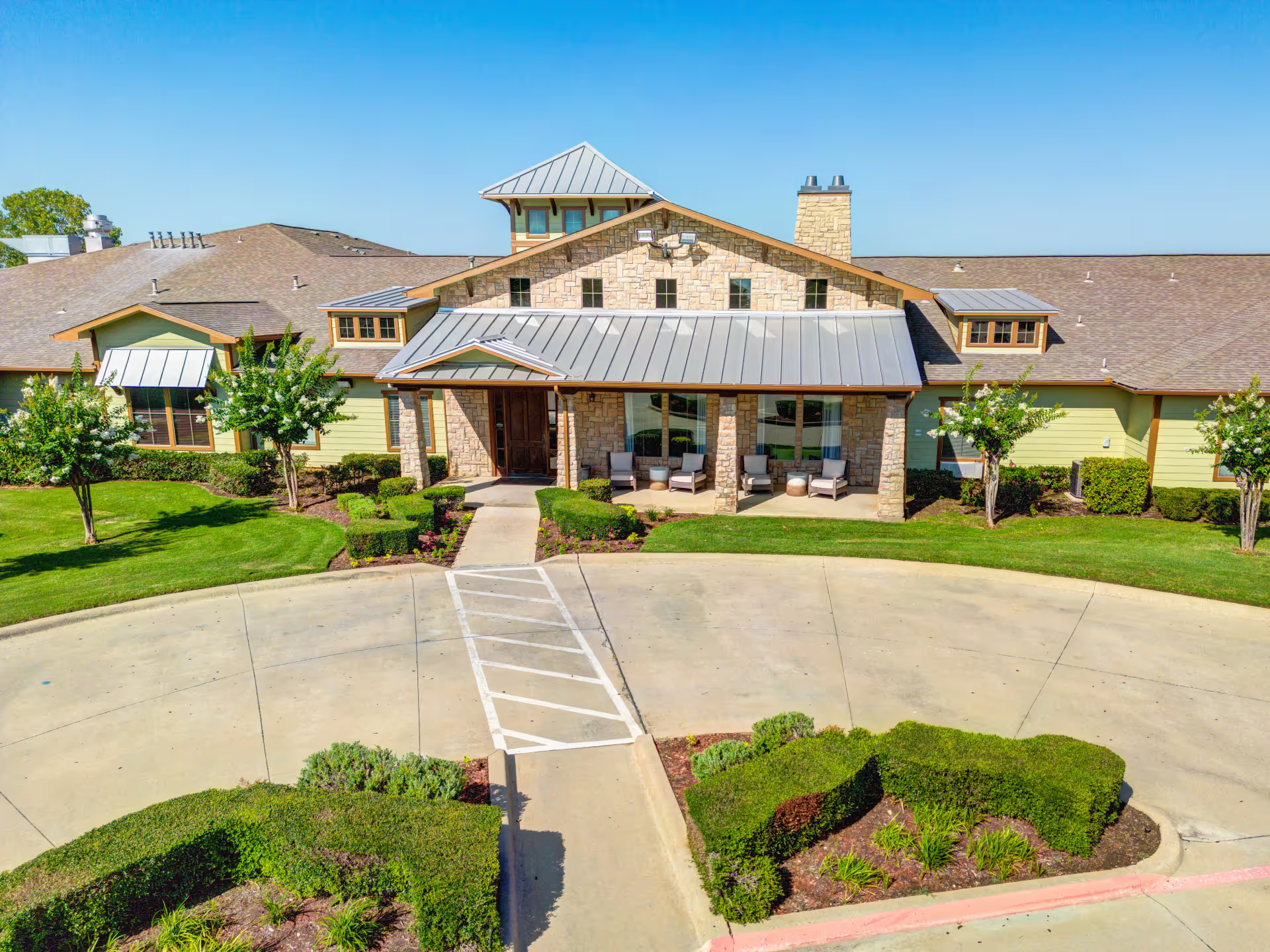
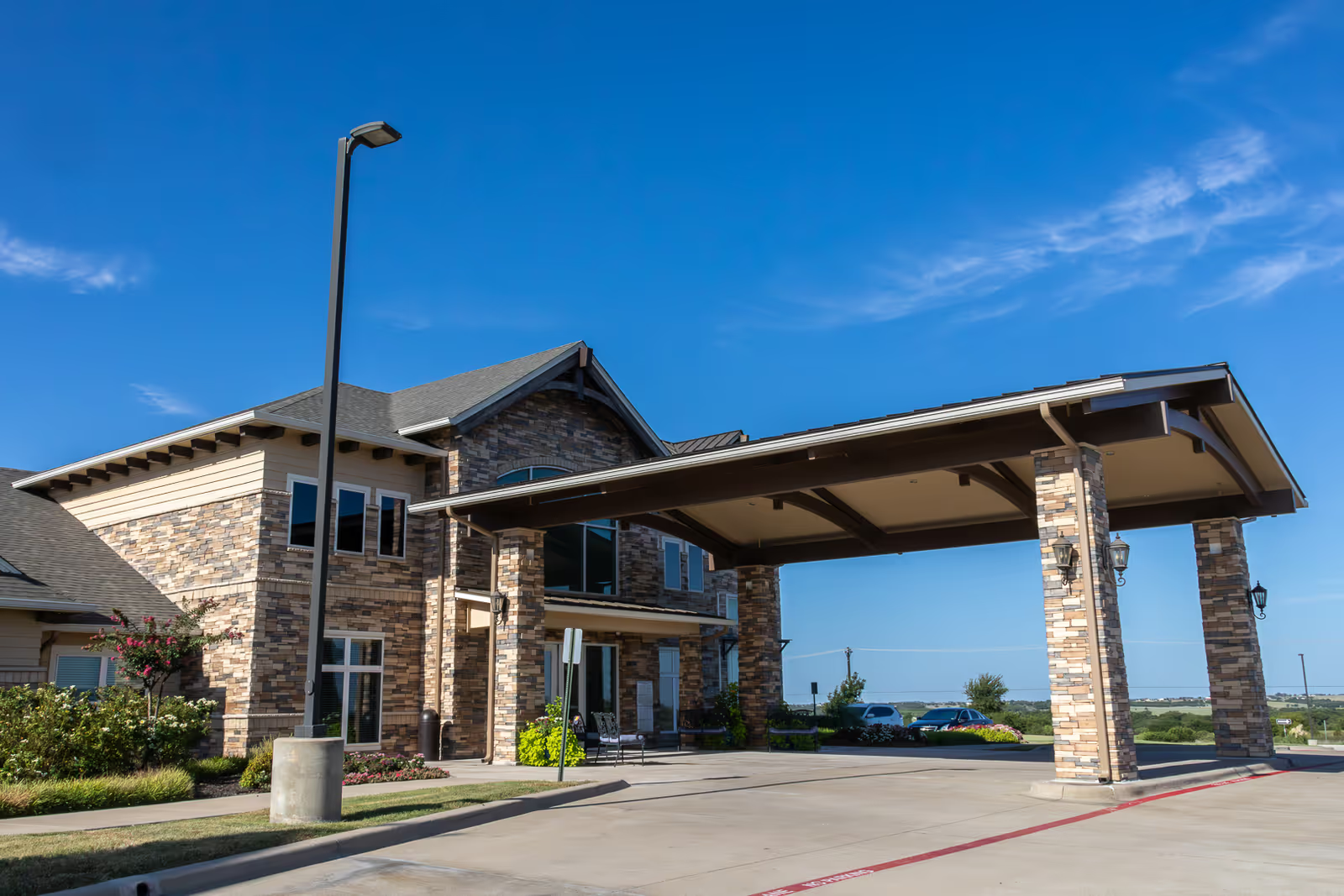
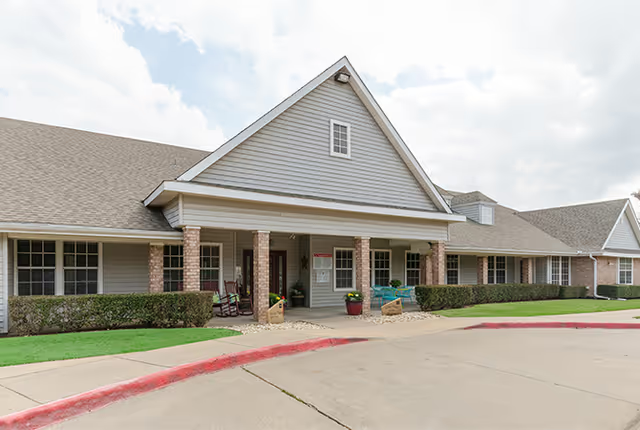
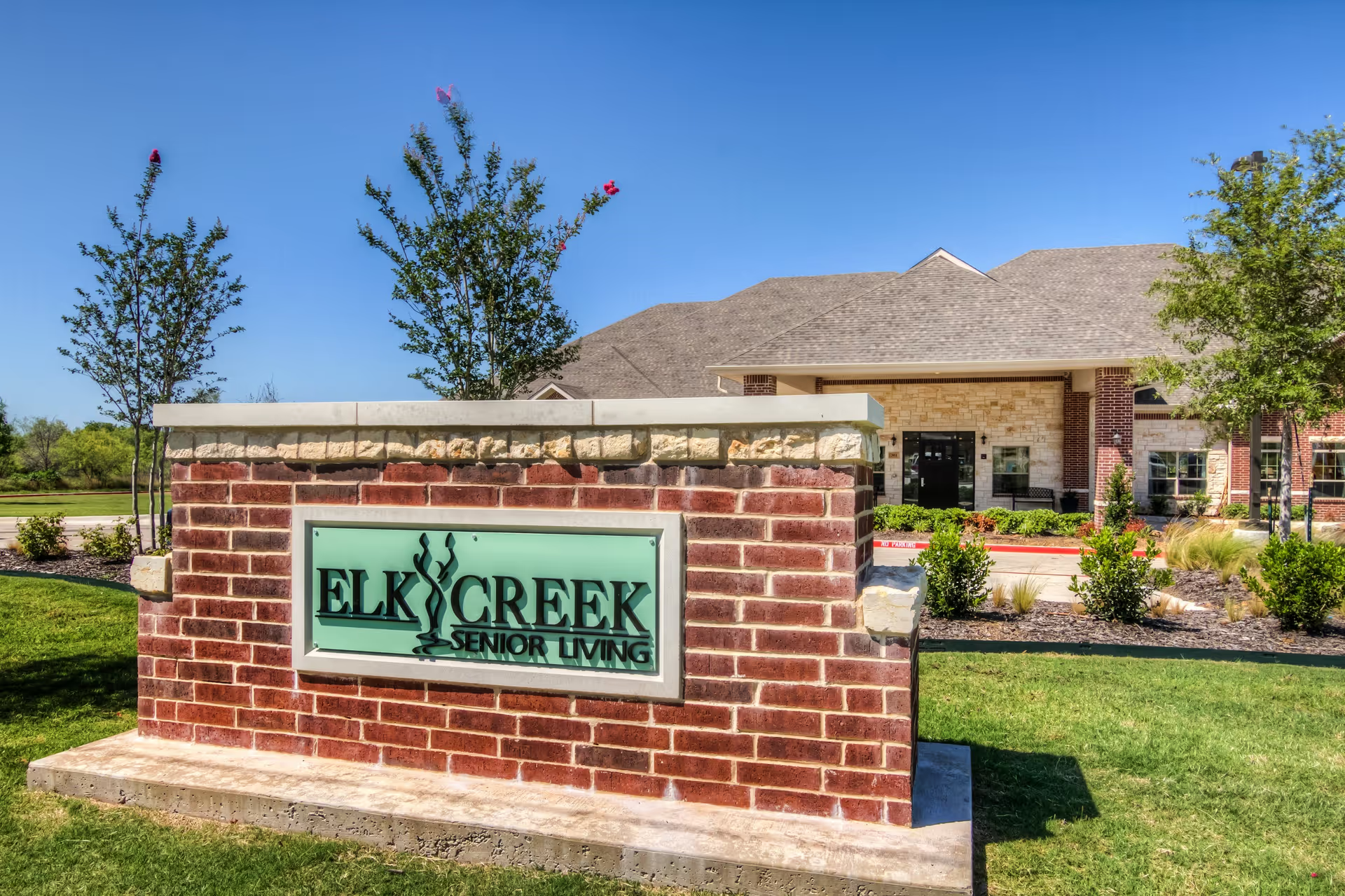
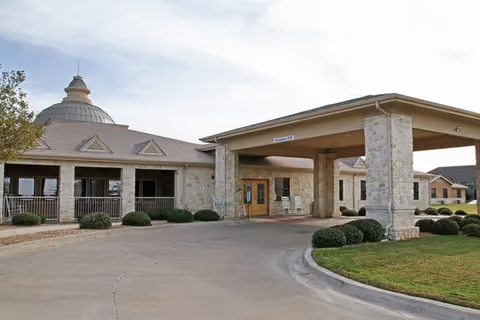
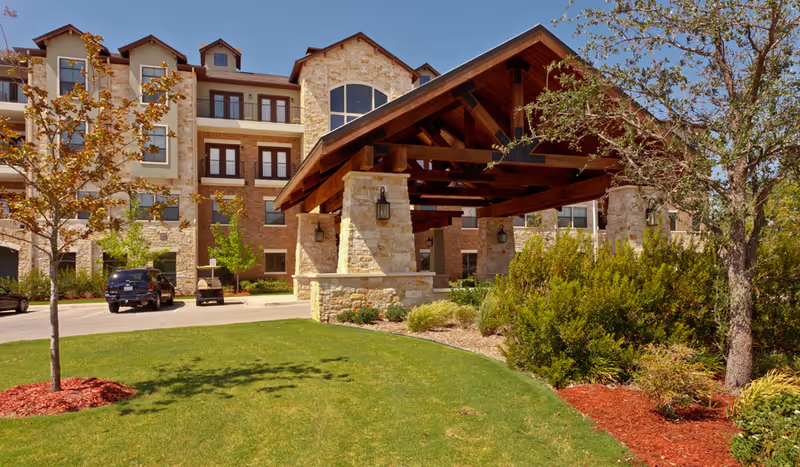
Ridgeview Village elicits polarized impressions from families and residents. A substantial portion of feedback highlights strong rehabilitation outcomes, an engaged activities program, and a generally clean, well-furnished facility with attractive common areas. Many reviewers credit the therapy teams with meaningful functional progress and rapid discharge home after short rehab stays. Admissions, front-desk interactions, and transportation/appointment support are frequently described as smooth and welcoming, and long-term staff continuity is noted as a strength in building resident relationships.
Care quality is uneven across accounts. Positive accounts emphasize compassionate CNAs, attentive nursing during some stays, and effective coordination between therapists and families. Conversely, other accounts describe lapses in clinical oversight: delayed medication delivery, inconsistent nursing competence, and gaps in documentation and follow-up. Those negative accounts also raise safety-related concerns such as missed call-light responses, inadequate transfer-safety practices, and cases that prompted re-hospitalization. Together these comments suggest variability in day-to-day clinical reliability tied in part to staffing levels and turnover.
Dining and daily living observations are similarly mixed. Many families praise timely meal service, pleasant dining environments, and staff who accommodate preferences. Others raise concerns about inconsistent food quality, limited options for texture-modified diets, and occasions when meals arrived cold or lacked variety. Housekeeping and facility cleanliness are most often called out as strengths — the building, décor, and communal spaces receive frequent positive mention — but sanitation and hygiene practices for individual care (bathing schedules, incontinence-care timeliness, laundry) are reported as inconsistent in some cases.
Activities and amenities are a clear positive for Ridgeview Village. Reviewers repeatedly cite an active calendar, live music in attractive common rooms, social programs, parakeets and other homelike touches, and a visible activity director who engages residents. These elements are consistently presented as contributors to resident morale and social engagement.
Management, administration, and communication are recurring themes in the critical feedback. Families describe inconsistent responsiveness from administration and social work, difficulty obtaining medical records or billing clarification, and limited electronic access to medication or care notes. Multiple accounts connect these administrative weaknesses to care-coordination breakdowns at transitions of care — notably discharge planning and home-health setup. There are also serious individual allegations, including concerns following a resident's death and allegations of theft and dishonesty; these are outlier but significant issues that prospective families should investigate directly with facility leadership and regulators.
Pattern assessment and guidance: Ridgeview appears to perform strongly in structured rehabilitation stays where therapy teams and short-term nursing focus on measurable goals. The facility environment, activities, and certain consistent staff members are clear assets. At the same time, variability in staffing, clinical oversight, communication, and administrative processes produces uneven experiences, particularly for longer-term residents or during periods of staff shortage. Prospective residents and families should tour the facility, ask for current staffing ratios and turnover data, clarify medication-administration and incident-reporting protocols, verify discharge/home-health procedures, review records-access policies and fees, and request references from recent short-term rehab patients. Doing so will help determine whether the facility’s current strengths align with the prospective resident’s clinical and social needs.