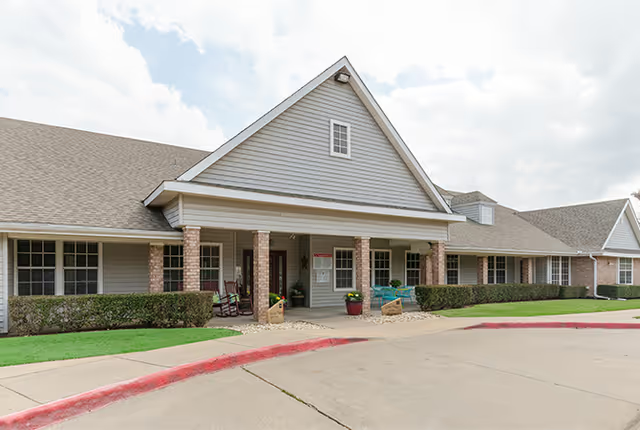
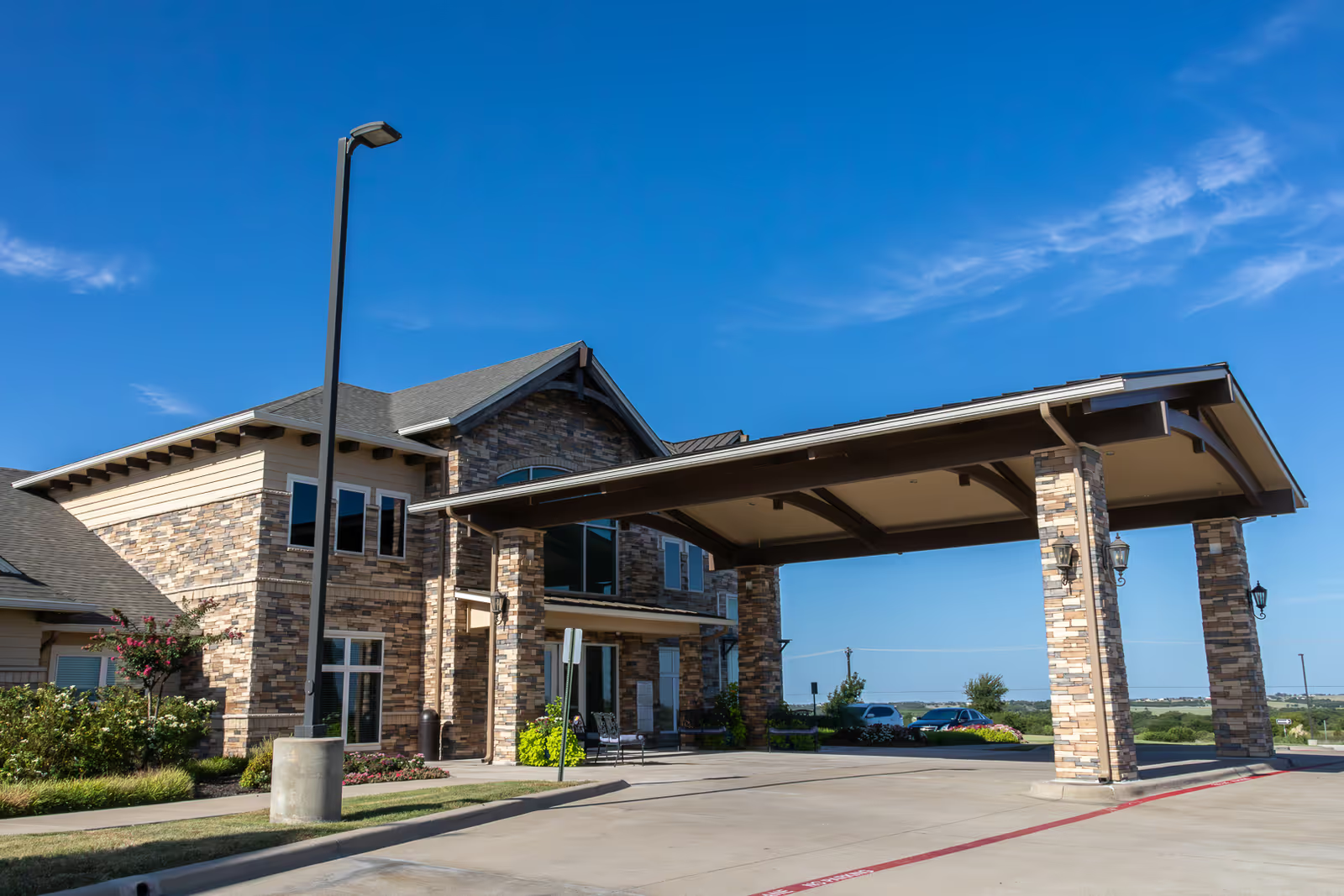
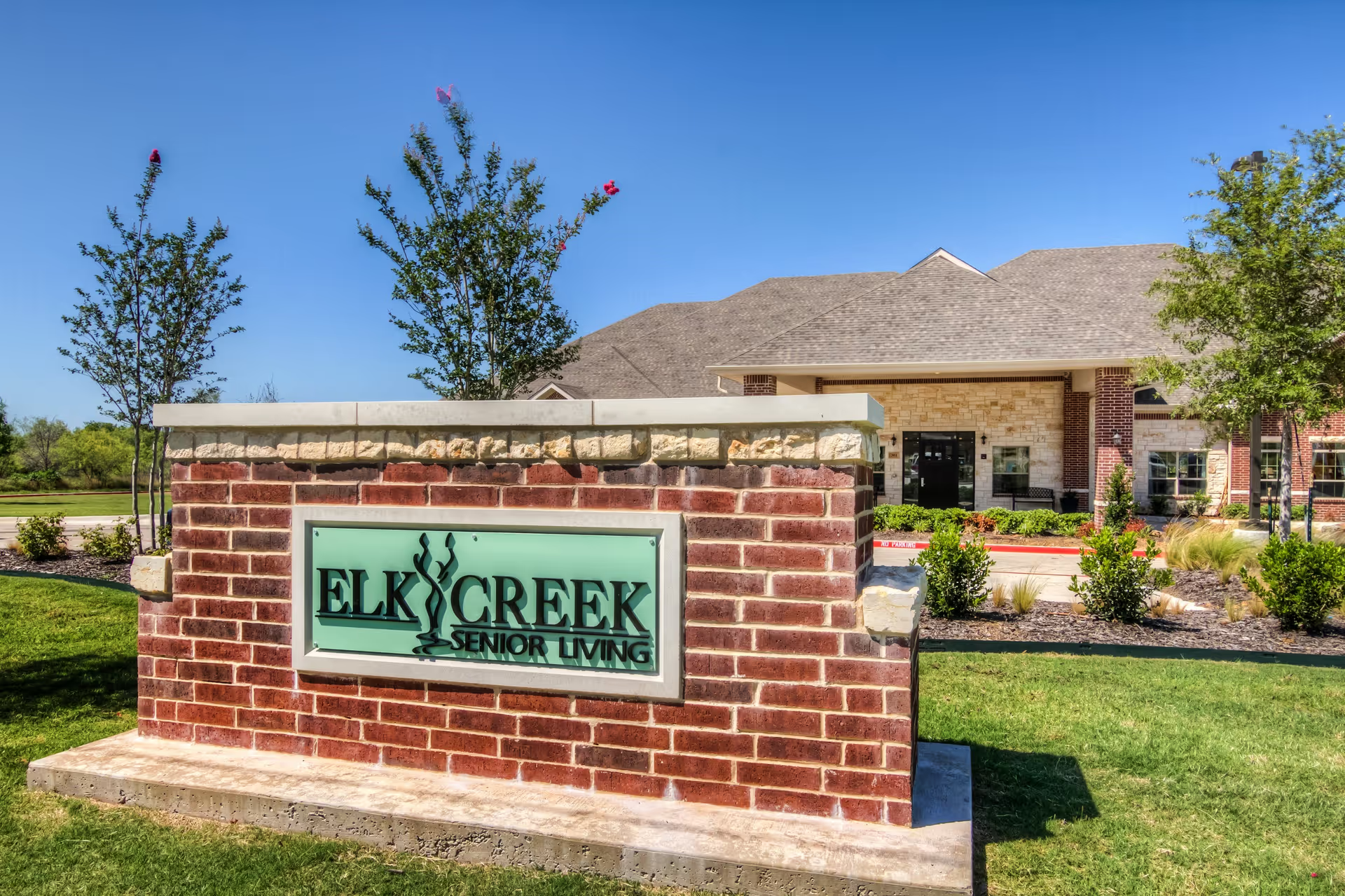
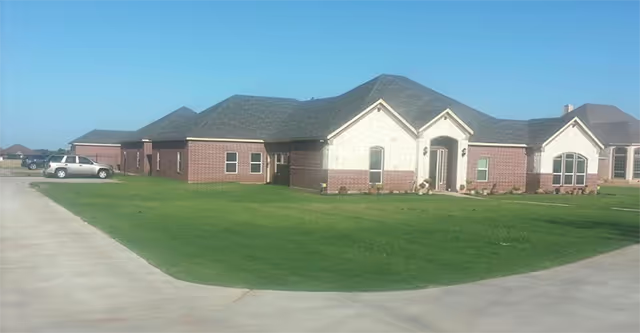
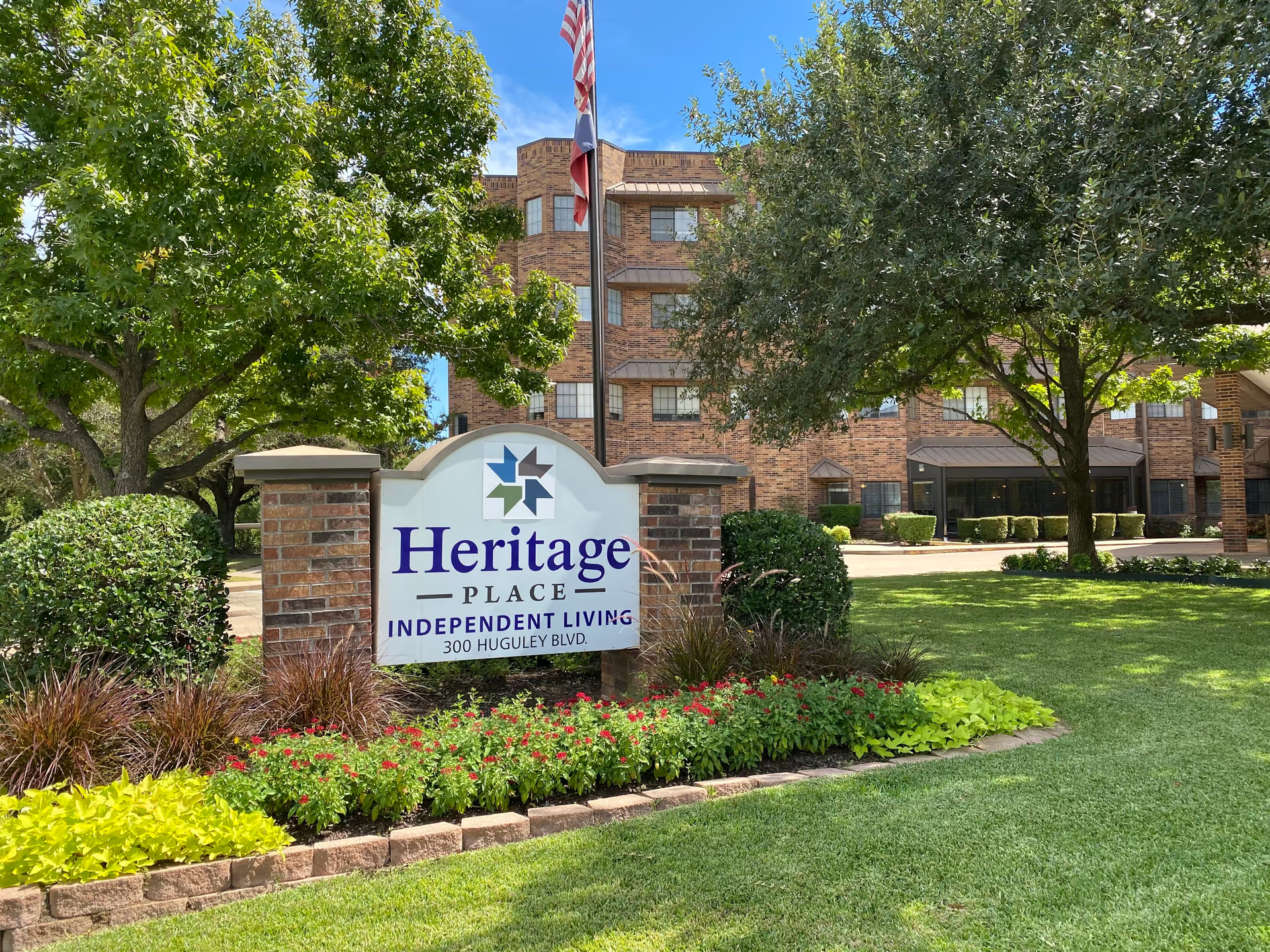
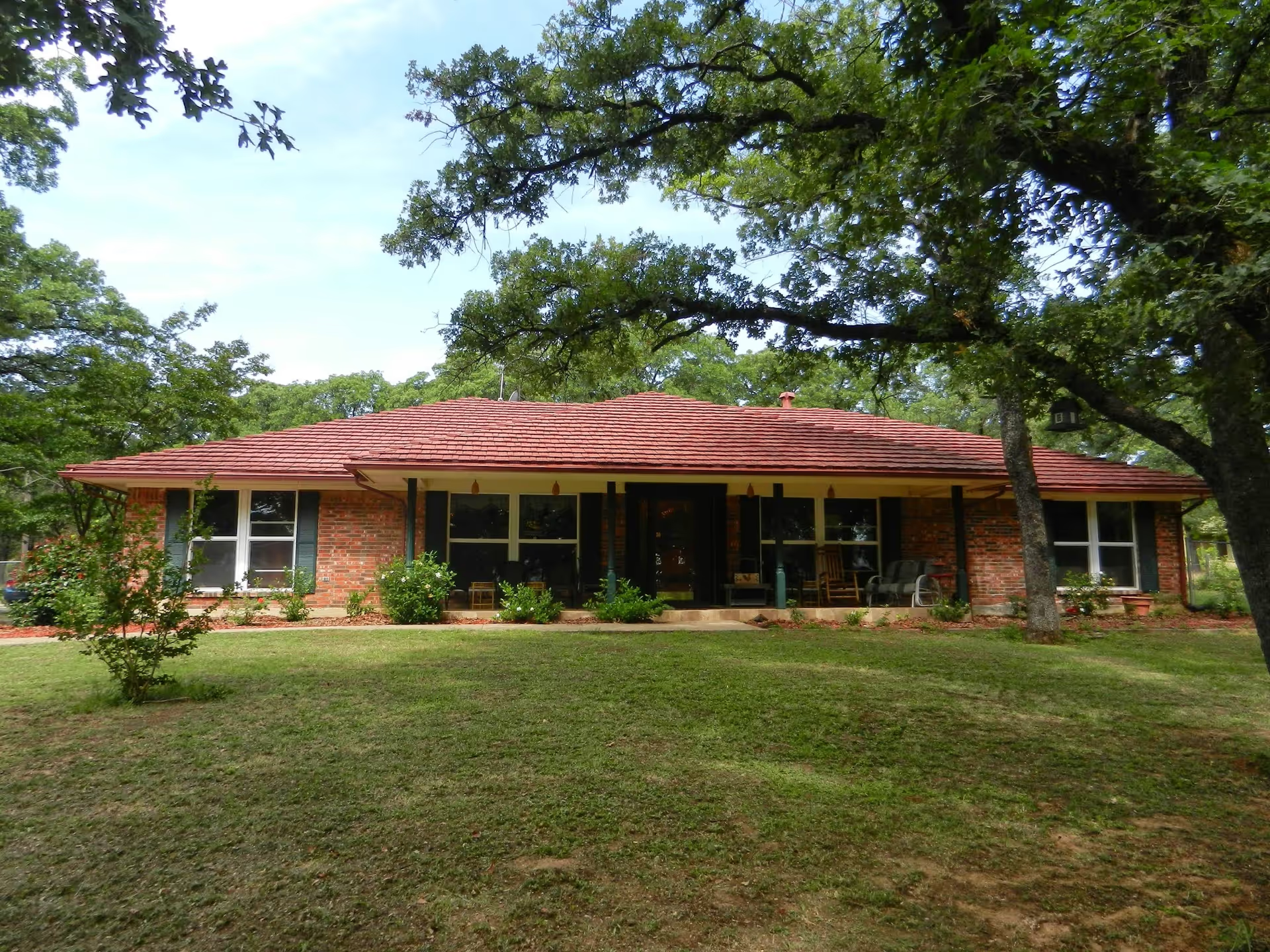
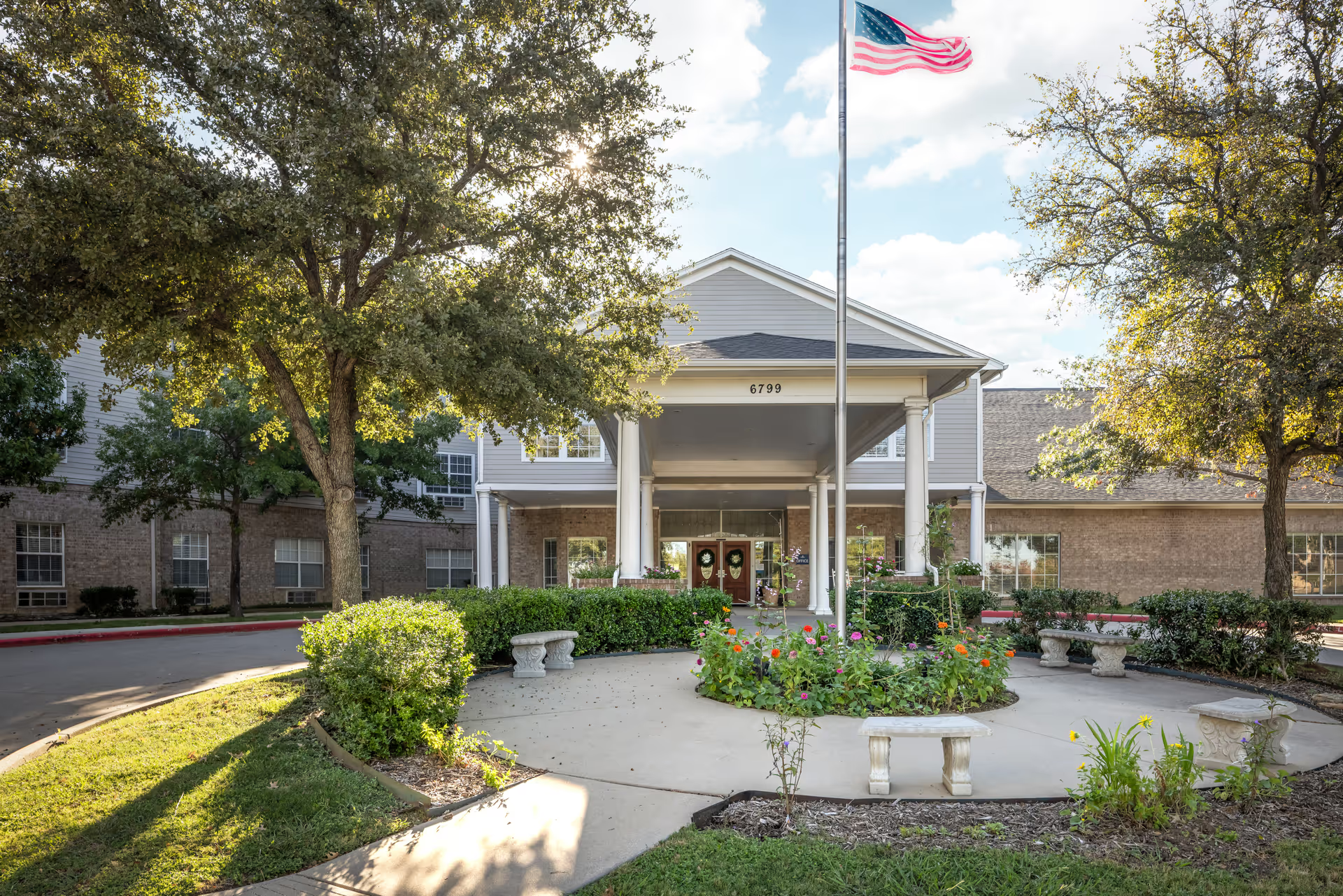
Overall impression: Reviews present a mixed but informative picture. Many families and residents emphasize a warm, home-like environment anchored by a consistently praised caregiving team. Staff are frequently described as caring, attentive, and resident-focused; reviewers highlight personalized attention, frequent checks, strong activity engagement, and effective coordination with doctors and pharmacies. The facility’s smaller scale and recent remodeling contribute to a clean, welcoming appearance and a sense of community.
Care quality and clinical operations: Clinical care receives both strong endorsements and significant concerns. Positive comments note proactive nursing assessments, effective medication management in many cases, smooth transitions for new residents, and strong care coordination with outside providers. However, other reviews describe operational lapses that point to systemic weaknesses: short staffing in the memory-care unit, inconsistent medication administration and clinical monitoring, and gaps in fall-prevention and transfer-safety practices. There is also mention of delays in responding to certain clinical needs. One allegation prompted a state-level report; families should inquire about staffing ratios, medication policies, clinical incident protocols, and regulatory status when evaluating the community.
Staff and management: Staff are widely characterized as compassionate, nurturing, and engaged—activities directors, nurses, and care partners are named positively in many accounts. At the same time, leadership reactions appear inconsistent: some families praise proactive, communicative directors, while others describe limited empathy or insufficient family communication after critical incidents. This mix suggests strong frontline culture but variable administrative follow-through. Prospective families may want to meet leadership, ask about escalation procedures, bereavement practices, and how the facility handles family concerns.
Dining and housekeeping: Housekeeping and laundry services are commonly praised and contribute to the facility’s clean presentation. Dining is generally viewed favorably—reviewers mention tailored menus, welcome meals, and available substitutions—though several comments cite bland or unseasoned food and occasional service delays. On-site salon services and menu variety are positive features; ask about sample menus and meal-service routines during a visit.
Activities and social life: Activity programming is a consistent strength. Reviews describe a wide range of offerings (games, music, gardening, painting, outings, worship, and memory-care-specific engagement such as reading and mindfulness exercises), high resident participation, and staff who actively encourage involvement. The small, community-oriented scale supports socialization and family-style events.
Facilities and rooms: The building’s recent renovations, clean common areas, courtyard, library, bistro, and private dining spaces are repeatedly commended. Apartments are described as compact with basic kitchen amenities (microwave and small refrigerator); prospective residents who need larger in-unit space or full kitchens should verify available layouts. Grounds and interior common areas are generally well maintained.
Notable patterns and recommendations: The dominant positive themes are compassionate direct care, active programming, cleanliness, and a welcoming atmosphere. The dominant concerns center on clinical operations and management consistency—especially in the memory-care unit—with staffing levels, medication/monitoring practices, fall prevention, and end-of-life communication called out. Prospective residents and families should: ask for current staffing ratios in memory care, request written medication administration and incident-response policies, review state inspection history, clarify contract terms and fee increase practices, and tour both assisted-living and memory-care areas at different times of day to observe staffing and meal service. These steps will help balance the facility’s clear strengths against the operational risks identified in reviews.