Reviews indicate a facility with several clear strengths alongside operational inconsistencies. Positive comments cluster around the clinical rehabilitation program and the interpersonal quality of frontline staff: families and visitors describe knowledgeable therapy teams, a strong short-term/post-acute focus, and nursing and therapy staff who are caring and proactive in helping residents reach therapy goals. The facility’s small, home-like setting and an activities program that includes spiritual options contribute to a warm, engaged resident atmosphere.
Staff-related feedback is largely favorable about compassion and teamwork; reviewers highlight an empathetic activities director, friendly direct-care staff, and a positive workplace culture that appears to support resident connection. At the same time, there are recurring concerns about variability in staff training and availability. Reviewers describe occasions when staffing levels affected routine personal care (for example, bathing schedules) and when clinical consistency seemed uneven. There are also specific concerns about oversight in the memory-care unit that suggest the facility should clarify staffing models, supervision, and training for residents with cognitive impairment.
Dining is a mixed area: some reviewers praise overall care while others raise issues with meal execution and menu communication, describing inconsistent doneness and unclear dish descriptions. This points to a need for strengthened kitchen quality-control and clearer menu labeling to ensure predictable meal experiences for residents and families.
Communication and care transitions are additional patterns raised. Families note instances of unclear or inaccurate information and express frustration with responsiveness from certain staff or managers. A small number of accounts reference transfers to external psychiatric services; these comments highlight the importance of transparent protocols for behavioral-health escalation and family notification.
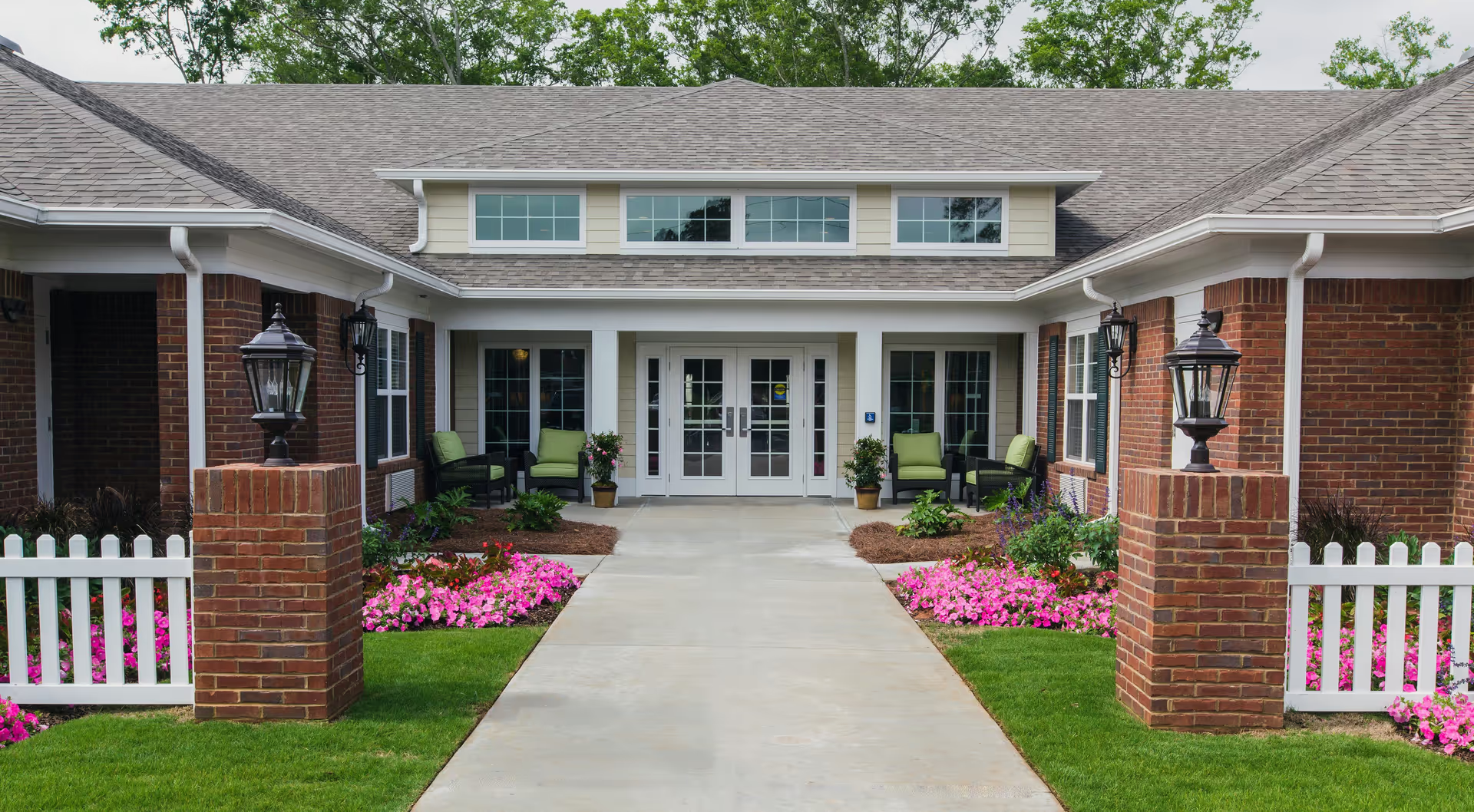
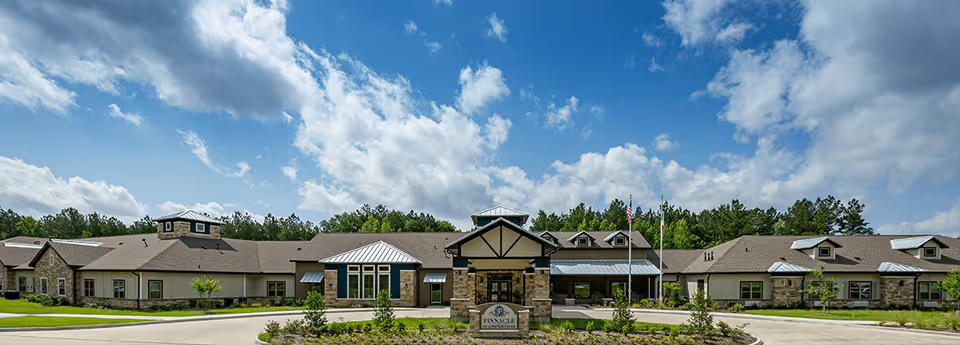
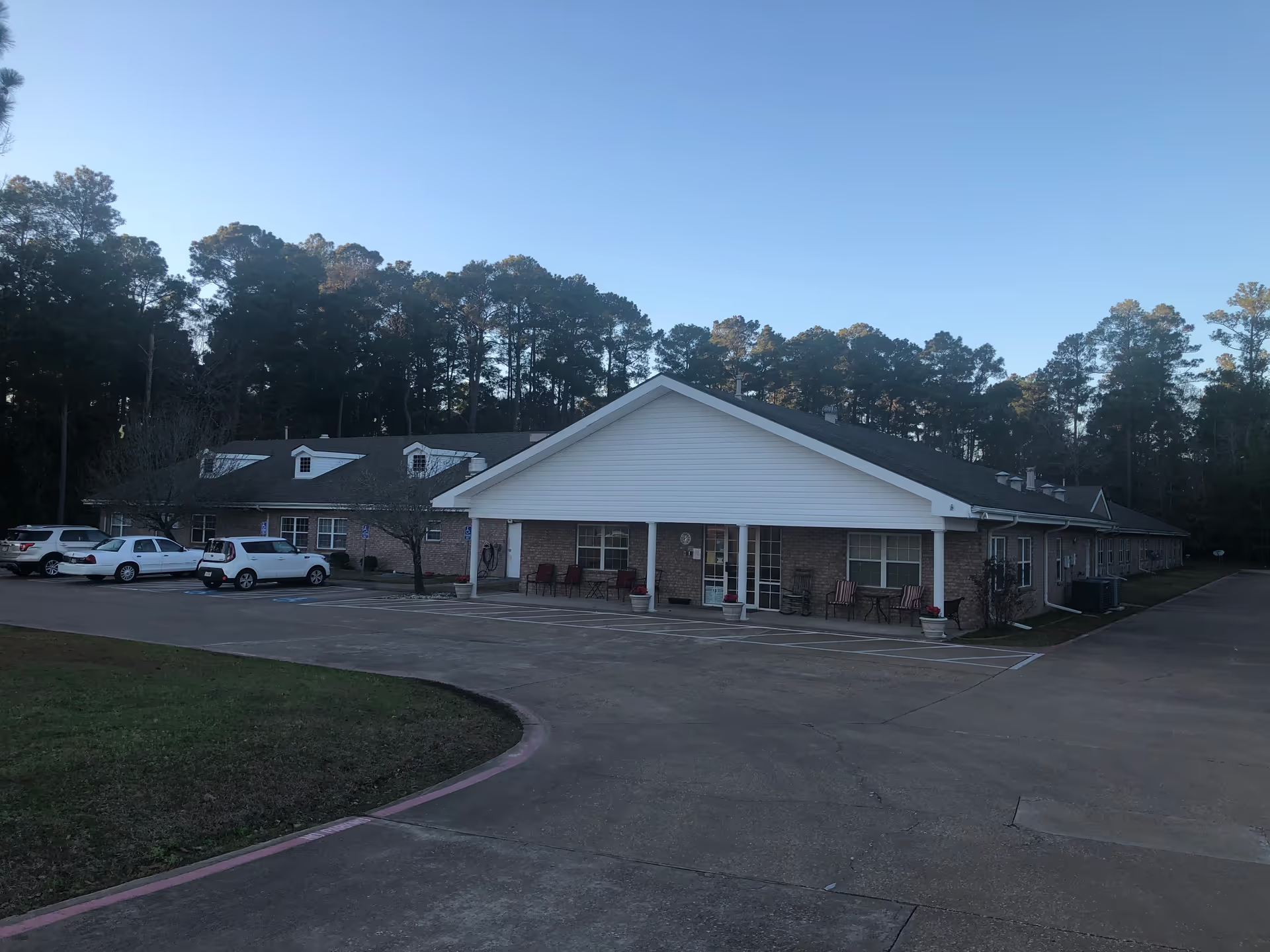
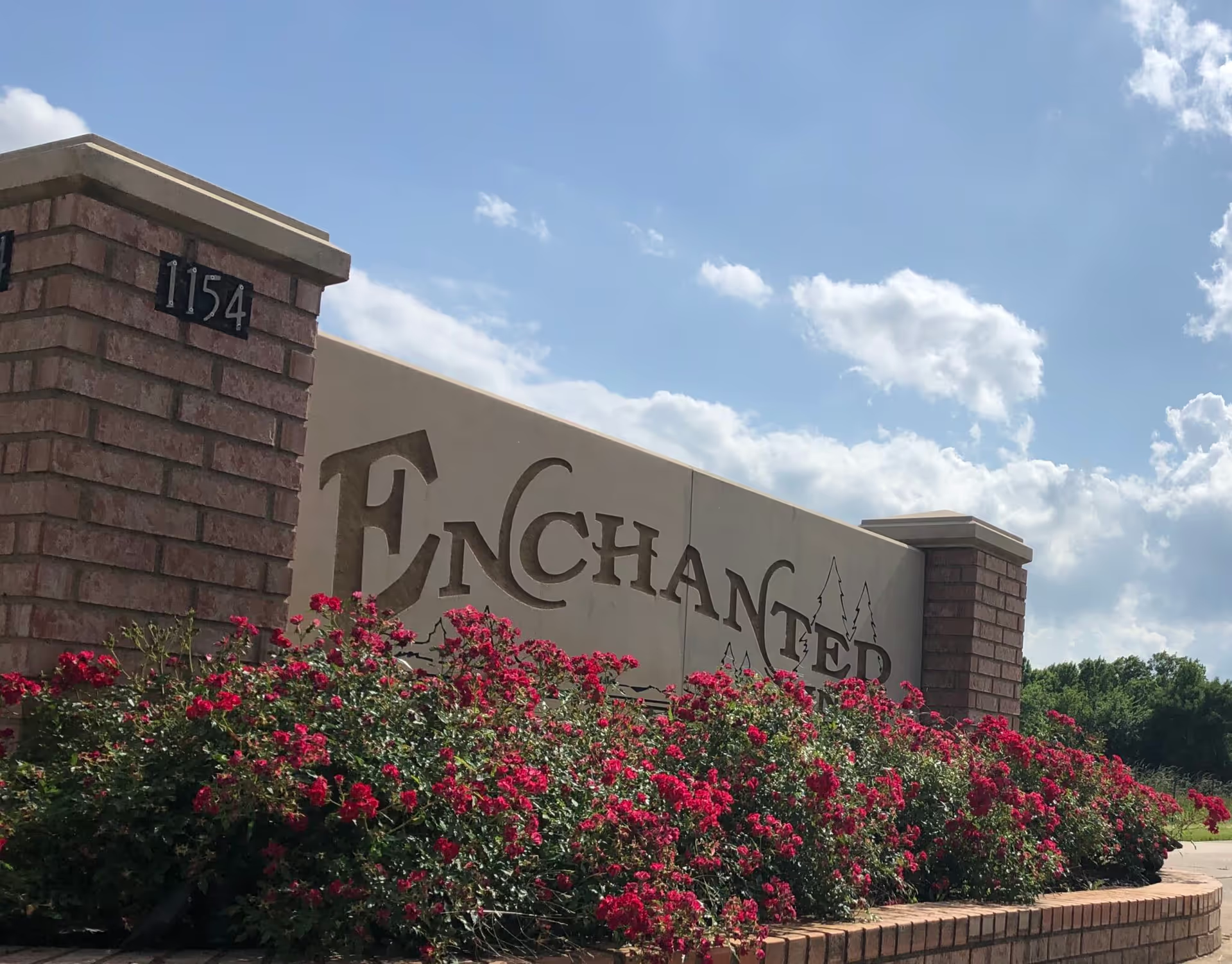
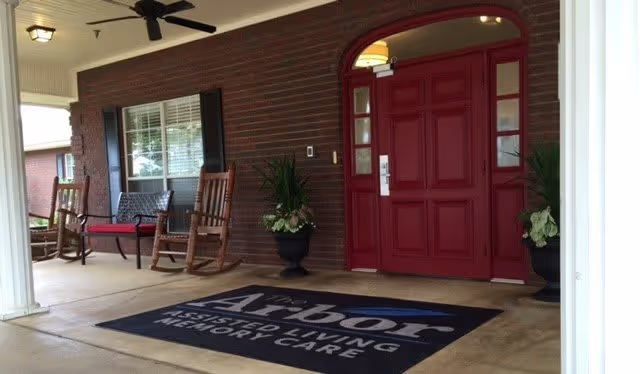
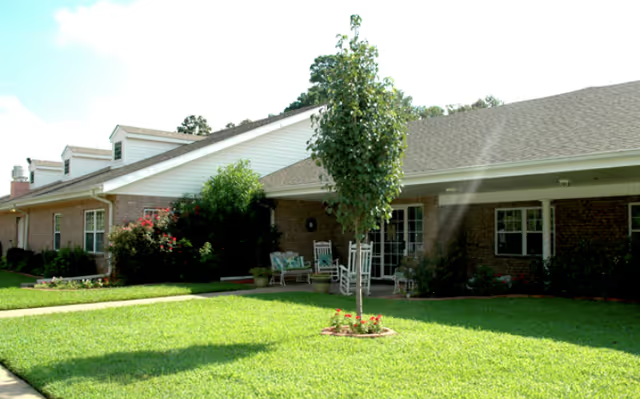
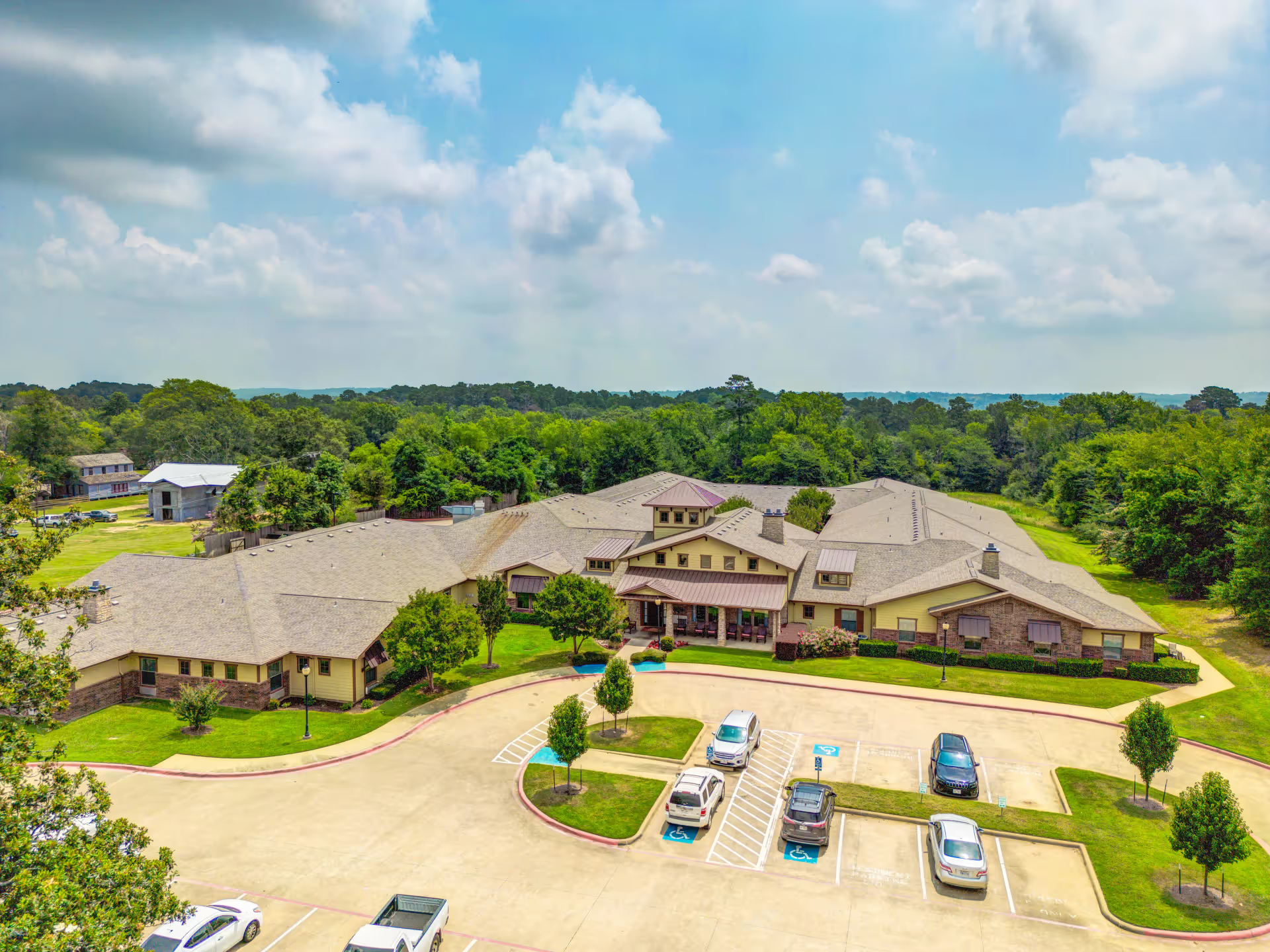
Facility layout and logistics present practical limits in some areas. The small scale and narrower corridors are cited as part of the home-like character, but they may constrain movement or programing for certain residents. Prospective residents and families should weigh the benefits of a smaller, intimate setting against space limitations.
Overall, the facility receives strong marks for rehabilitation, individualized attention, and a warm community environment. The most consistent areas for improvement are operational: ensuring reliable staffing levels and training (particularly in memory care), standardizing dining quality and menu communication, and improving family communication and transfer protocols. Prospective families may want to observe mealtime, ask about staffing ratios and memory-care oversight, and request the facility’s behavioral-health escalation and family-communication policies during a tour.