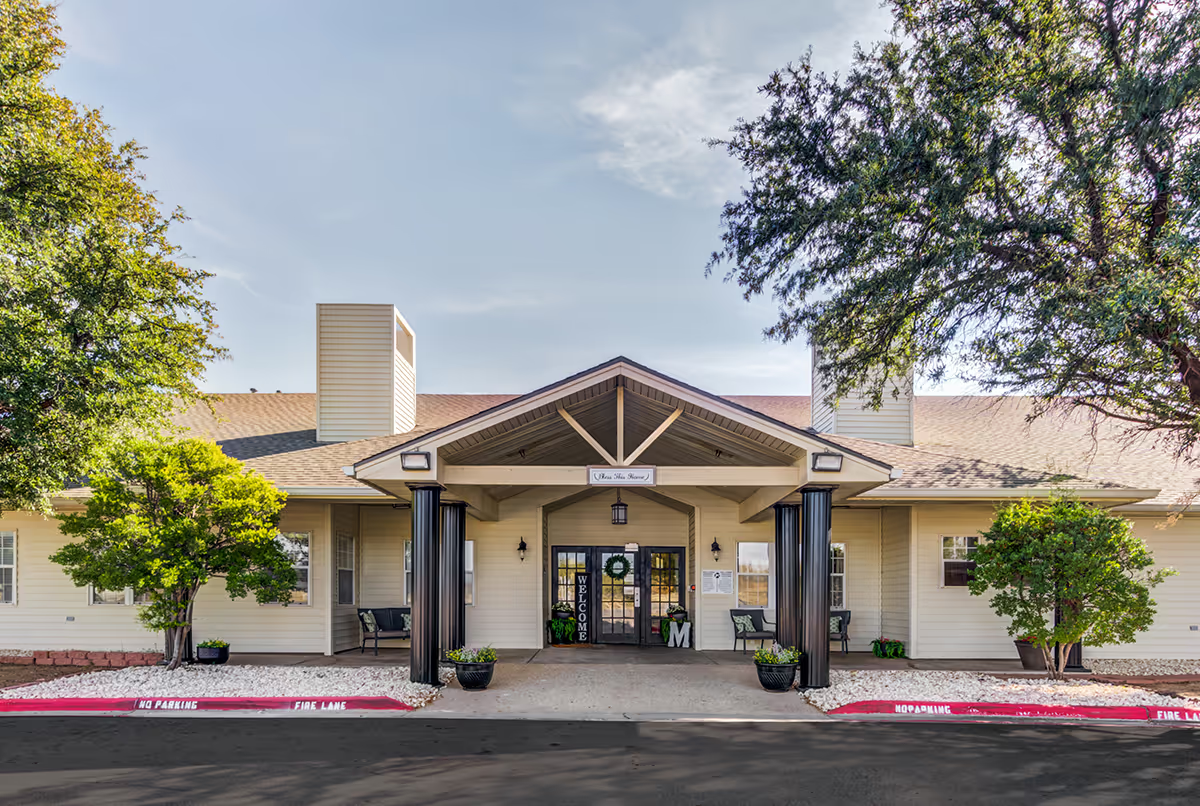
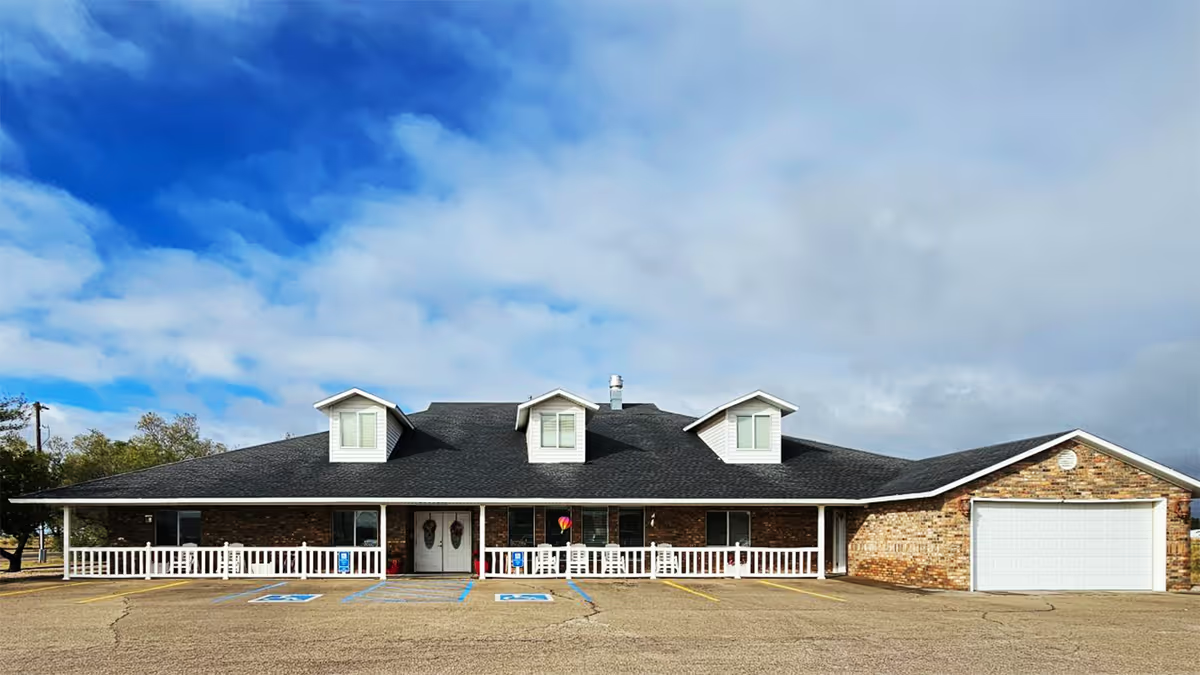
The reviews present a consistently positive picture of Focused Care at Crane, emphasizing strong day-to-day caregiving and an environment that many families describe as homelike. Care quality is characterized by attentive, needs-focused support; reviewers indicate resident needs are met and that the facility compares favorably with prior nursing homes. The presence of a dementia-specialized unit is highlighted and appears to be an important component of the center's clinical offerings.
Staff performance is the most frequently praised element. Reviewers mention compassionate, trustworthy caregivers and staff who develop close, family-like relationships with residents. Individual staff members received direct praise, and comments suggest a culture of personalized attention and emotional support. This pattern of commentary implies strength in staff training, resident rapport, and day-to-day responsiveness.
There is limited information about dining and meal-service quality in the available summaries. Families considering the facility should request sample menus, dietary accommodations, and observations of meal service during a visit to assess fit for residents with specific nutritional needs.
Activities and social programming are cited positively; reviewers note engaging offerings that contribute to residents’ sense of home and well-being. These recreational and social elements appear to be integrated into the daily routine and support social engagement for residents, including those in memory-care.
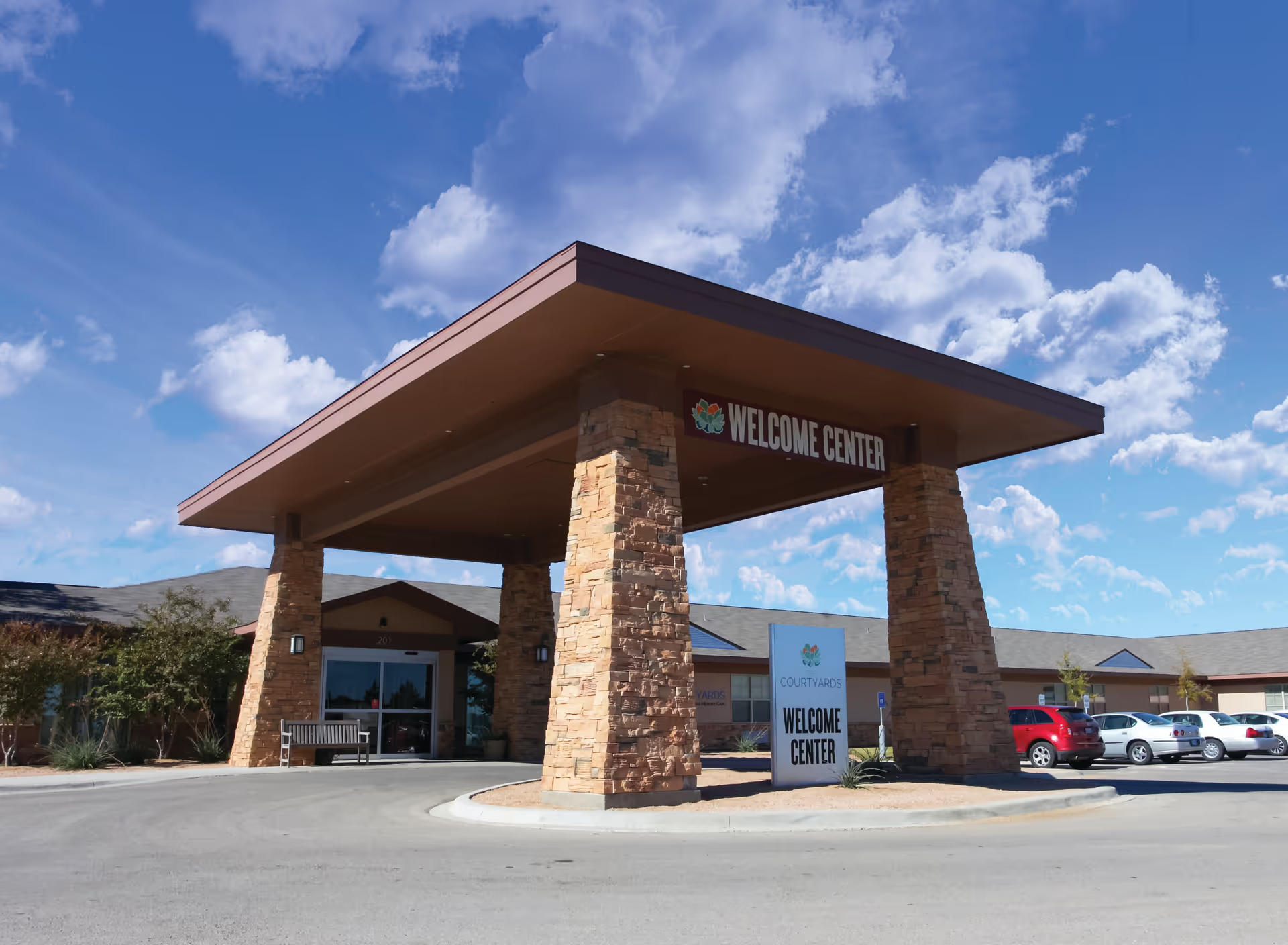
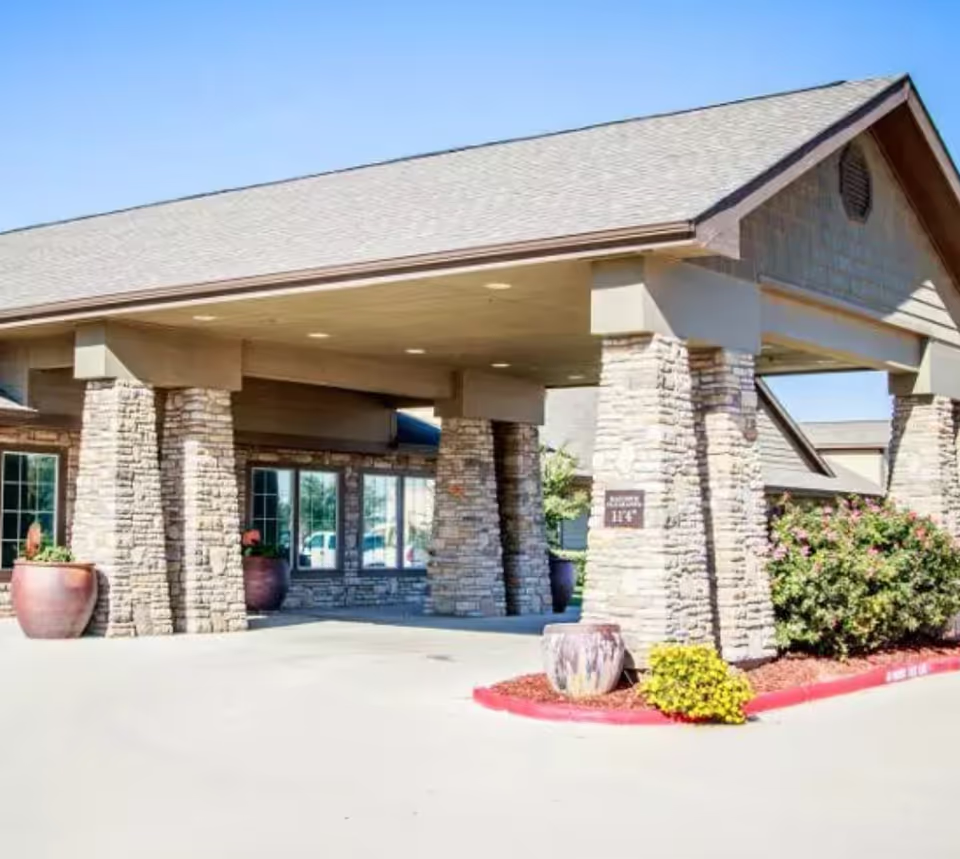
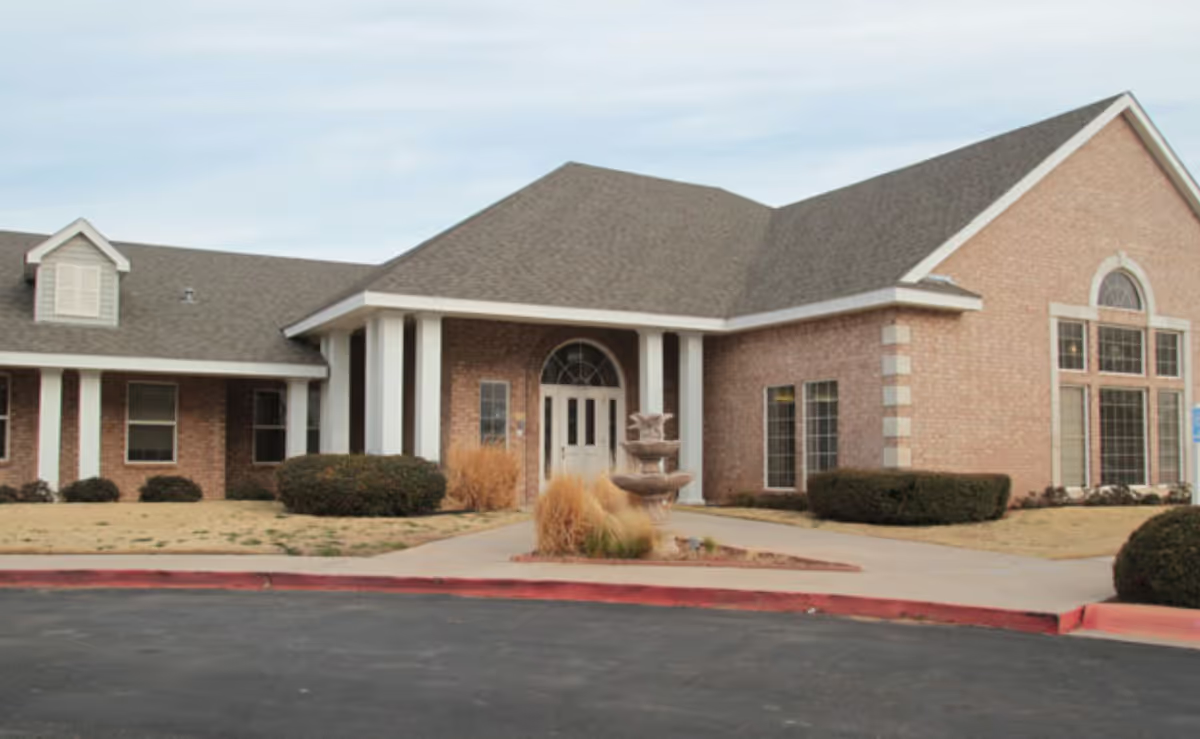
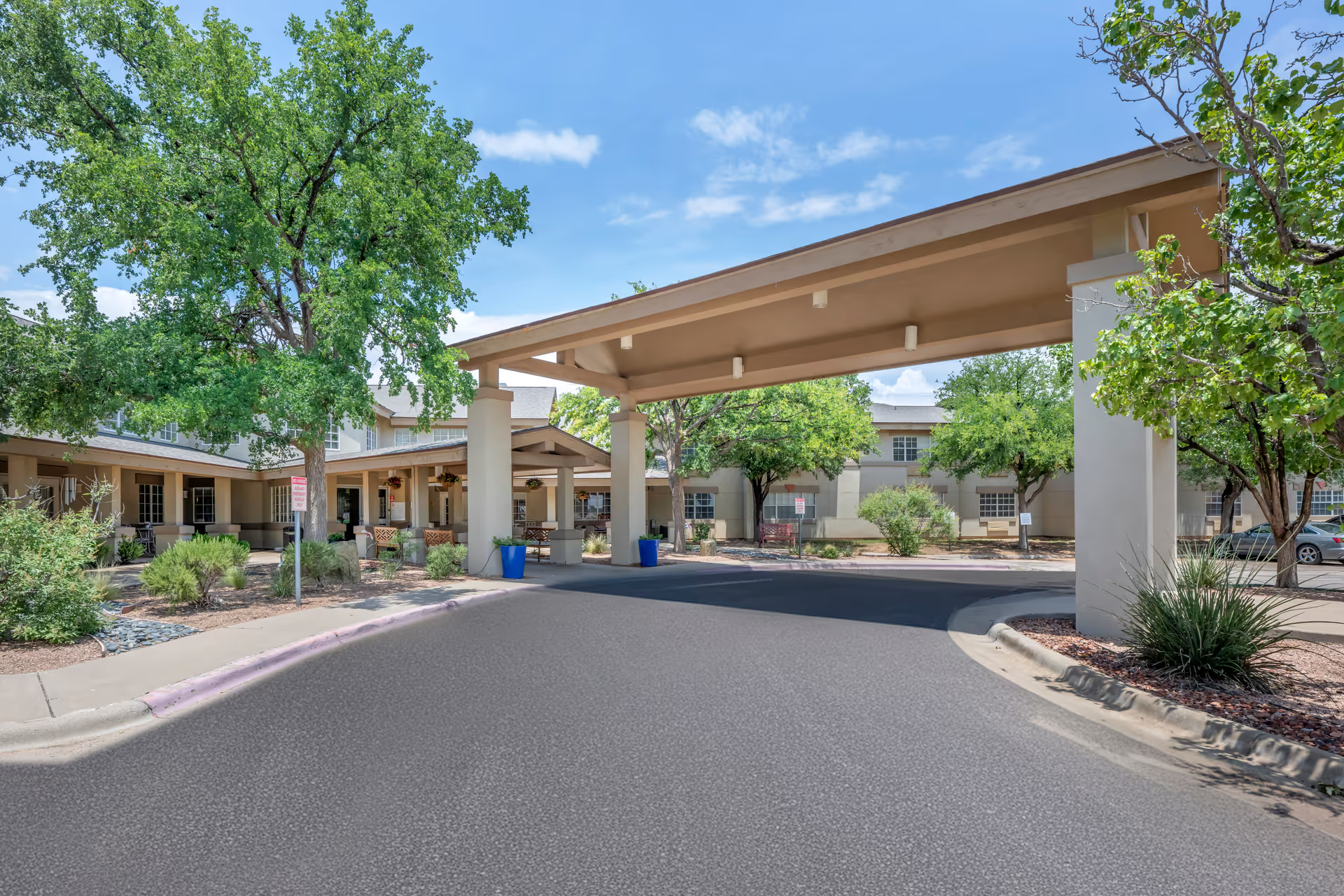
Facility condition and cleanliness are described favorably, and the overall atmosphere is repeatedly characterized as comfortable and home-like. These attributes, combined with the dementia unit and attentive staff, suggest an environment oriented toward resident dignity and daily comfort.
Notable patterns and potential information gaps: the available reviews provide strong qualitative endorsement of caregiving and atmosphere but offer sparse detail on clinical processes such as medication management, staffing ratios, and administrative communication practices. Prospective residents and families may wish to probe these operational areas directly—ask about staffing levels, clinical protocols, medication-administration oversight, incident-response procedures, and channels for family communication—to gain a more complete picture. The overwhelmingly positive tenor of the summaries is useful but should be balanced with direct questions and a facility visit to verify clinical and service details important to individual residents.