Crowley Nursing and Rehabilitation elicits strongly mixed impressions. Many families praise the bedside care they experienced: individual nurses, CNAs, and rehab therapists are frequently described as compassionate, skilled, and engaging. The facility’s therapy departments, certain admissions/intake staff, drivers, and activity coordinators receive consistent positive mention; several reviewers described good rehabilitation outcomes, effective medication adjustments by advanced practitioners, well-run social-work involvement, and an active activities calendar that includes music and social events.
At the same time, a recurring operational theme is variability in day-to-day care quality. Staffing levels and turnover are a prominent concern: reviewers describe slow response times to call lights and bed alarms, long waits for basic assistance, and inconsistent delivery of toileting and bathing. These delays are often linked to the facility’s reliance on temporary or agency aides and uneven coverage between shifts. Families also reported inconsistencies in medication timing and pain management follow-through, creating anxiety about clinical continuity for residents with complex needs.
Dining and activities present a mixed picture. Some reviewers praised varied menus and accommodations for dietary needs, while others noted cold meals, missed feeding assistance, or interruptions to meal-service continuity. The activities program and individual activity staff receive frequent positive mention; however, reviewer experience varies with how active staff are on specific units and shifts.
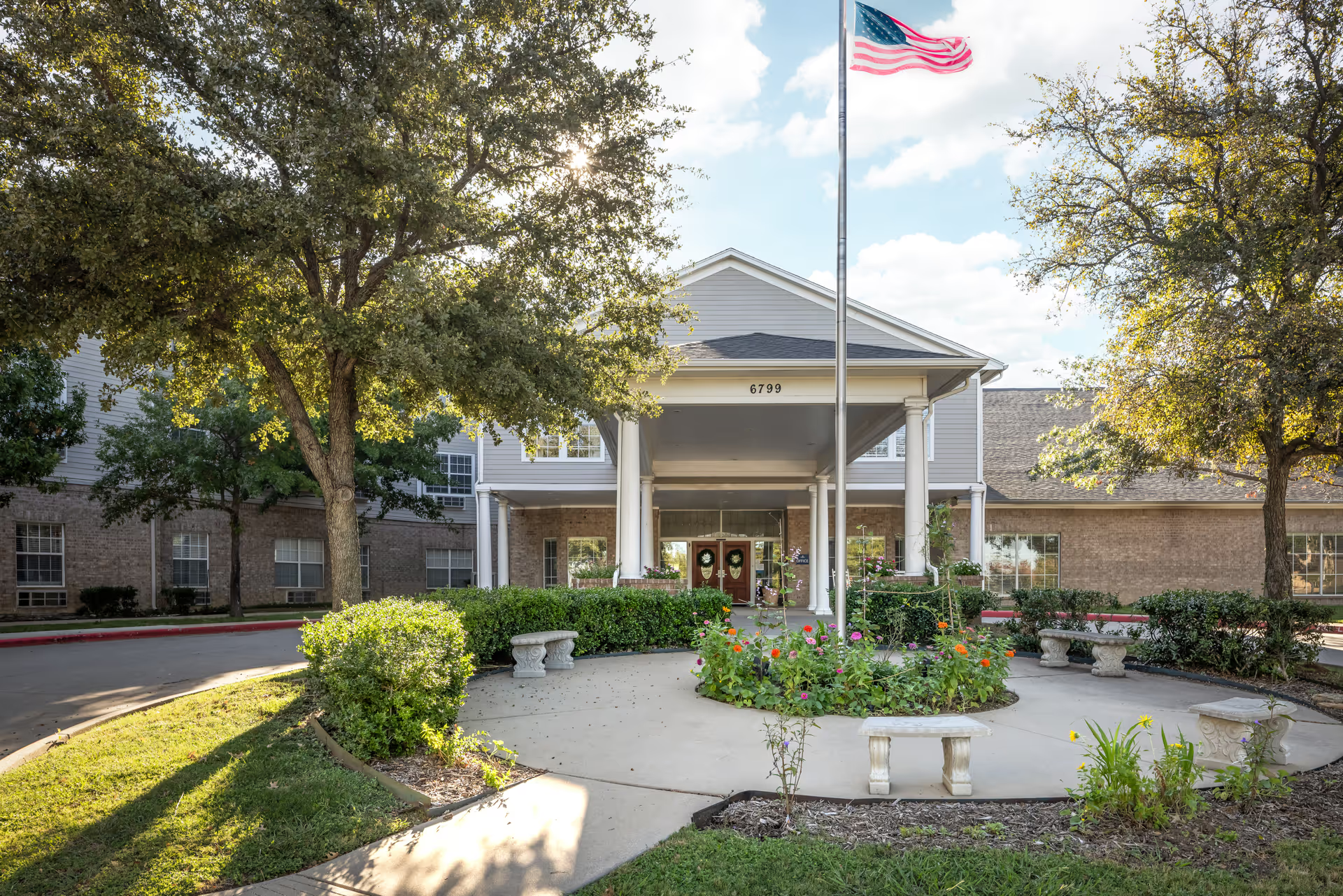
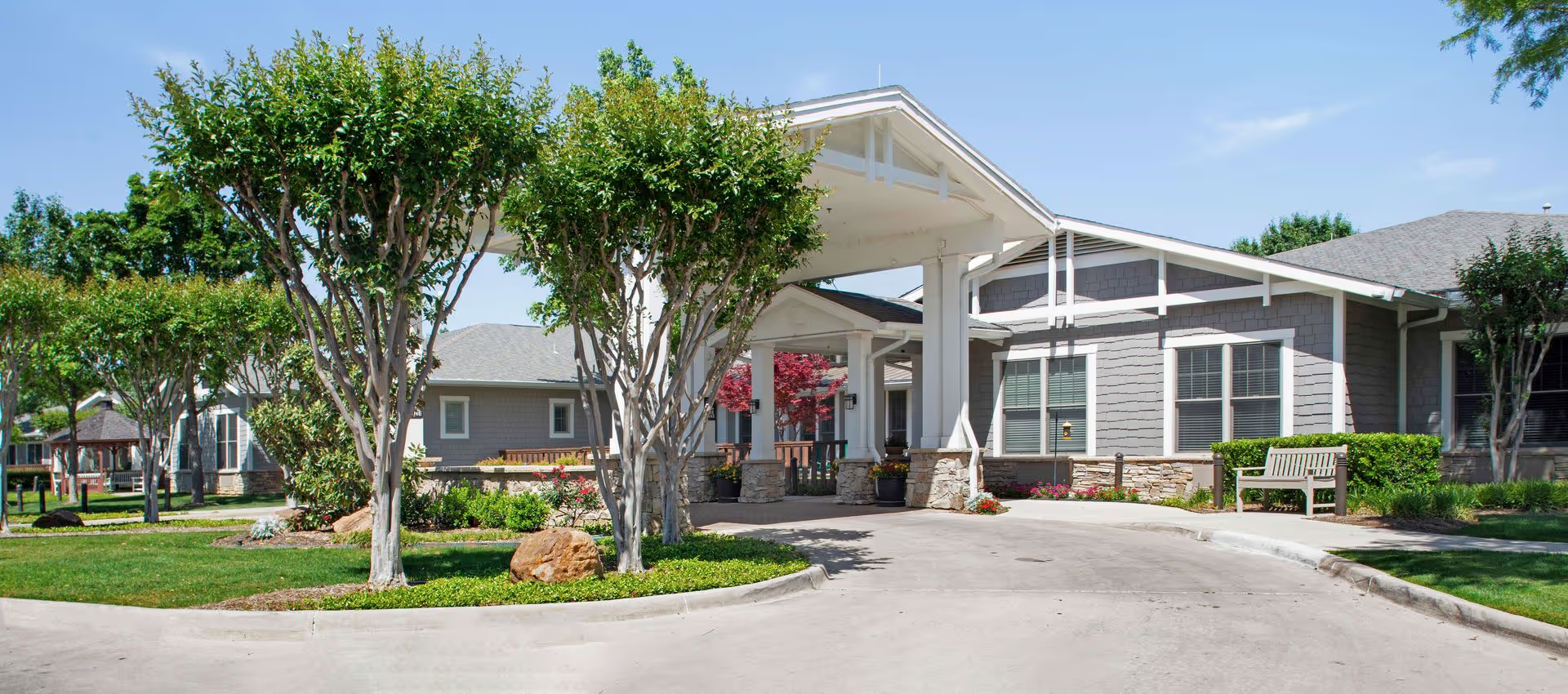
Facility condition and maintenance likewise show contrasts. Many commenters describe clean, well-kept rooms and welcoming common areas, while other reports identify localized maintenance and sanitation concerns, broken fixtures, and pest-control worries. Security of residents’ personal property is another area of concern: multiple accounts point to missing or mishandled belongings and equipment, and some families requested clearer property-handling protocols.
Communication and management responsiveness emerge as one of the clearest patterns. Positive reports cite helpful, attentive social-work and admissions staff who keep families informed. Conversely, a substantial portion of feedback characterizes management and nursing leadership as difficult to reach, slow to return calls, and at times dismissive when clinical or staffing concerns are raised. Several reviewers described inadequate discharge planning or failures to arrange promised equipment or home-health supports at transition, which points to gaps in care-transition coordination.
Safety and clinical-incident practices are another area with mixed signals. While many families felt safe and well cared for, others described delays in clinical response, inconsistent documentation, and inadequate family notification after significant events. For residents with cognitive impairment, families reported inconsistent dementia-specific care and limited one-on-one attention when required.
For prospective residents and families: the facility shows clear strengths in individual caregiver dedication, therapy services, and some aspects of admissions and activities. Those strengths appear to coexist with operational weaknesses tied to staffing, communication, maintenance, and care transitions. A focused tour and family conversation should address current staffing ratios on the intended unit, call-light response expectations, dementia-care protocols (if applicable), specific discharge and equipment plans, property-handling procedures, and examples of how the facility documents and communicates clinical incidents. These targeted questions will help determine whether the facility’s positive elements are likely to be reliably available for a particular resident’s needs.