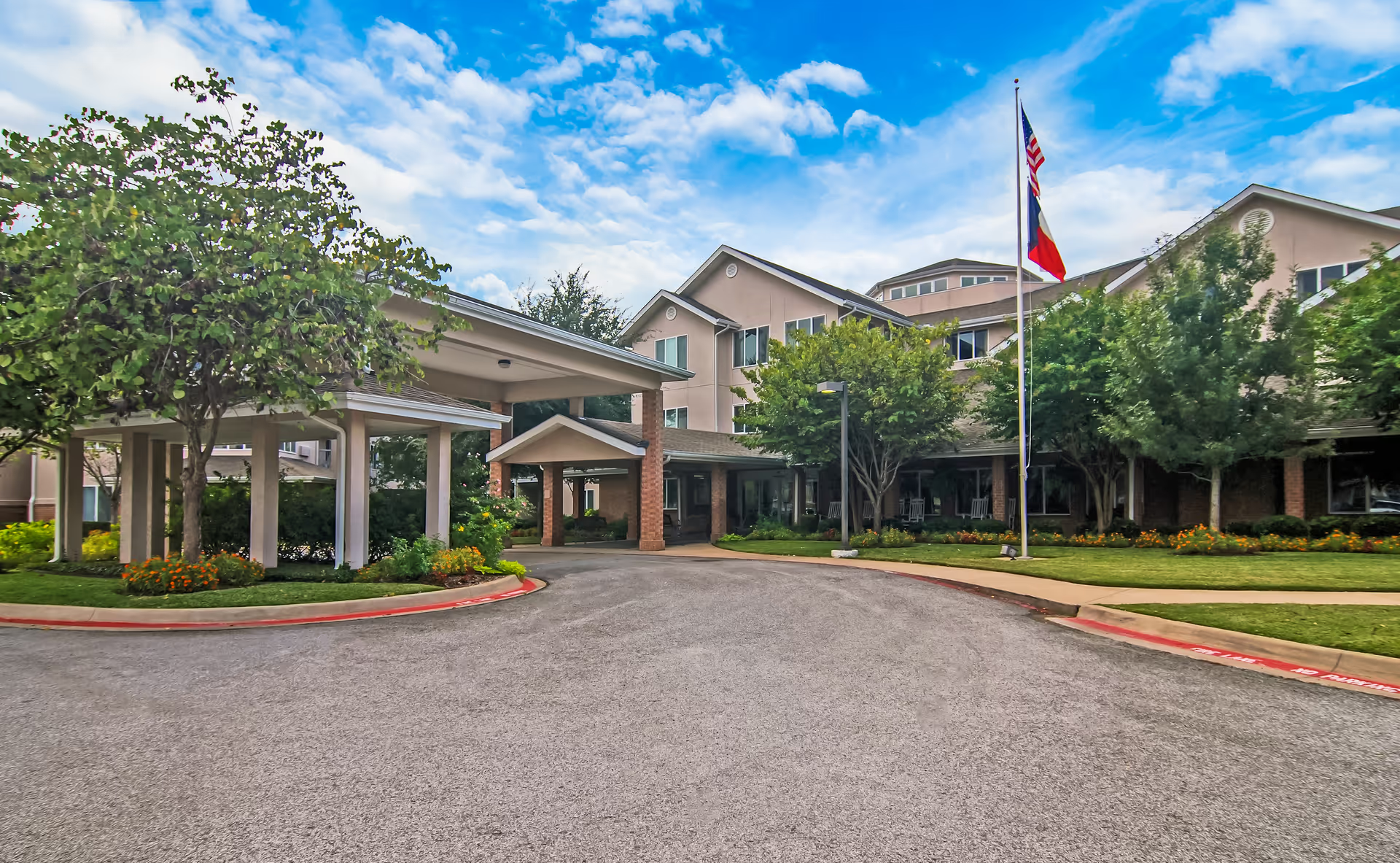
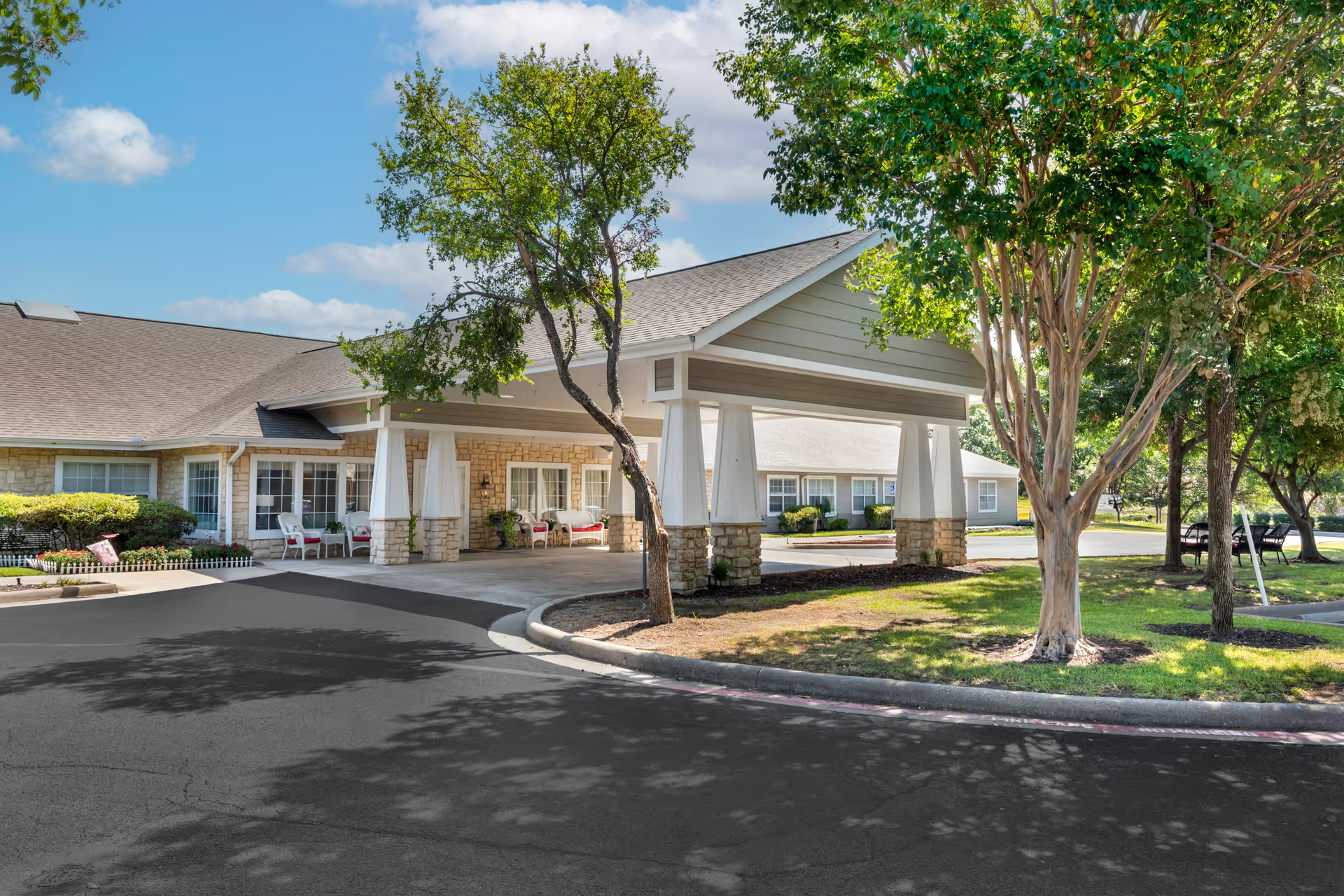
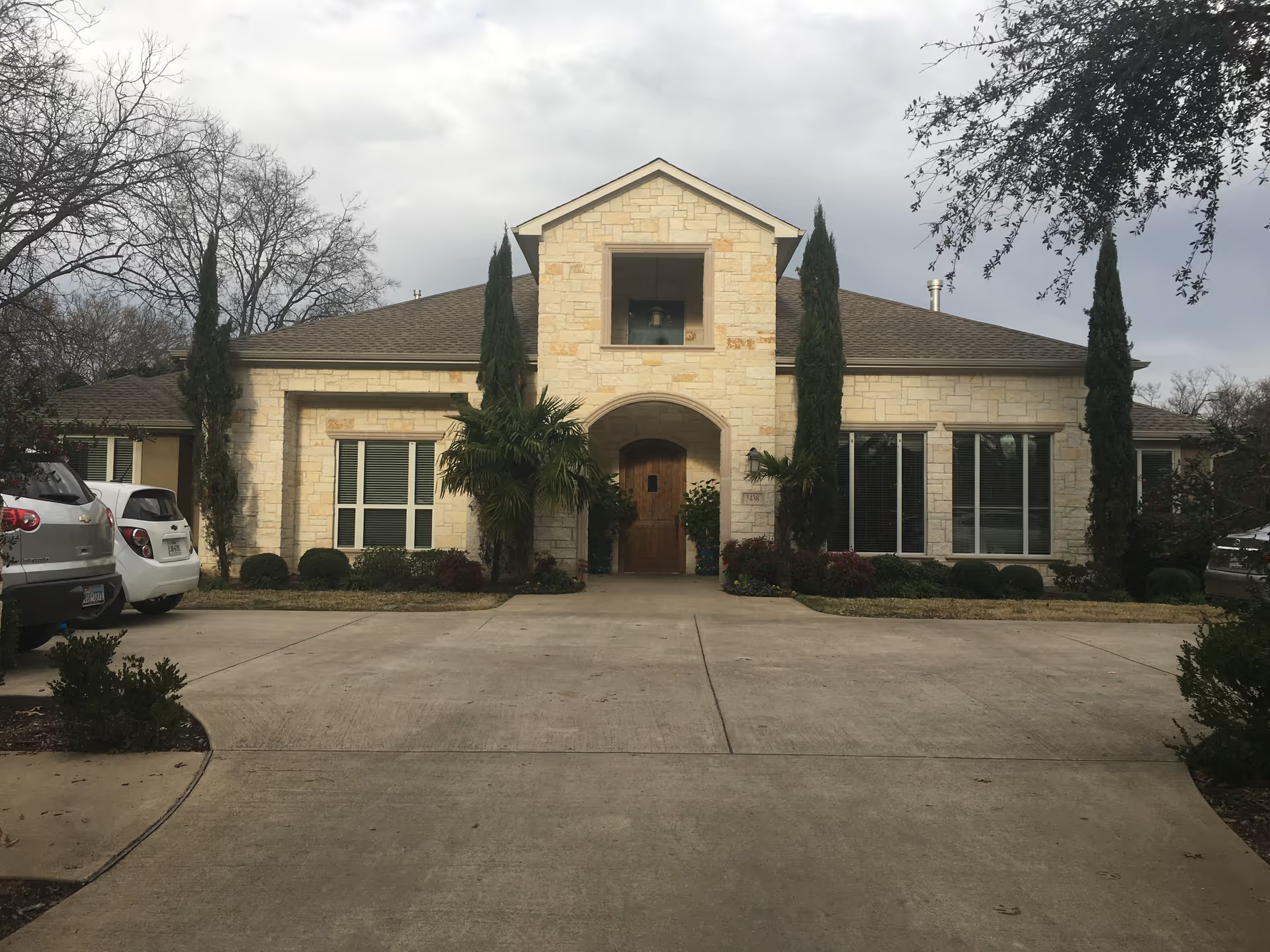
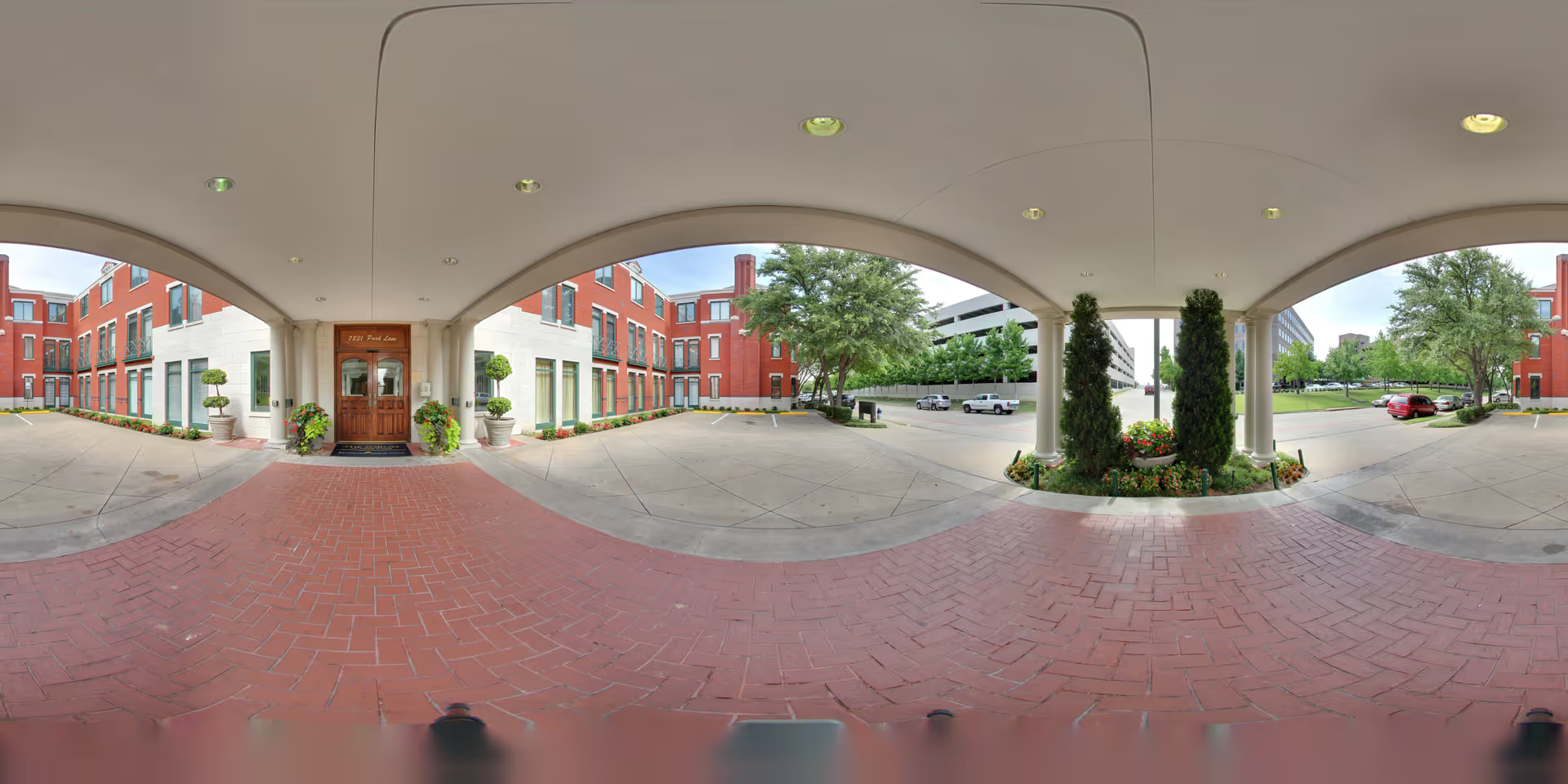
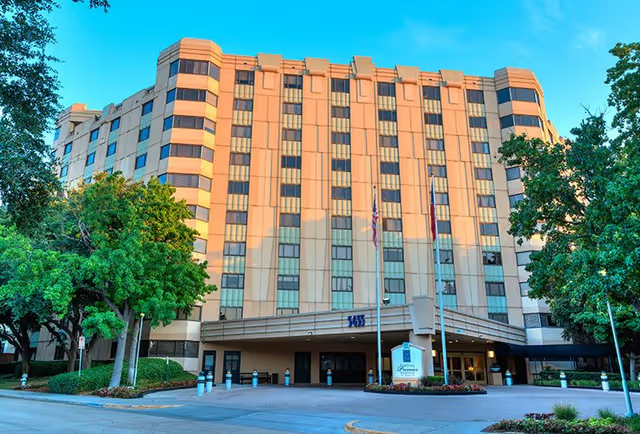
Overview CC Young Memorial Home presents as a large, campus-style continuing-care community with well-kept grounds, attractive dining venues, and multiple new and renovated buildings. Many reviewers praised the facility’s physical environment — clean, bright common areas; landscaped courtyards; scenic lake views; and a range of amenities from fitness rooms to woodworking and arts spaces. The campus model, on-site medical resources, hospice availability, and education programs (Osher Learning, lectures) are recurring strengths for residents seeking an active, amenity-rich setting.
Care and staff Direct-care staff, therapists and rehabilitation teams receive frequent praise. Physical and occupational therapy, short-term rehab, and many CNAs and nurses were described as skilled, attentive, and family-focused; discharge planning and therapy outcomes were often cited as strong points. At the same time, accounts describe inconsistent staffing patterns — particularly across night and weekend shifts — and high turnover in some clinical roles. Those operational gaps translate into slow call-light responses at times, variability in bedside nursing practices, and uneven continuity of care. Medication-administration controls and documentation were raised as a concern in a subset of accounts, and families should probe current protocols and oversight when evaluating clinical fit.
Dining and activities Dining is a visible strength overall: multiple eateries on campus, attractive presentation, and a wide range of menu choices with the ability to request favorites were commonly noted. Several reviewers described nutritious, flavorful meals and regular healthy snacks; others experienced bland or inconsistent meal quality and noted extra charges or modest meal allowances in some housing options. Activities programming is robust — daily events, enrichment classes, brain-health exercises, music, and social clubs contribute to an engaged, cruise-ship–like atmosphere that many residents find socially and cognitively stimulating.
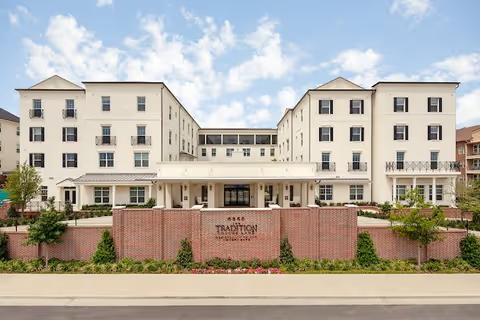
Facilities and amenities The property offers a mix of newer, hotel-like buildings and older, being-upgraded structures. Many apartments are spacious and include full kitchens and laundry connections; others are in older stock without certain in-room features. On-site amenities (therapy, salon, libraries, conference rooms, monitored parking) and campus transportation are positives. Maintenance and housekeeping perform well in many areas, but reviewers also described delays in addressing maintenance requests and some sanitation or pest-control concerns in particular units — an operational variability that prospective residents should verify during tours.
Management and operational patterns A prominent pattern in the reviews is variability in administration responsiveness. Positive reports describe attentive front-office teams and proactive managers; negative accounts identify communication gaps, cold admission experiences, move-in coordination issues, and occasional perceived detachment of executive leadership from day-to-day operations. Human-resources pressures and compensation concerns were linked by some reviewers to staff morale issues and understaffing. Safety-protocol clarity (escalation during emergencies, role delineation between security and clinical staff) was another recurring operational theme.
Notable patterns and guidance for families There is a clear split in experiences: many families describe excellent rehab outcomes, strong therapy teams, rich activities, and a warm community, while other families experienced operational shortfalls that affected care continuity and safety perception. Skilled nursing quality appears more variable than short-term rehab and assisted-living services. Financial considerations also recur: the community uses a continuing-care pricing model with upfront fees and monthly charges; some reviewers considered it expensive relative to alternatives.
When evaluating CC Young, families should ask targeted questions about current staffing ratios by shift, nurse-call response metrics, turnover rates for nursing leadership, medication-safety protocols, recent regulatory surveys, pest-control and sanitation tracking, admission/move-in coordination processes, and how the community handles advanced-directive documentation and emergency escalation. Touring multiple levels of care (new and older buildings), meeting therapy staff and nursing leadership, and requesting recent inspection or quality data can help clarify whether the facility’s operational strengths align with an individual resident’s needs.