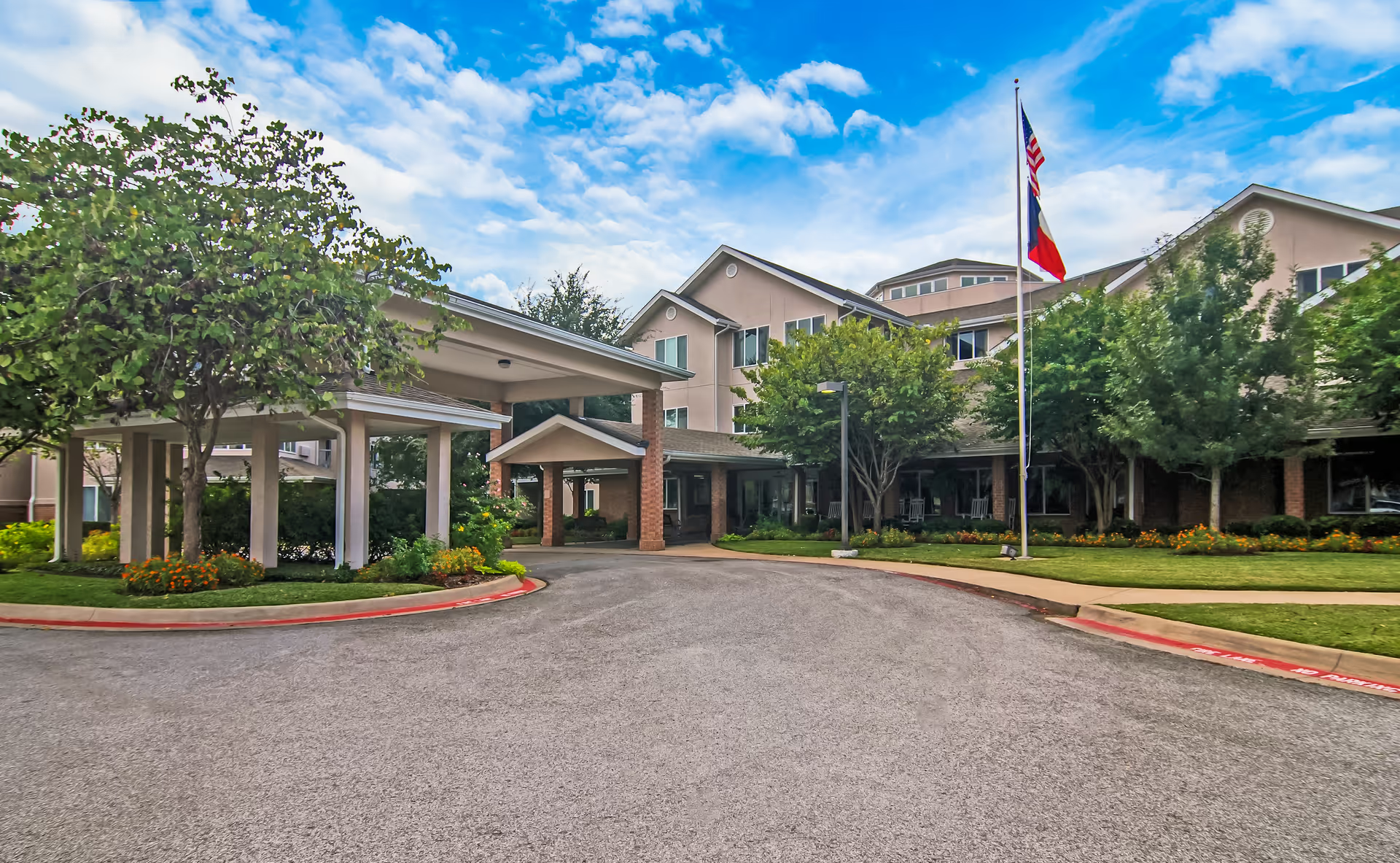
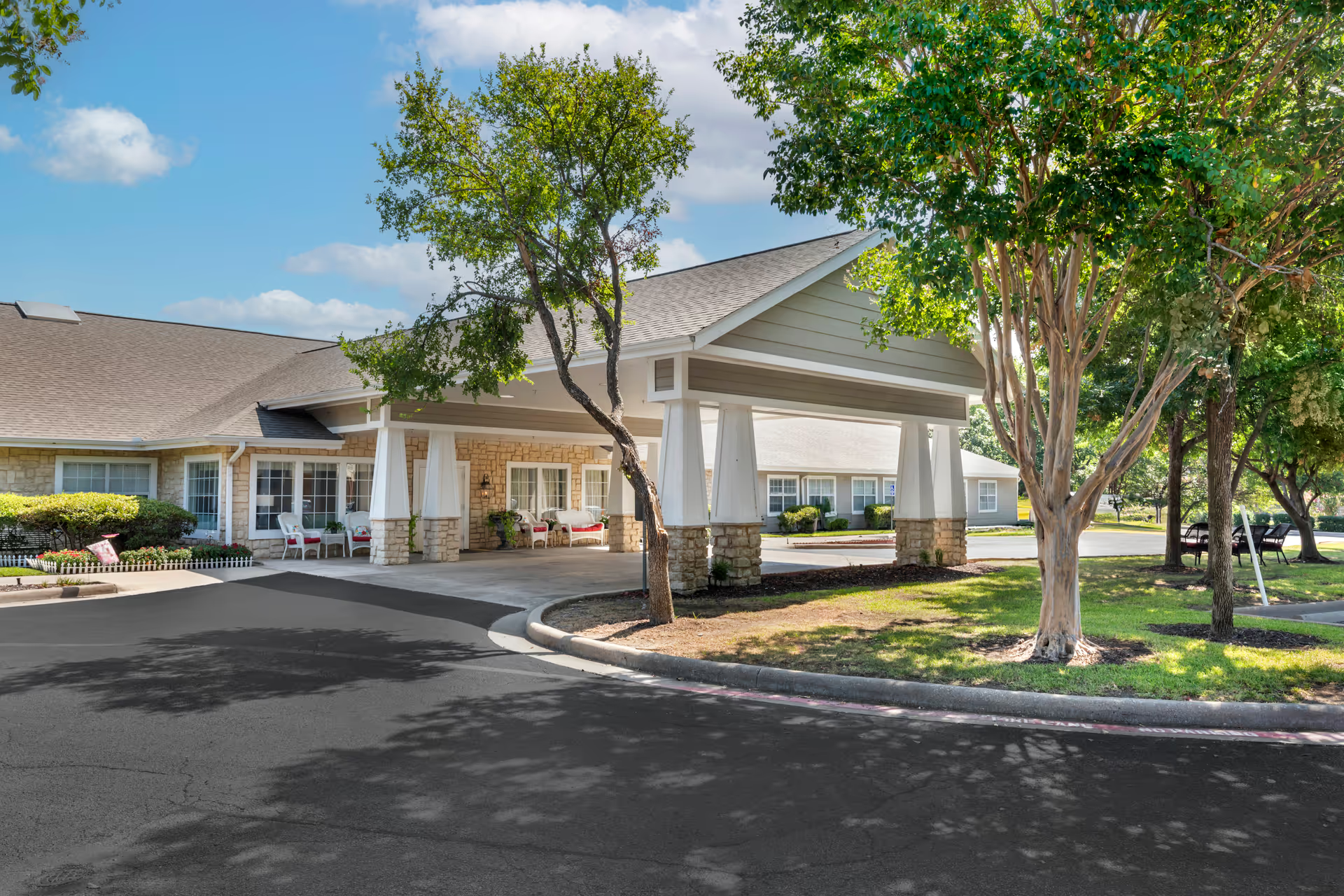
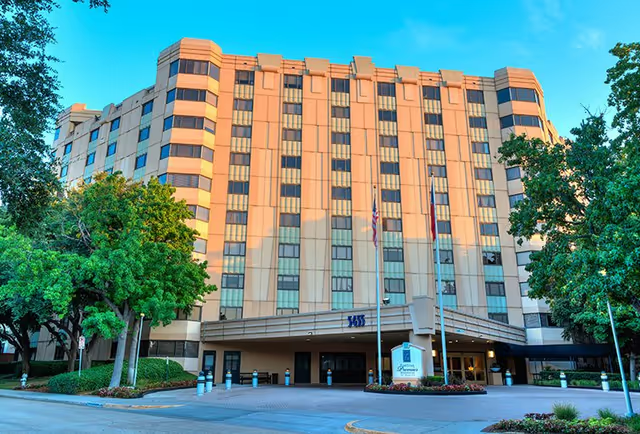
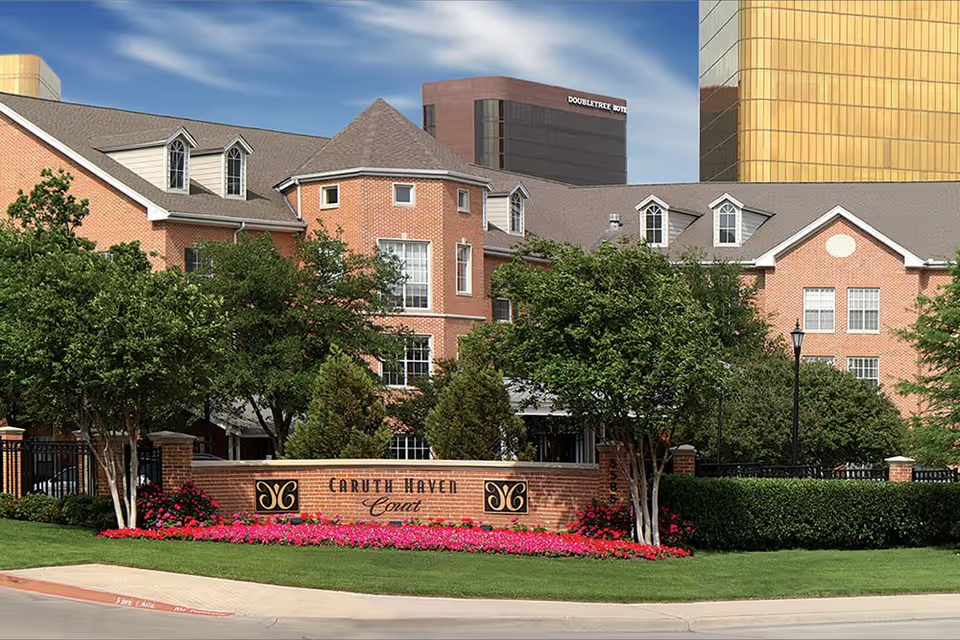
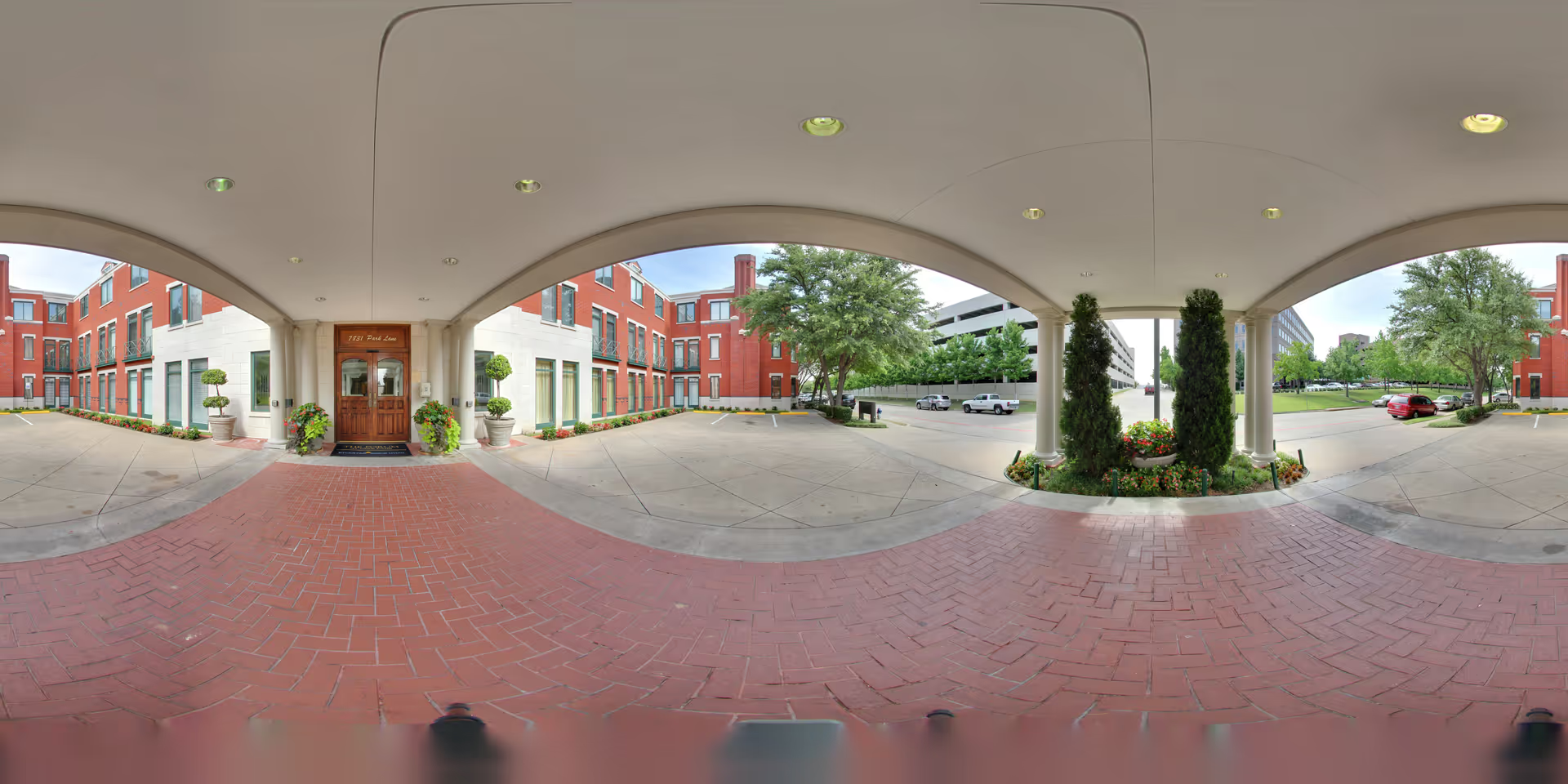
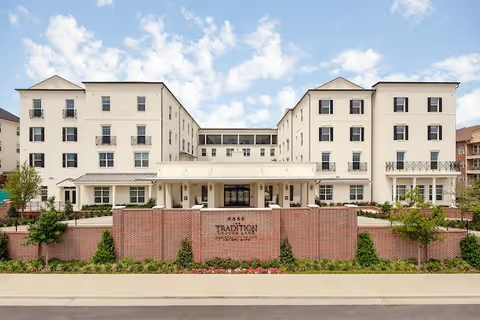
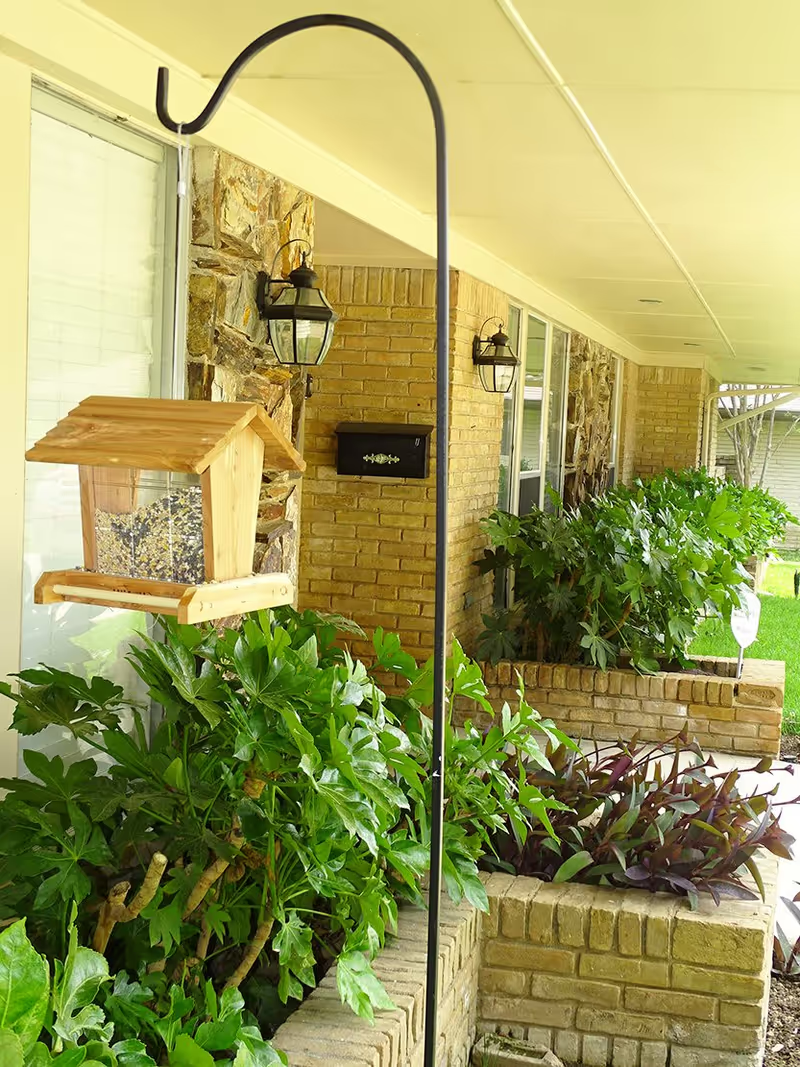
Reviews of Five Points at Lake Highlands present a strongly polarized picture: a combination of clearly praised clinical and rehabilitative strengths alongside recurring operational and communication weaknesses. Many families and patients described high-quality therapy services, attentive wound care, and engaged nursing and caregiver staff. The facility’s therapy gyms, recent renovations, and pleasant campus setting are frequently cited as positive elements that support rehabilitation and resident comfort. Administrators and the Director of Nursing receive repeated positive mention for hands-on involvement and accessibility, and social-work and activities staff are often described as proactive and inclusive.
At the same time, a number of reviews raise substantive clinical-safety and operational concerns. These center on inconsistent medication administration and gaps in clinical monitoring (for example, missed vital checks and delays in insulin or other treatments), uneven staffing levels—particularly on weekends—and variability in basic care tasks such as bathing and timely incontinence-related assistance. Some reviewers report delays in arranging specialty or urgent medical care and problems with documentation and family notification following incidents. A limited number of accounts allege serious record-access and communication problems that families found troubling.
Dining and activities feedback is mixed. Many residents and families praise meals and the breadth of activities, while others describe cold or repetitive meals and inconsistent encouragement or assistance at mealtimes. The activities program is generally seen as a strength when properly staffed, though some reviewers requested broader outreach and more visiting groups. Housekeeping and common-area maintenance are praised in multiple accounts, but parallel concerns appear about sanitation, pest-control issues in certain units, and occasional environmental maintenance problems such as missing safety rails or HVAC interruptions.
Staff culture and professionalism are described as highly variable. Numerous reviews highlight compassionate, skilled CNAs, nurses, and therapists who ‘‘go above and beyond,’’ and leadership is regularly credited for responsiveness and visible presence. Conversely, other reviewers report unresponsive or curt staff interactions, slow call-bell response, and inconsistent adherence to professional standards. Property-control weaknesses are also evident in reports of missing personal items and billing disputes, indicating a need for stronger inventory and family-communication protocols.
Management impressions are similarly mixed: some families emphasize an involved, communicative administration that resolves issues quickly; others describe front-desk filtering of calls, slow follow-up on clinical issues, and insufficient incident reporting. There are isolated, serious allegations regarding record handling and clinical outcomes; such allegations warrant careful investigation and follow-up with facility leadership and regulators where appropriate.
Overall, Five Points at Lake Highlands appears to offer strong rehabilitative and caregiving capabilities in many cases, supported by good therapy resources, engaged leadership, and a pleasant physical environment. However, recurring operational themes—staffing variability, inconsistent clinical monitoring and medication administration, documentation and family-communication gaps, sanitation and property-control issues—create notable risk factors that prospective residents and families should evaluate. For those considering the facility, recommended steps include direct conversations with leadership about staffing patterns and incident reporting, review of the care plan and medication-administration protocols, and close observation of hygiene, meal service, and weekend coverage during any trial stay or visit.