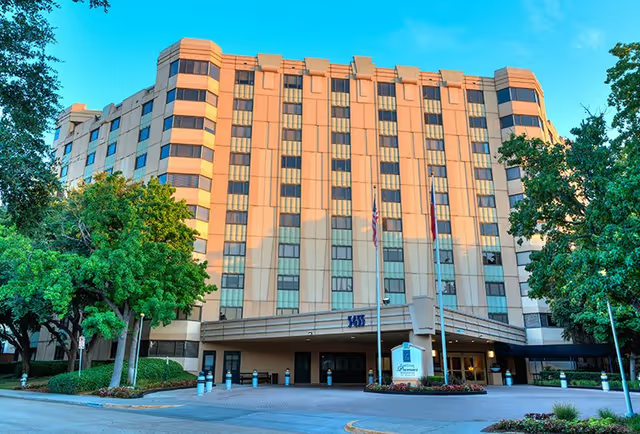
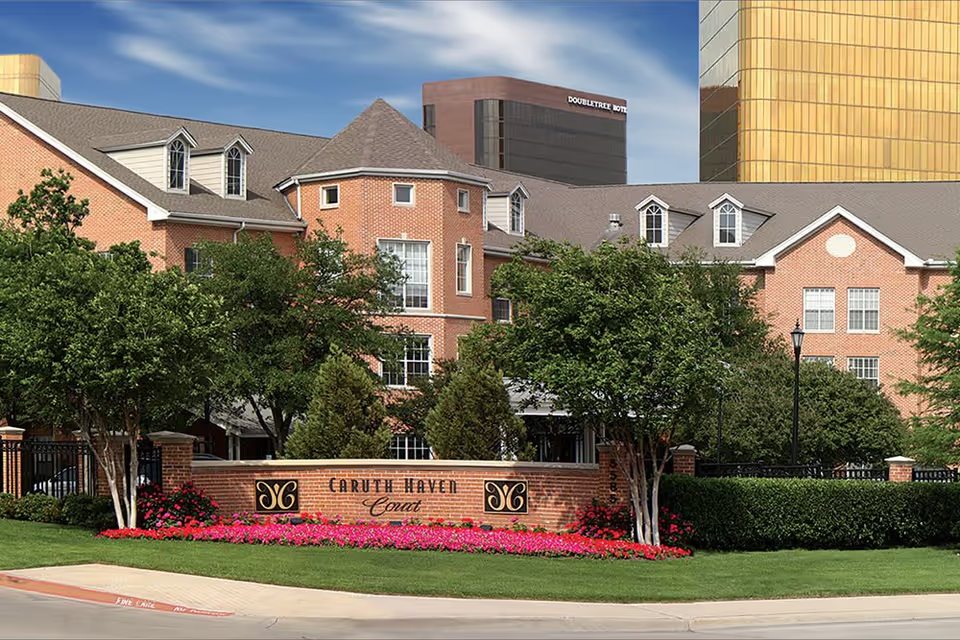
The Villages of Lake Highlands elicits a polarized set of impressions: many families and residents praise the facility’s rehabilitation and therapy capabilities, its attractive environment, and the attentiveness of specific caregivers and administrators, while other families report recurring operational shortcomings that affected clinical safety and daily comfort.
Care quality and clinical services: Physical, occupational, and speech therapy are consistently highlighted as a major strength. Reviewers describe rapid functional gains, knowledgeable therapists, and a well-equipped rehab gym. Nursing and caregiver performance is mixed: numerous accounts commend compassionate CNAs and some skilled nurses, yet recurring concerns center on inconsistent nursing coverage, delays responding to call lights, and variability in medication administration and documentation. Several accounts raise clinical-safety concerns—including wound management, infection follow-up, and post-discharge communication—indicating uneven adherence to care plans and the need for closer oversight in certain clinical areas.
Staff and communication: Many reviewers emphasize caring, engaged frontline staff and responsive case managers or social workers who facilitate transitions and communicate well with families. Conversely, other reports describe poor responsiveness, inconsistent bedside assistance, and variable professionalism among staff at different shifts. Communication breakdowns with external physicians and lapses in follow-up after hospital transfers are recurring themes. Leadership visibility is variable: some families note hands-on managers and demonstrable improvement after management changes, while others experienced slow or insufficient administrative follow-up.
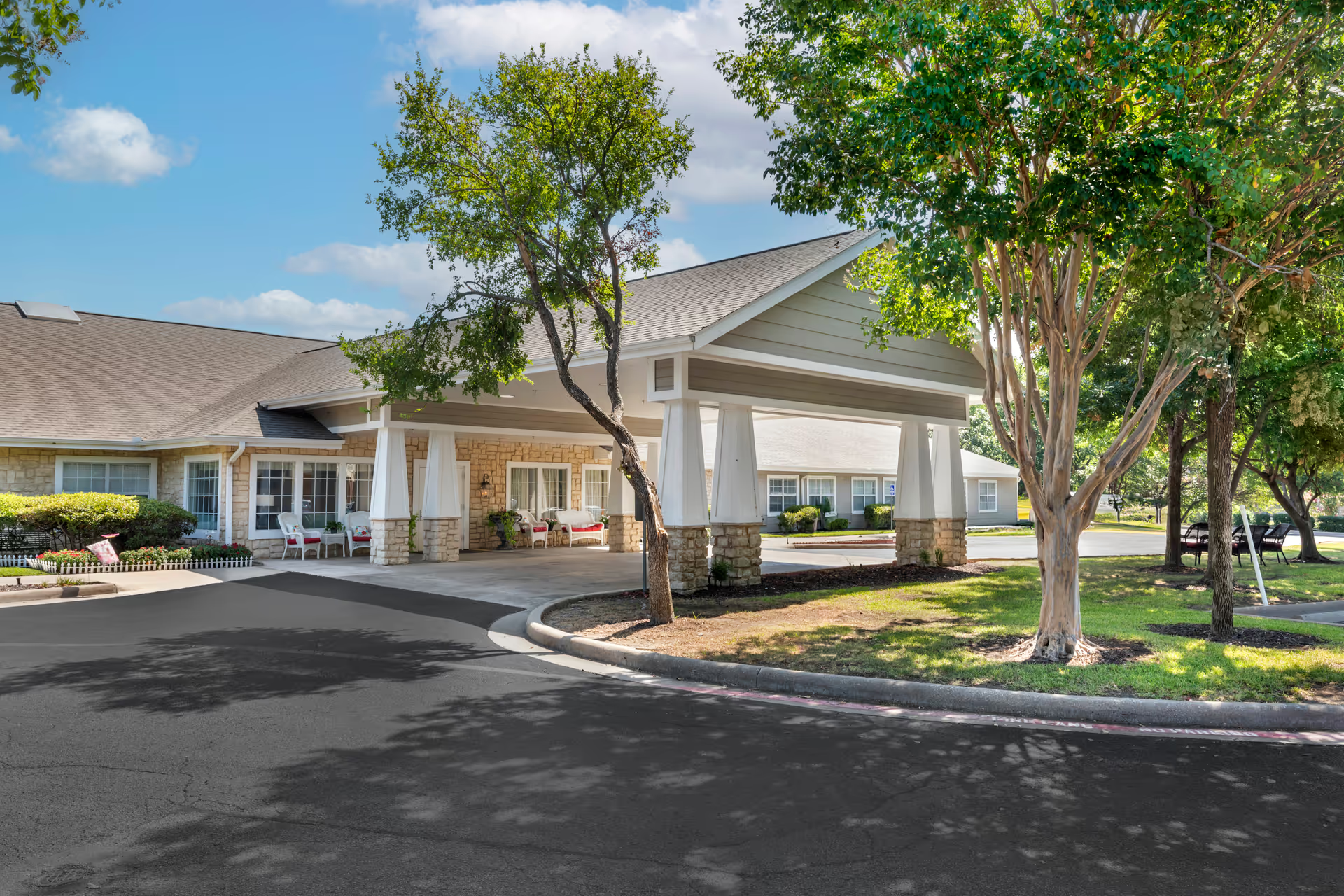
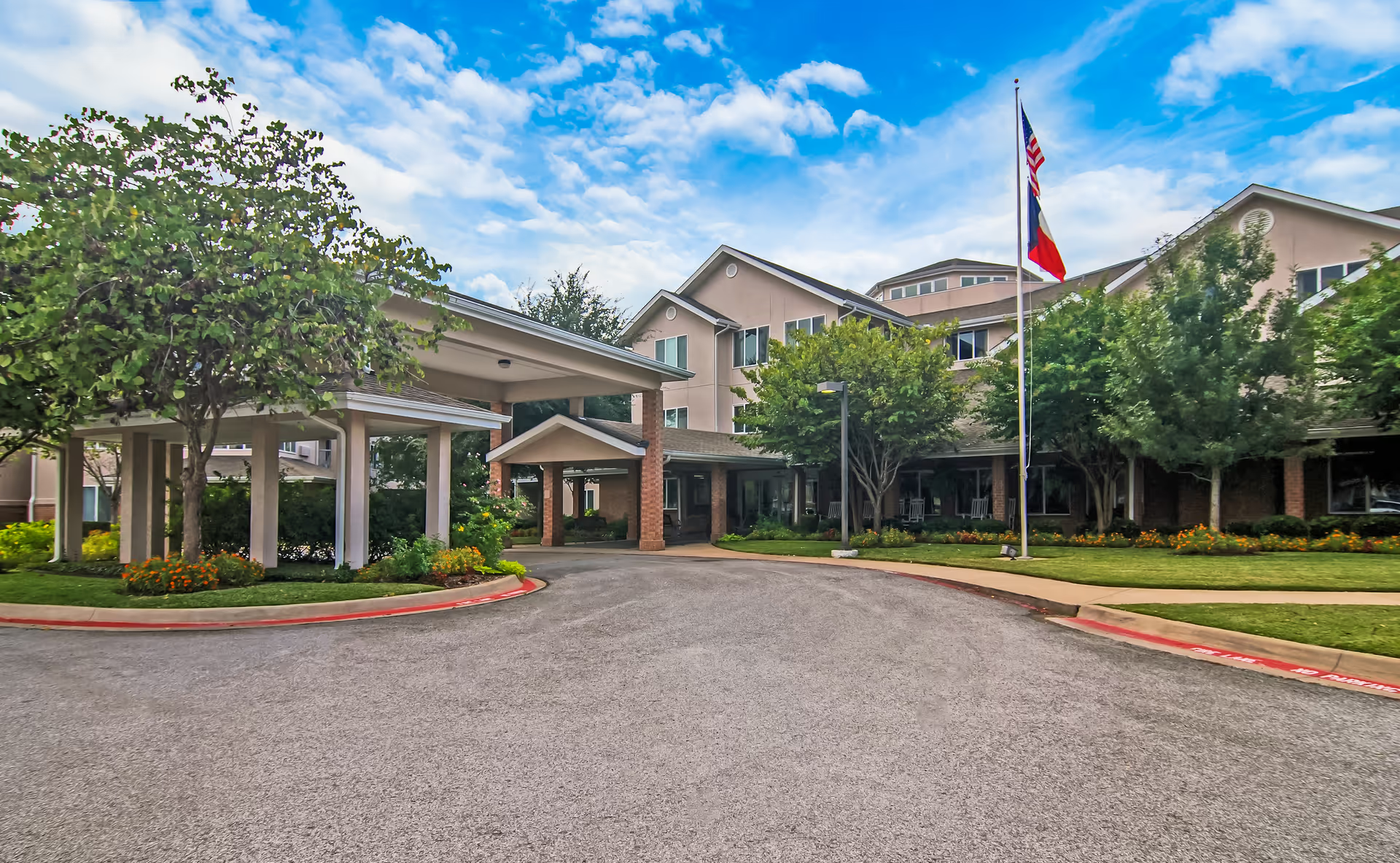
Dining, housekeeping, and facilities: The facility’s physical environment is a consistent positive—clean, modern interiors, attractive courtyards, and a restaurant-style dining room are frequently praised. Activity programming is robust, with frequent events, therapy-linked activities, and a proactive activities team. However, meal execution is inconsistent: while some residents enjoy high-quality dining, others experienced cold or incorrect meals and problems with therapeutic/diabetic meal implementation. Housekeeping and laundry follow-through are likewise uneven, with specific reports of delayed linen changes and sanitation concerns that suggest variable housekeeping reliability.
Management and notable patterns: A clear pattern in the reviews is variability over time and across units or shifts. Several positive reports attribute strong experiences to particular clinicians, case managers, or a change in management; many negative reports describe understaffing periods, especially nights and weekends, that drive the majority of operational failures. There are also isolated but serious allegations related to documentation, assessment practices, and clinical incidents that prompted regulatory attention in at least some accounts; these warrant direct inquiry during any family evaluation.
Advice for prospective families: The facility offers strong rehabilitation services, a welcoming physical environment, and active programming, so it can be an excellent option for therapy-focused stays or for residents who benefit from an engaged activities program. Given the variability described, prospective residents and families should observe nurse staffing levels during different shifts, ask about medication-administration and wound-care protocols, review therapeutic meal planning for dietary needs, and seek examples of recent quality-improvement actions taken by leadership. Requesting names of primary caregivers, clarifying escalation pathways for clinical concerns, and confirming housekeeping and linen processes can help set expectations and reduce the risk of negative experiences.