Experiences at The Villages of Lake Highlands vary considerably. Rehabilitation is one of the clearest strengths across the reviews: patients and families frequently praise physical, occupational, and speech therapy for knowledgeable, encouraging staff and individualized work toward mobility and daily-living goals. Many describe meaningful progress after surgery or hospitalization, and some value the availability of outpatient therapy. Positive accounts also describe skilled nursing, memory care, assisted living, and hospice support, though the quality of day-to-day nursing care is much less consistent across experiences.
Staff members are often described as warm, patient, and personally invested in residents. Families particularly appreciate approachable administrators, social workers, case managers, and staff who help with care planning, insurance questions, and transitions. However, other accounts describe limited staffing, especially at night and on weekends, slow responses to call lights, and inconsistent assistance with routine needs. Concerns also recur about medication administration, following clinical instructions, monitoring changes in health, and coordinating with families or outside clinicians. Some families describe serious complications they associate with gaps in these processes; these accounts contrast with other families’ experiences of attentive, proactive care.
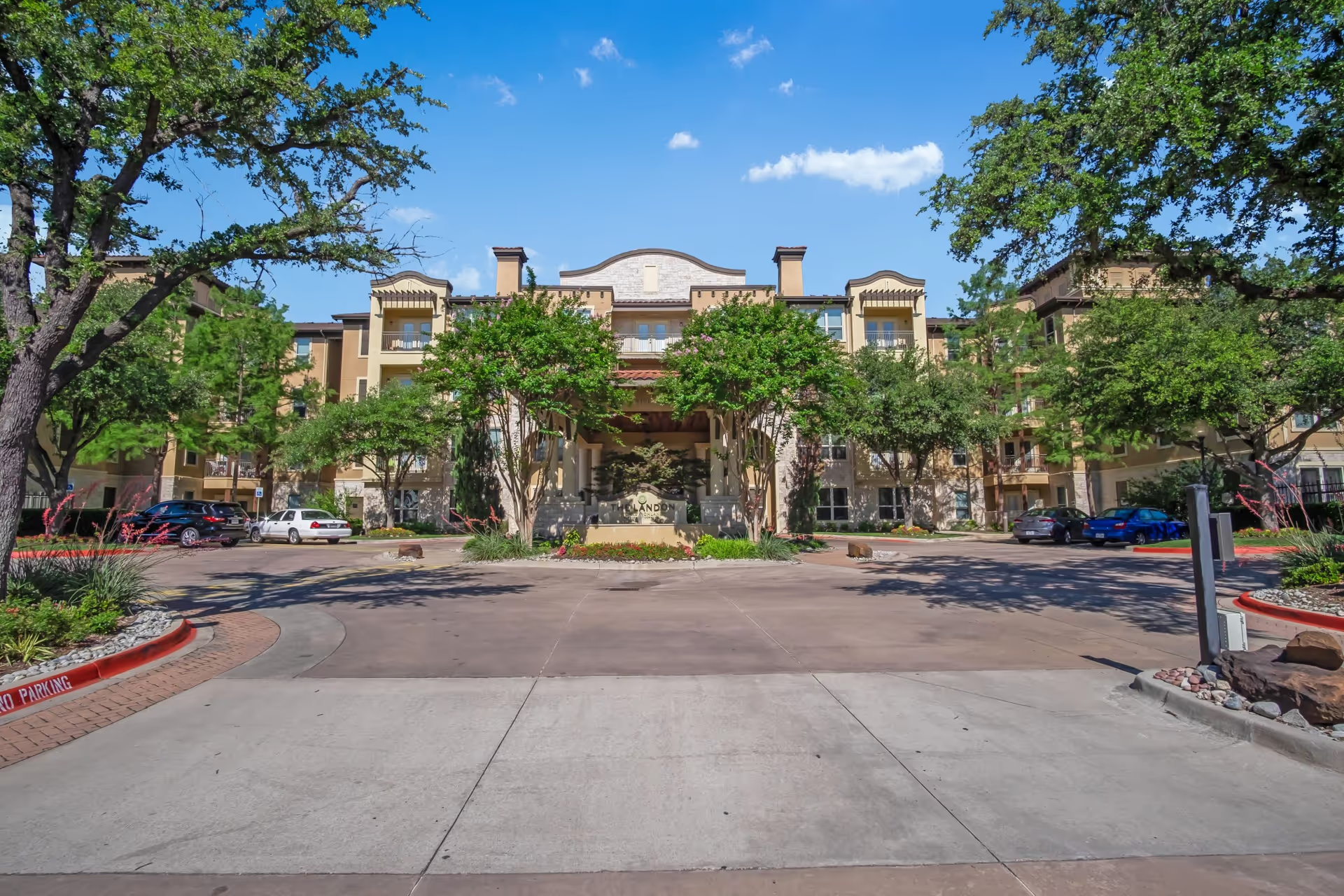
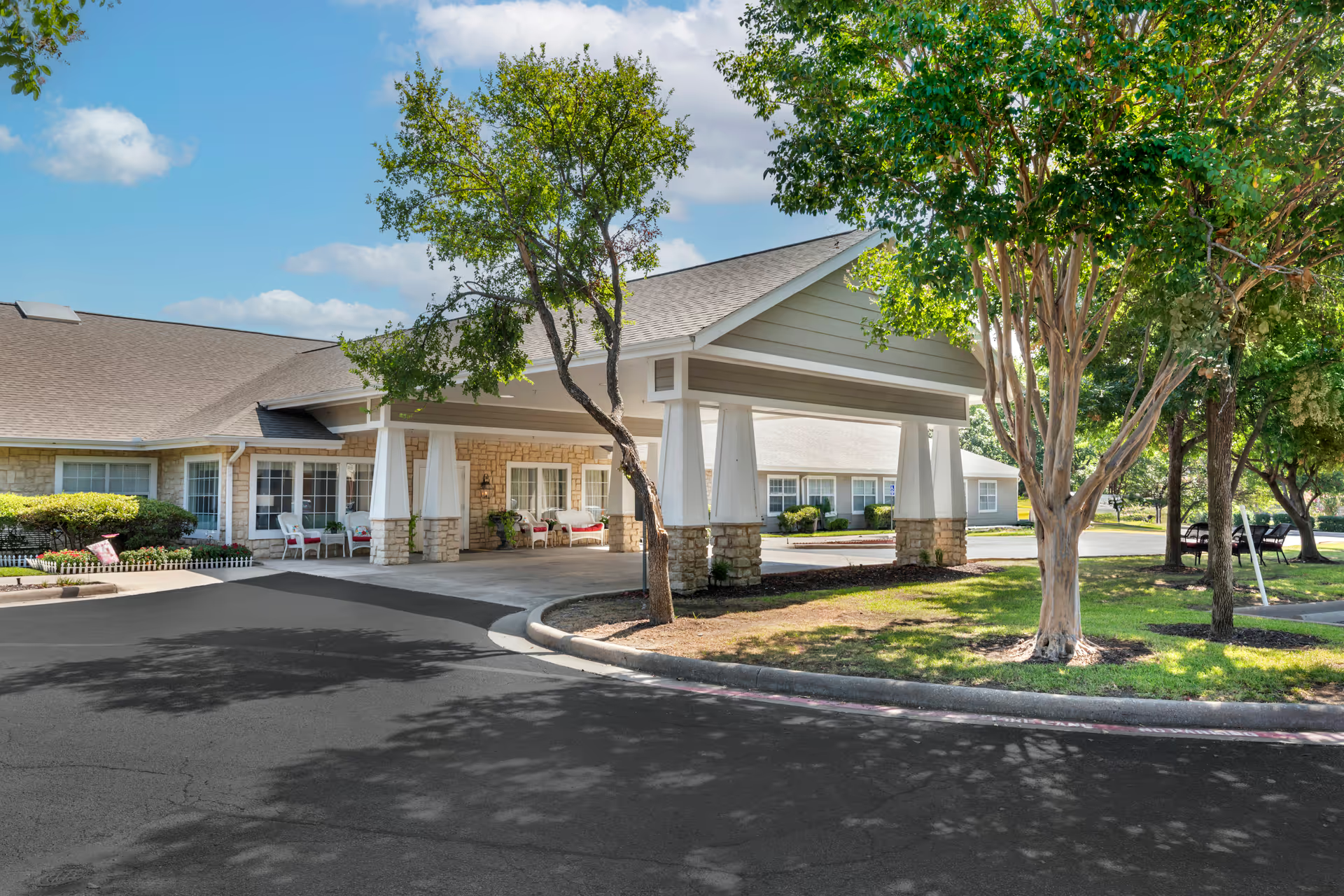
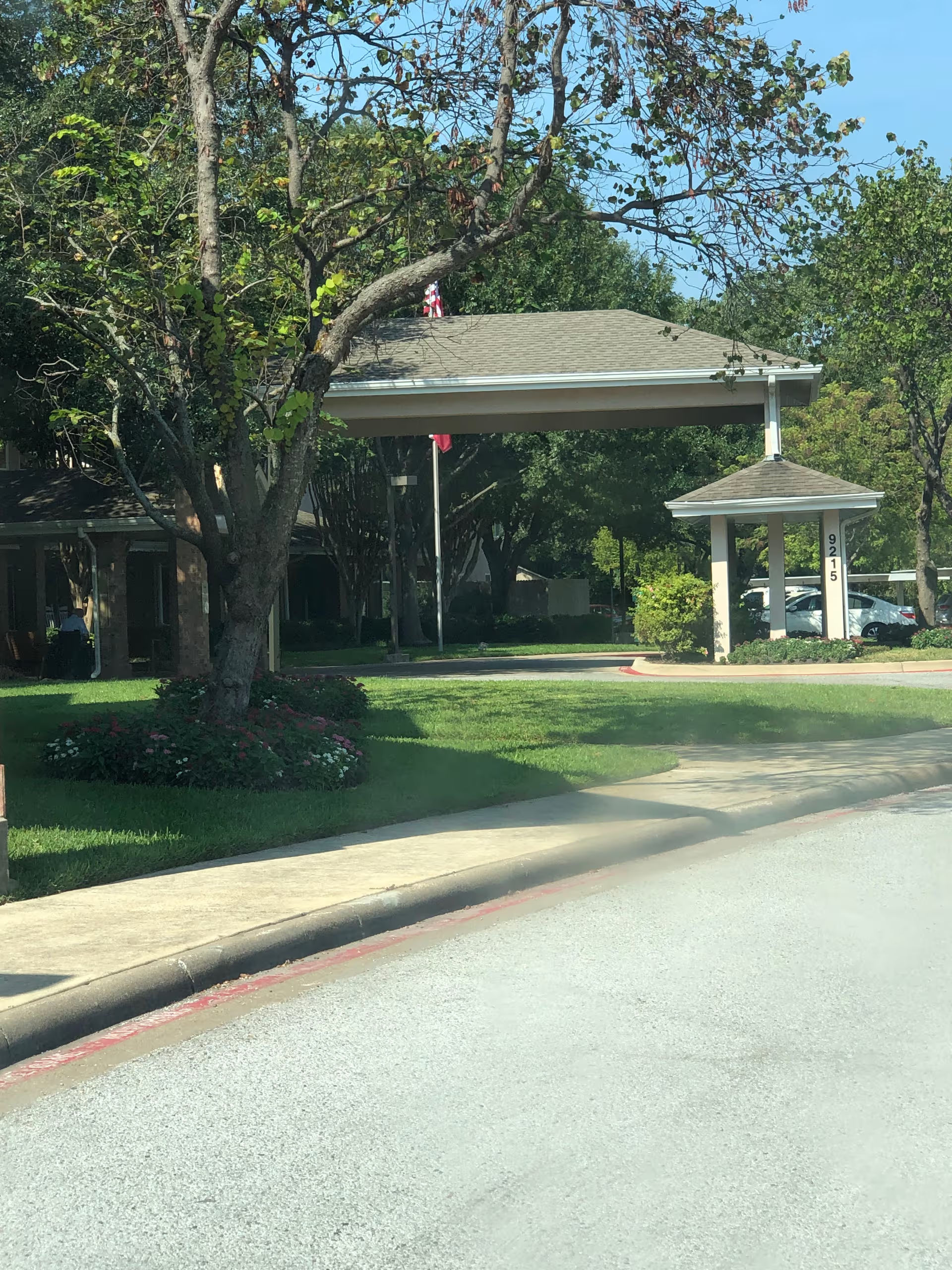
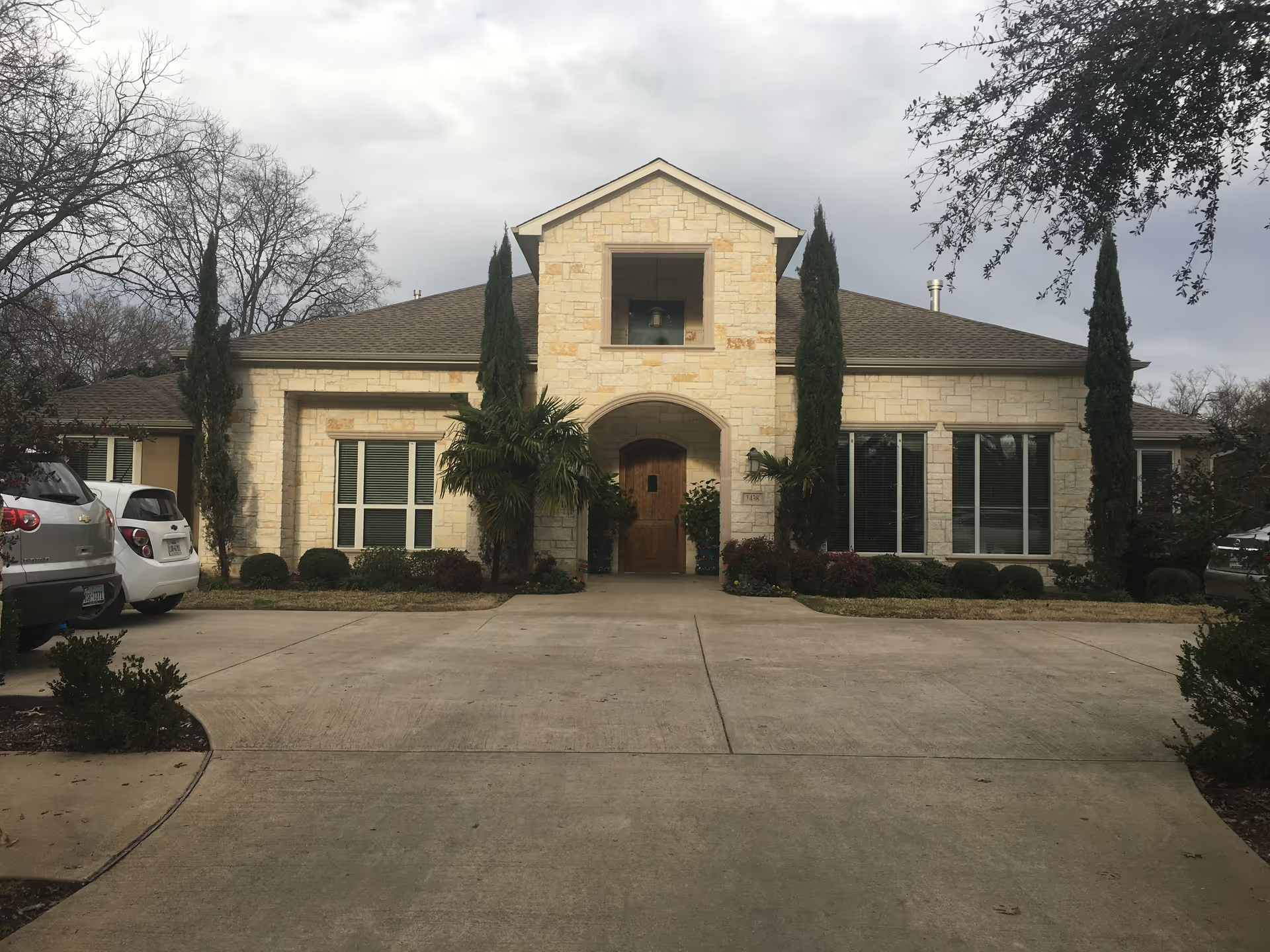
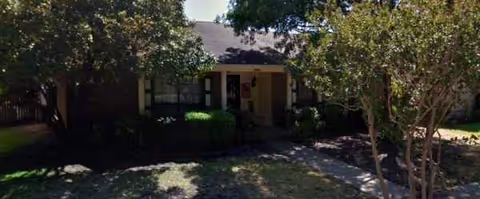
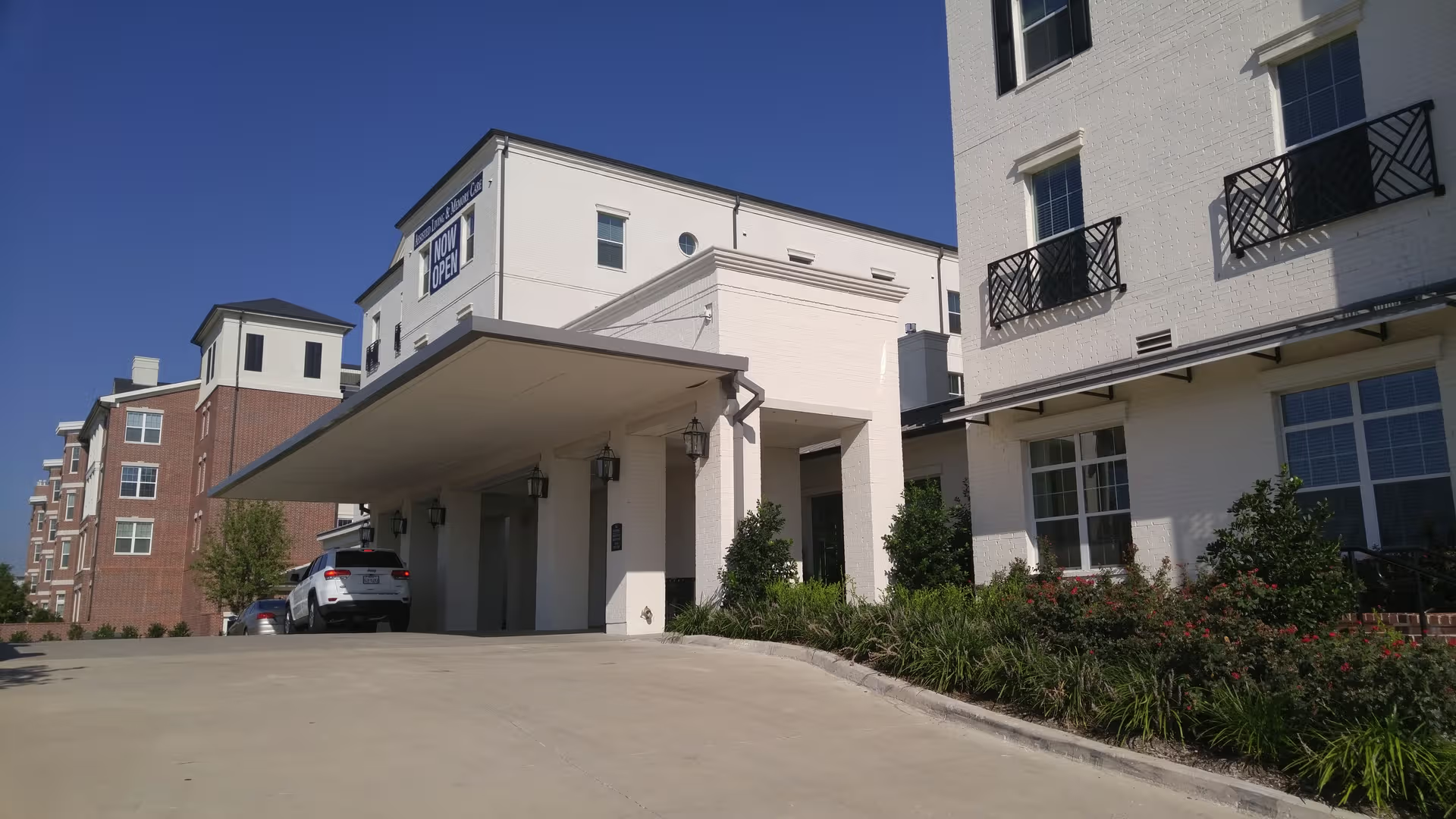
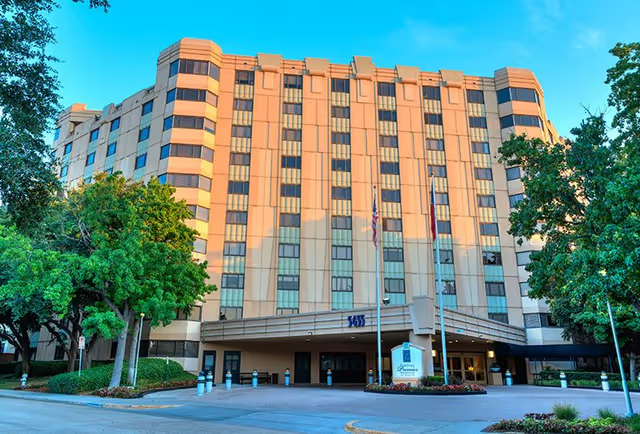
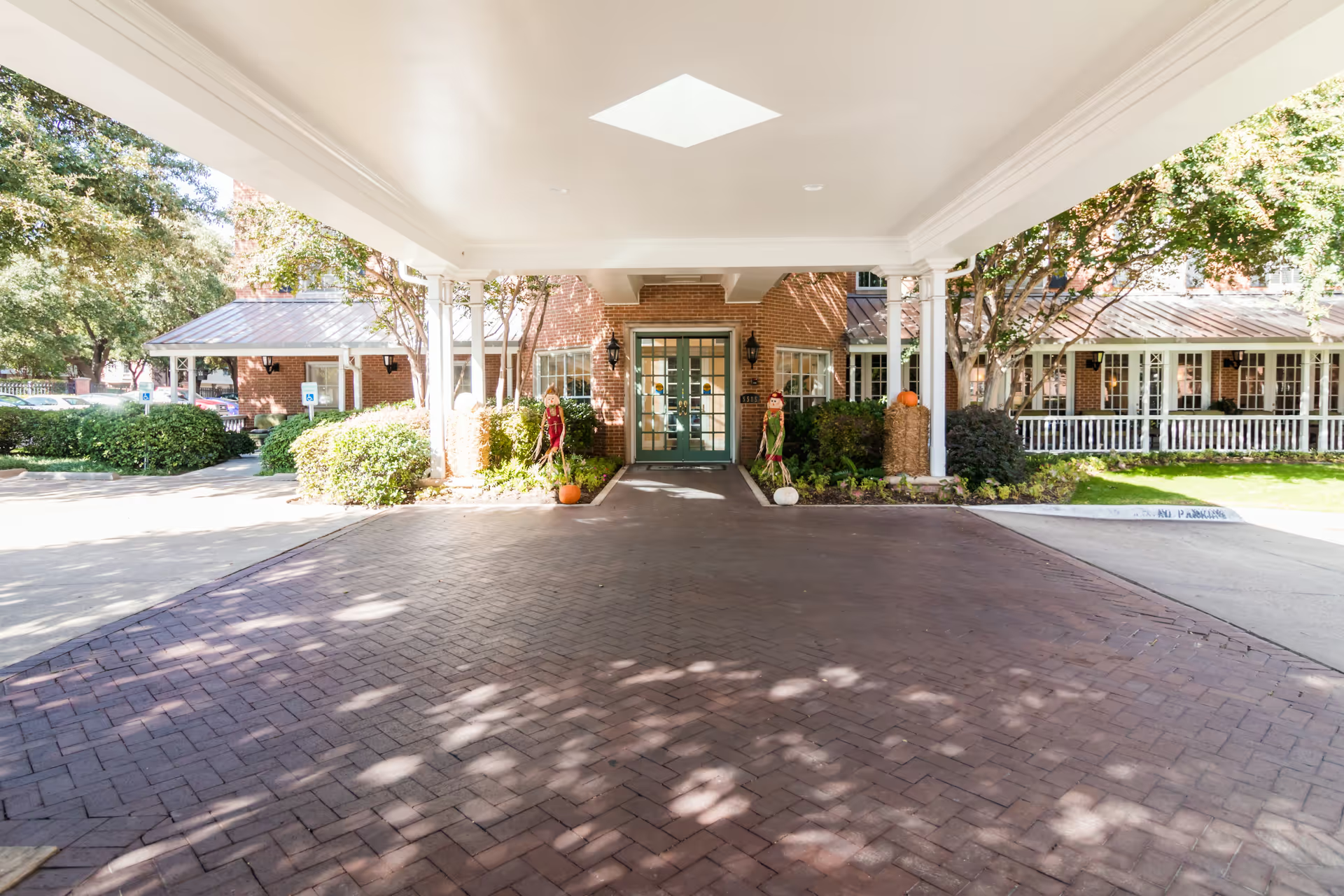
The setting is frequently praised for its landscaping, courtyards, dining areas, and welcoming common spaces. Many reviewers find rooms clean and comfortable, while others describe housekeeping or maintenance shortcomings; opinions also differ on whether the building feels upscale or dated. Dining experiences are similarly mixed: some residents and families praise the food, menu options, and staff flexibility, while others describe cold or unappealing meals, missed deliveries, and difficulty accommodating dietary needs. Activities are a notable positive, with regular games, music, celebrations, outings, and memory-care programming described as helping residents stay engaged and connected.
Management and communication receive both strong praise and significant criticism. Some families report accessible leaders who respond quickly and resolve concerns, while others describe difficulty reaching decision-makers, limited follow-up, or challenges with discharge and insurance coordination. Reviews spanning different periods also mention management changes and improvement over time. End-of-life experiences include accounts of compassionate support, alongside a family’s concerns following a resident’s death. Overall, the facility’s rehabilitation and activity programs are frequently well regarded, but reports of inconsistent staffing and clinical follow-through make it important for prospective residents and families to discuss care needs, coverage by shift, medication processes, and communication expectations directly with the facility.