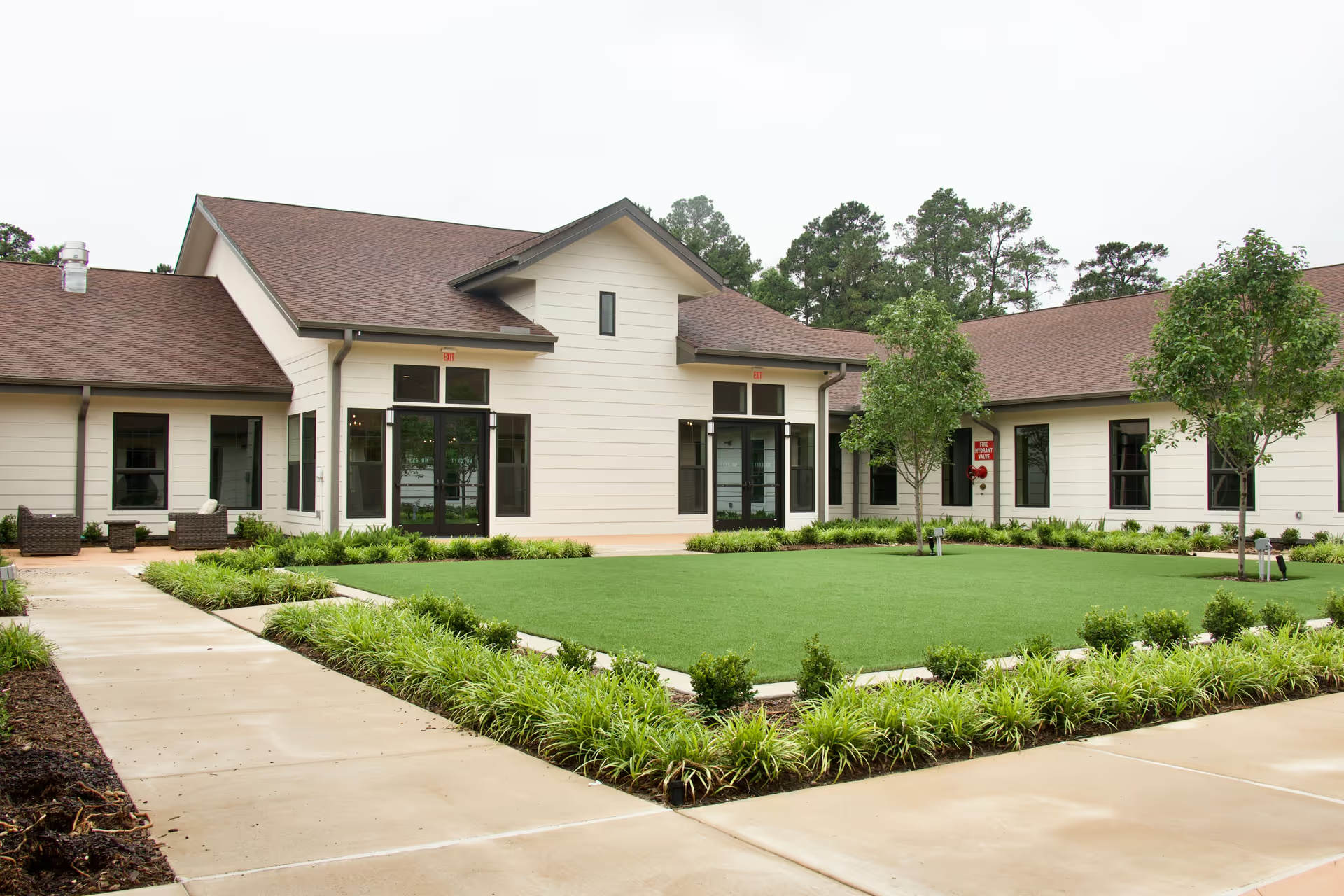
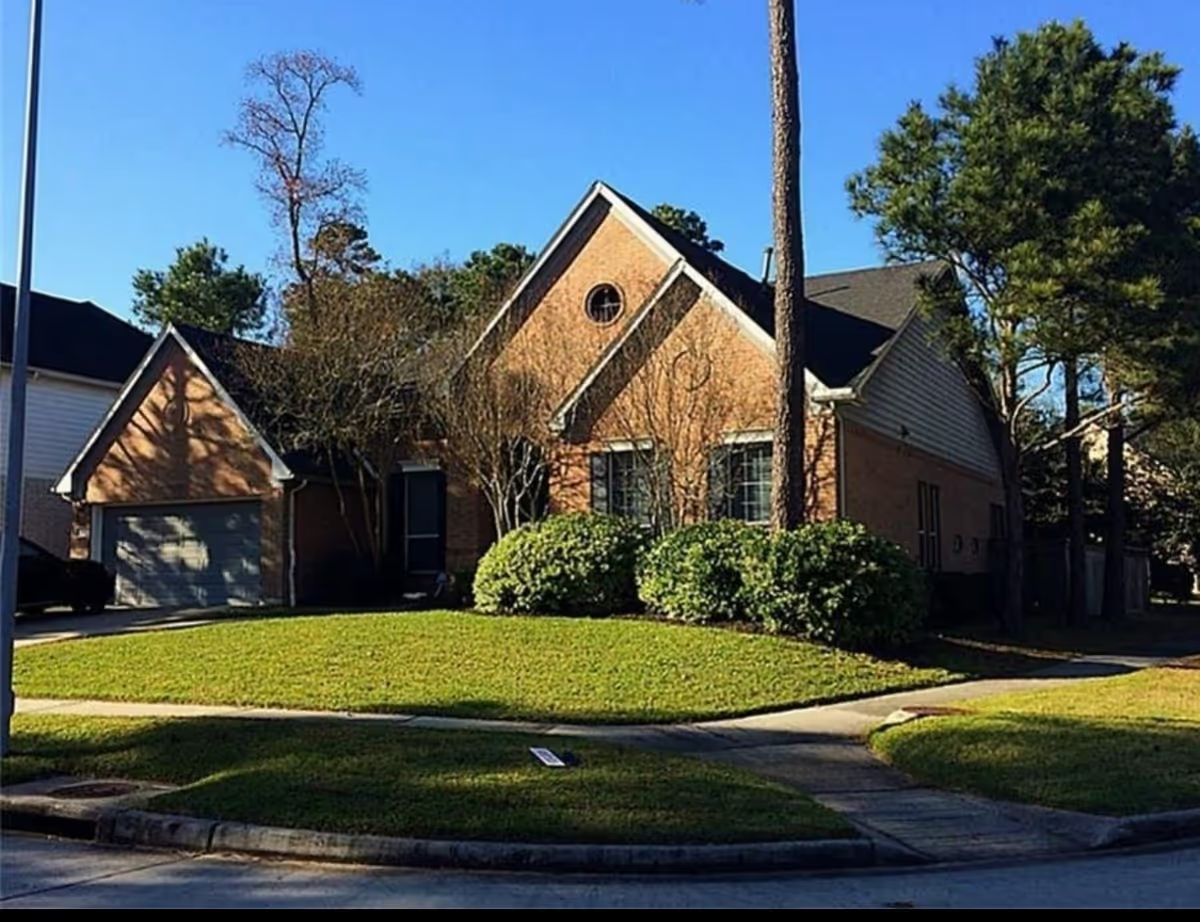
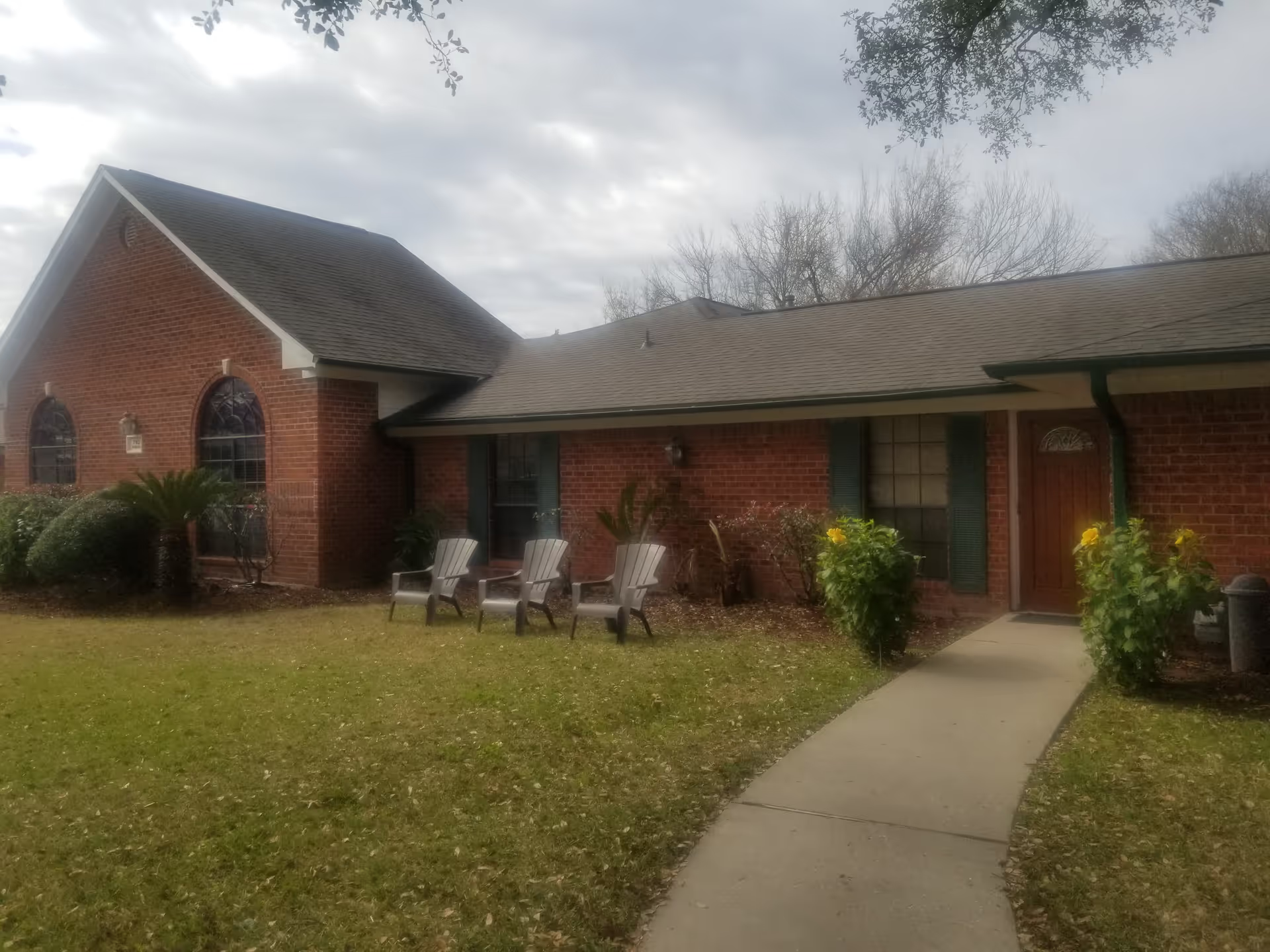
Brighter Days Assisted Living is described largely as a small, family-style, one-story residence with a homelike atmosphere. Reviewers consistently note features associated with that model: private rooms and bathrooms, a large communal kitchen and dining area, accessible indoor layout, and a generously sized outdoor patio and yard. The facility is presented as licensed and inspected, and many comments emphasize affordability relative to the setting.
Care and staff performance are a focal point with divergent impressions. Numerous accounts praise a caring, dedicated team that provides attentive, family-oriented service and consistent caregivers. These reviewers highlight compassion, training, and a sense of continuity that fits the small-house model. Conversely, several comments raise serious concerns about staff conduct, responsiveness, and how sanitation-related tasks are handled; some of these accusations are significant enough that reviewers used the term "allegations." This polarization suggests variability in staff behavior or supervision rather than a uniformly applied standard of care.
Dining and facilities receive frequent positive mention. The facility’s large kitchen, social dining table, and family-style cookouts are repeatedly noted as strengths. Private bedrooms and en-suite bathrooms are cited as attractive features, and the property’s outdoor amenities (patio, yard, tree-shaded walking area) support outdoor activity and family visits. Accessibility for wheelchair users is also noted.
Activity programming appears inconsistent across accounts. Many reviewers report regular games, exercise programs, bingo, puzzles, and planned outings (including resumption of outings after the COVID period), which align with an active, home-like environment. Other comments indicate few activities or unclear scheduling, implying variability in programming intensity that may depend on staffing levels or resident mix.
Management and operational patterns are mixed. Positive notes describe a family-run, well-staffed environment focused on resident enrichment and safety; other comments point to unclear ownership or identity issues and limited transparency in how certain incidents are handled. Some reviewers mention planned or existing measures to address wandering and security, while others perceive gaps in these systems. There are also reports suggesting staff terminations related to internal disputes, which may reflect conflict over policy enforcement or reporting practices.
Notable patterns for prospective families: the facility’s small scale yields a homelike atmosphere, strong communal dining, and accessible grounds, but it also appears sensitive to staffing variability. Before deciding, families should verify staffing ratios and supervision protocols, review the facility’s sanitation and incontinence-care policies, clarify ownership/branding and recent inspection records, ask about security measures for residents with wandering risk, and request a sample activities schedule and recent menus. These steps can help reconcile the divergent accounts and assess whether Brighter Days’ operational practices match your expectations for safety, consistency, and engagement.