The reviews describe a facility with mixed operational performance. Clinical nursing care and dietary services are highlighted as relative strengths; several comments emphasize competent nurses and a kitchen staff that meets basic needs. At the same time, there are recurring concerns about leadership, administration, and the front office that affect families’ overall trust in the facility.
Care quality observations are mixed. Nursing staff are described positively, suggesting clinical tasks and routine care are carried out acceptably. However, there are multiple indications of concerns about staff conduct and responsiveness at the administrative and aide levels — for example, complaints about lack of receptivity when residents raise issues and reports of aides leaving their positions. Those patterns point to possible gaps in supervisory support and workforce stability that could affect continuity of day-to-day assistance.
Staffing appears bifurcated: clinical caregivers and kitchen personnel receive favorable comments, while office and management personnel are characterized as problematic. Front-desk and administrative interactions are described as a frequent source of frustration, with specific complaints about billing, payment handling, and communications regarding Medicare/Medicaid coverage. Several reviews describe confusing or adversarial financial interactions and delays in resolving unpaid-bill or authorization questions, indicating a need for clearer financial processes and family-facing communication protocols.
Dining receives generally positive notes because of the kitchen staff, but there is limited information about activity programming or social engagement in the available summaries. The absence of comments about activities suggests either they are not a focus of reviewers or programming is inconsistent and not prominent in family impressions.
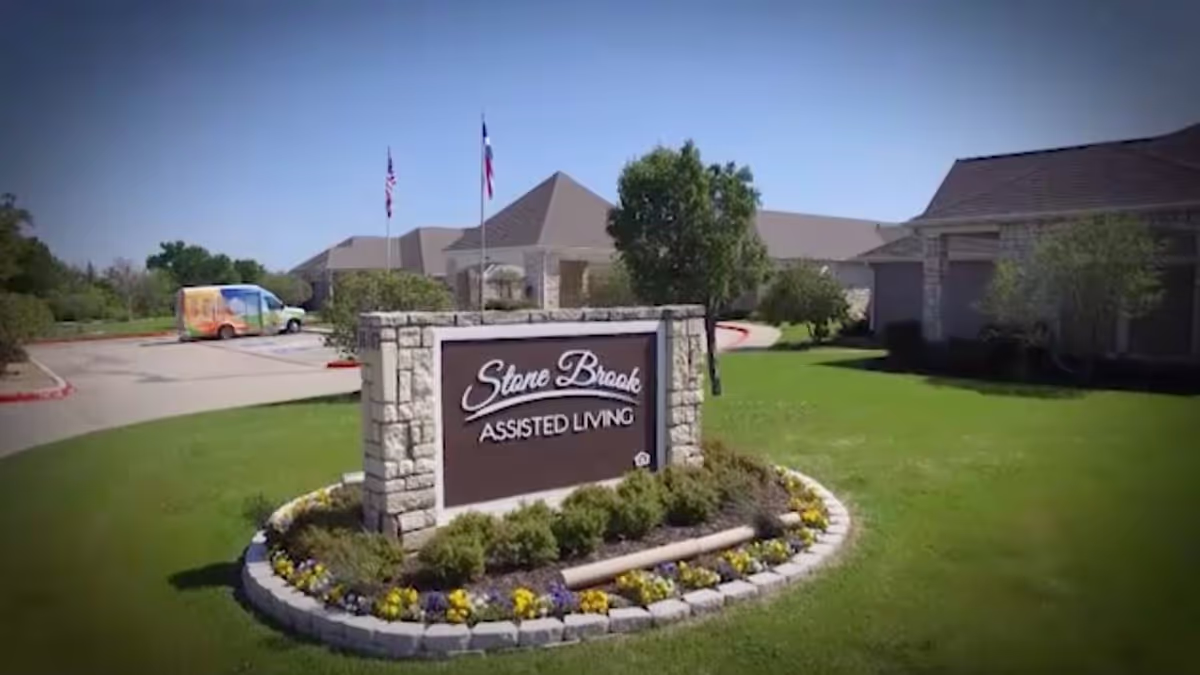
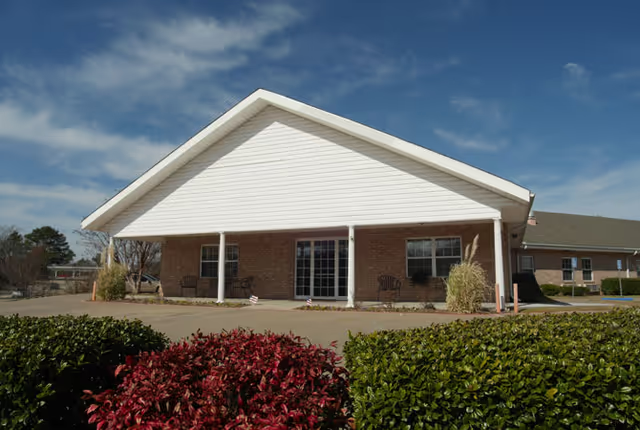
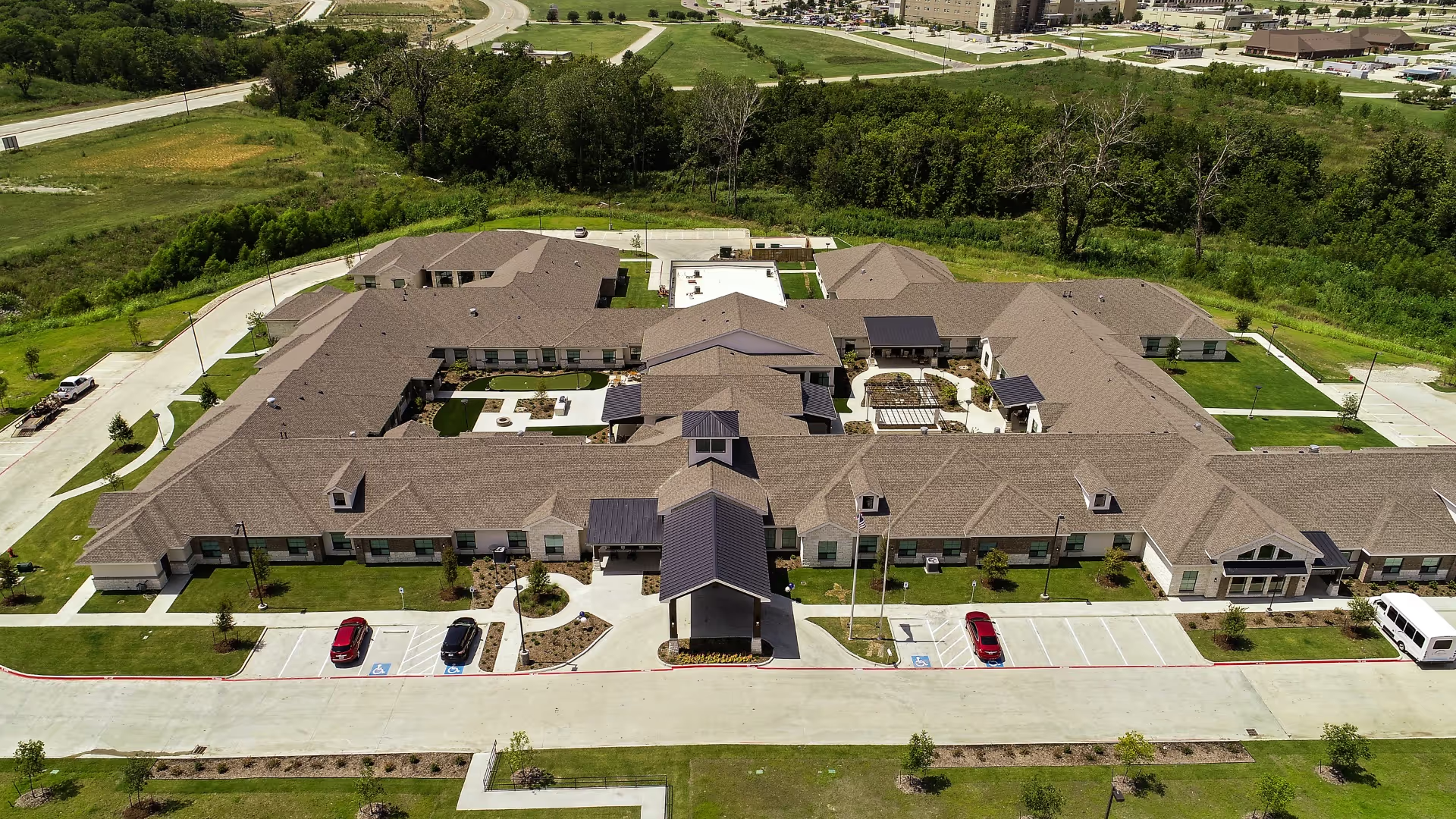
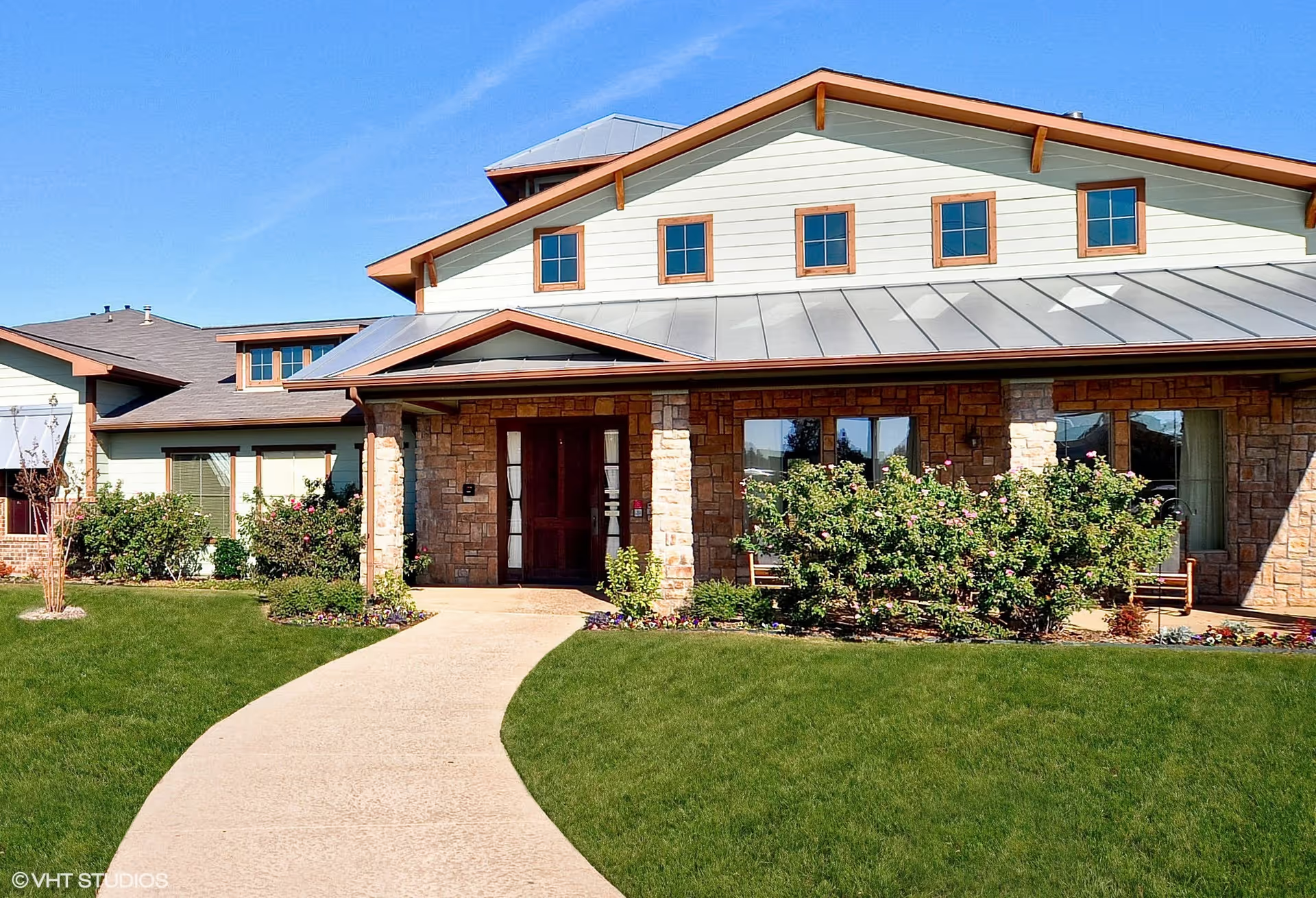
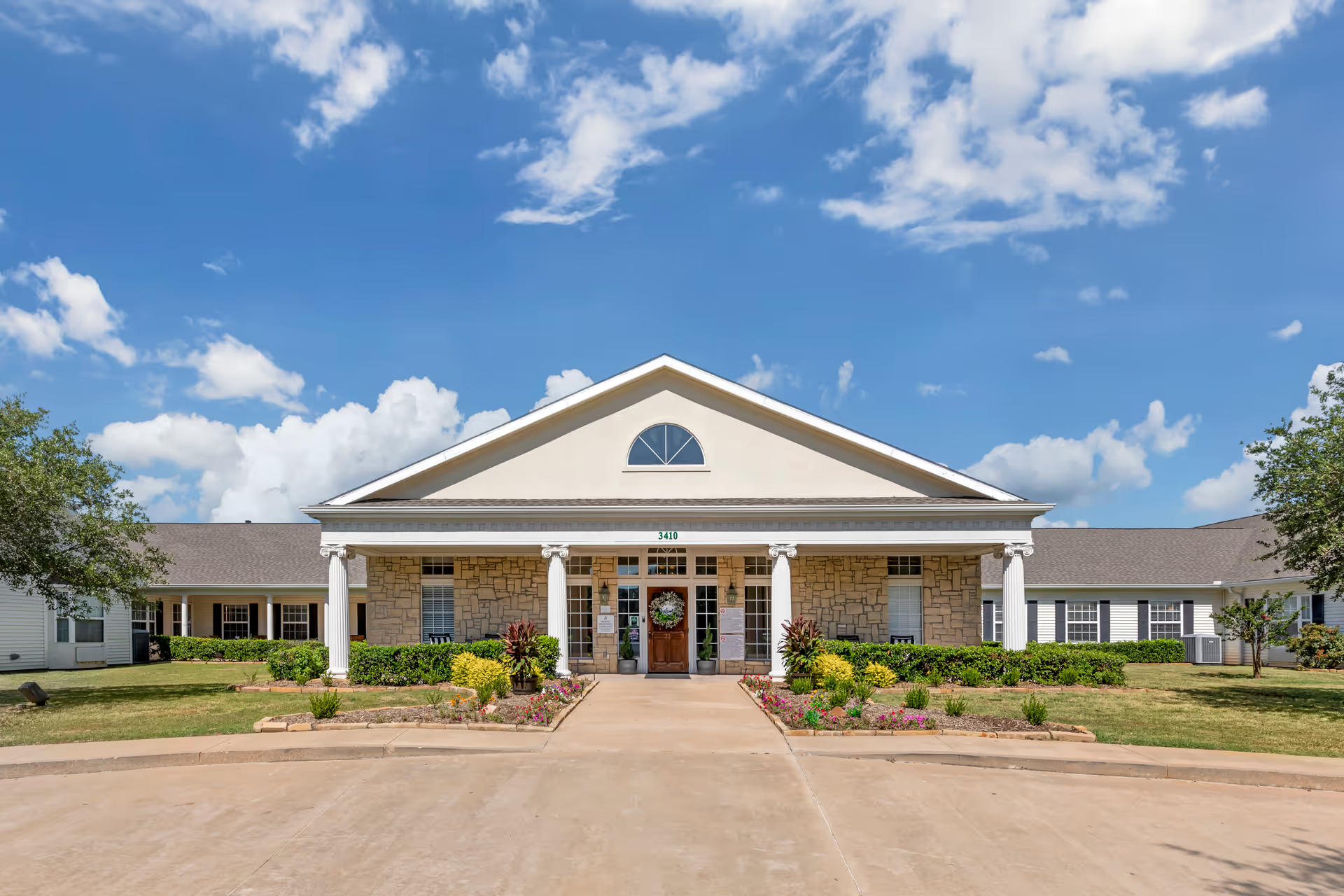
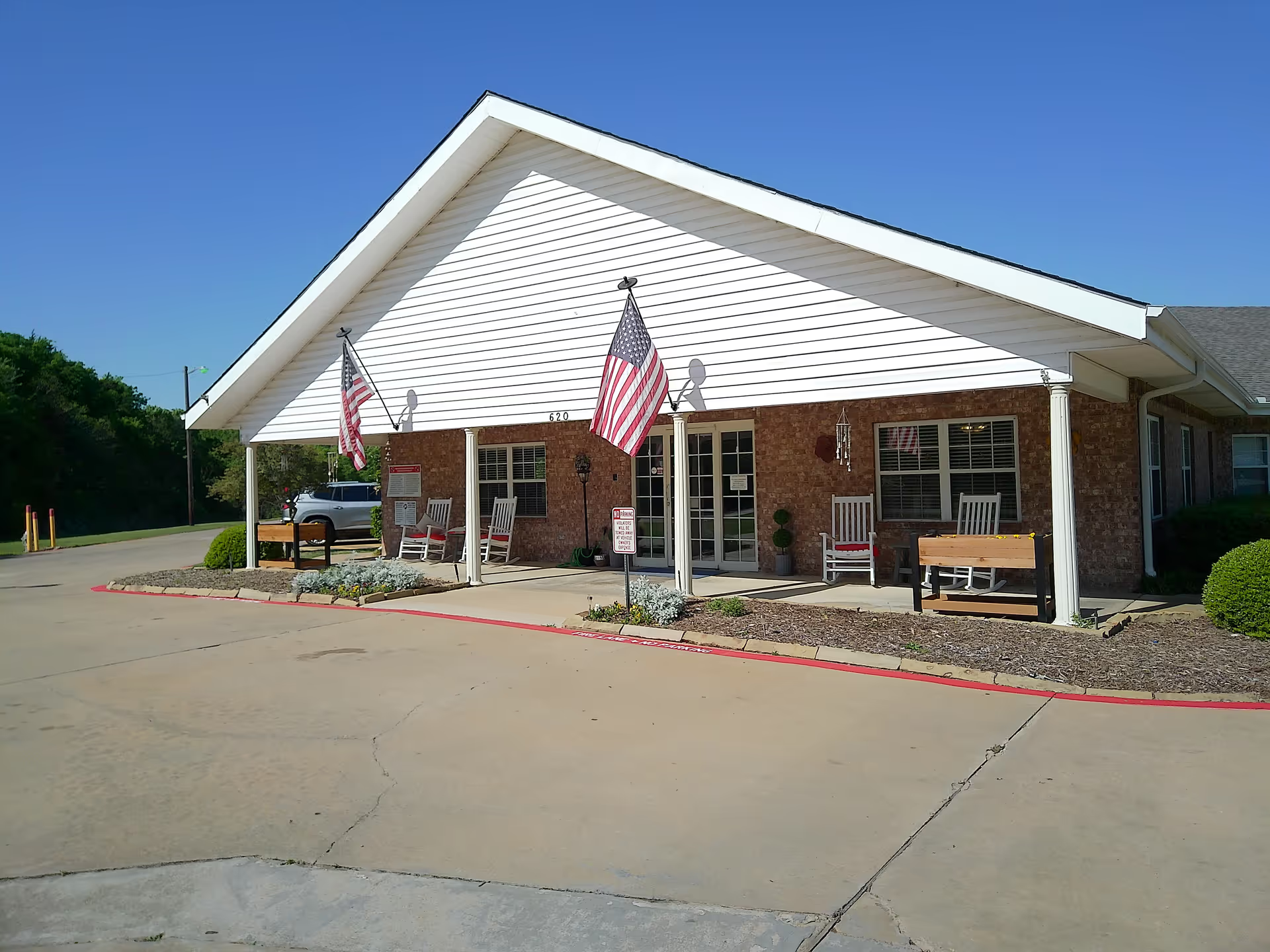
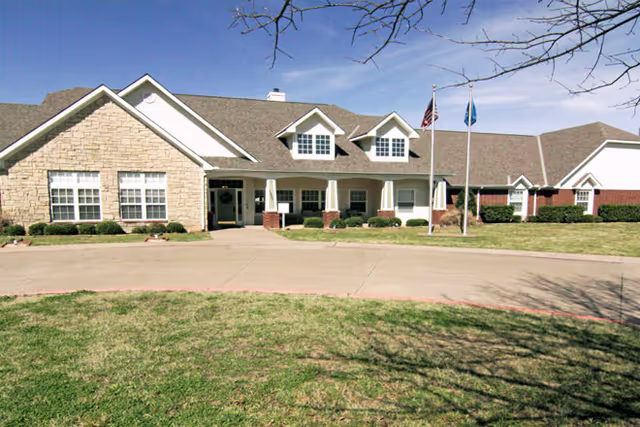
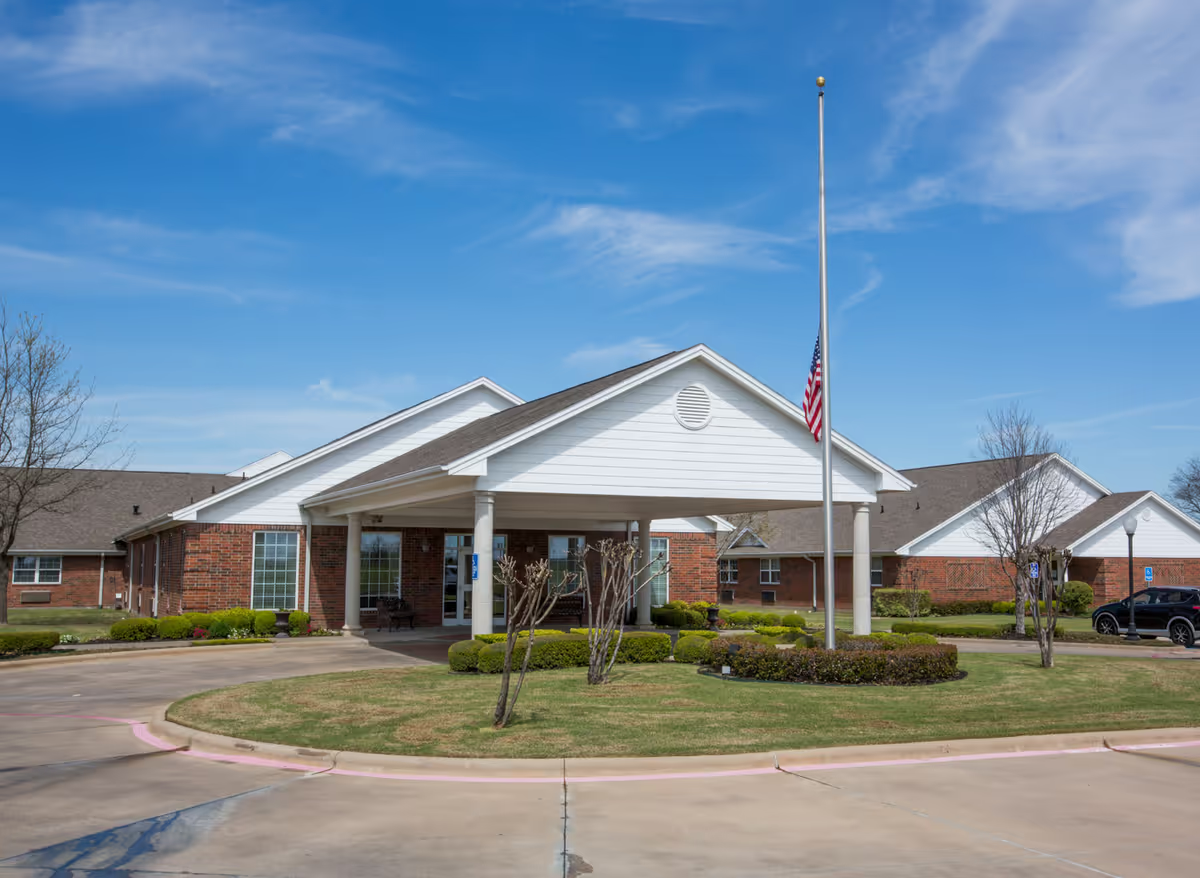
The physical environment raises multiple facility-level concerns. Reviewers indicate an aging, outdated interior with cleanliness and odor-control problems in rooms and at the entrance. Outdoor smoking locations adjacent to the entry and a steep ramp at the entrance were noted as detractors — these raise accessibility and scent-management issues that affect the first impressions and comfort of visitors and residents.
Overall patterns point to a contrast between competent frontline clinical and dietary staff and systemic issues in management, maintenance, and billing. Prospective residents and families should weigh the positive clinical feedback against concerns about administrative responsiveness, financial transparency, staff turnover, and environmental upkeep. If considering this facility, recommended next steps include: meeting directly with nursing leadership and administration to discuss communication and care plans, reviewing the facility’s billing and Medicare/Medicaid authorization procedures in writing, and touring multiple rooms and common areas to assess cleanliness, odor control, and entrance accessibility in person.