Overall impressions of Great Plains Nursing and Rehabilitation are mixed but highlight distinct strengths alongside operational concerns. Many families and residents praise the direct-care staff — nurses, CNAs, rehab therapists and social-work personnel — as compassionate, attentive, and willing to go beyond routine duties. Admissions and care-coordination staff are frequently described as helpful, and the facility’s rehabilitation program and social-worker support receive consistent positive mention. Reviewers also describe a welcoming, family-like atmosphere with engaging activities, special-event programming, and pleasant common areas that contribute to quality-of-life for residents.
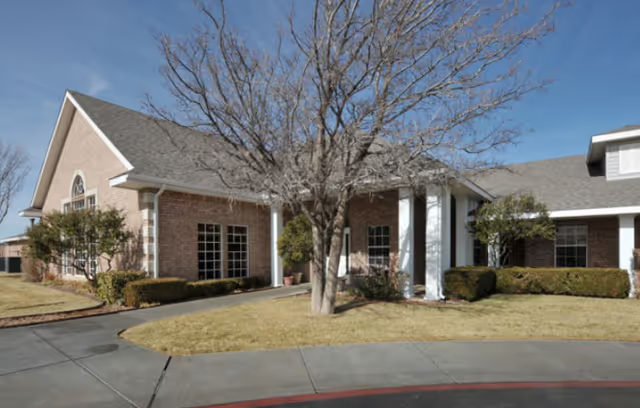
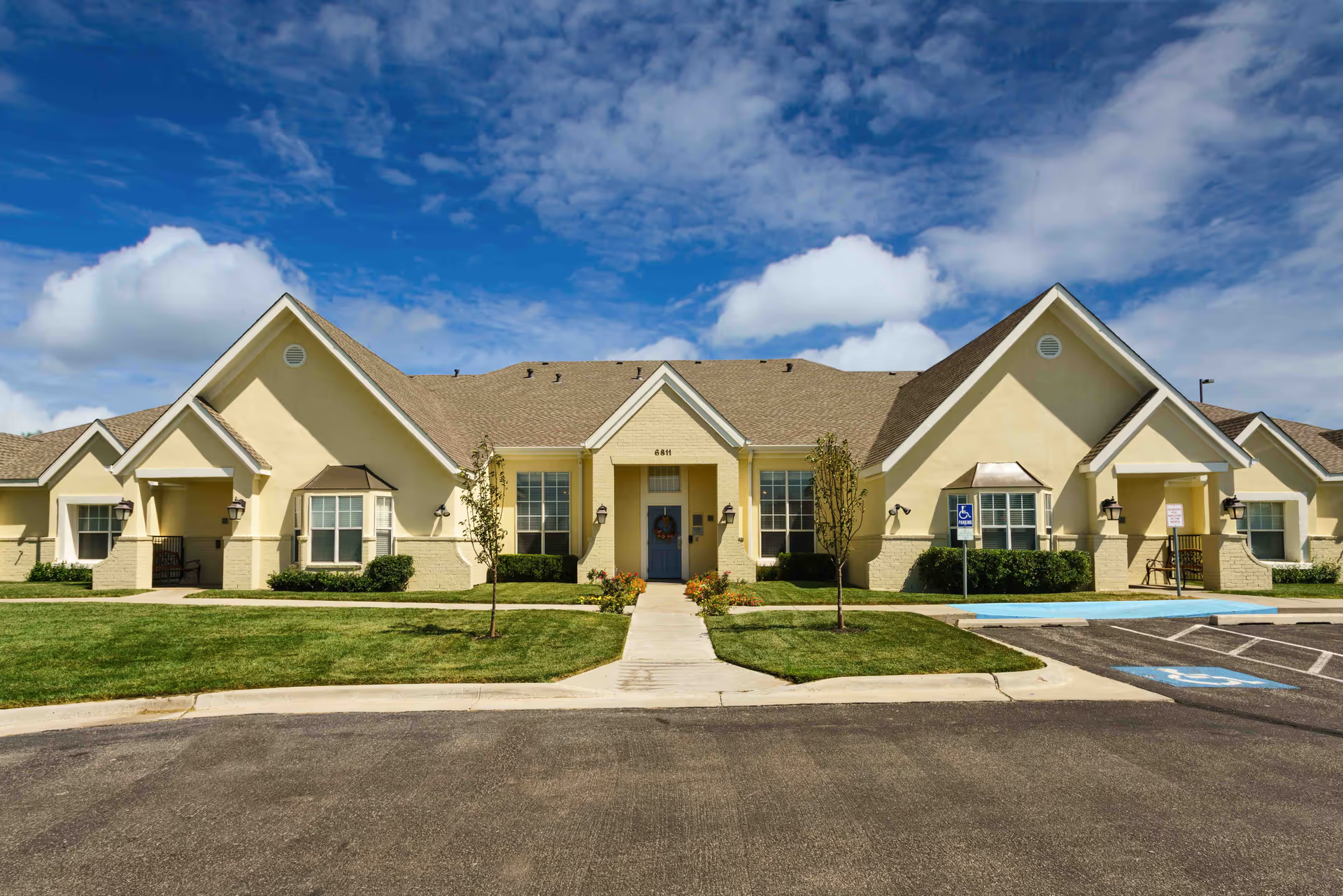
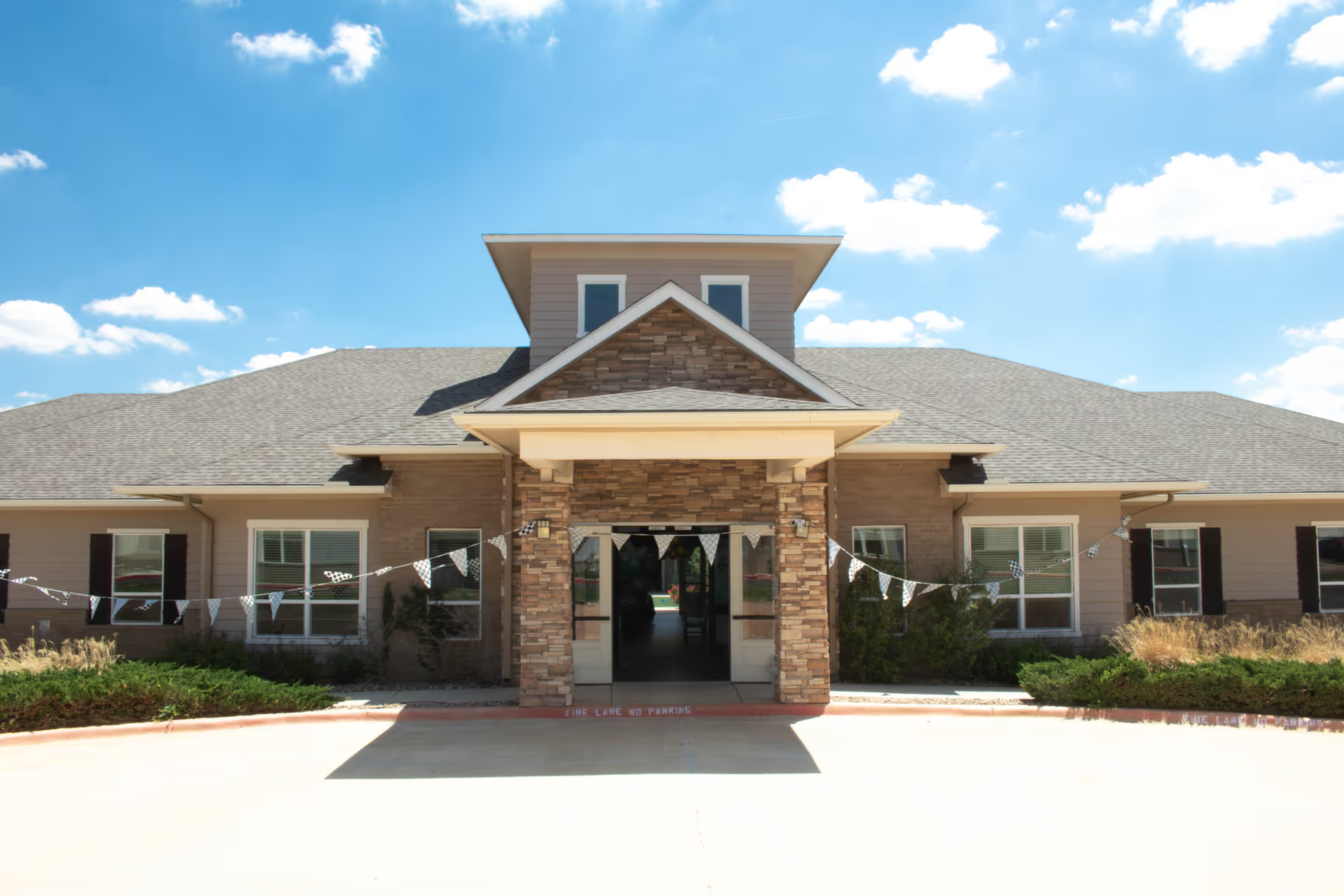
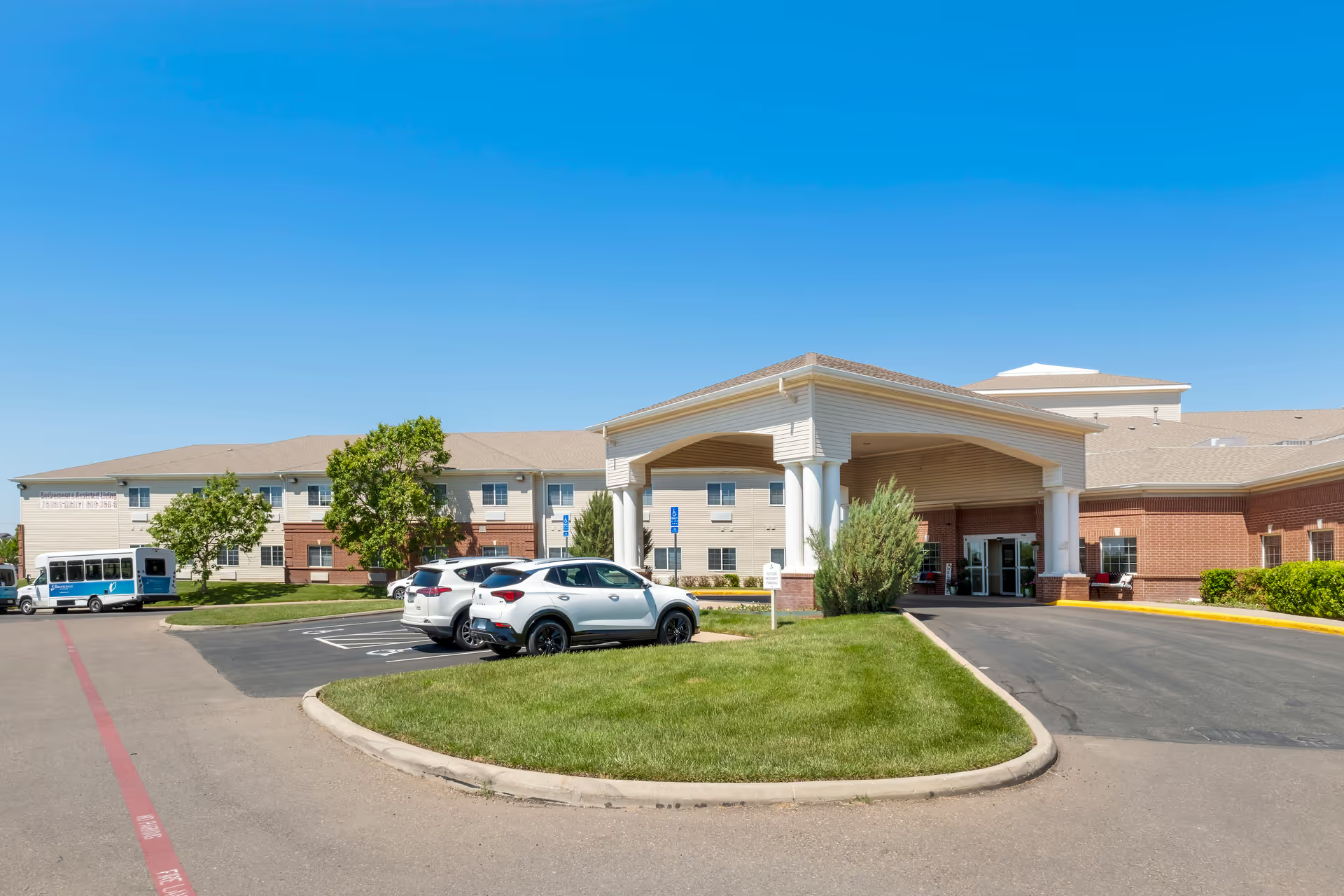
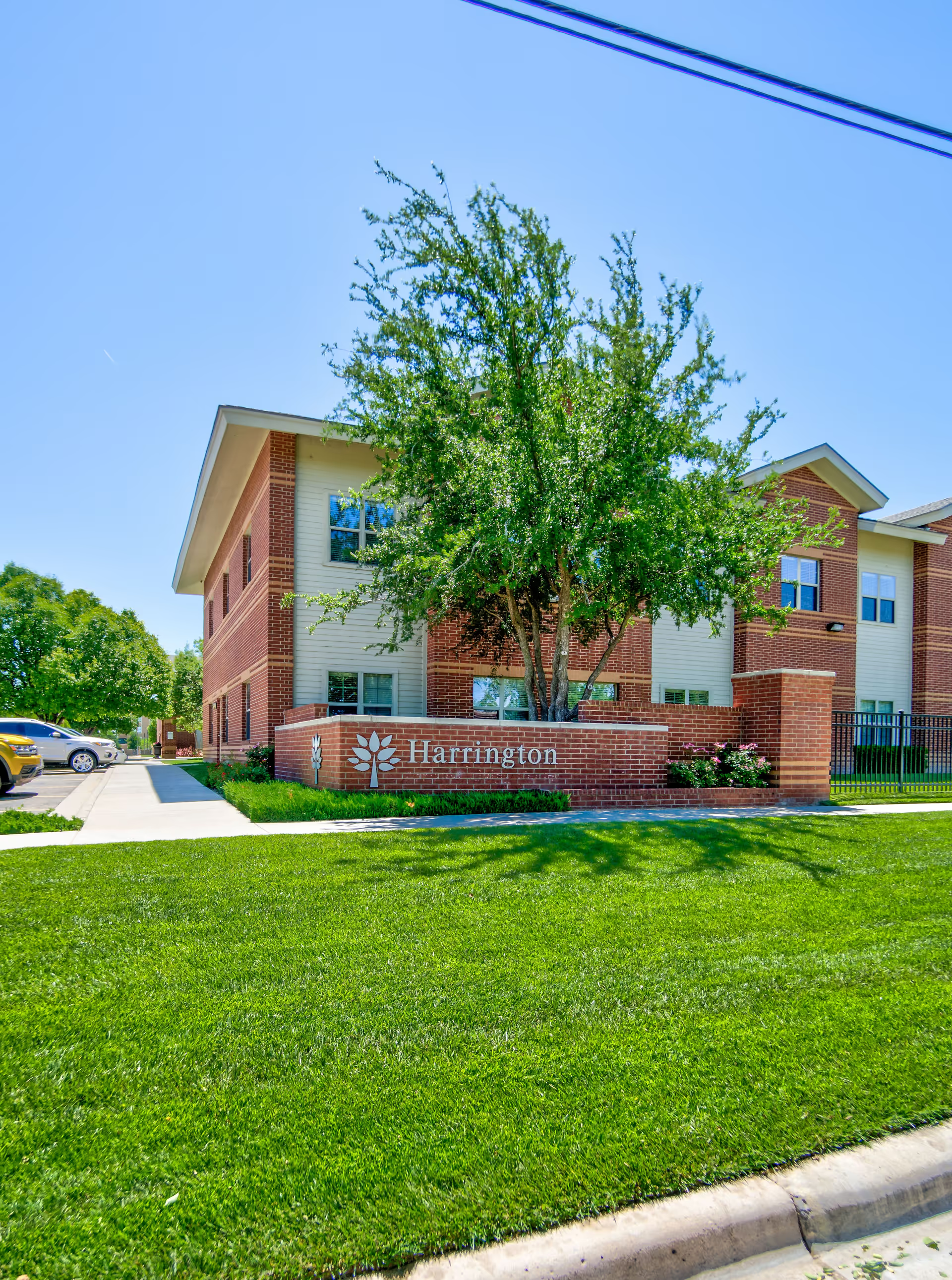
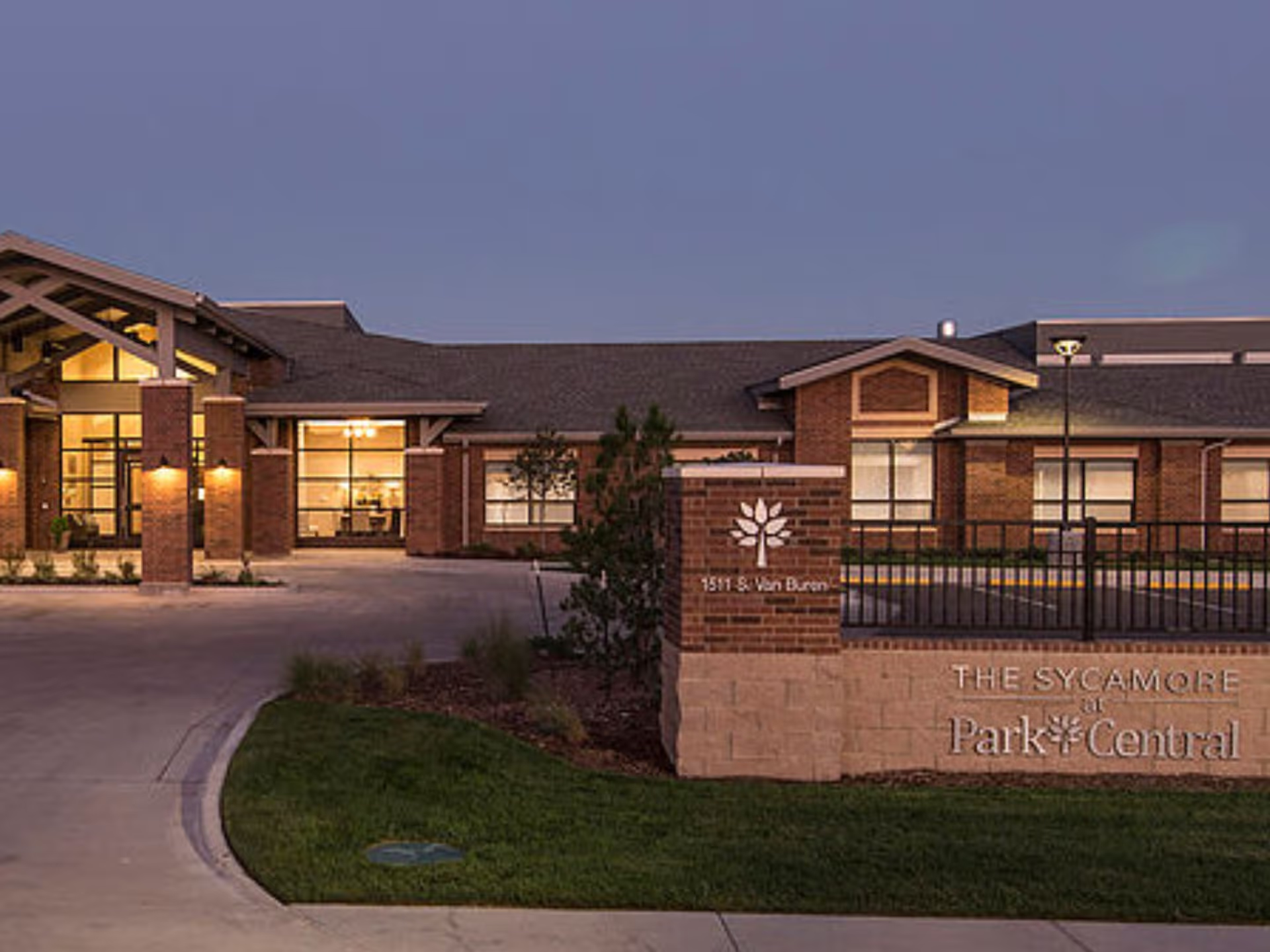
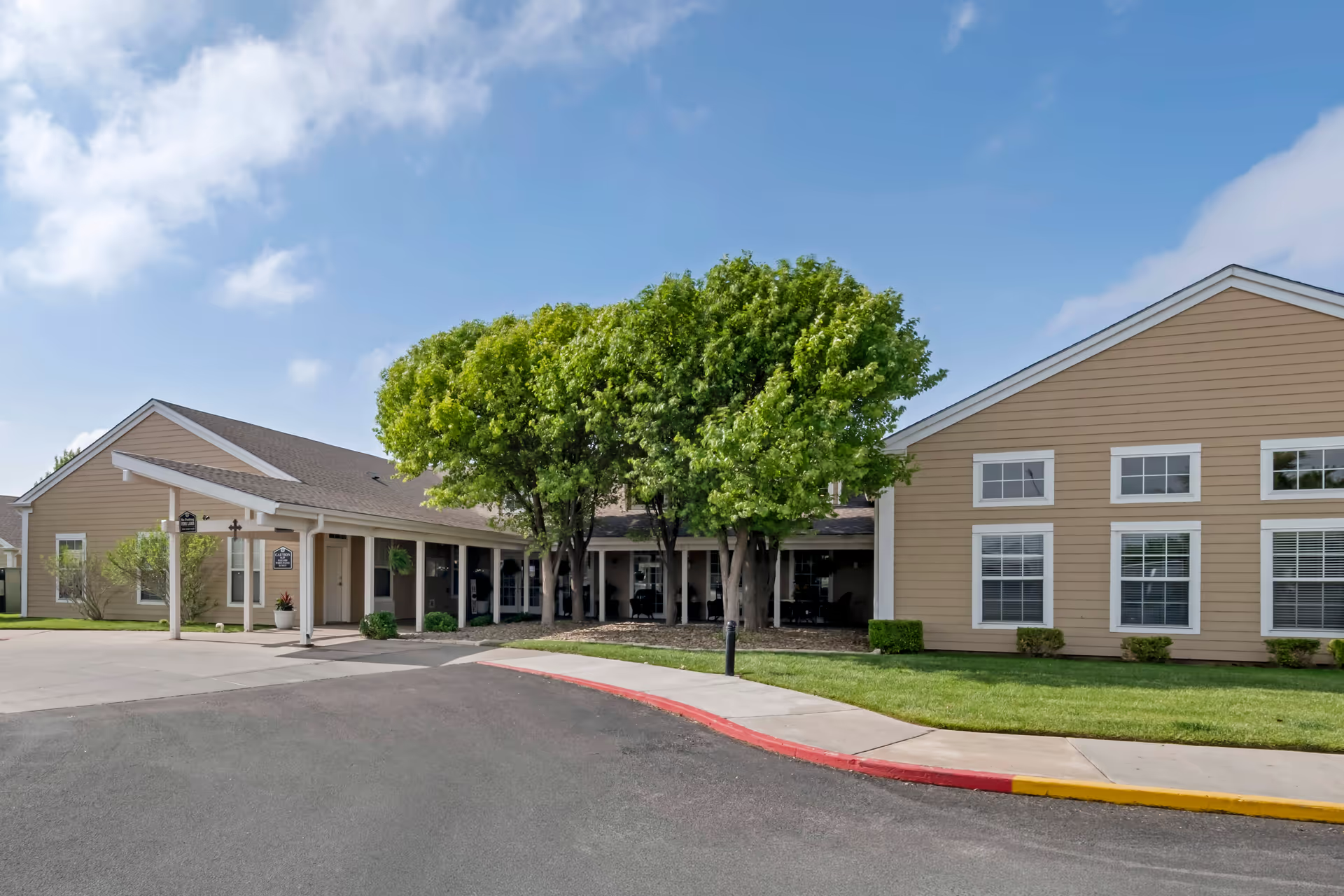
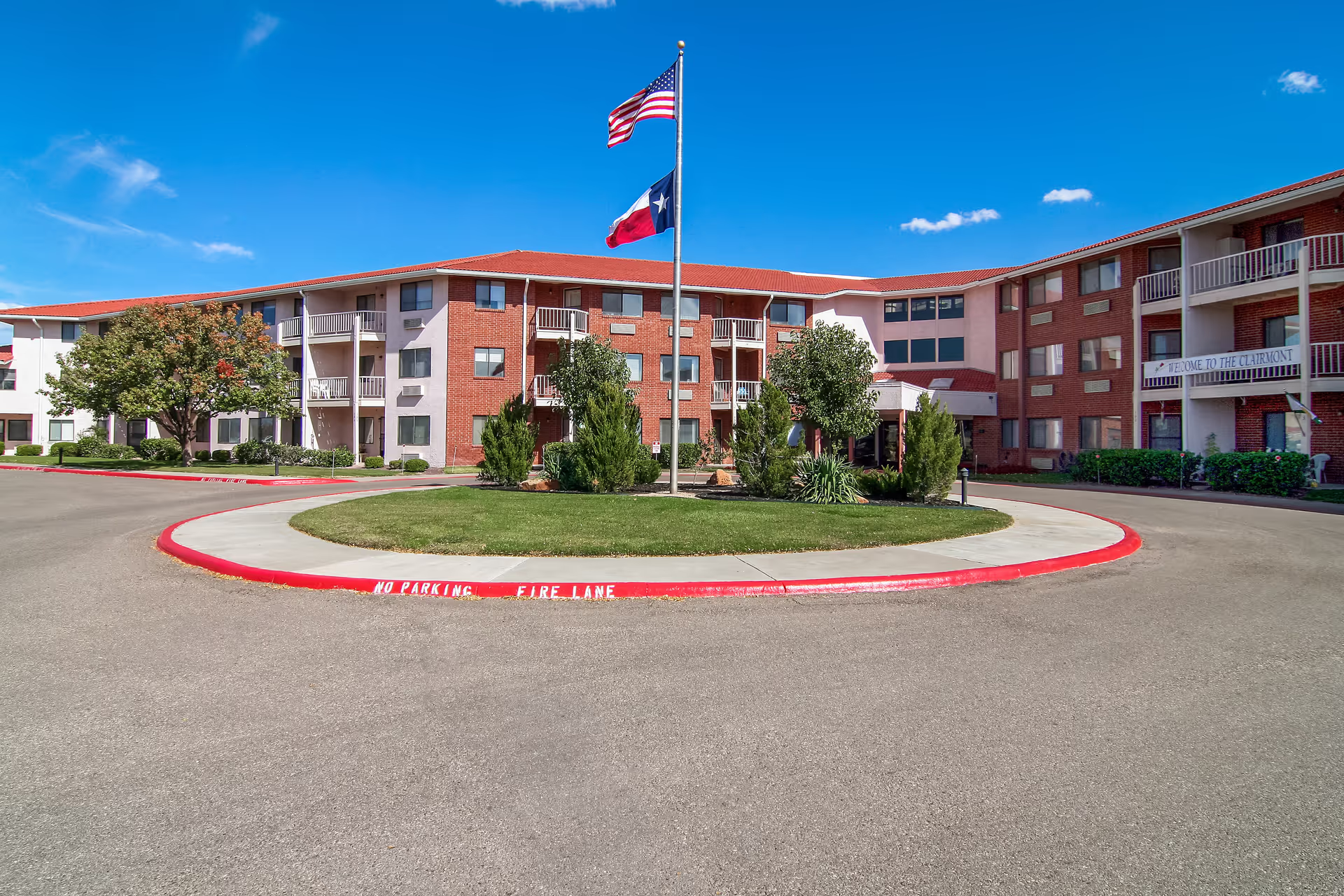
Facility condition and amenities are also commonly cited as positives. The building is described as clean, modern, and well maintained, with private rooms and private baths available. Several comments note an updated appearance, peaceful environment, and thoughtful touches in common spaces that make the setting feel homelike. Meal service is generally reported as good, with a number of families complimenting food quality and dining support; however, meal consistency is sometimes variable across stays.
Counterbalancing these strengths are recurring operational issues that prospective families should evaluate. Staffing levels and scheduling appear inconsistent, which is associated in accounts with delayed responsiveness to call signals and uneven attention. Relatedly, some reviews raise concerns about inconsistent personal-care routines (for example bathing schedules). There are also mentions of gaps in documentation and records management, and weaknesses in personal-property controls, which have led to family concerns about belongings and paperwork. A subset of reviews describe problems with discharge/transfer procedures and with the tone or responsiveness of certain office or leadership staff — matters that families characterized as administrative or communication breakdowns.
A small number of reviews describe serious individual incidents that prompted external involvement; these accounts contrast sharply with the many positive ones and suggest variability in the resident experience. Several families described interactions with adult protective services or escalated complaints, and others reported feeling that their concerns were not adequately addressed by leadership. These instances point to potential weaknesses in incident follow-up, complaints handling, and family–staff mediation.
For prospective residents and family members, the pattern suggests a facility with strong frontline caregivers, therapy services, and a well-kept environment, but with measurable variability in administrative processes, staffing consistency, and certain aspects of personal-care and property management. When evaluating the facility in person, consider asking about current staffing ratios and turnover, incident-reporting and documentation practices, property-handling policies, typical meal plans and food-quality controls, and examples of how leadership resolves family complaints. A focused tour that includes a review of resident rooms, medication- and records-procedures, and an activities calendar can help clarify whether the facility’s prevailing strengths align with your expectations and care needs.