Overall, reviews portray Ennis Pointe as a welcoming assisted-living community where residents often receive kind, individualized attention. Families describe staff as compassionate and helpful, and several note that team members encourage residents to remain independent while offering assistance as needed. Some residents appear to benefit from the social environment, with families describing improved engagement and well-being after moving from living alone. Reviewers also value staff experience and longevity, and many express confidence in the care their relatives receive.
Activities and social connection are recurring strengths. Reviews mention outings, crafts, church activities, programming, and staff encouragement to participate. The community is often described as friendly and home-like, with residents forming connections with one another. Families also appreciate the sense of security that comes with staff being available to check on residents.
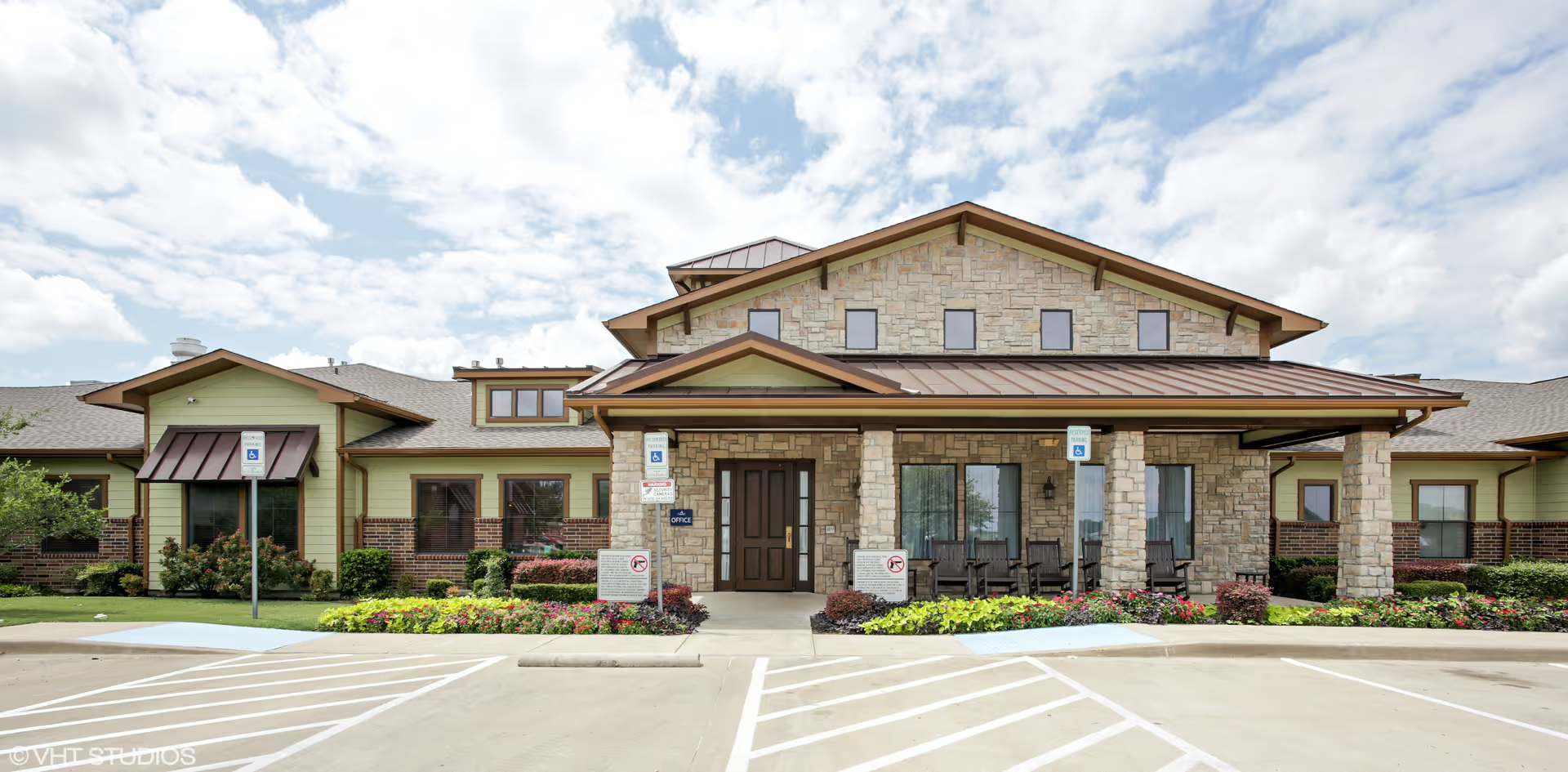
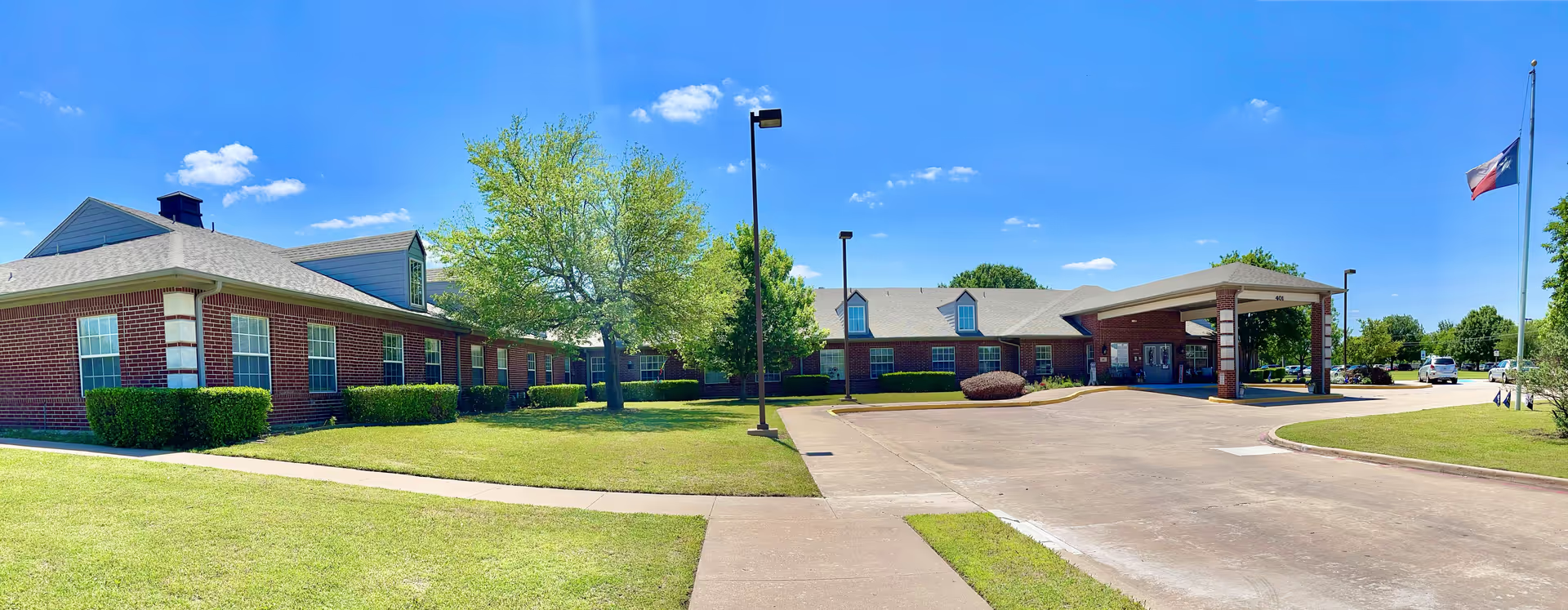
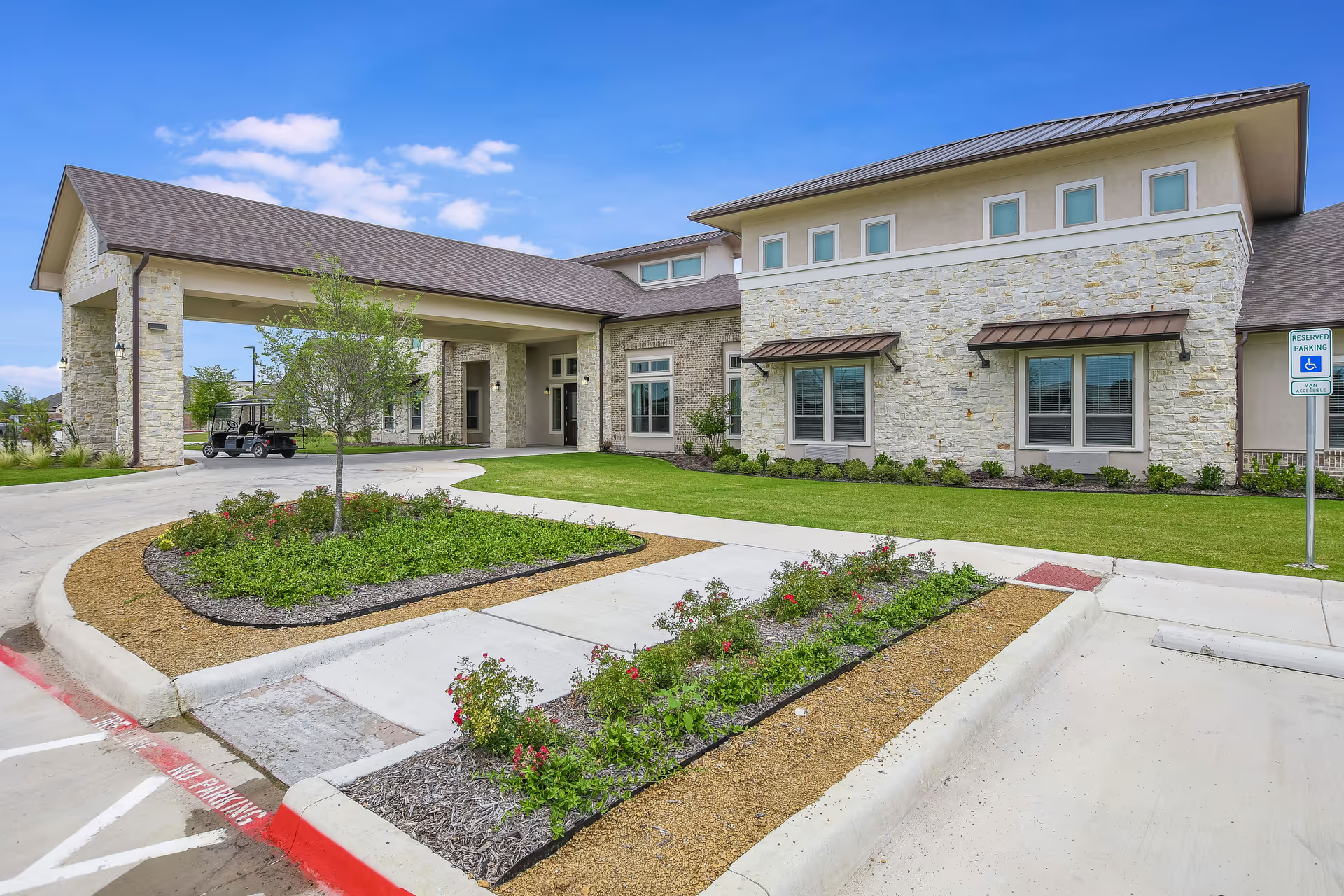
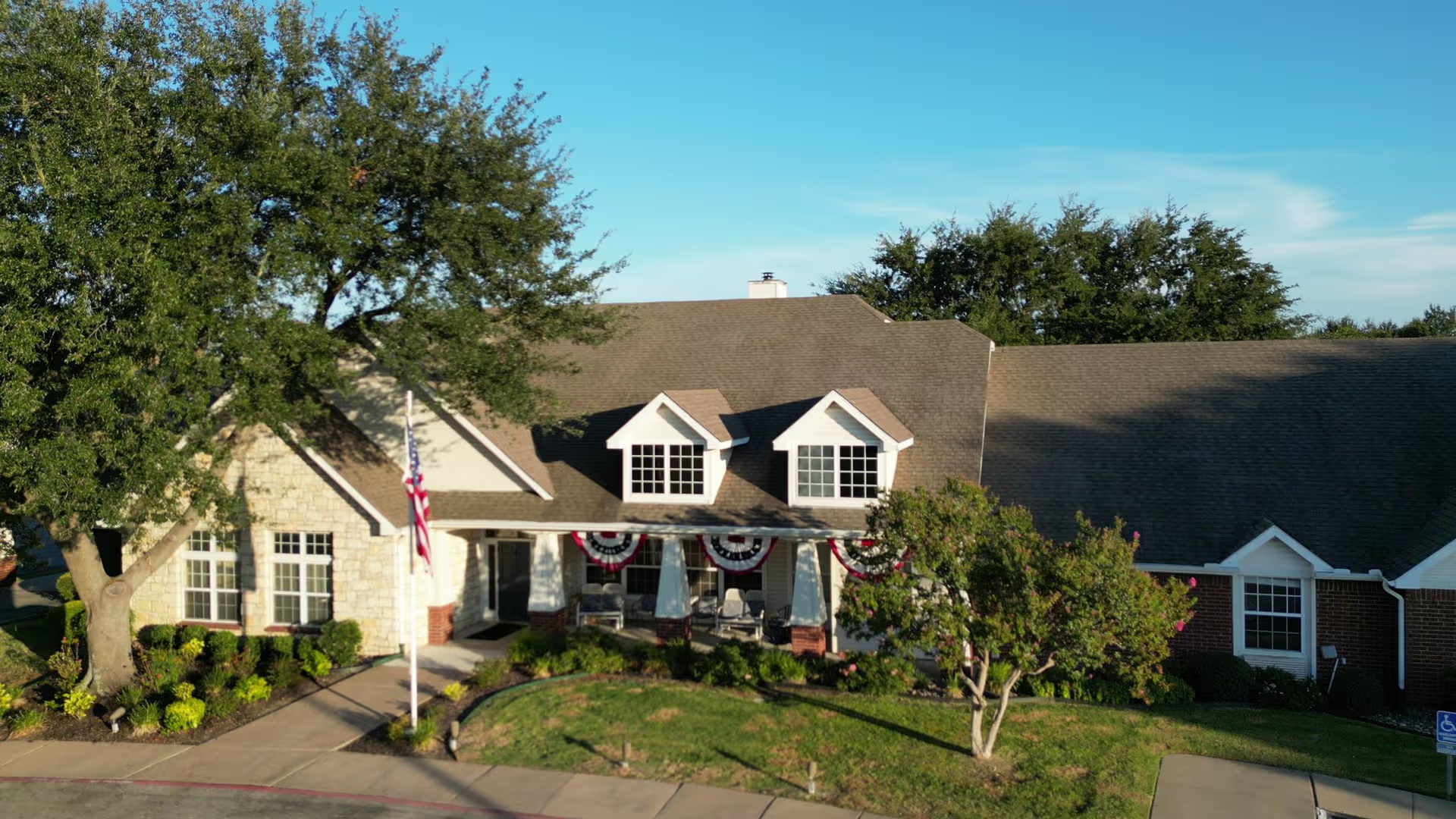
The physical environment is generally praised as clean, comfortable, and well maintained. Several visitors highlight recent renovations, spacious rooms, and an inviting appearance. Dining feedback is mixed: some residents and families praise the meals, nutrition, and staff efforts to accommodate individual needs, while others describe food quality as inconsistent and would like more variety in meats, vegetables, and salads.
Management and care coordination receive both strong praise and notable criticism. Many reviewers describe leaders as approachable and responsive, while others raise concerns about staffing coverage, attention to individual needs, and inconsistent communication about medical care. One family also described disagreement over charges, room classification, and move-out billing. A separate account raised concerns about routine bathing and incontinence-care consistency. These concerns contrast with the generally positive accounts but are important to discuss directly with the community. Prospective residents may wish to ask about evening and overnight staffing, personal-care routines, clinical communication, billing and care-level policies, and whether the community can meet the resident’s current and anticipated needs.