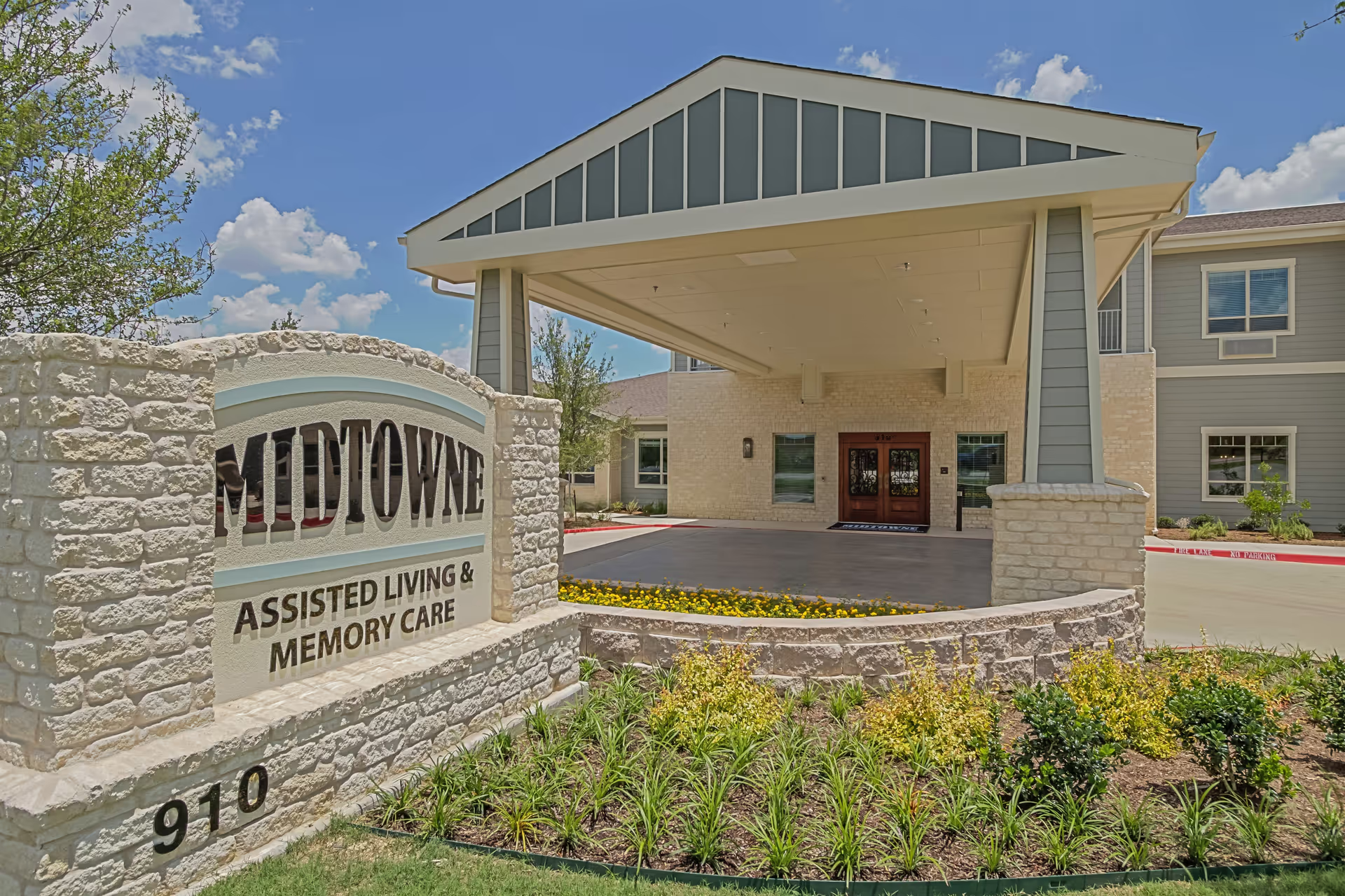
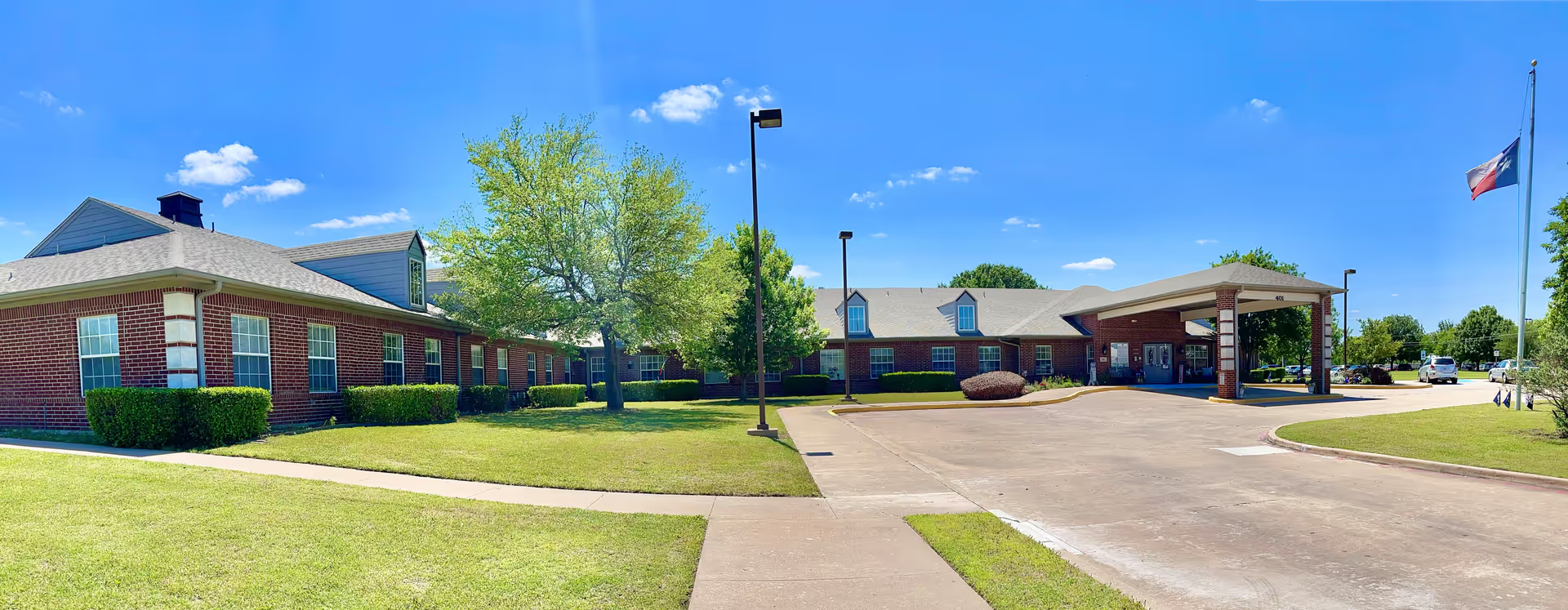
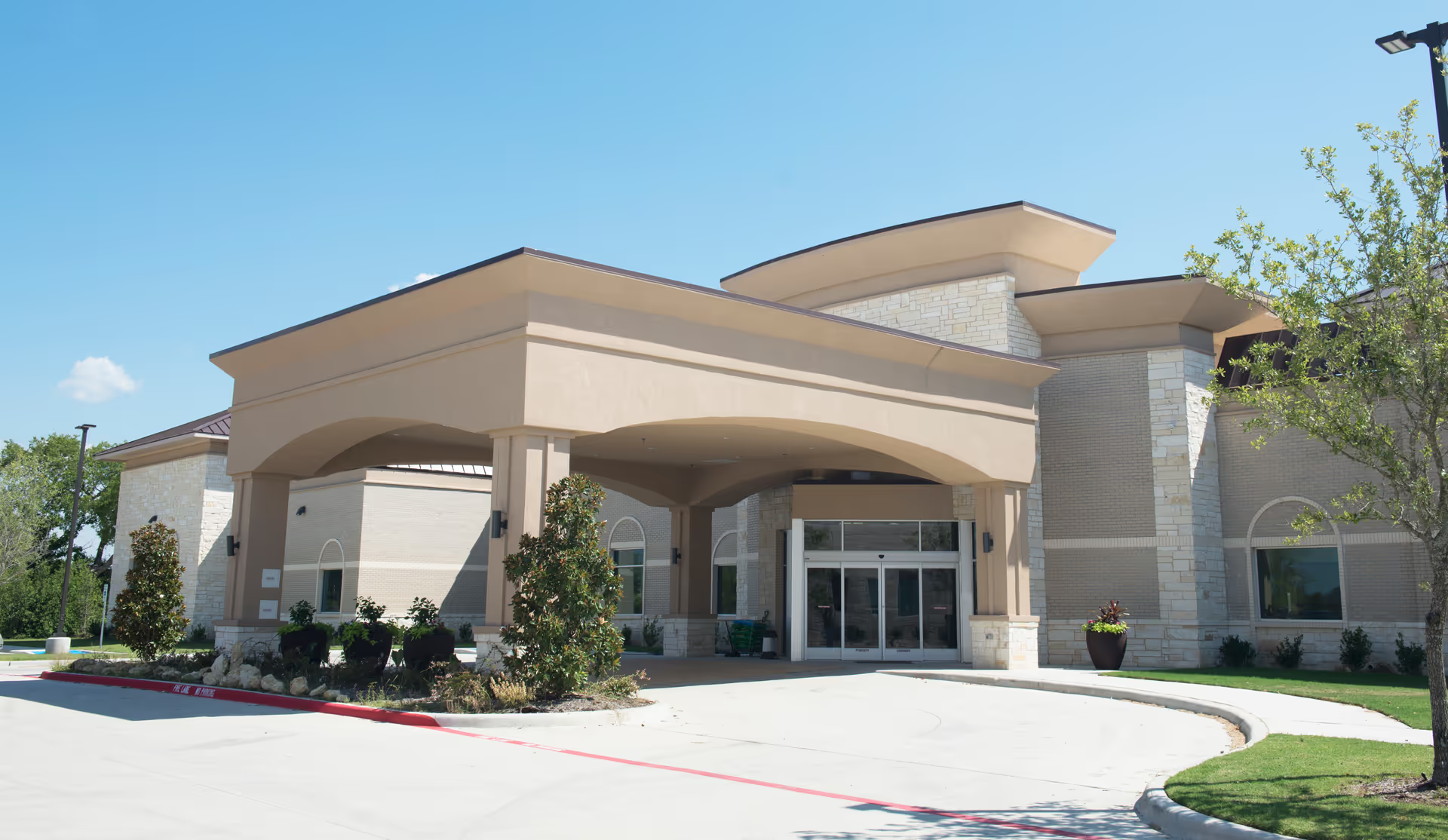
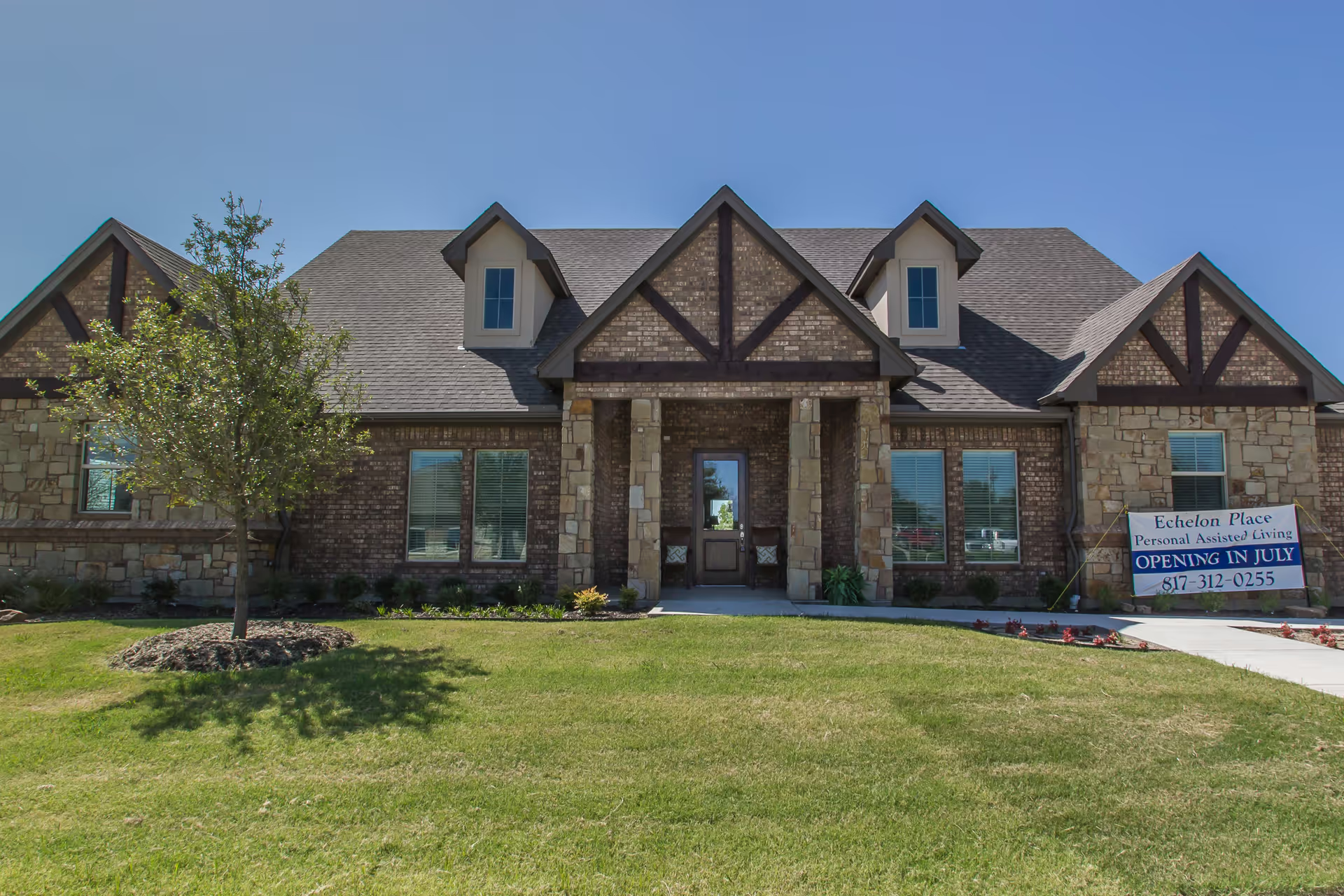
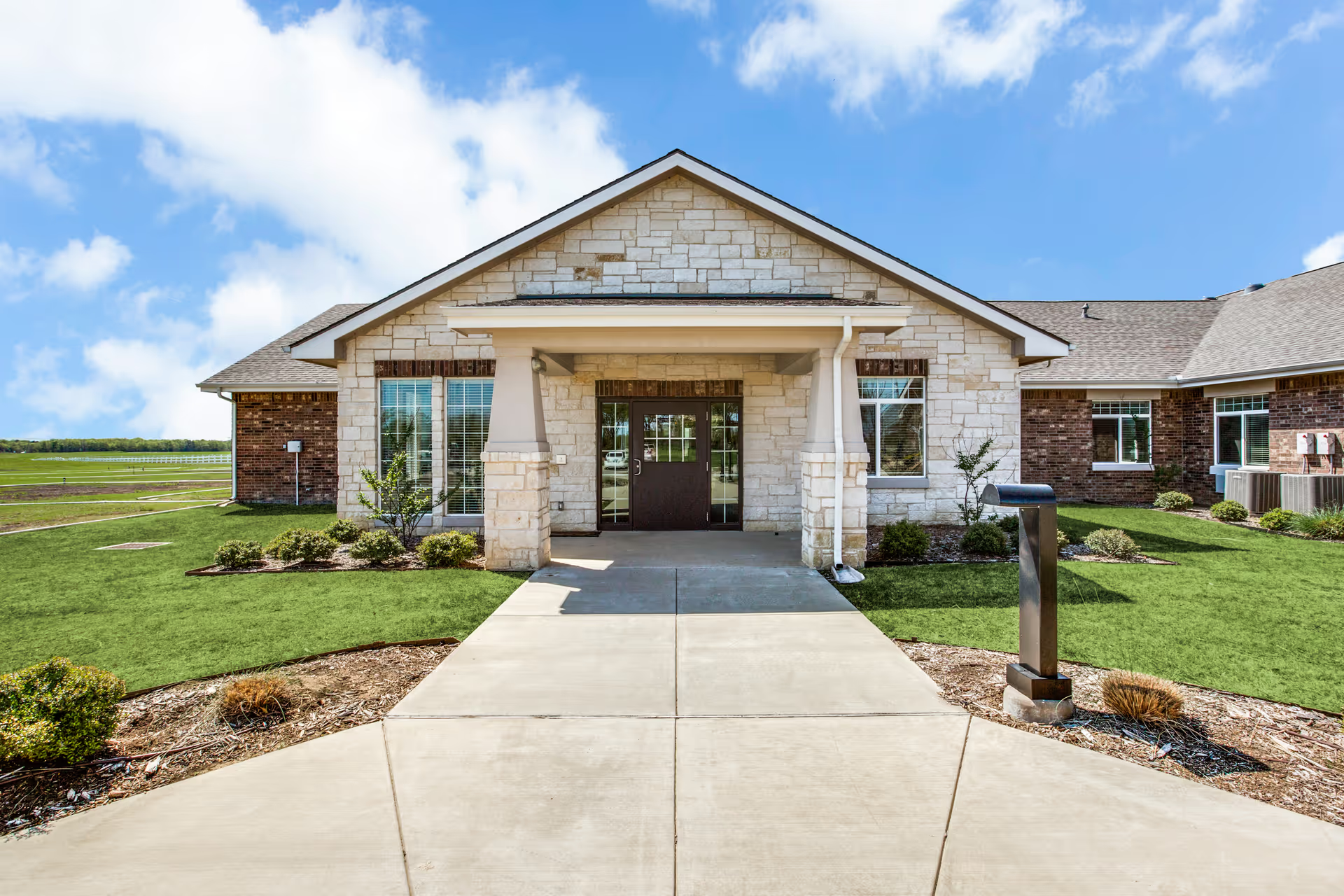
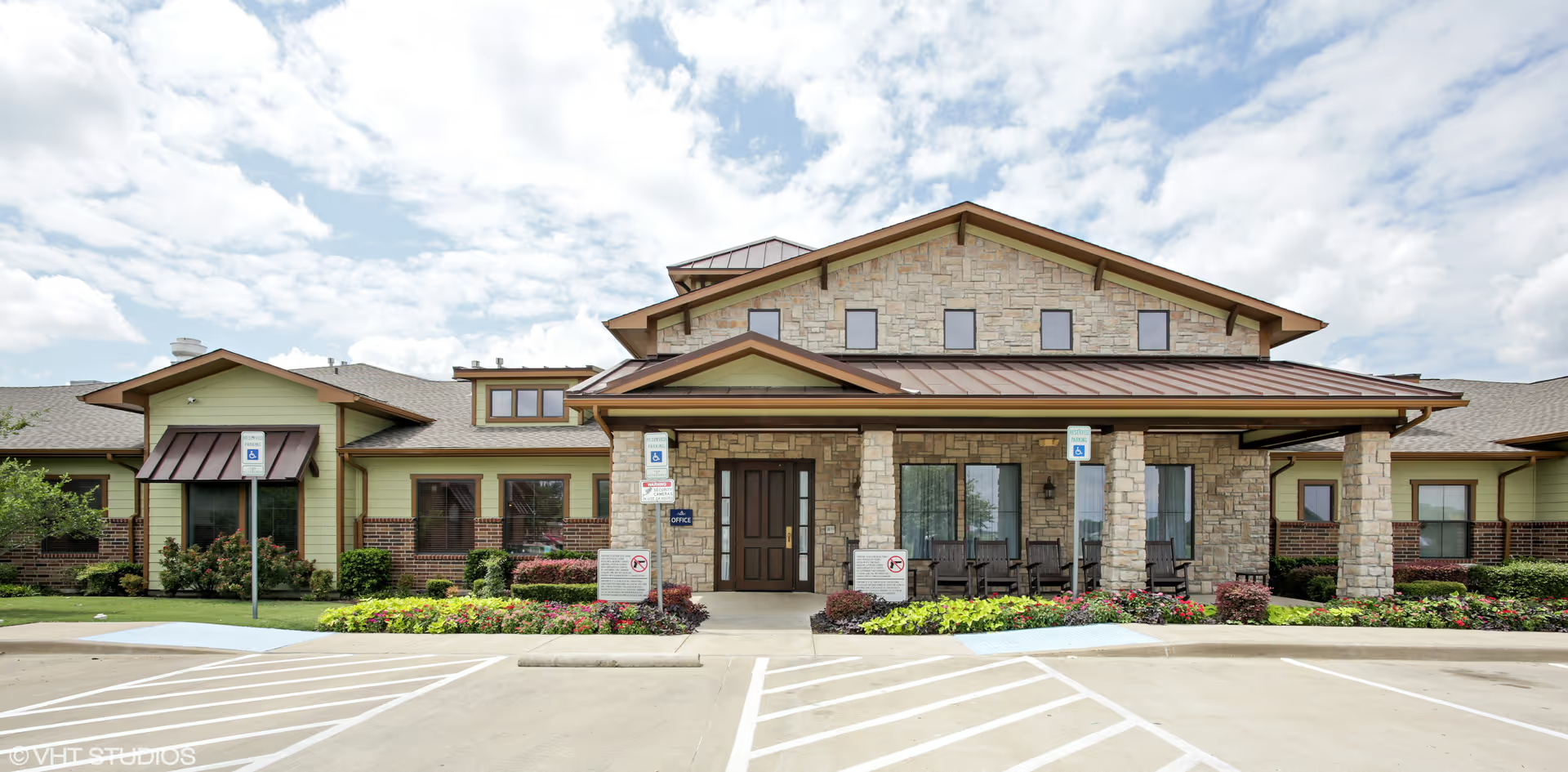
Legacy Oaks of Midlothian presents a mixed but instructive profile. Many reviewers praise the facility’s physical environment and community life: the building is frequently described as new or well-maintained, public areas are clean and attractively decorated, and amenities such as a pool, gym/therapy area, movie room, courtyard and bistro add variety to daily life. Apartment-style living, private cottages, and on-site transportation contribute to resident independence, while proximity to a hospital and shopping is a logistical advantage for families.
Staff and caregiving receive strongly positive comments alongside notable variability. Numerous families and residents highlight friendly, compassionate employees who form personal relationships with residents, know names, and create a warm community culture. Activity staff — including an often-cited strong Activity Director — are a consistent strength, offering many social, spiritual, and service-oriented options (church services, devotionals, crafts, outings). However, recurrent operational weaknesses emerge: staffing levels are described as inconsistent, and reviewers point to uneven training and clinical skills among caregivers. These staffing issues are linked in multiple accounts to supervision gaps (including during shift changes) and to concerns about fall prevention and timely assistance.
Dining and food service elicit polarized feedback. Some reviewers describe restaurant-style dining, Bistro options, and personalized dietary accommodations positively; others note limited menu variety, repetitive or fried-focused selections, weekend quality declines, and intermittent café closures due to staffing. Dining staff are at times characterized as stressed, and families express frustration when meal service continuity is interrupted. Mandatory meal plans and perceived mismatch between fees and meal/points allocation also contribute to concerns about value.
Clinical practices and documentation are areas where reviewers urge caution. There are accounts of missed medication administration, gaps in clinical documentation, and limitations in incident transparency (including restricted review of video or limited incident records). These observations point to systemic concerns about medication controls, incident investigation processes, and family communication after adverse events. Memory care is portrayed inconsistently: some families praise compassionate, dedicated memory-care staff and programming, while others describe under-resourcing and staff skill gaps that affect care quality.
Management and financial issues are another recurring theme. Several reviewers commend specific directors and describe hands-on, responsive local leadership; others point to turnover in executive roles, corporate-level cost pressures, and rising fees that have exceeded residents’ expectations of value. Complaints about billing, refund processes, and eviction notices surface in a minority of accounts and suggest families should review contract terms and financial policies carefully.
Bottom line: Legacy Oaks offers many of the positive attributes families seek in a senior living community — modern, well-appointed facilities; a strong activity program; a friendly resident culture; and useful amenities. At the same time, consistent patterns in the reviews highlight operational risks tied to staffing, clinical documentation, dining continuity, and management stability. Prospective residents and families would be well advised to tour during different times of day, ask for current staffing ratios and turnover information, review medication-administration and incident-reporting procedures, sample menus, and clarify contract terms for fees and refunds before deciding. These targeted questions will help reconcile the strong community strengths with the operational concerns several families have experienced.