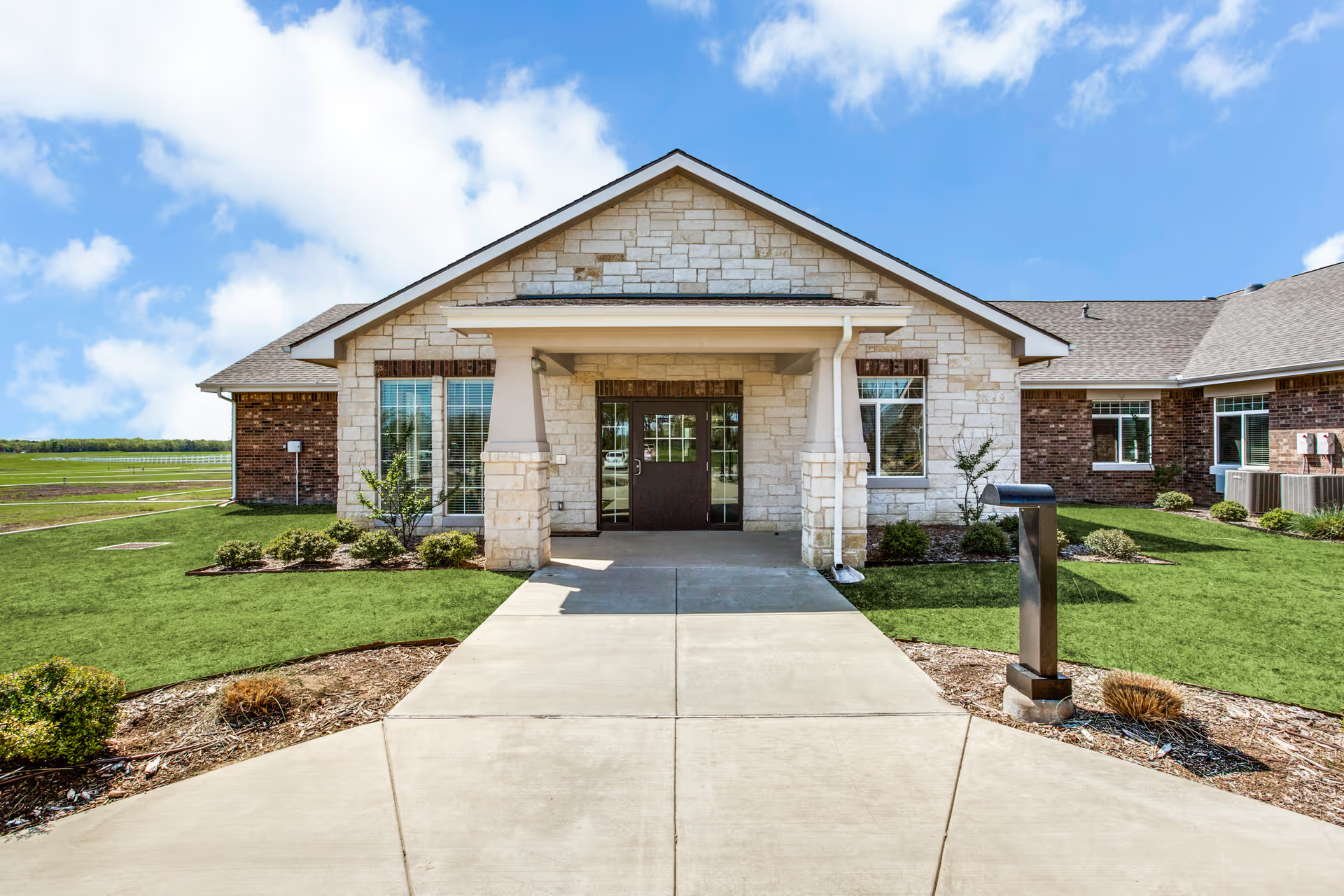
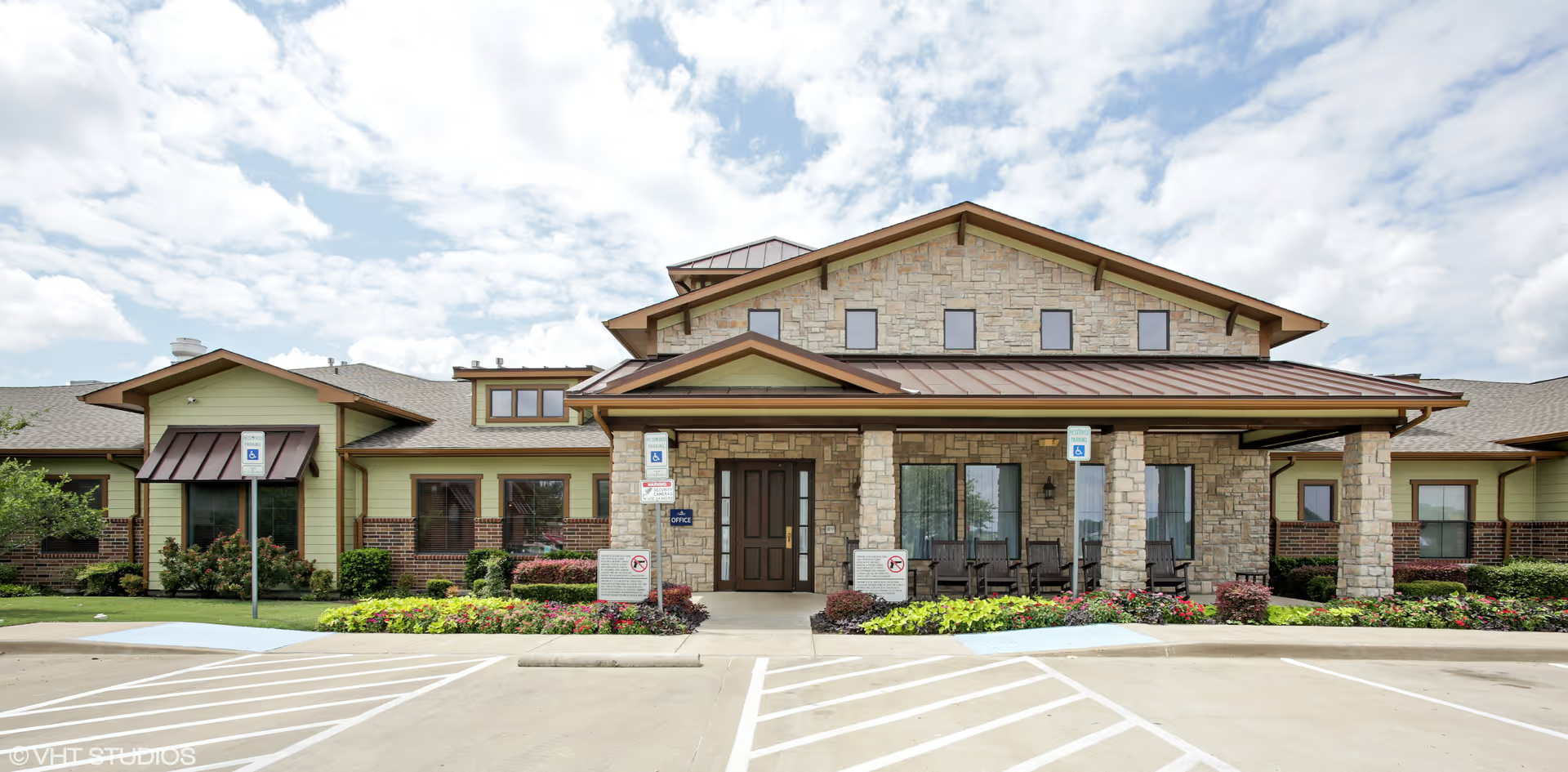
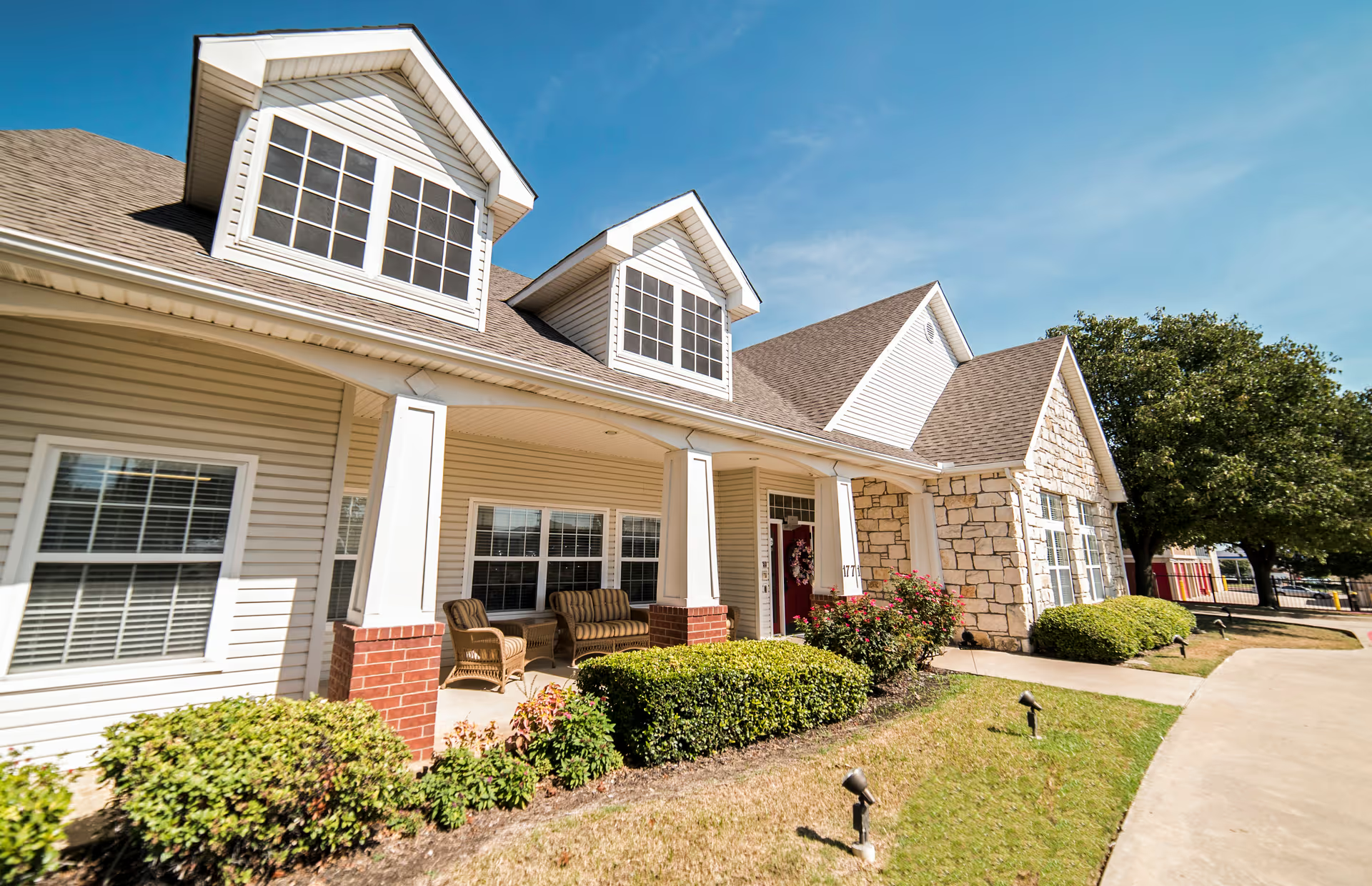
Midtowne Assisted Living and Memory Care receives a large number of positive comments about its physical environment, social programming, and day-to-day warmth of caregiving. The community is repeatedly described as new, clean, and well-maintained, with roomy apartments, wide halls accommodating wheelchairs, restaurant-style dining, a bistro, salon services, an on-site gym, and multiple family-friendly gathering spaces. The memory-care neighborhood is noted as a smaller, focused unit with tailored activities. Reviewers frequently highlight an engaged activities team, meaningful social opportunities, regular visiting clinicians, and active community partnerships that contribute to a home-like atmosphere.
Care quality and staffing present a mixed picture. Many families praise compassionate, personalized attention, attentive nursing, and staff who go above and beyond for residents. At the same time, a recurrent pattern of inconsistent staffing, caregiver rotation, and high turnover emerges. These staffing patterns are associated with variability in day-to-day follow-through, training gaps—particularly for dementia-specific needs—and uneven responsiveness. Several families reported concerns about communication and notification practices around incidents and clinical changes, and some described lapses or delays in medication administration. Prospective families should clarify staffing levels, medication protocols, and dementia-training expectations during visits.
Dining and activities are generally strengths but show variability. Numerous reviews commend the dining ambiance, menu variety, and the presence of a bistro and salon; residents report enjoying meals and social dining. Conversely, other reviewers note inconsistent food quality, limited heart-healthy options, and occasional service issues. Activities programming is described as robust—exercise, bible study, walking clubs, field trips, and cognitive stimulation are common—but some accounts indicate reduced offerings on weekends or variable follow-through by staff. Families should ask about weekly schedules, weekend programming, and how activity goals are individualized.
Operational and management issues appear as a second recurring theme. Positive remarks about engaged leaders and responsive admissions staff coexist with critiques of management consistency, perceived understaffing, start-up or scaling challenges, and concerns about administrative practices. Isolated but serious claims include sanitation and pest-control concerns, security or access-control lapses, bed and equipment maintenance issues, and difficulties around financial transparency or billing. While these issues are not universal across accounts, they represent operational risk areas that warrant direct inquiry. Ask for written policies on pest control, security protocols, maintenance response times, and sample billing statements.
Overall, Midtowne offers many of the physical amenities and social programs families seek in an assisted-living and memory-care setting, and many reviewers describe positive, family-like relationships with staff and improvements in resident wellbeing. However, variability in staffing, training, communication, and certain operational controls has produced mixed experiences. Prospective residents and families should arrange an extended tour that includes observation of medication administration practices, discussion of staff turnover and training requirements (especially for dementia care), review of recent inspection or incident records if available, and clarification of financial policies. These targeted questions will help assess whether the facility’s strengths align with an individual resident’s care needs and safety expectations.