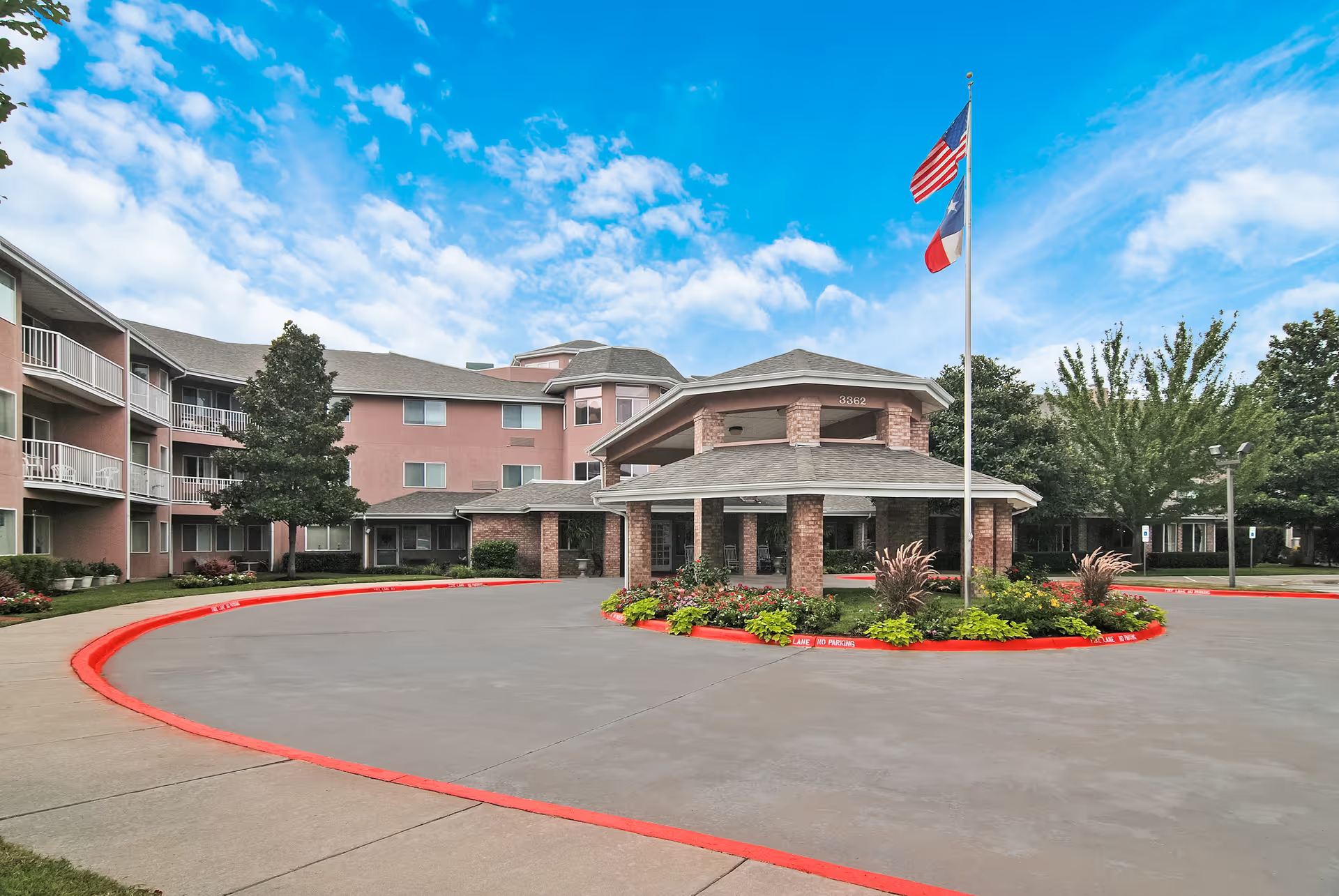
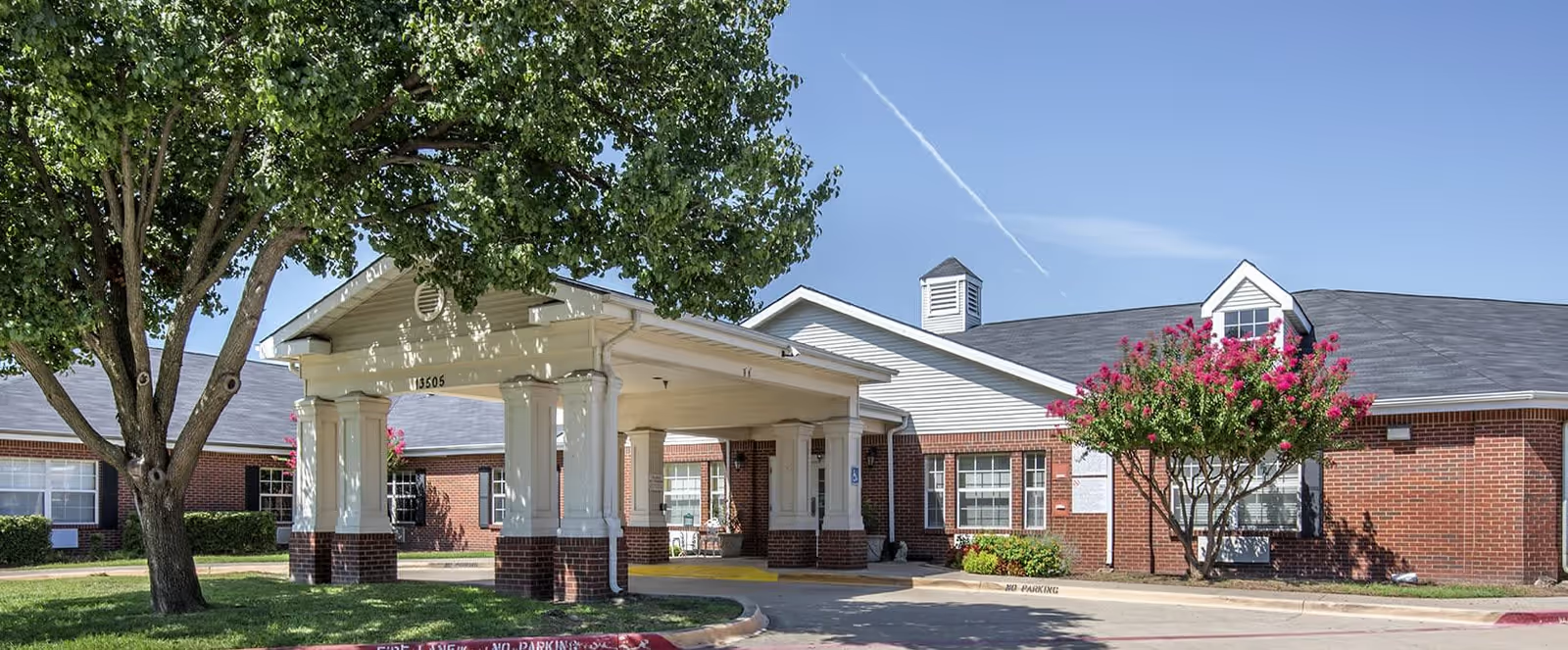
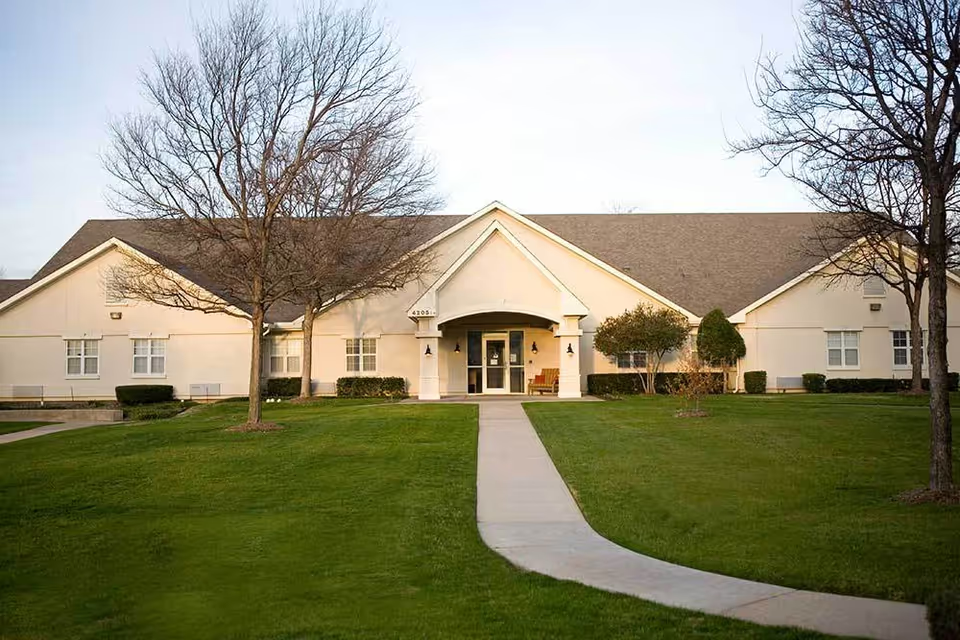
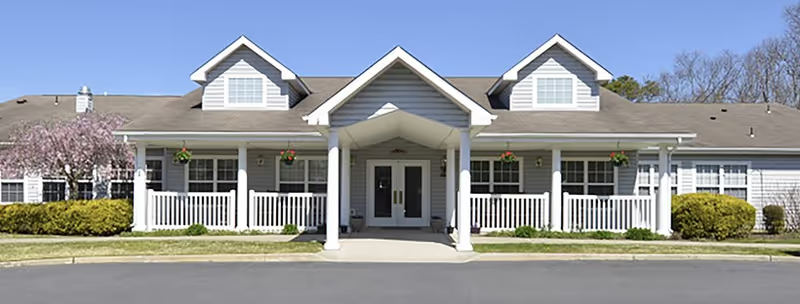
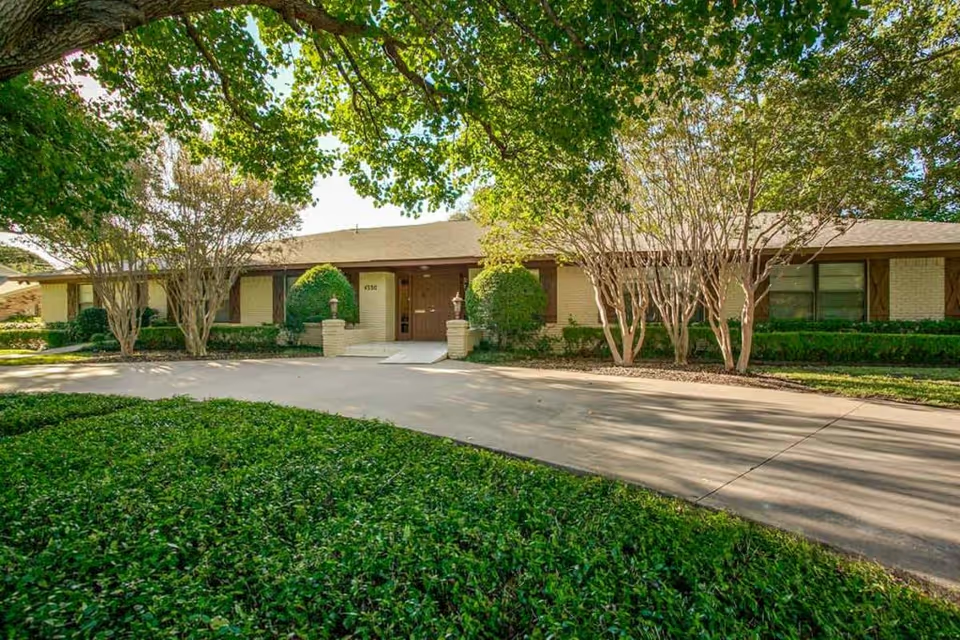
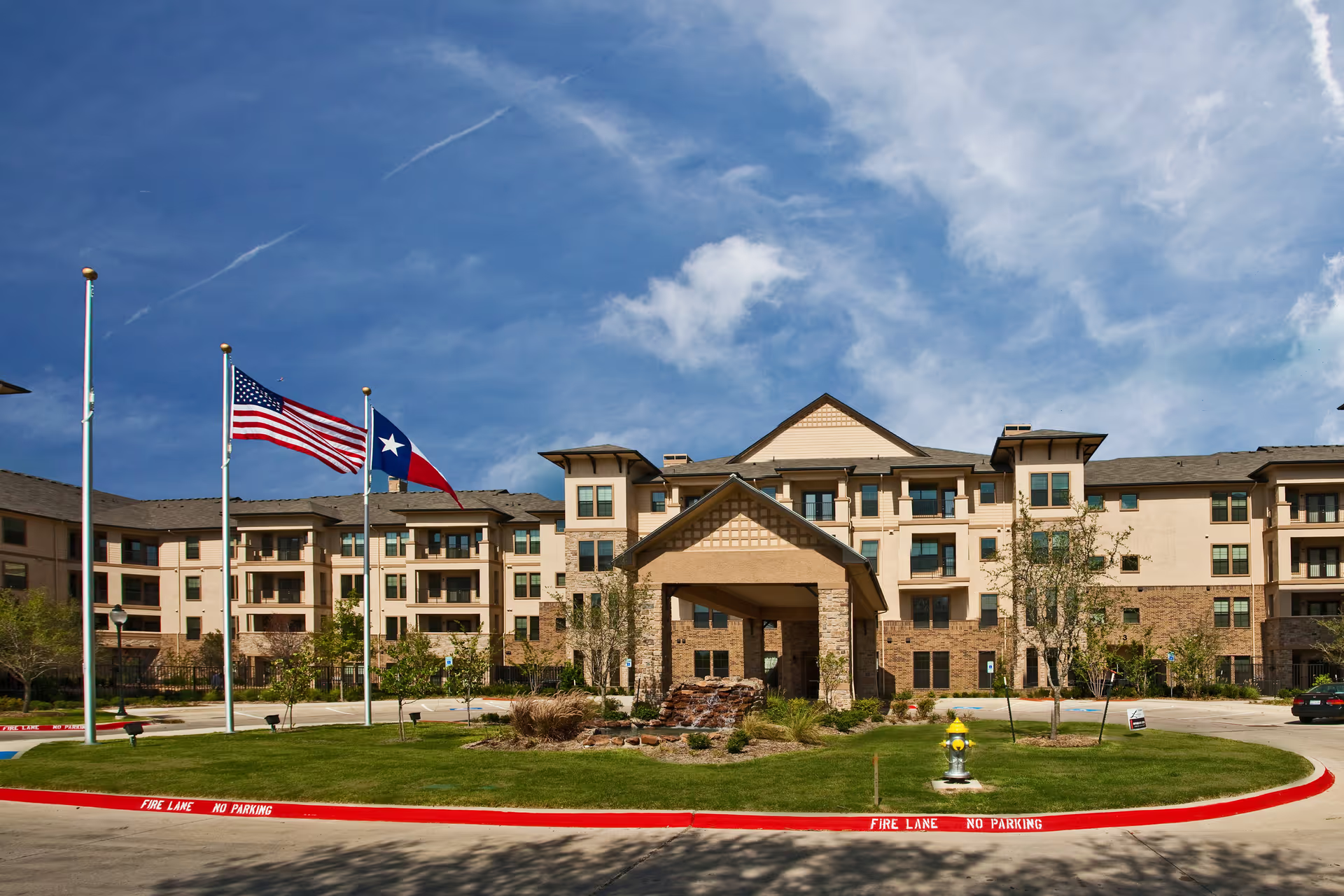
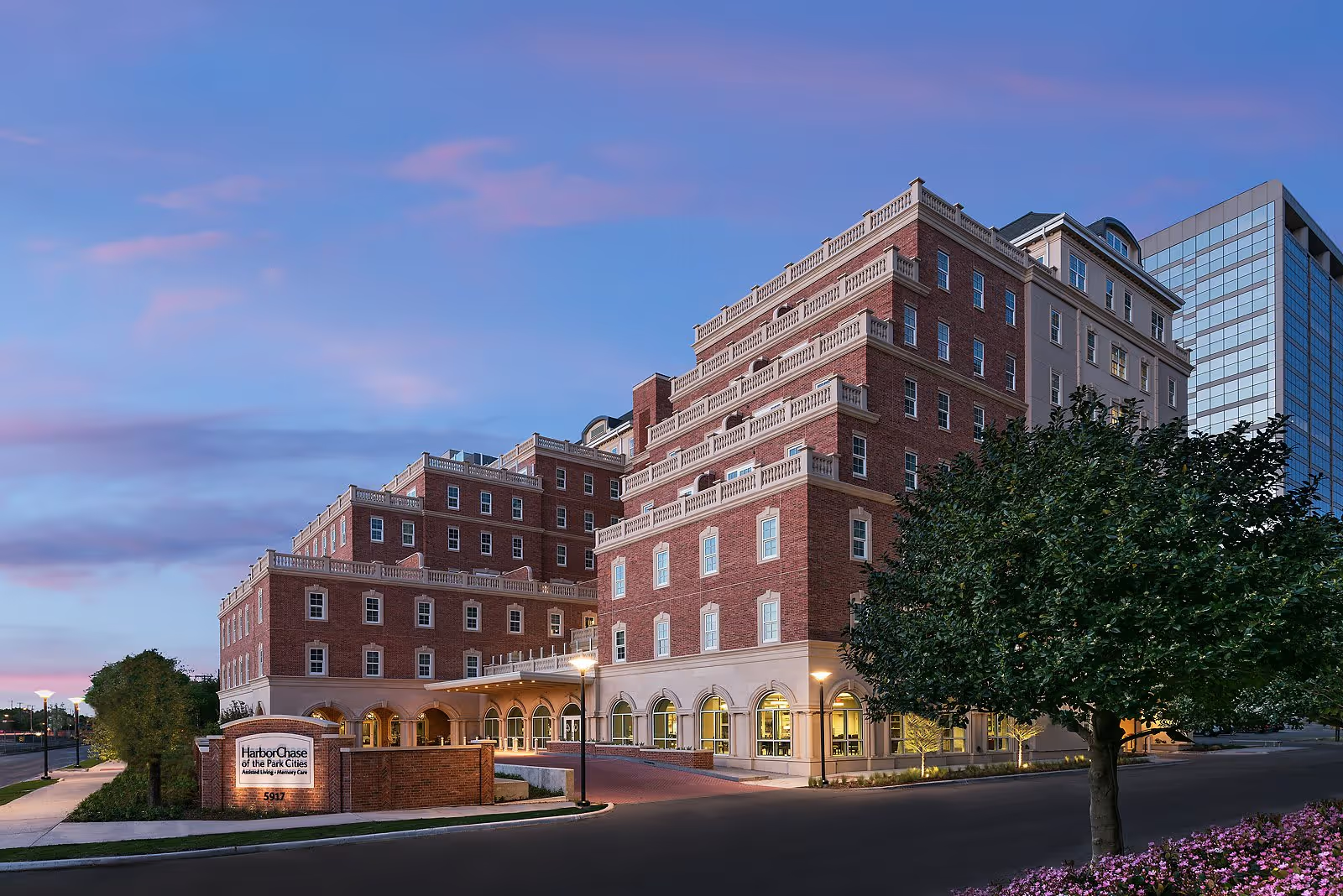
The Grove on Forest Lane is described by families and residents as a small, recently renovated community with many features that support a comfortable daily life. Positive commentary centers on compassionate nursing and caregiving, a welcoming front desk, and a strong sense of community that many residents describe as a "second family." Physical assets include bright, remodeled common areas, apartment-style units with kitchenettes, safety-focused design elements such as non-carpeted flooring, accessible outdoor spaces, and amenities — fitness center, library, art and game rooms — that contribute to an active environment.
Care quality receives generally favorable remarks: reviewers note attentive nursing and medical involvement, thoughtful clinical staff engagement during transitions, and individualized approaches such as personalized dining. Families also value the move-in coordination and regular communications — several noted daily emails with photos that document activities and provide reassurance. The staff's approachability and visible engagement with residents are frequent strengths, and many reviewers highlight a restaurant-style dining atmosphere and cooks who interact with residents.
At the same time, a number of operational patterns recur across reviews. Dining quality and kitchen sanitation are inconsistent in reviewers' experience — some describe high-quality, homemade meals and rolls, while others report greasy, repetitive menu items and sanitation concerns in dishwashing and food preparation areas. Housekeeping practices are similarly variable; some families praise cleanliness, while others cite missed tasks and cleanliness issues. Staffing instability and uneven caregiver coverage are referenced by multiple reviewers, with after-hours coverage, staff turnover, and variable caregiver training identified as contributors to inconsistent service.
Clinical and safety processes show mixed impressions. There are mentions of early medication-management kinks and gaps in coordination between memory-care and assisted-living programming, suggesting a need for clearer protocols for residents with cognitive needs. Reviewers also raised broader operational concerns: maintenance-request responsiveness can be slow, family scheduling communication can be inconsistent, and there are perceived weaknesses in access-control and emergency-response procedures. Payment, billing, and contract terms have prompted caution from some families due to unclear wording or billing errors.
In summary, The Grove presents many strengths attractive to prospective residents: a renovated facility, active programming, a personable staff culture, and appealing amenities. Prospective residents and families should weigh those positives against operational inconsistencies that have appeared in several accounts — especially around housekeeping and kitchen sanitation, staffing continuity, medication and memory-care coordination, maintenance responsiveness, and contract clarity. A recommended approach is an in-person tour focused on current dining and housekeeping practices, a review of recent staffing and clinical protocols, and a careful read of contract and billing terms before committing.