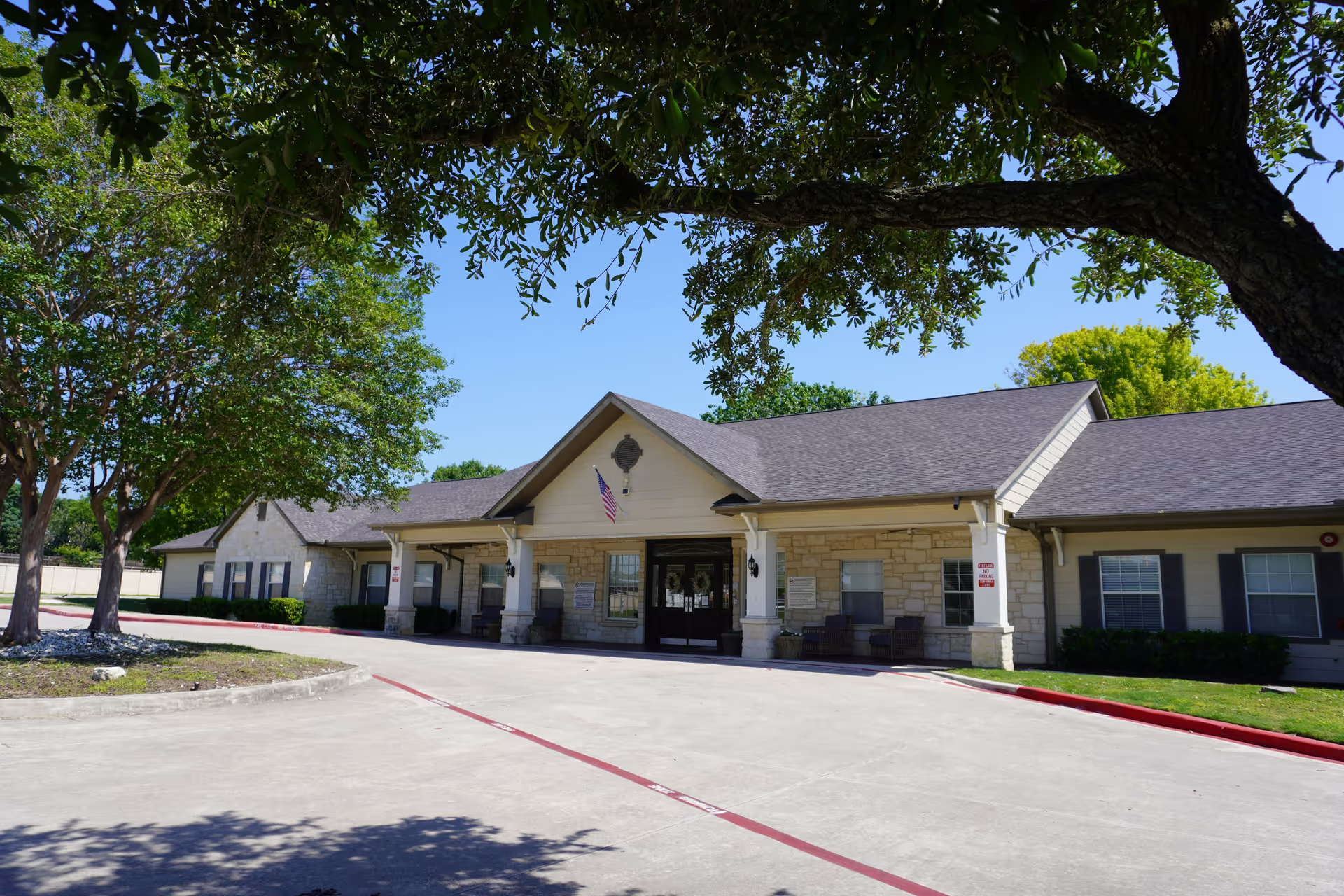
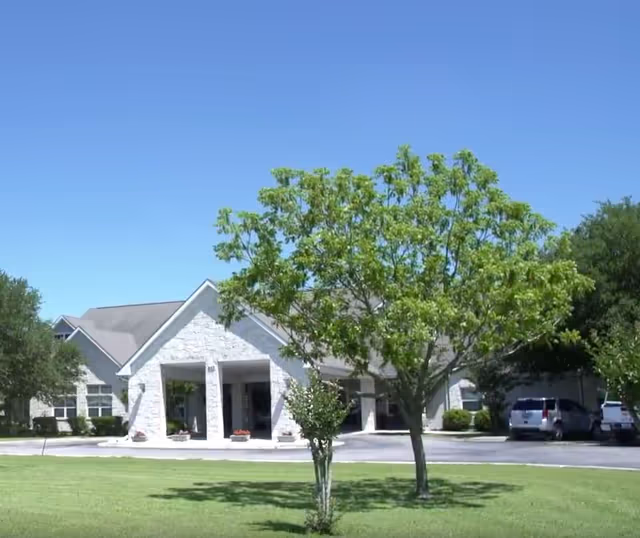
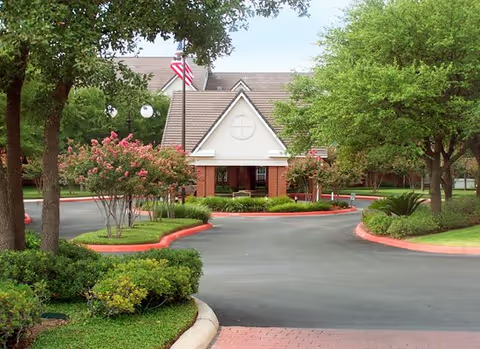
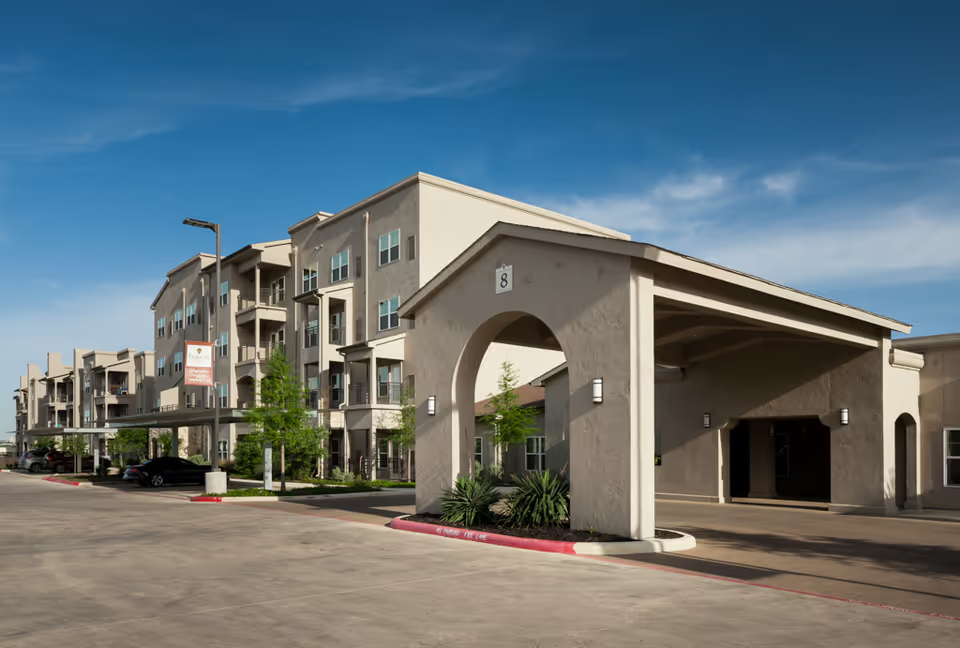
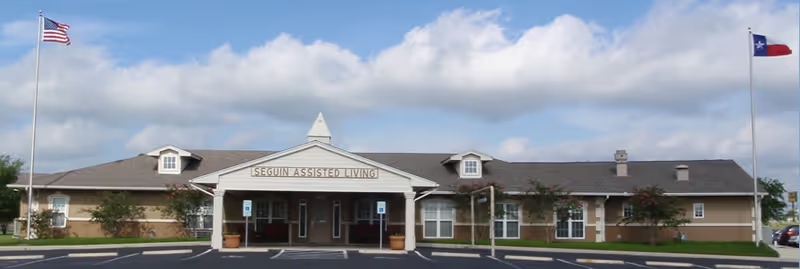
Frank M. Tejeda Texas State Veterans Home elicits strongly mixed impressions. Many families and visitors describe a clean, well-maintained facility with a warm, veteran-focused atmosphere. The physical environment is frequently characterized as bright, hotel-like, and homey, with landscaped grounds, ample common space, and a spacious memory care unit. Multiple accounts praise the facility’s activity programming, community outreach, worship opportunities, and special events that support veteran fellowship and social engagement.
Staff performance is a common dividing line in the reviews. Numerous reports highlight compassionate, patient, and attentive caregivers, effective nurses, and helpful administrative or front-desk personnel who create a welcoming experience. Therapy services, dining-room socialization, and volunteer involvement are noted as strengths that contribute to resident quality of life. At the same time, reviewers repeatedly point to inconsistent staffing levels, particularly overnight, and variability in caregiver conduct and competence. This inconsistency is associated with delays in routine assistance, uneven adherence to care plans, and occasional difficulties arranging or attending appointments.
Clinical care and safety present both positive examples and notable concerns. Families report effective daily health monitoring and appropriate medical attention in many cases, but there are recurring themes of delayed clinical response, lapses in follow-through on care plans for higher-acuity needs, and difficulties coordinating transfers or emergency care. Several reviews raise specific wound-care and pressure-injury management concerns and describe shortcomings in clinical documentation and care-plan implementation. In addition, reviewers mention delayed notification to families after incidents and limited oversight of monitoring systems, which undermines confidence in incident handling.
Operational and management themes include praise for courteous admissions procedures and occasional strong communication from supervisors, contrasted with reports of slow callbacks, poor complaint resolution, and perceived administrative unresponsiveness. Financial and eligibility questions — including confusion about veteran-specific pricing and billing — are recurrent, and there are serious allegations concerning theft and the handling of such investigations that families raised. Facility-level housekeeping is generally seen as strong, but some reviews identify sanitation and kitchen-cleanliness concerns and isolated pest-control worries.
Dining and activities are typically described positively: meals are often likened to home-cooked fare, dining rooms are social hubs, and activity directors are praised for engagement. However, food quality and meal delivery consistency are not uniform across accounts. The overall pattern in these reviews is polarization: the facility offers many strengths that suit veteran residents — respectful programming, pleasant facilities, and dedicated staff members — but persistent operational weaknesses (staffing variability, communication breakdowns, clinical follow-through gaps, and management responsiveness) produce inconsistent resident and family experiences. Prospective residents and families should weigh the facility’s strong veteran culture, environment, and activity offerings against the noted variability in clinical oversight, staffing reliability, and administrative responsiveness when deciding whether this home meets an individual’s care needs.