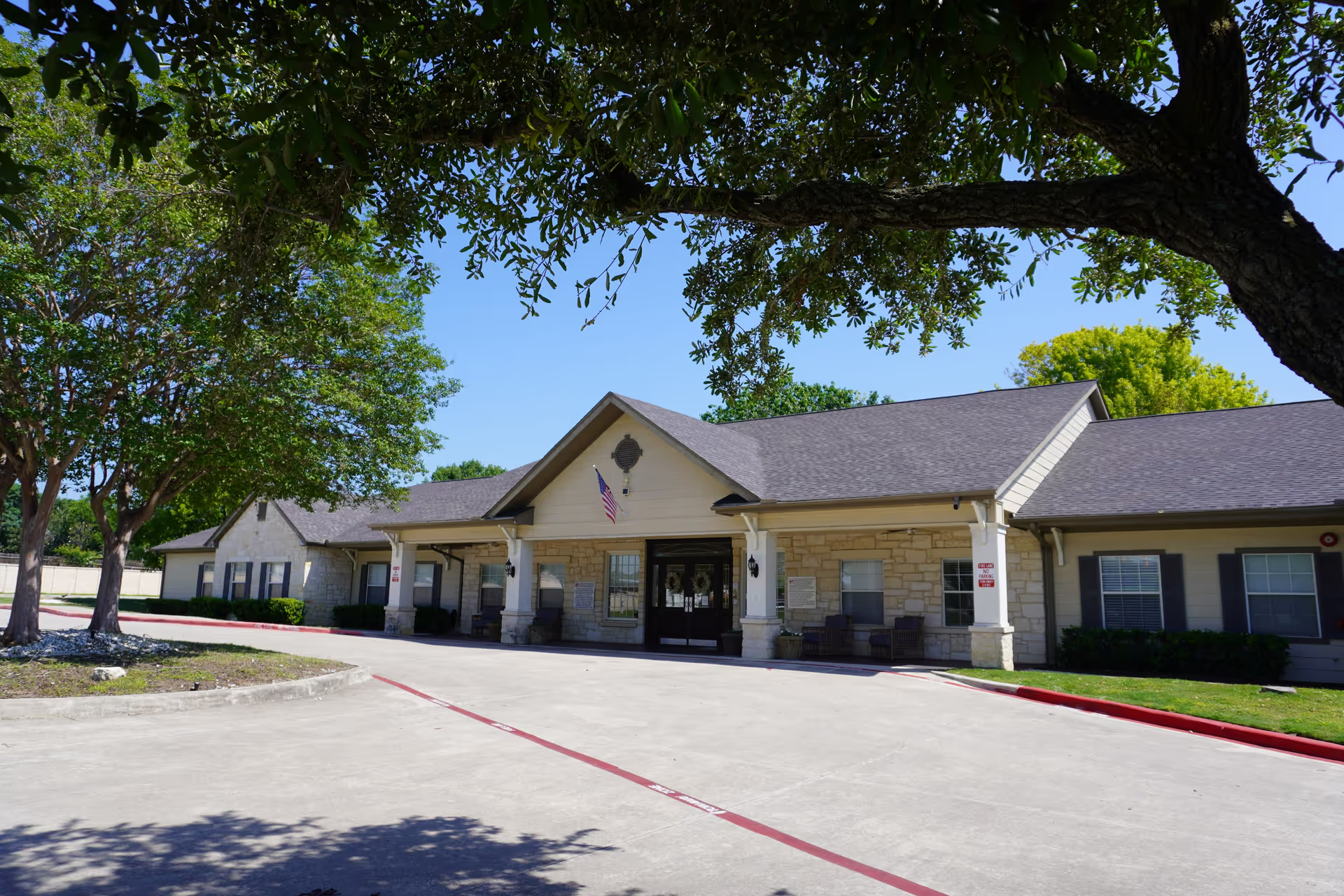
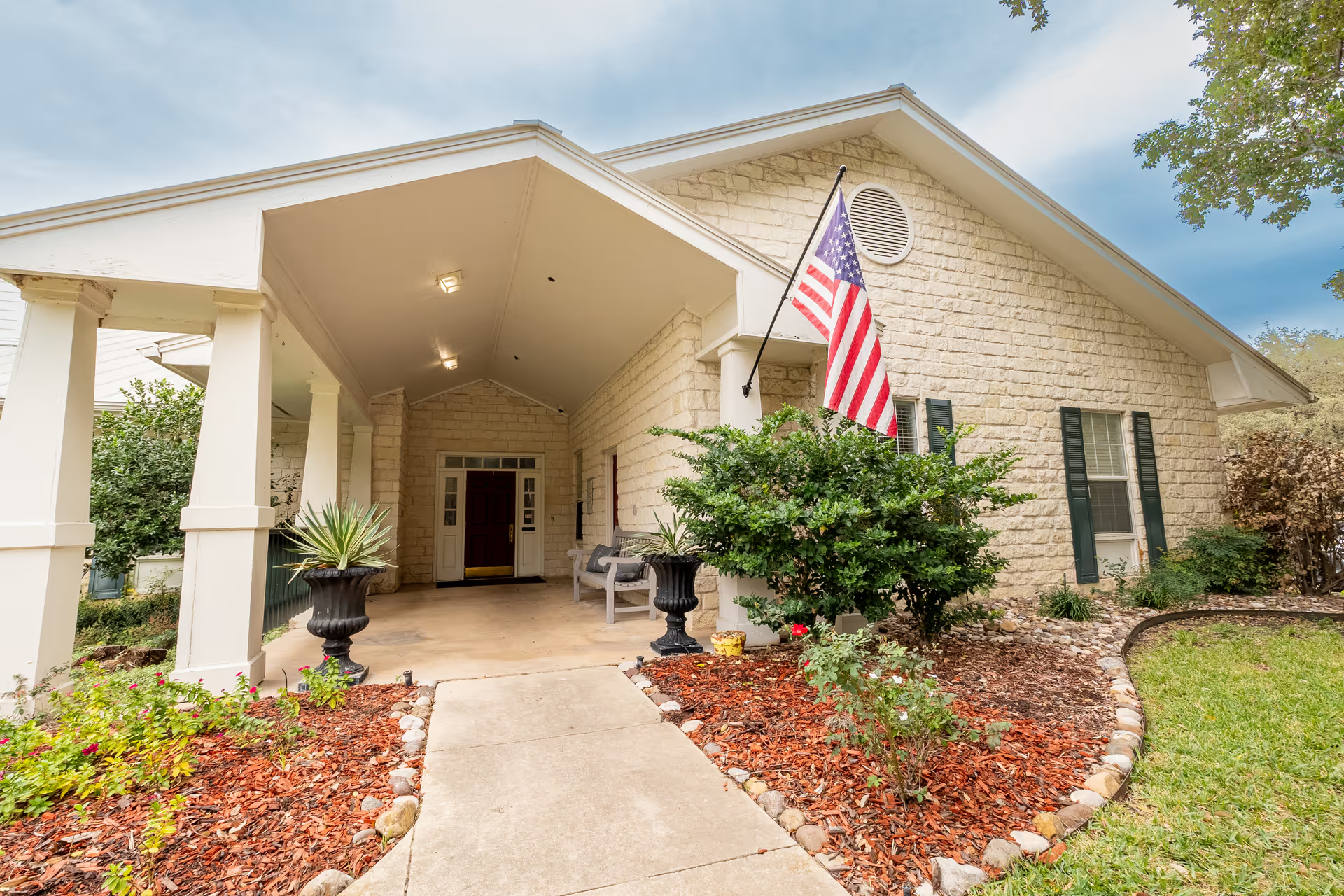
Overall impression: Prairie Meadows presents as a well‑kept, welcoming skilled‑nursing and rehabilitation center with repeatedly noted strengths in staff demeanor, cleanliness, and resident engagement. Many families describe friendly, attentive nurses and aides, coordinated care meetings, and an active life‑enrichment program that includes community outings. Admissions and leadership staff receive frequent praise for clear explanations and responsiveness, contributing to a generally positive, home‑like atmosphere.
Care quality and clinical issues: Clinical care receives mixed signals. Numerous comments highlight compassionate nursing, 24/7 availability, and effective coordination led by administration and the director of nursing. At the same time, several reviews describe serious clinical concerns — including reported progression of a pressure ulcer and difficulties with turning/positioning, delays in incontinence and hygiene support, and a reported gap in addressing withdrawal management. These items indicate variability in clinical consistency and suggest the need for prospective families to review wound‑prevention protocols, staffing patterns across shifts, and medication/withdrawal management procedures during admissions conversations.
Therapy and rehabilitation: The facility is identified as rehab‑focused and many families were satisfied with convalescent outcomes and staff engagement in therapy and care planning. However, some reviewers perceived a misalignment between expected rehab intensity and actual progress, and there are comments about a small or under‑equipped therapy space. Prospective residents should ask about therapy staffing ratios, the typical therapy schedule, and equipment availability to ensure services match recovery goals.
Dining: Dining experiences are described as generally positive — on‑schedule dinners, favorable meal service moments, and occasional praise for specific items. Conversely, there are reports of cold meals and challenges adapting to some dietary needs. These mixed observations point to variability in meal execution and temperature control; families should request sample menus and process details for special diets.
Activities and community life: The activities program and director receive strong, consistent praise for keeping residents engaged and involved in community outings and on‑site events. Reviewers emphasize an active social environment and a staff that fosters resident participation, which contributes to residents’ reported satisfaction and mood.
Facilities and operations: The building is frequently described as clean, bright, and well‑decorated with a welcoming smell and maintained common areas. Maintenance responsiveness is noted positively. That said, some operational concerns surface around staffing variability (which correlates with delayed call‑light responses reported by some), and an allegation of a missing personal item raises questions about asset‑protection practices. Prospective families should review policies for personal‑belonging tracking and security.
Management, cost, and notable patterns: Leadership and front‑line staff are often commended for communication, problem resolution, and family comfort. Still, a pattern of inconsistent care practices and resourcing gaps appears in several critiques. Cost is a distinct concern for some — private‑pay rates described as high relative to perceived value — so reviewing contract terms, included services, and out‑of‑pocket expectations is recommended.
Recommendation for families: Many families report positive experiences driven by compassionate staff, clean facilities, and strong activity programming. To address the variability noted in reviews, prospective residents and families should: tour the therapy space and ask about equipment and therapy schedules; inquire about wound‑prevention protocols, turning schedules, and pressure‑ulcer monitoring; review staffing ratios and overnight coverage; discuss dietary accommodations and meal‑service temperature controls; and confirm policies for medication management and safeguarding personal items. These targeted inquiries will help determine whether Prairie Meadows’ strengths align with an individual’s clinical and quality‑of‑life needs.