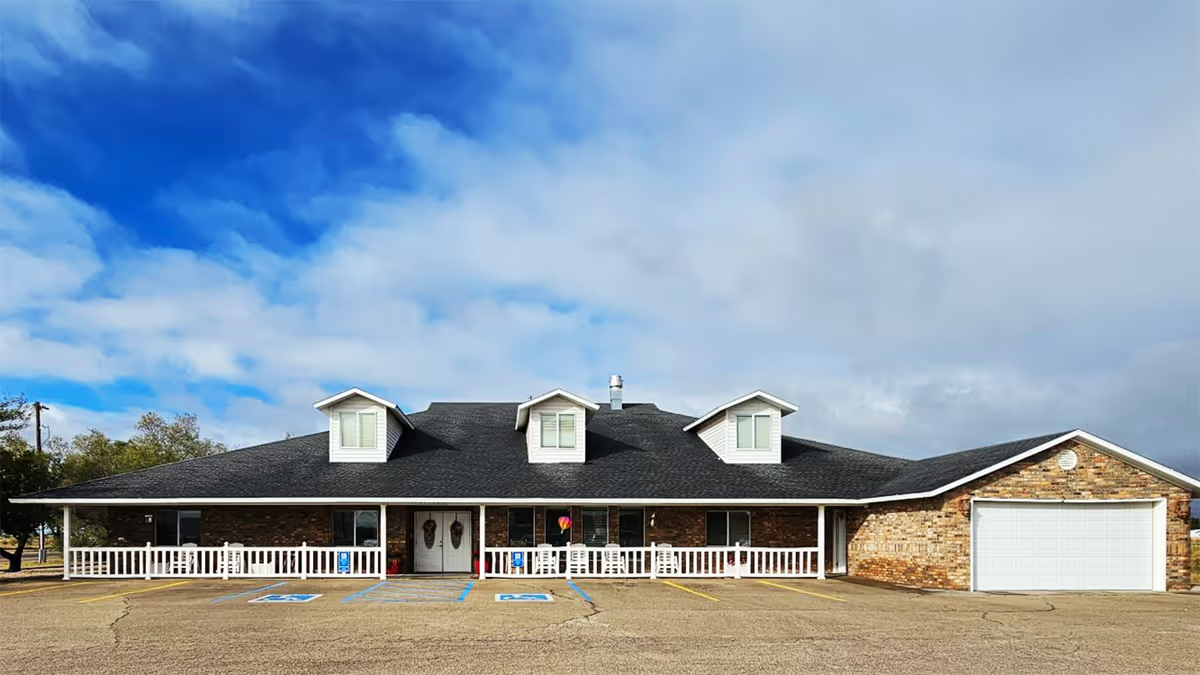
Focused Care at Fort Stockton is frequently described as a small, community-oriented assisted living/nursing setting with a strong emphasis on person-centered interactions. Reviewers consistently highlight a compassionate, resident-focused staff and engaged leadership; administrators and the ADON are noted as attentive, and staff members are repeatedly described as willing to provide extra support such as holiday coverage, transportation to family events, and warm greetings to visitors. The facility’s scale and home-like atmosphere are seen as positives for families seeking a more intimate setting.
Care quality impressions are mixed. Many accounts praise individual caregivers for kindness and dedication, and families appreciate hands-on support from nursing leadership and social work. At the same time, there are recurring operational concerns: understaffing is cited as a significant constraint, and reviewers describe variability in clinical-care quality and responsiveness across shifts. There are also indications that staff feel limits in their ability to deliver comprehensive dementia care, suggesting a need for additional dementia-specific resources, training, and staffing models.
Dining and activities receive generally favorable remarks. The facility is noted for visible meal preparation and a welcoming dining atmosphere; staff and leadership encourage volunteer participation and family engagement. Directors and administrators are described as sharing an ethos of meeting aging needs, which translates into community-oriented activities and openness to visitors.
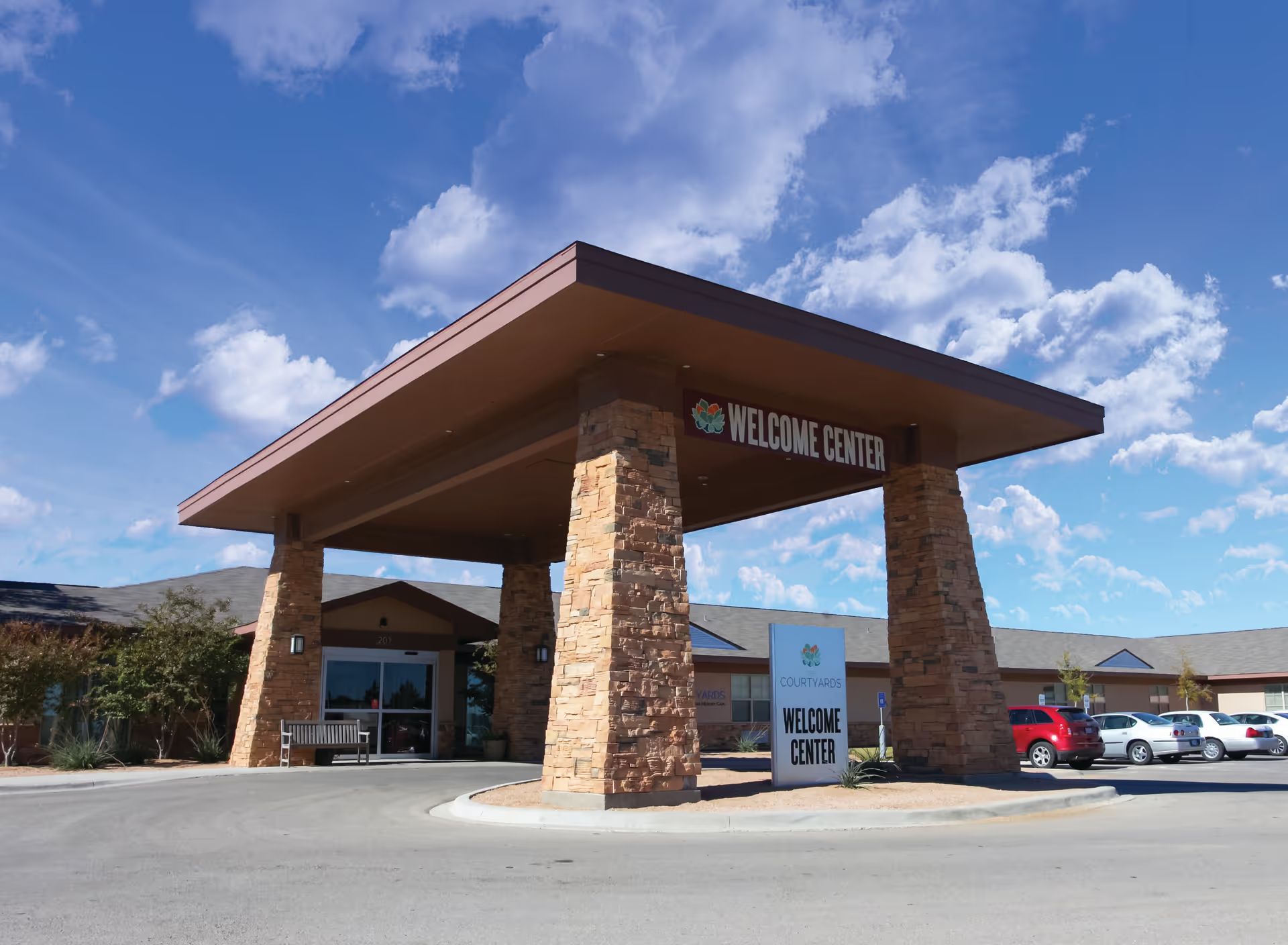
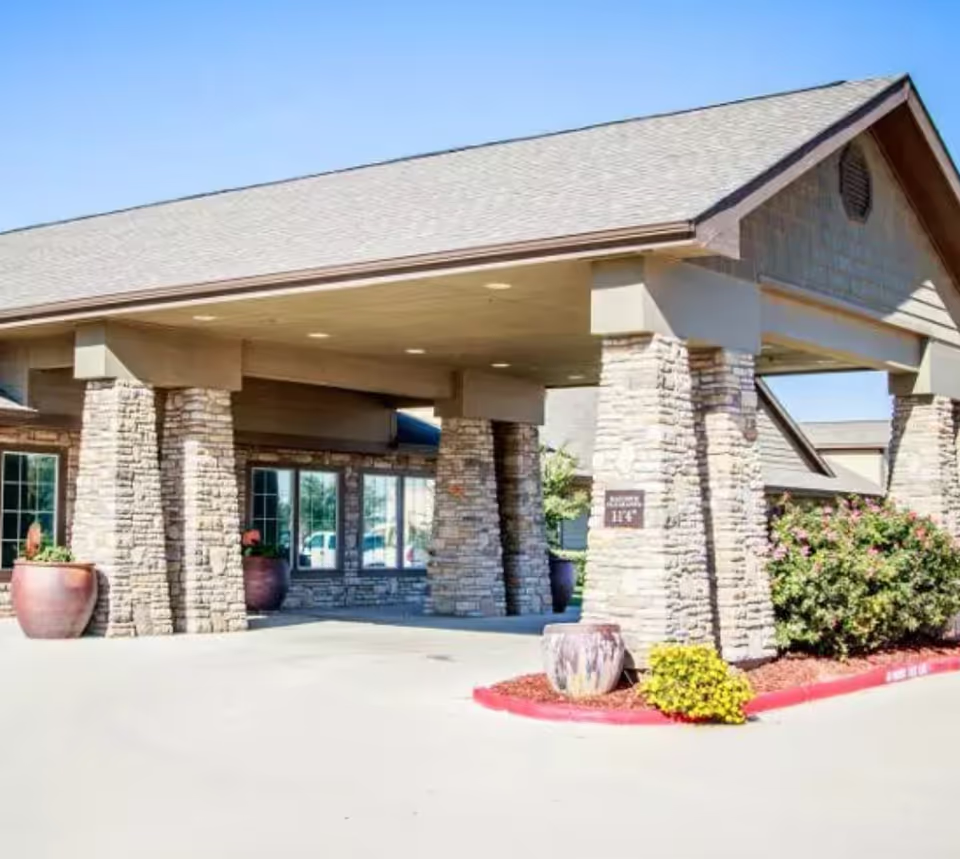
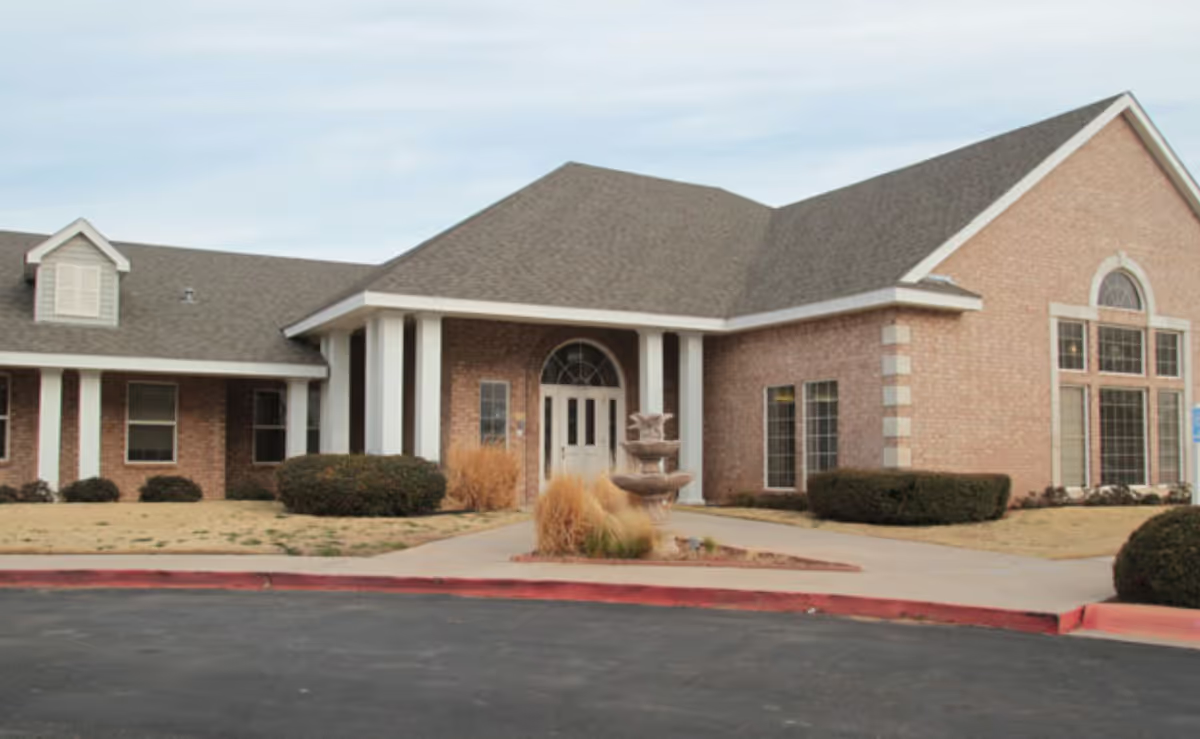
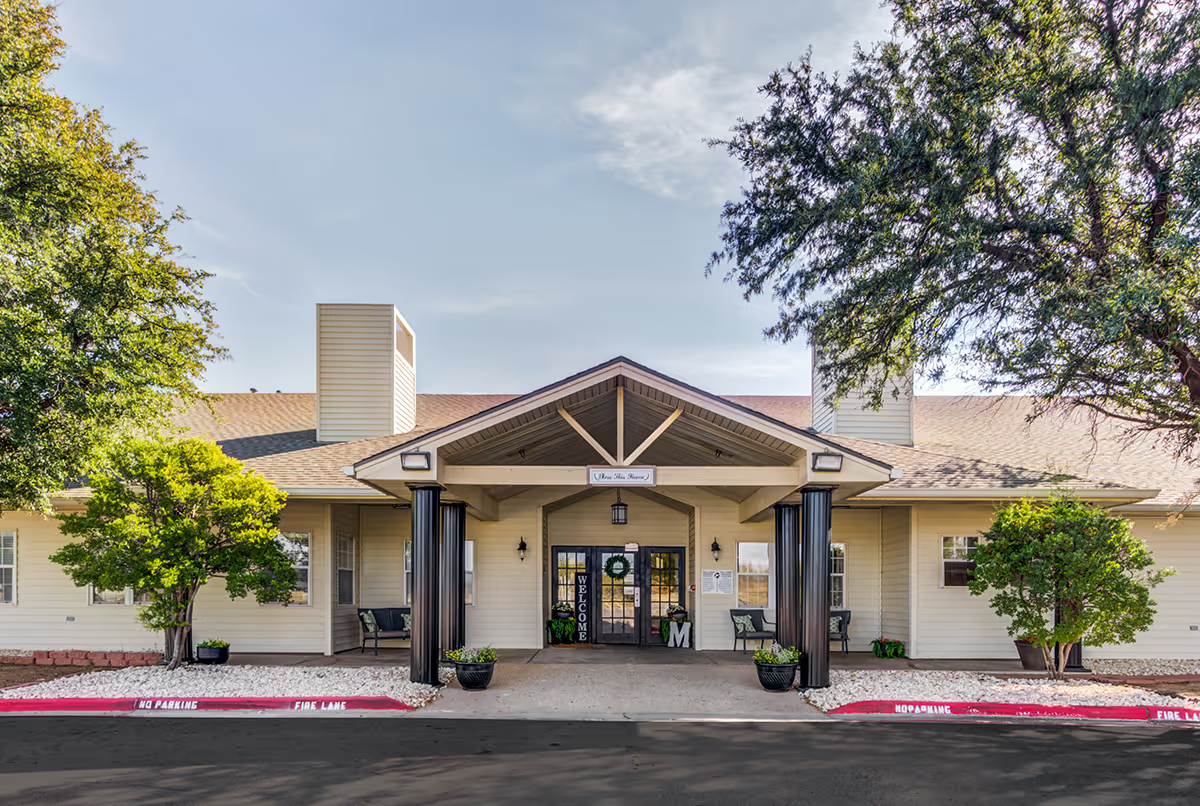
The physical plant is reported as clean and well maintained. Multiple mentions of maintenance staff going above and beyond and of a pleasant, home-like environment point to effective routine upkeep. Visitors report feeling welcomed and appreciated during tours and visits.
Management impressions are twofold. Recent leadership has been credited with a positive turnaround and hands-on attention to residents and staff. However, reviewers also describe administrative accessibility problems—long hold times, difficulty reaching the right person by phone—and a history of operational inconsistency tied to leadership transitions. These issues combine with staffing constraints to create variability in family confidence about placing a loved one.
Recommendation: Prospective residents and families should weigh the facility’s strengths in personalized, community-style care, engaged leadership, and a clean environment against persistent operational challenges such as staffing levels, dementia-care resources, and administrative communication. During a tour, ask for current staffing ratios, dementia-care training and protocols, examples of recent leadership initiatives, and how families can reach clinical and administrative staff promptly. Observing a mealtime and speaking with nursing leadership and the social worker can help assess day-to-day consistency and responsiveness.