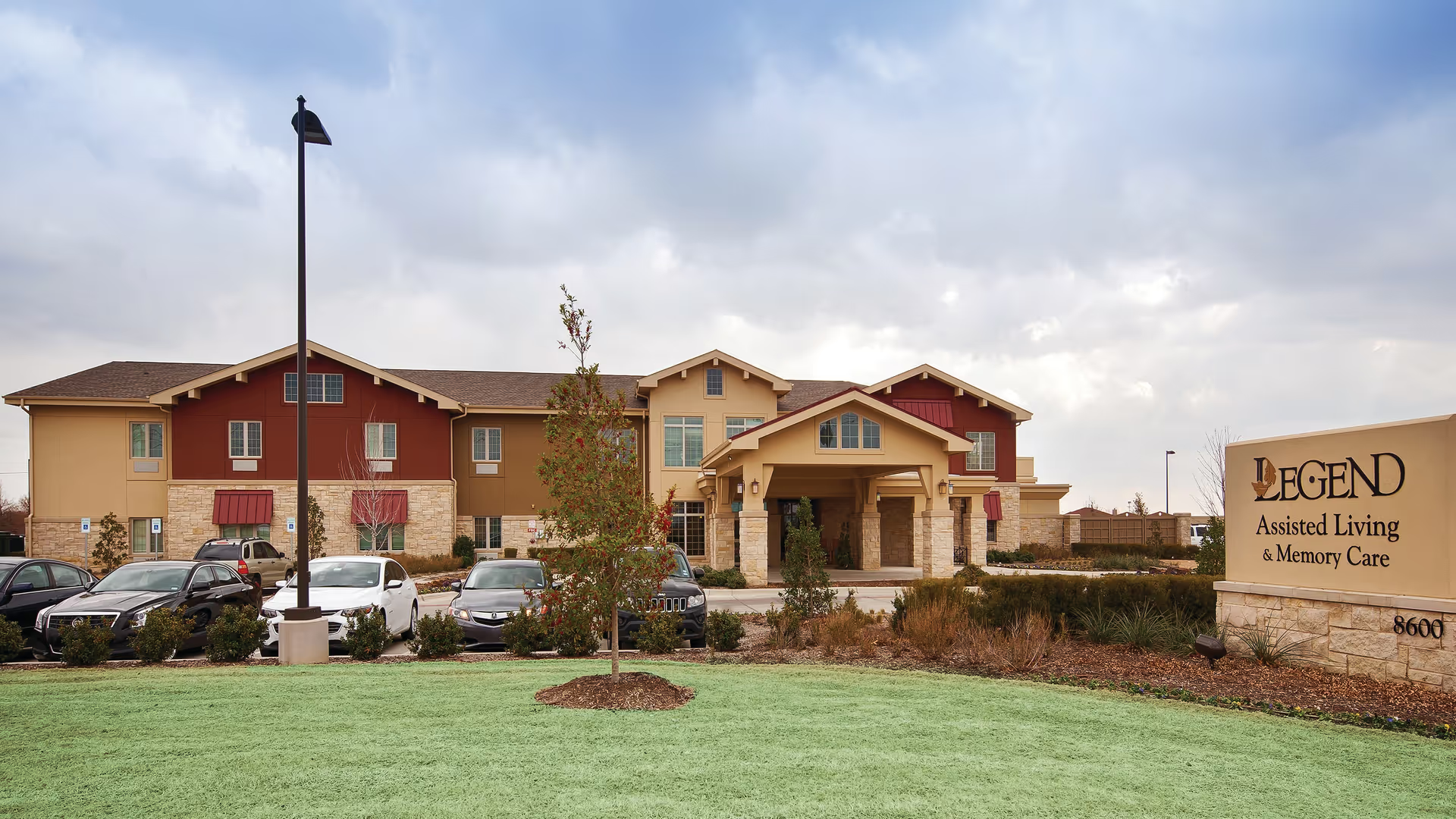
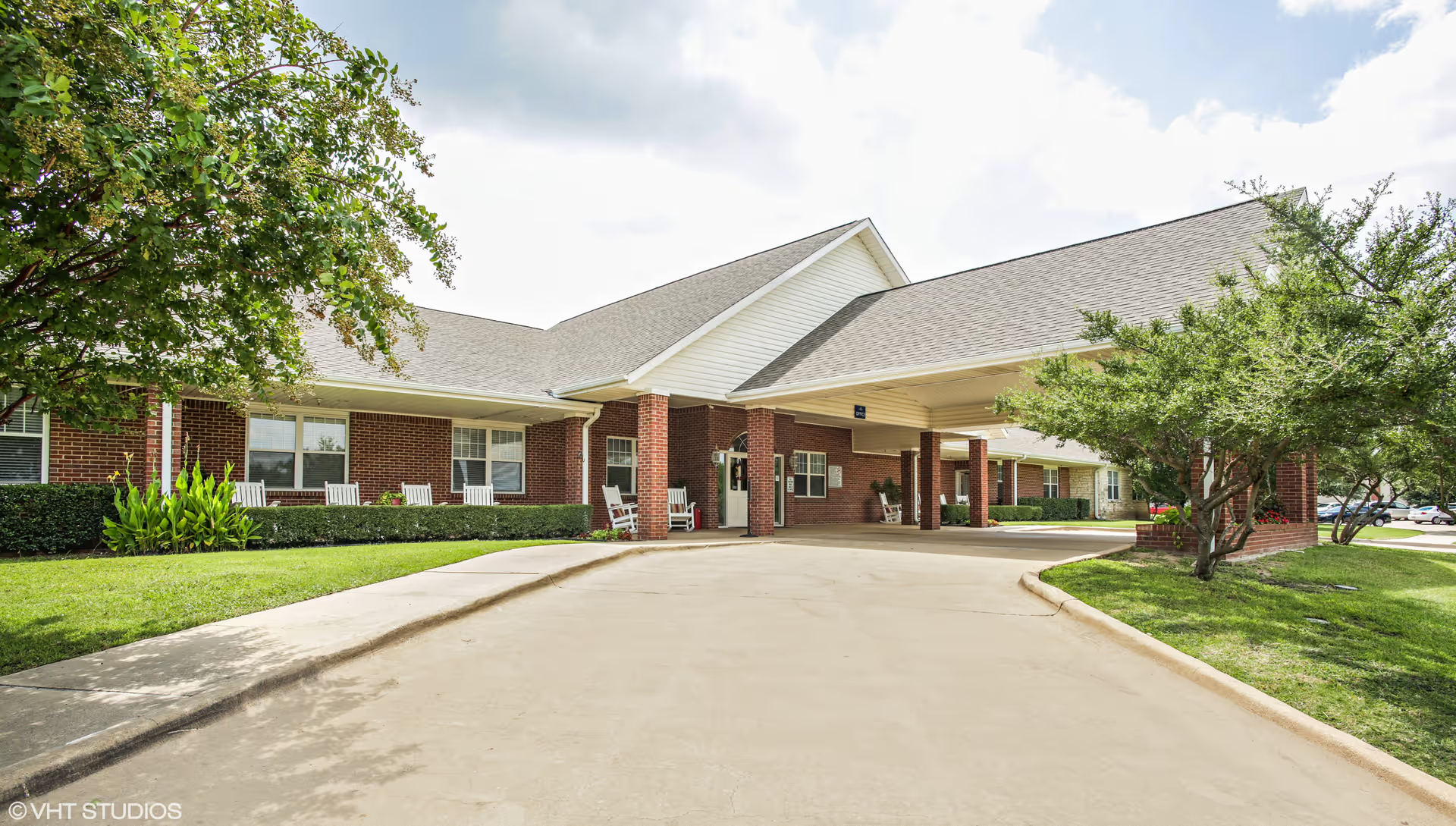
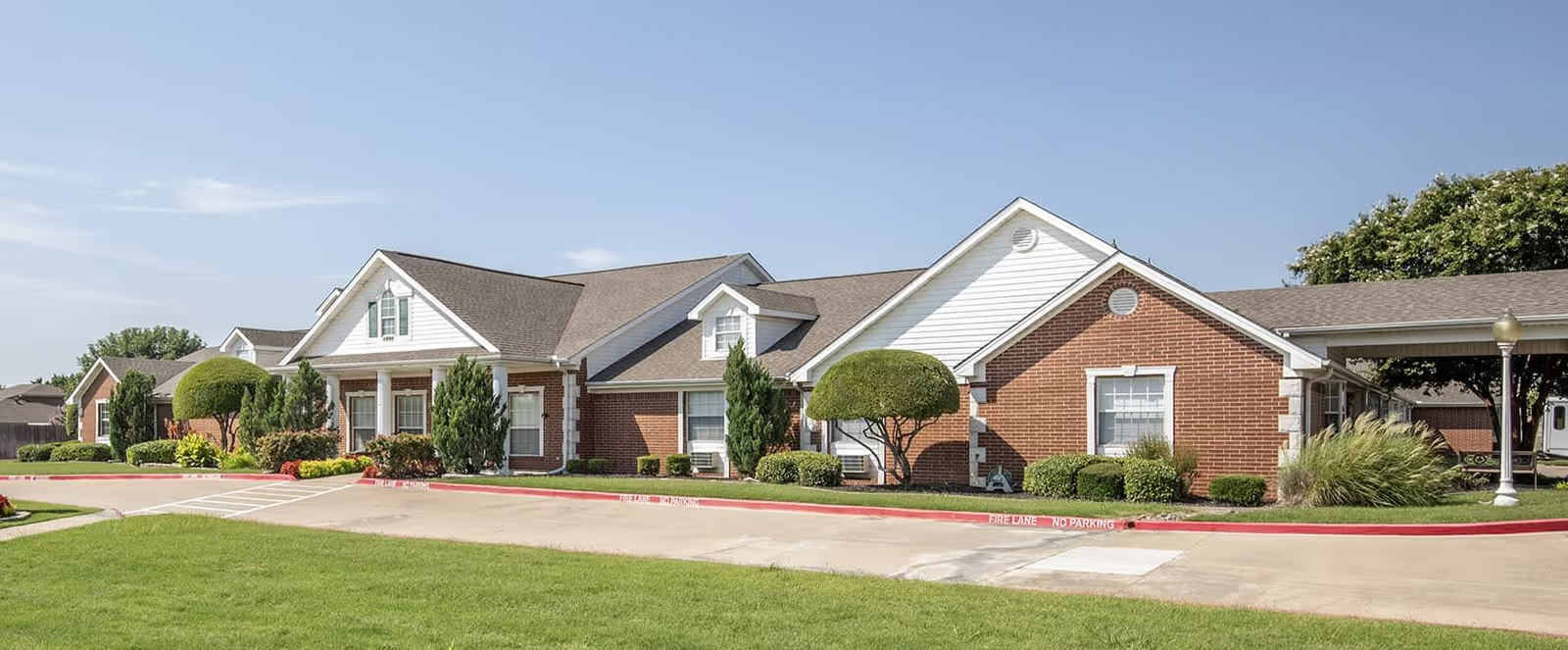
Legend Oaks Healthcare and Rehabilitation — Fort Worth receives a mix of strong endorsements and serious operational concerns. Many accounts highlight clinically positive outcomes: a well-regarded rehabilitation program (physical, occupational, and speech therapy) that produces measurable functional gains, knowledgeable wound-care clinicians, and nursing and CNA staff who deliver compassionate, dignity-focused interactions. Admissions and front-desk staff are repeatedly described as welcoming and helpful, and multiple reviewers praised unit-level therapists, maintenance, and housekeeping for responsiveness and professionalism. The facility’s physical environment also draws consistent praise: a clean, modern building with pleasant décor, an accessible courtyard and communal spaces, and an institutional appearance that many families found comfortable and home-like.
Dining and activity offerings present a mixed picture. Several families praised standout culinary offerings and an engaged dietary team, with occasional specific high-quality items noted. At the same time, other accounts describe variability in meal quality, intermittent use of temporary kitchen staff, and concerns about diabetes-specific meal management. Activities programming and family-inclusive events (live music, holiday celebrations, frequent activities) are frequently cited as strengths that support resident engagement and family involvement.
Operational and safety patterns are more uneven. A recurring theme is inconsistent staffing levels, particularly on nights, weekends and holidays, which reviewers connect to long waits for assistance, slow call-button responses, delayed medication administration, and episodic lapses in room-level housekeeping or supply availability. Several accounts raise concerns about medication and pharmacy coordination, and there are descriptions that imply gaps in transfer and fall-prevention practices and in clinical oversight. A subset of accounts describes serious safety and conduct concerns, including formal complaints and references to regulatory scrutiny; these items represent high-severity individual claims that coexist with many positive clinical reports.
Communication and management experiences vary. Many families praised proactive clinicians and specific administrators for responsiveness and improvement efforts, while others described management turnover, billing or scheduling coordination problems, inaccessible social-work support, and inconsistent frontline professionalism. These mixed management reports suggest variability in leadership consistency and unit-level execution. Prospective residents and families should weigh the facility’s clearly strong rehabilitative and therapeutic resources and the well-maintained environment against operational variability in staffing, meal continuity, communication, and certain aspects of clinical oversight. For decisions about admission or discharge planning, consider an in-person assessment of staffing patterns at the unit level, clarification of diet and medication protocols, and specific questions about fall-prevention and call-response metrics; families who have acute safety concerns may also wish to review any regulatory findings or formal complaint outcomes prior to placement.