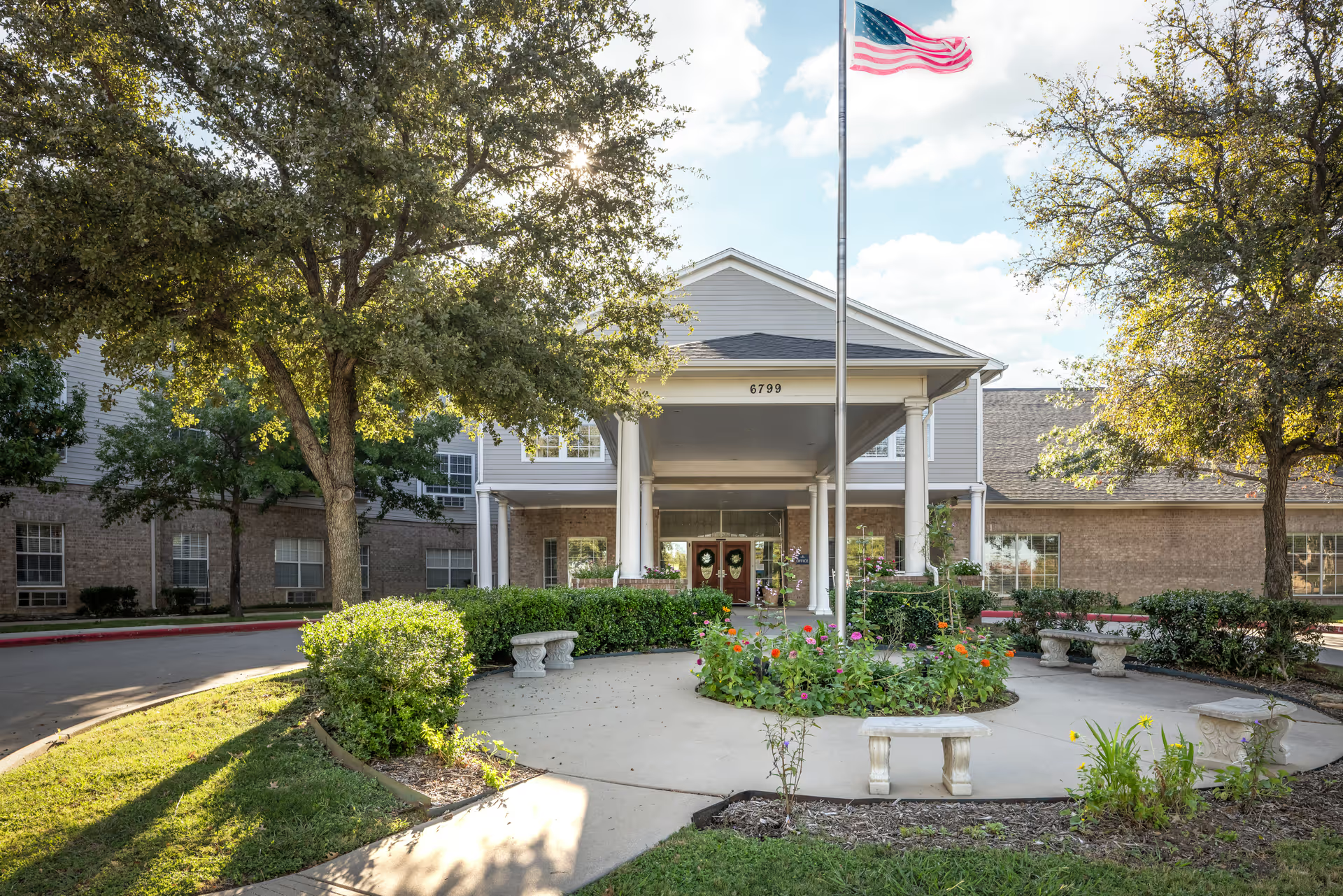
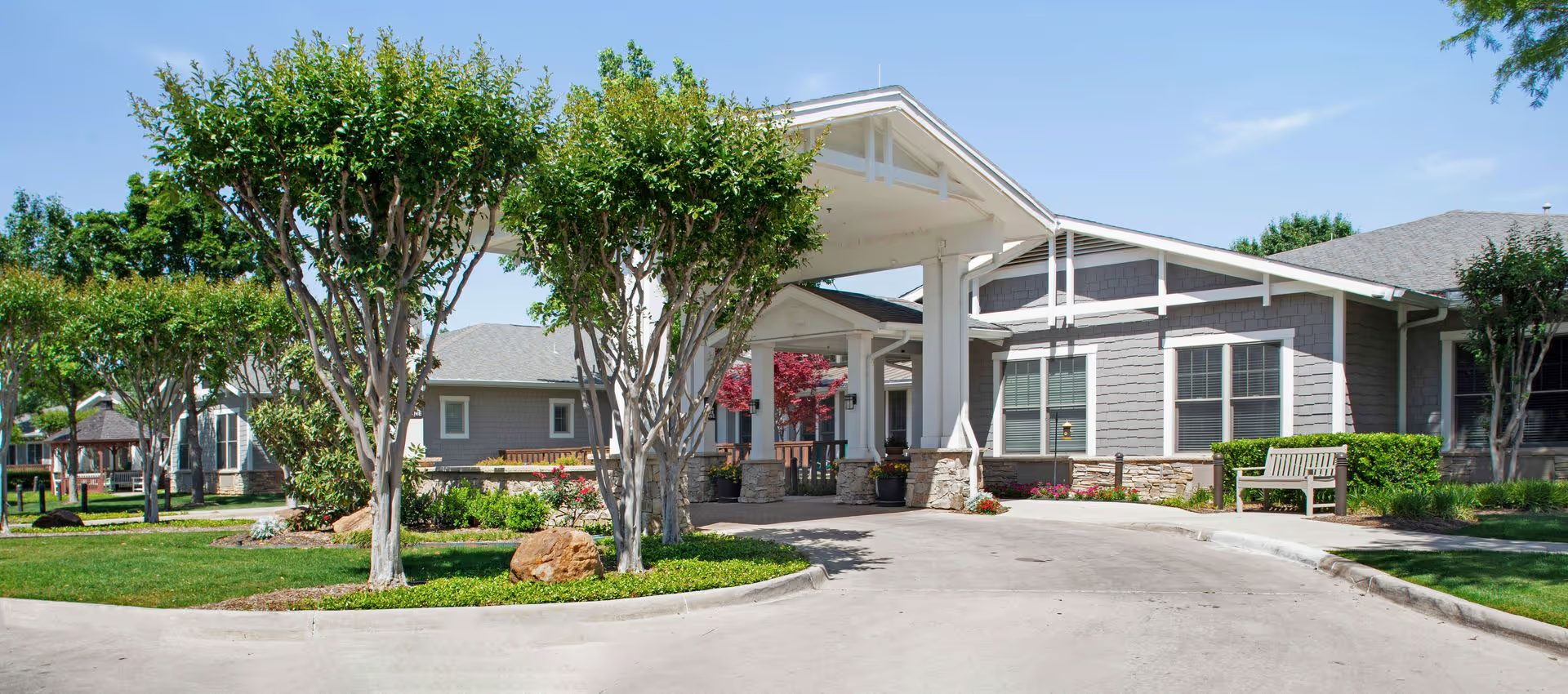
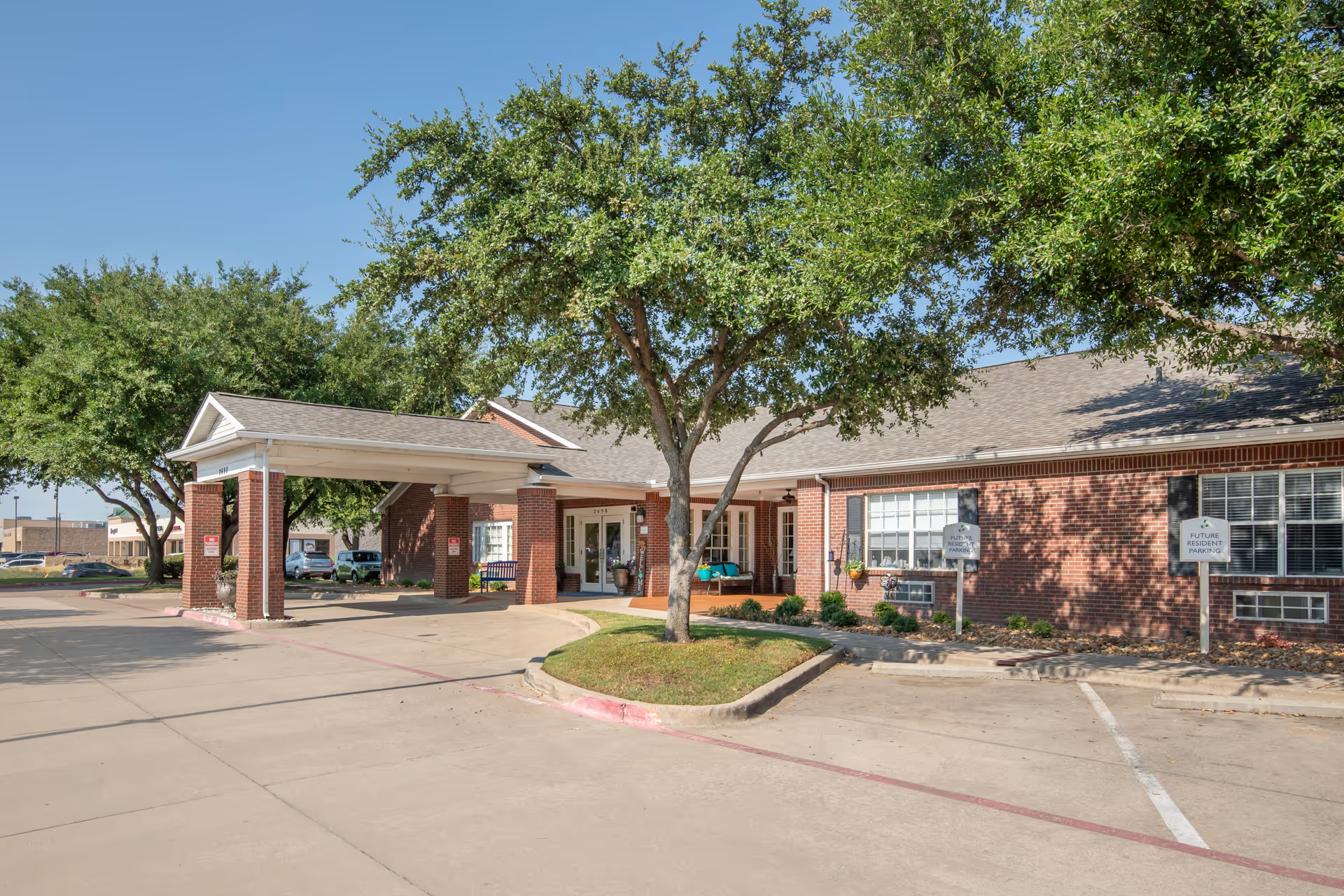
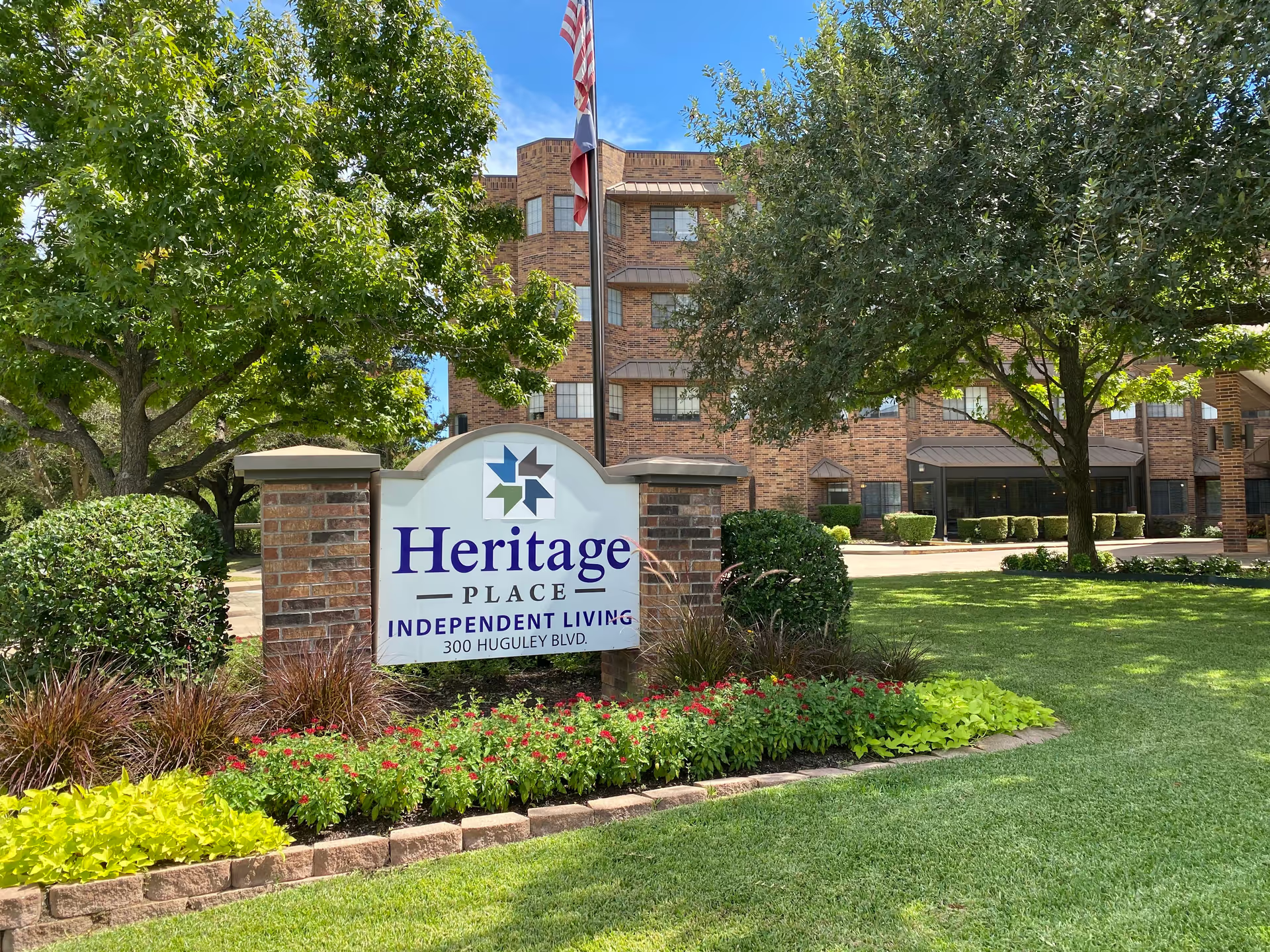
Trail Lake presents a mixed profile. Its rehabilitation services are consistently cited as a strength: an established PT/OT/ST team, a well‑equipped therapy gym, and relatively prompt initiation of skilled therapy are recurring positives. Many reviewers praised individual caregivers, CNAs, and therapists who provided compassionate, personalized attention. The facility’s public spaces — an airy interior, courtyard and maintained common areas — are frequently described as attractive and pleasant.
At the same time, there are persistent operational weaknesses that families should weigh. Nursing coverage and responsiveness emerge as a central concern: long call‑light delays, inconsistent assistance with personal care and bathing, and uneven monitoring of clinical needs such as oxygen, IV therapies, and wound care are described. Multiple accounts point to medication management problems, including mix‑ups and lapses in monitoring, which contribute to perceptions of clinical risk. Safety practices around transfers and fall prevention were noted as inconsistent in a number of accounts.
Cleaning and sanitation show a split picture: while common areas are often kept presentable, room‑level cleanliness and incontinence‑care practices are inconsistent across units. Dining experiences vary widely — some describe visually appealing, substantial meals while others report small portions, cold food, and limited variety — and dining service continuity is described as uneven. Maintenance is commonly praised for responsiveness to building issues, yet equipment problems (broken or non‑functioning beds, supply shortages) were also reported.
Management and culture present mixed signals. Admissions and pre‑admission interactions are often described as helpful, but several families described weak post‑admission communication, billing and refunding errors, and slow administrative follow‑through. Staff turnover, short‑staffing, and workplace‑culture problems are mentioned as factors that erode consistency of care. There are also serious individual claims—including allegations of missing personal items and inappropriate staff behavior—that suggest the importance of reviewing incident reporting, security controls, and grievance resolution processes during a tour.
For prospective residents and families: confirm current staffing ratios, ask for recent inspection or quality reports, review medication‑safety and wound‑care protocols, observe mealtime service and unit cleanliness (not only public spaces), and meet the therapy team if rehab is a primary need. Trail Lake demonstrably offers strong rehab and several dedicated caregivers, but the facility also displays recurring operational gaps that could affect higher‑acuity residents or those needing close clinical oversight.