Overall impression: Reviews present a facility with clear strengths in hands-on care, rehabilitation, and dining, paired with facility-maintenance and policy-related concerns that prospective families should investigate further. Many accounts emphasize competent clinical staff and a strong therapy program, while others point to operational and regulatory issues that warrant attention.
Care quality and clinical services: The facility is repeatedly characterized as providing high-quality clinical and rehabilitative care. Reviewers note accessible nursing staff, prompt responses to accidents or acute needs, and a robust rehabilitation program that includes physical, occupational, and speech therapy—sometimes delivered with daily or twice-daily frequency. At the same time, there are indications of variability in responsiveness to certain care needs; some families describe delays or lapses in attention. Given the contrast between generally positive clinical impressions and isolated serious concerns, families should ask about current staffing levels, average response times, and recent quality metrics during a visit.
Staff and culture: Staff are commonly described as cheerful, caring, and respectful, with multiple accounts noting that employees seem engaged and that nurses are attentive. Activity staff and drivers are singled out as reliable and personable. These reports suggest a positive day-to-day culture among direct-care employees. However, several comments reference perceived organizational priorities and a small number of serious allegations; these create a mixed picture of management–staff dynamics and accountability that deserves review of complaint resolution processes and regulatory history.
Dining and activities: Dining is a consistent strength in the reviews—meals are described as well-prepared, palatable, and an improvement over hospital food. Activity programming is similarly praised: there is a dependable weekly calendar, an active activity director, and plenty of entertainment and social options. A notable limitation is that programming appears less adaptable for residents with advanced cognitive impairment, so families of residents with dementia should ask how activities are individualized and what resources support engagement at varying cognitive levels.
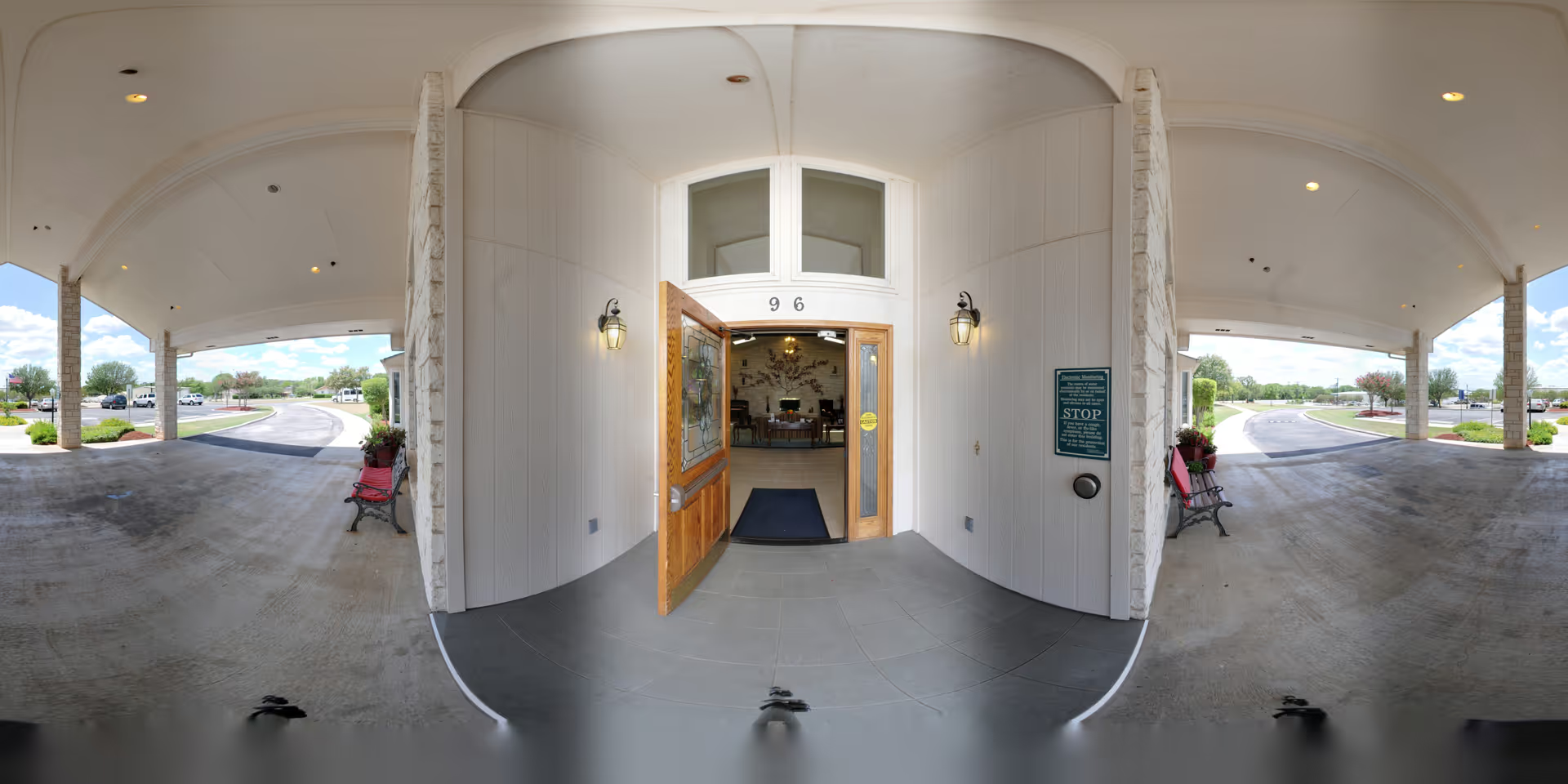
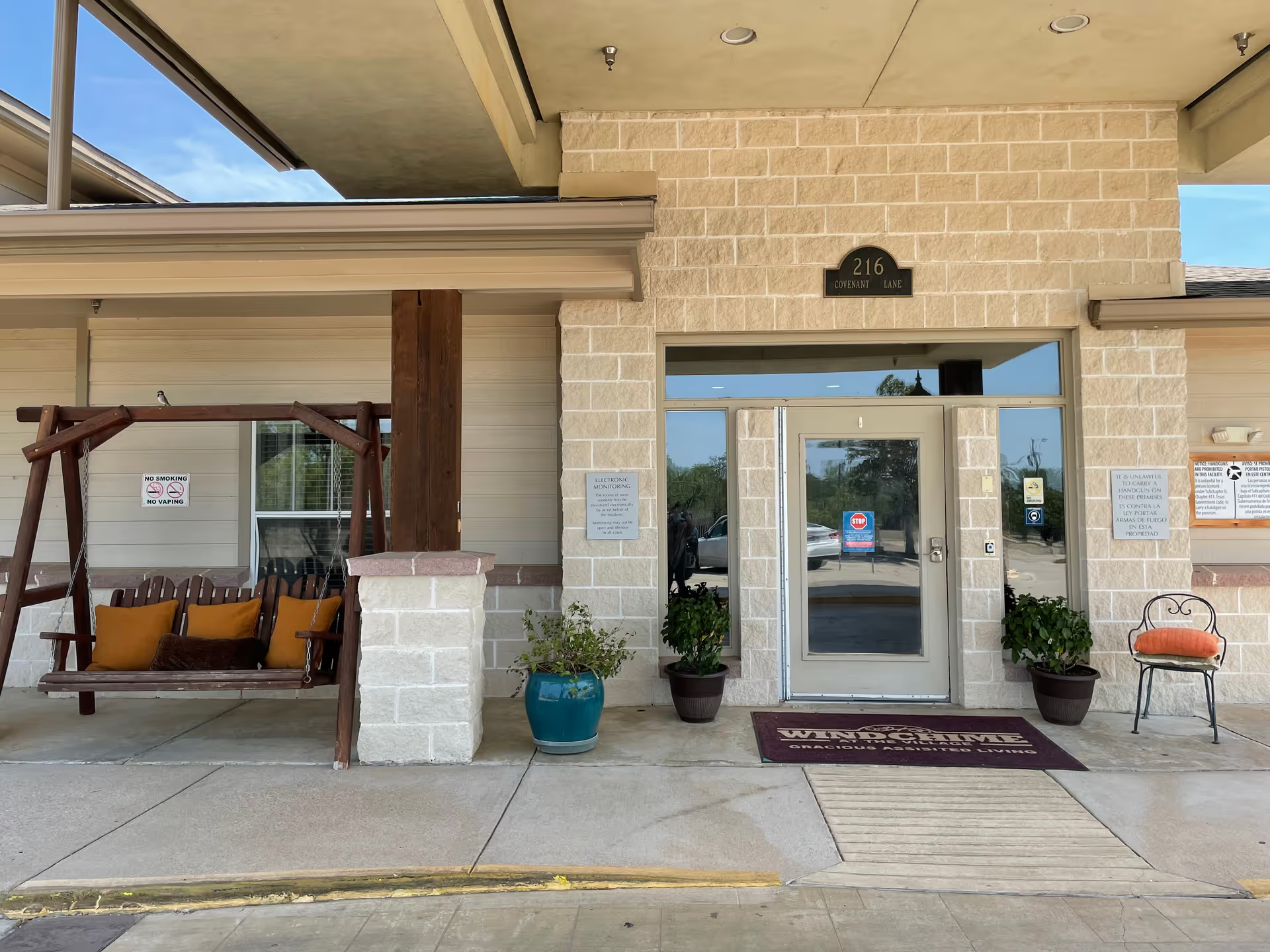
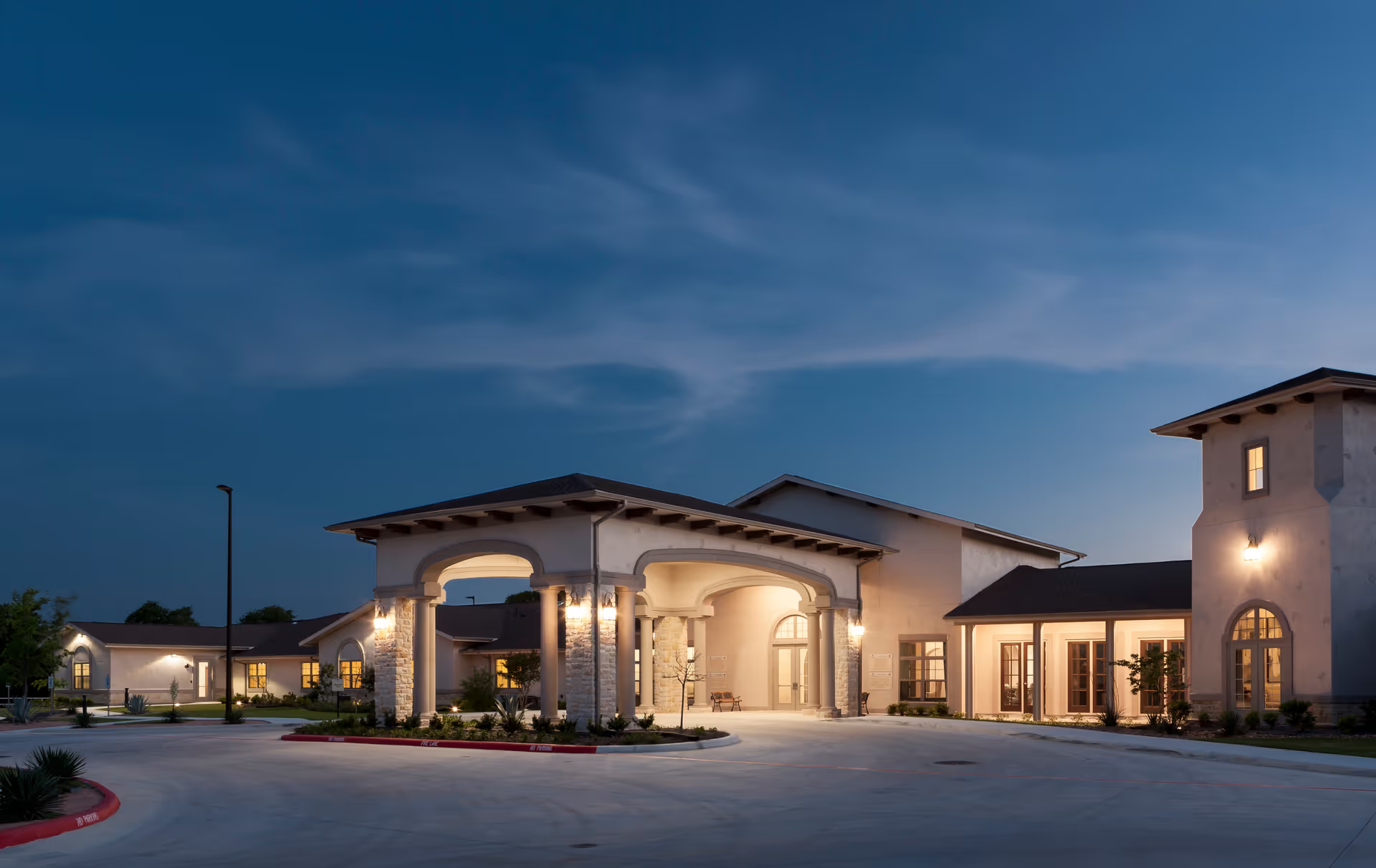
Facilities and environment: Cleanliness and general maintenance of common areas and rooms receive positive mention, but these strengths coexist with an aging physical plant. Reviewers cite deferred maintenance needs, outdated furnishings, and occasional odor concerns in parts of the building. The facility therefore presents as well-kept in routine housekeeping but in need of capital updates to decor and some repairs. Assessing unit-level conditions during a tour is recommended.
Management, policy, and notable patterns: Several reviews raise management-level issues: perceptions of an emphasis on revenue, restrictive visitation policies during infection-control events, and at least one set of serious allegations involving medication management and resident rights that has attracted regulatory attention. These are distinct from routine operational criticisms and should prompt direct inquiry into recent inspection reports, complaint records, medication-safety protocols, and the facility’s process for handling family concerns. COVID-era visitation restrictions are referenced; clarify current visitation policies and flexibility for long-distance families.
Bottom line and suggested next steps: The facility shows meaningful strengths in hands-on caregiving, a strong rehab program, engaging activity offerings, and meal service. Counterbalancing those positives are facility-age issues, occasional odor and furnishing deficits, variability in responsiveness, and serious allegations that merit verification. Prospective residents and families should tour the building, observe mealtimes and activities, request recent inspection and staffing records, ask about medication-safety practices and complaint-resolution procedures, and discuss individualized activity plans for cognitive impairment before making a placement decision.