Morning Star Memory Care is described overall as a small, home-style memory-care residence with an emphasis on individualized attention and a family-run atmosphere. The facility is licensed for assisted living and operates a small 15–16 resident memory unit in a fully secured environment. Reviewers consistently note compassionate, friendly staff and an RN on staff who is a Certified Dementia Practitioner; these clinical strengths are reflected in accounts of attentive care, knowledge of residents’ needs, and availability of palliative/end-of-life services.
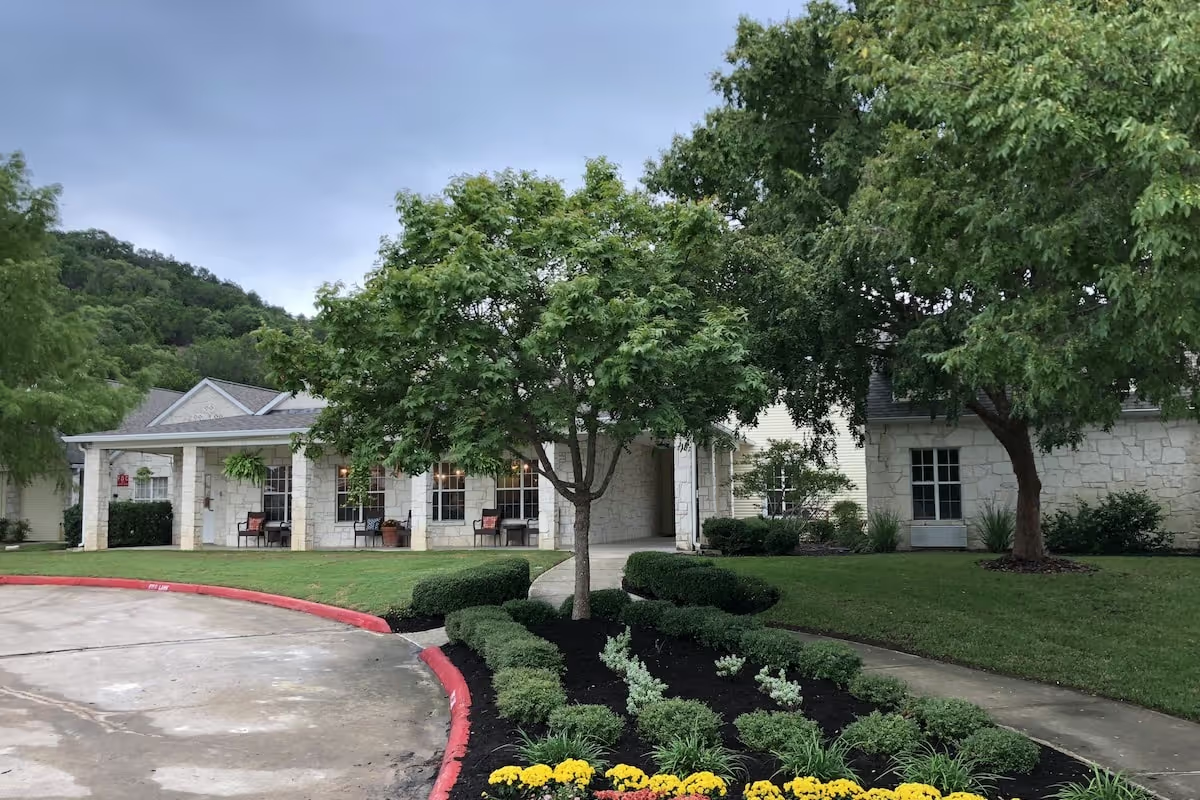
Dining and daily-life amenities are frequently cited as positives. Multiple accounts describe home-cooked, fresh meals, a pleasant dining area, and on-site hair salon services. The site also offers a large yard and patio that support outdoor events and provide residents with freedom of movement indoors and outdoors; common spaces are generally described as clean and welcoming, with ample visiting areas that support family interaction.
At the same time, reviewers describe operational and facility-level challenges that prospective families should weigh. Staffing stability and on-floor presence are inconsistent at times, with reports indicating turnover and periods when fewer staff are available. Programmatically, activity offerings have been curtailed for some residents (noted particularly in the period since COVID), resulting in variable engagement opportunities. Laundry handling and personal-property controls emerged as a recurring concern, including loss or mixing of clothing and footwear, which suggests gaps in property-management processes. Administrative functions also show weaknesses: families noted communication gaps when raising concerns and difficulties with billing or refund resolution.
Physical-plant characteristics are mixed. The small scale and home-like design are strengths for people seeking an intimate setting, but the building is described as older and in need of updates; notably, rooms lack private in-suite bathrooms, which is an important consideration for long-term comfort and care needs. Food quality is generally viewed positively, but menu variety and food-option flexibility were mentioned as areas for improvement by some families.
In sum, Morning Star appears to offer person-centered dementia care in a small, secure, and compassionate setting, with strengths in clinical dementia expertise and family-oriented culture. Prospective residents and families should balance those strengths against operational limitations such as staffing consistency, activity programming, property-management practices, administrative responsiveness, and certain physical-plant constraints (including the absence of in-room bathrooms). Visiting the facility, meeting the clinical team, and clarifying policies for belongings, activities, and billing during the tour would help families assess fit given these mixed patterns.