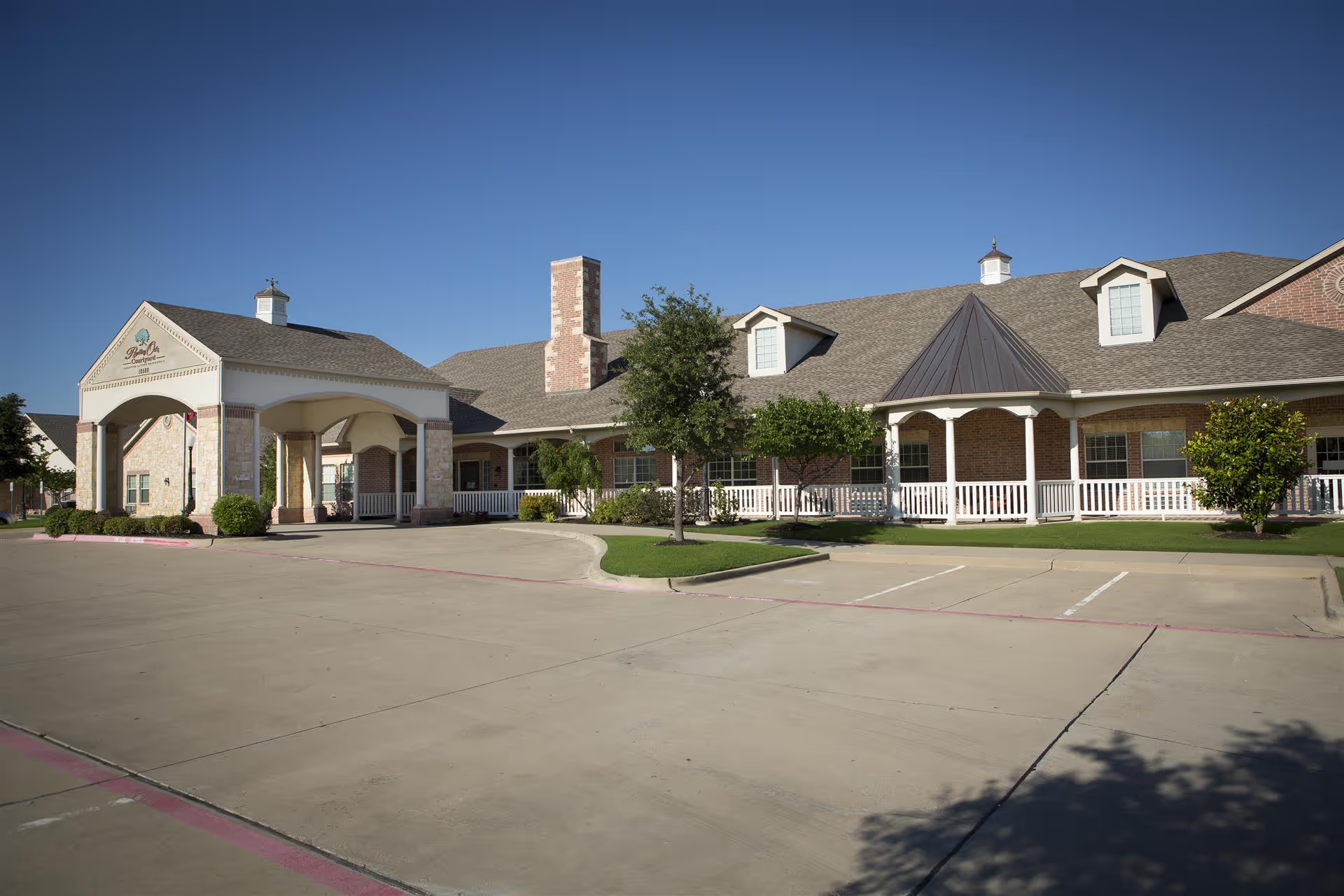
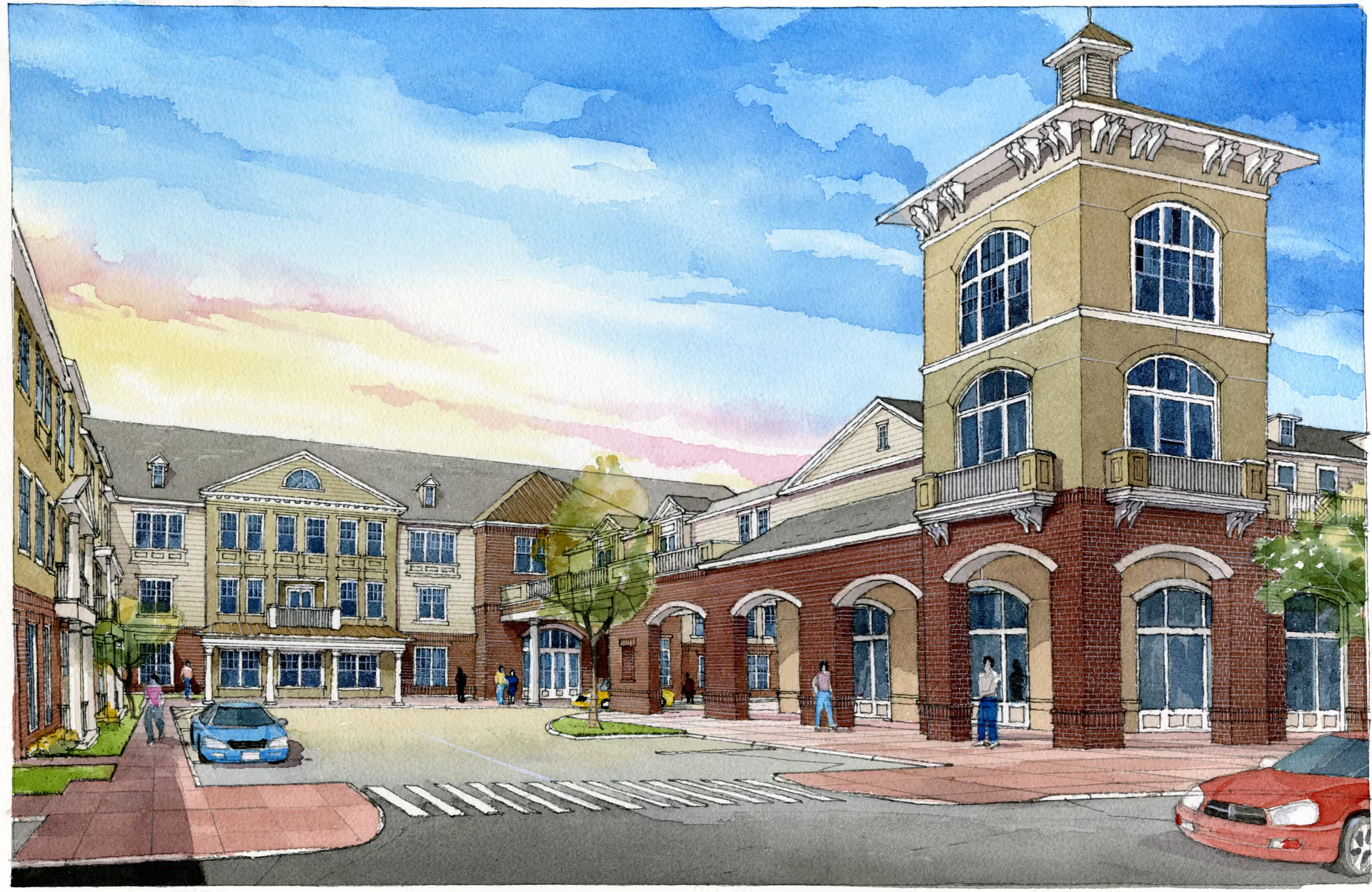
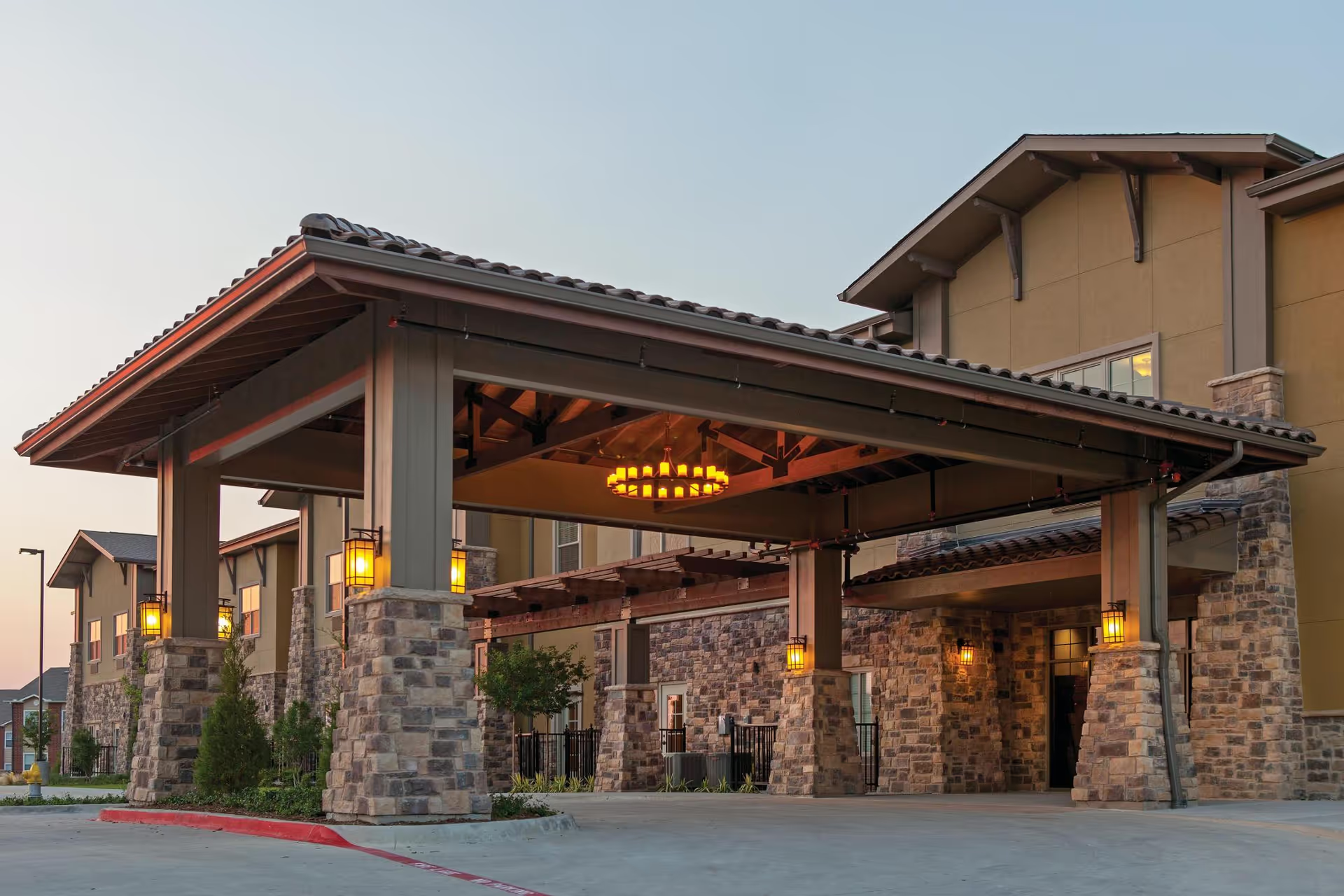
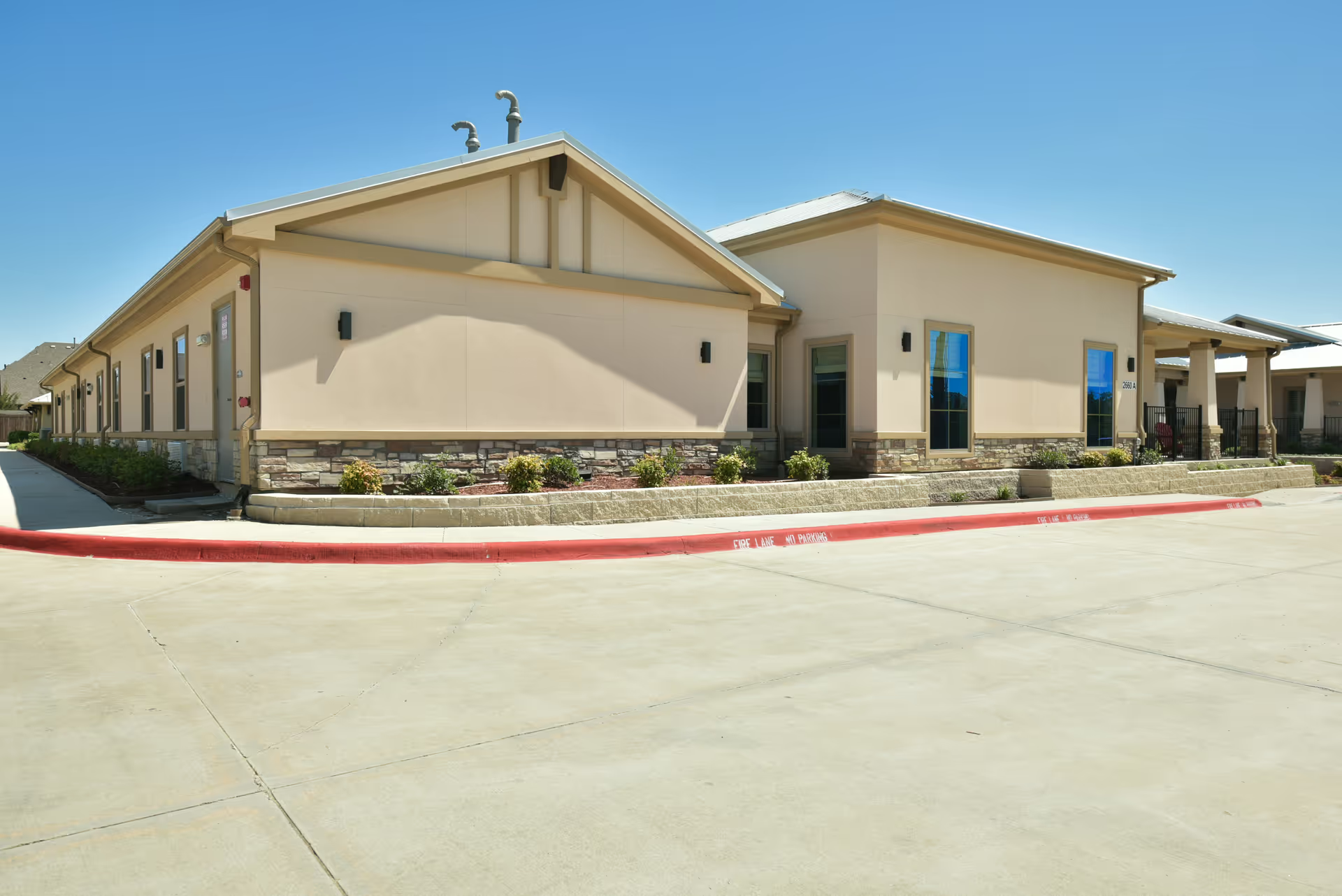
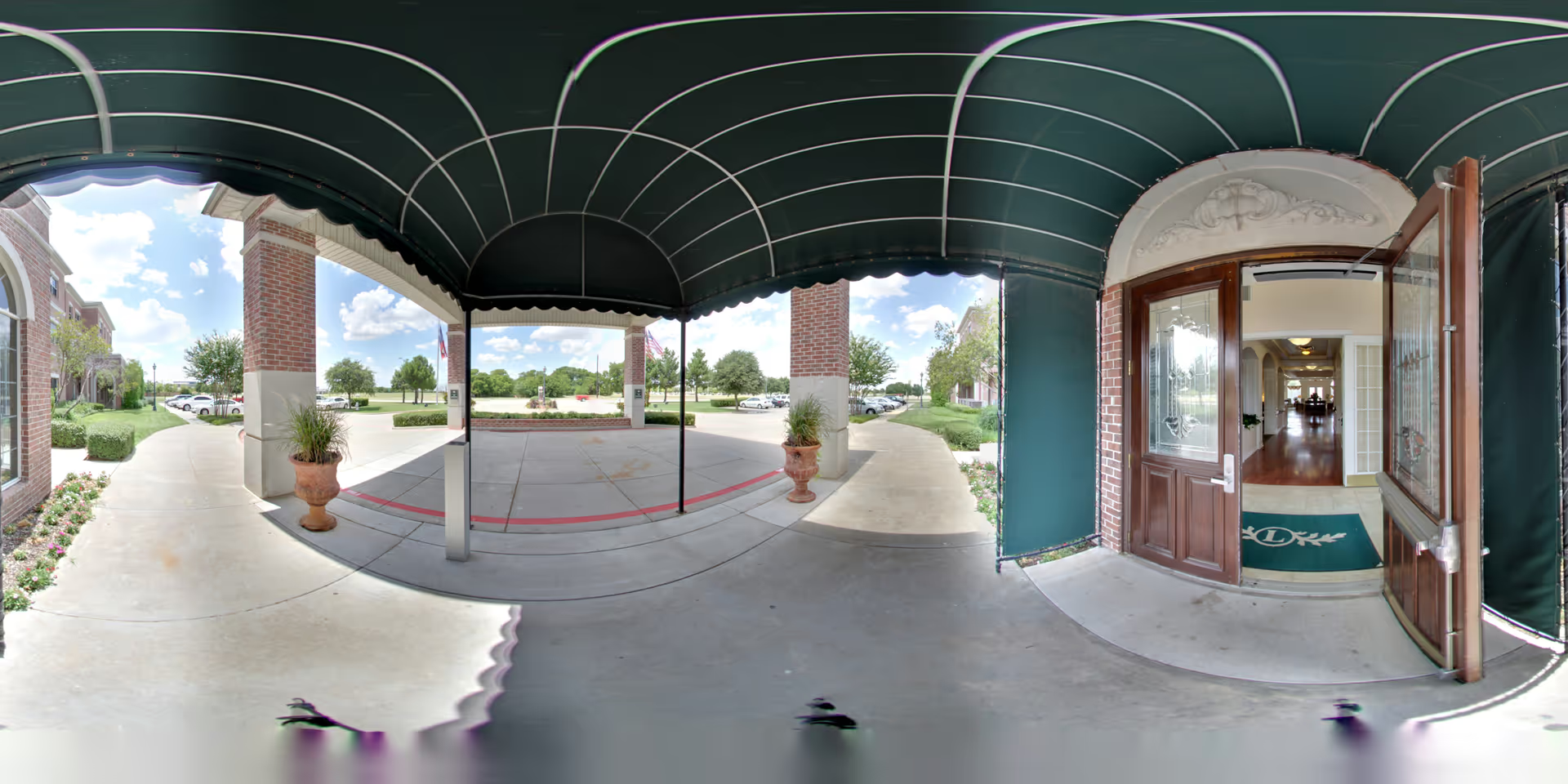
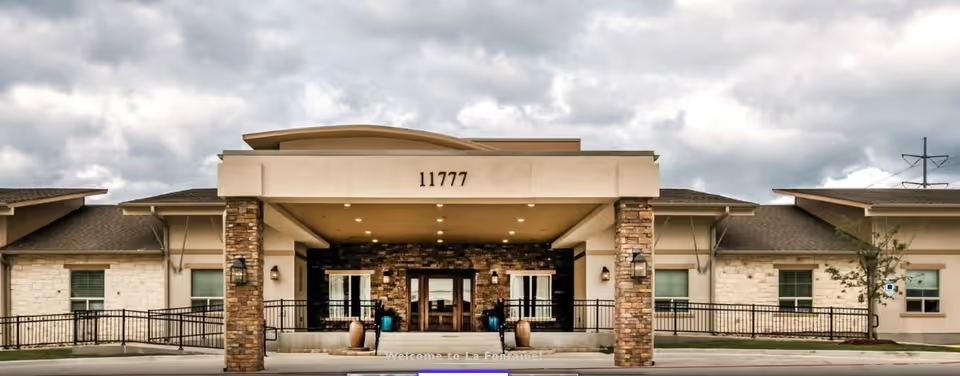
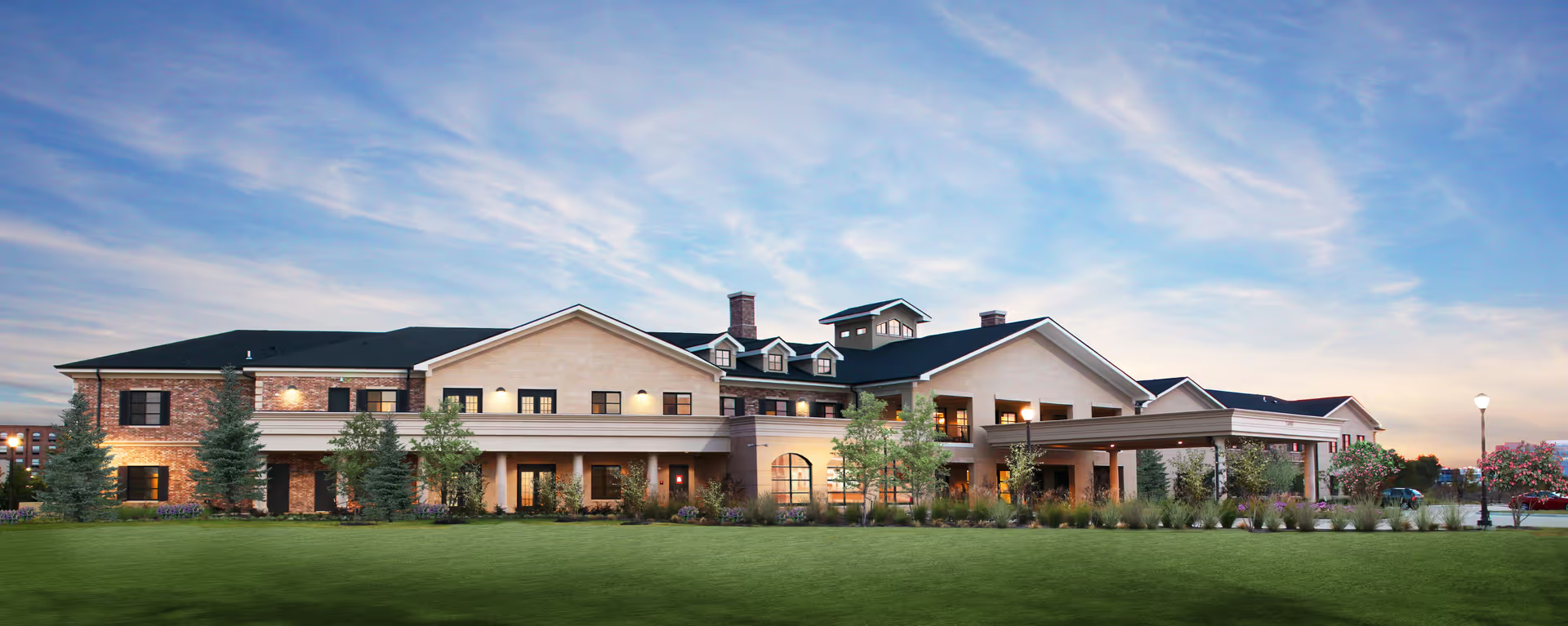
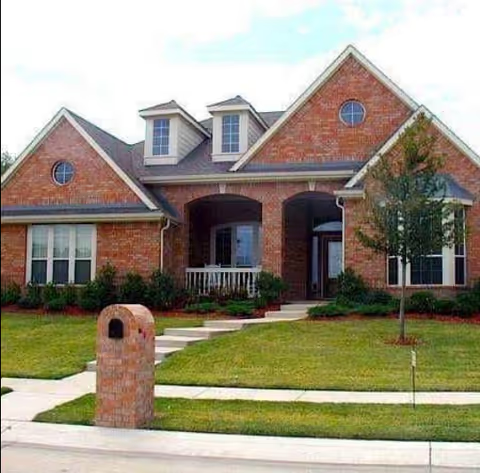
Saddlebrook Oxford Memory Care is presented across reviews as a dementia‑focused community with many operational strengths and an overall family‑oriented approach. Strengths that recur include a 24/7 registered‑nurse presence, formal dementia training for staff, consistent emphasis on compassionate caregiving, and engaged executive leadership. The physical environment is frequently described as clean, well maintained and home‑like, with ample secured indoor and outdoor roaming spaces, pleasant common areas, and spacious resident rooms. Dining and life‑engagement are commonly praised: reviewers cite well‑prepared meals, a pleasant dining environment, and a creative activities program that includes guest entertainers, outings and individualized engagement opportunities.
Clinical and caregiving quality is a mixed but generally positive theme. Many families note hands‑on nursing, good medication adherence practices, proactive family updates, and staff who know residents by name. The facility’s dementia focus and formal staff training are seen as important assets for resident wellbeing. At the same time, several families raised operational concerns around clinical oversight — specifically inconsistencies in medication management and questions about psychotropic‑medication use and monitoring. A small number of accounts also describe safety practice gaps related to transfers and mobility equipment; these represent operational weaknesses to clarify during a visit.
Staff culture and management are frequently highlighted in favorable terms: reviewers praise individual leaders and life‑engagement staff by name, note efficient move‑in and intake processes, and describe a warm, family‑like atmosphere. However, there are recurrent mentions of staffing instability and management turnover that have, for some families, correlated with declines in service continuity. Communication is often praised, but variable responsiveness and occasional lapses in transparency are also reported; billing and ancillary‑charge clarity was singled out as an area needing improvement.
Activities and lifestyle offerings are generally strong and a primary source of positive outcomes for residents — increased alertness, appetite, and engagement are common themes. Still, reviews indicate that programming quality can vary during periods of staff transition, and a few families experienced limited activity engagement at times. The facility’s maintenance and housekeeping receive consistent positive remarks, though sanitation and odor concerns in specific common areas were raised in a subset of accounts. There are also isolated but serious allegations concerning property handling and financial accountability, which merit direct inquiry.
Notable patterns: overall sentiment skews positive around staff compassion, dementia expertise, facility presentation, dining, and programming. Counterbalancing patterns are inconsistent staffing, episodic clinical/medication‑oversight gaps, variable communication and billing transparency, and occasional safety and sanitation issues. For prospective residents and families a practical approach is to tour during an active day (observe mealtimes and activities), ask for current staffing ratios and turnover history, request written medication‑management and incident‑reporting policies, clarify billing practices and property‑handling procedures, and discuss how leadership monitors care quality and addresses family concerns. These targeted questions will help gauge whether the facility’s many strengths align with an individual resident’s needs and risk tolerances.