Care quality: Reviewers consistently highlight nursing staff as a primary strength—describing nurses as attentive, diligent, and willing to go beyond baseline expectations. Clinical caregiving is presented as proactive and capable, and family members express high overall satisfaction with day-to-day care in many accounts. At the same time, comments about discharge timing and rehabilitation transitions indicate operational gaps in care-continuity processes that can affect length-of-stay and therapy outcomes.
Staff and management: Staffing is described in mixed terms. Several family members and staff-oriented comments praise individual caregivers and leadership and describe a supportive workplace culture; specific staff members were singled out for positive recognition. Conversely, there are concerns about inconsistent staff communication and conduct, including the tone used by some clinical-social staff. These communication issues extend to family interactions and case coordination, suggesting uneven training or supervisory oversight in relational and administrative practices.
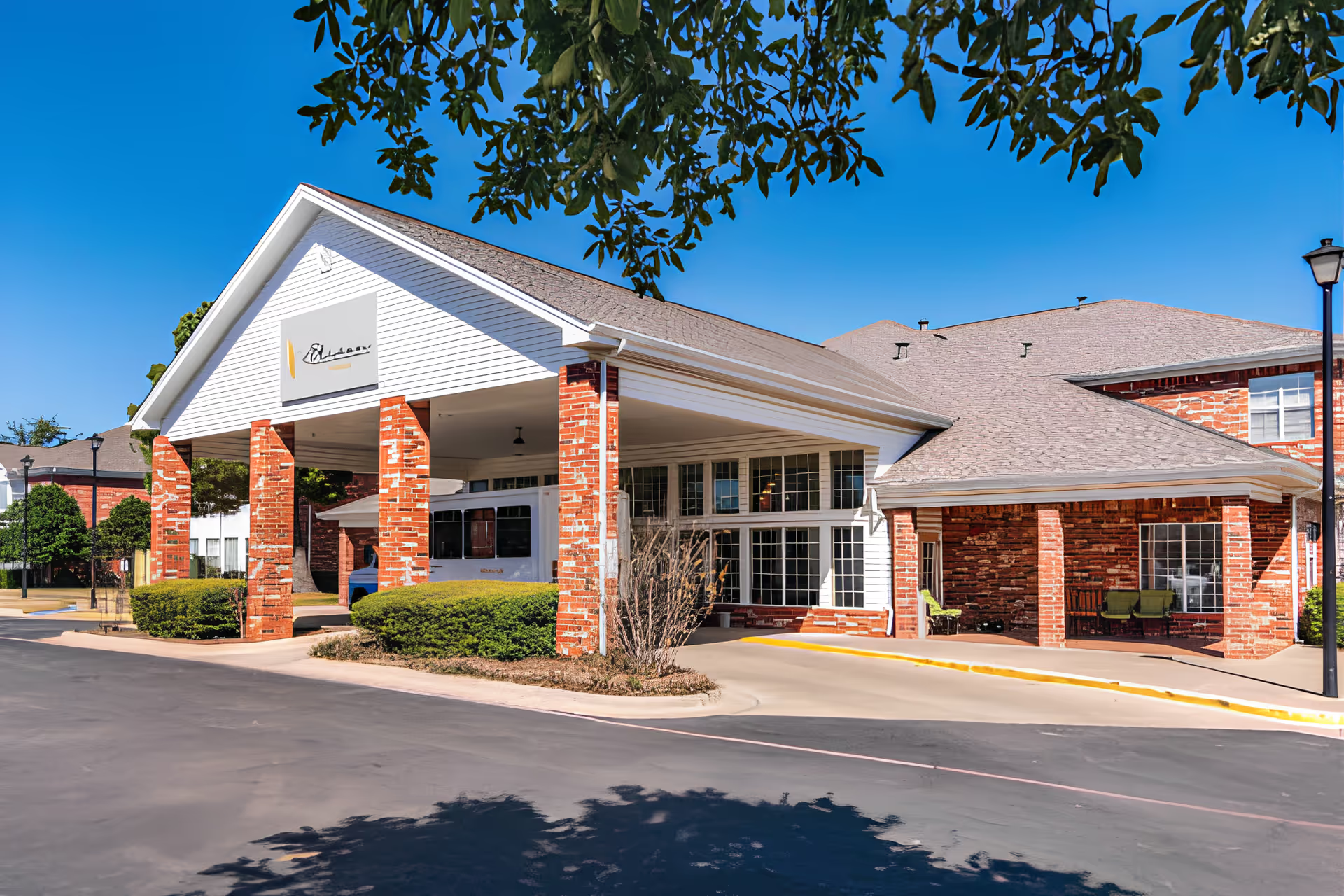
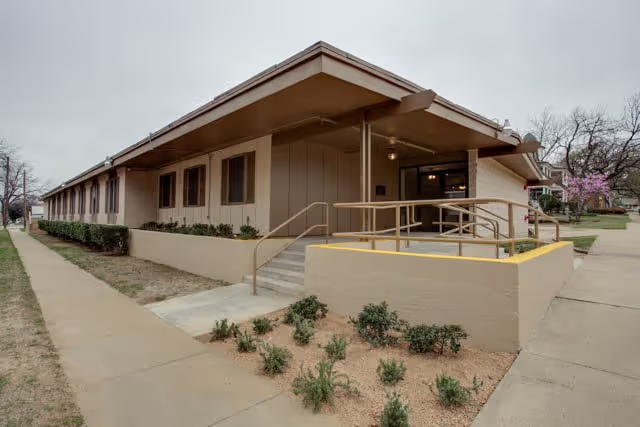
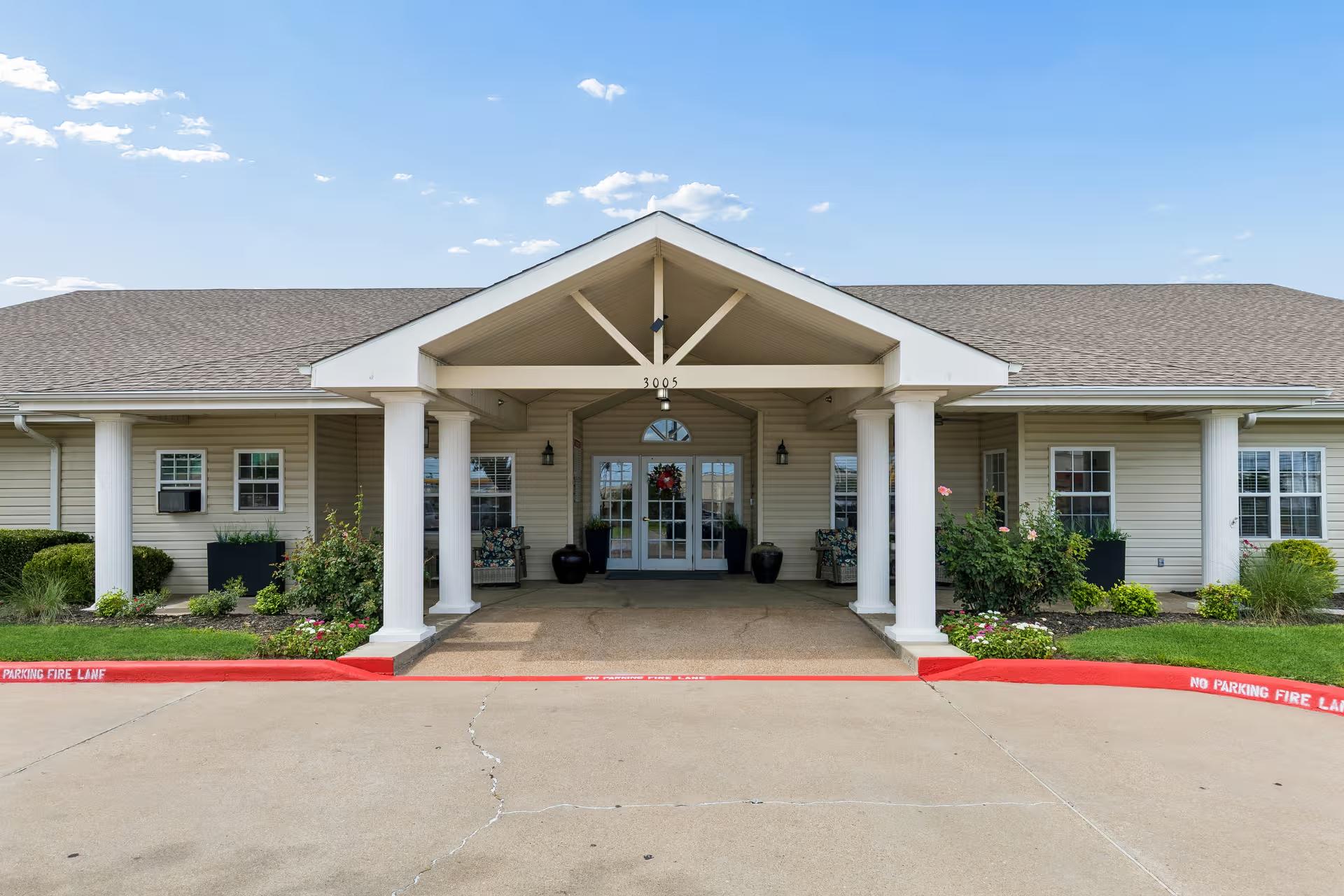
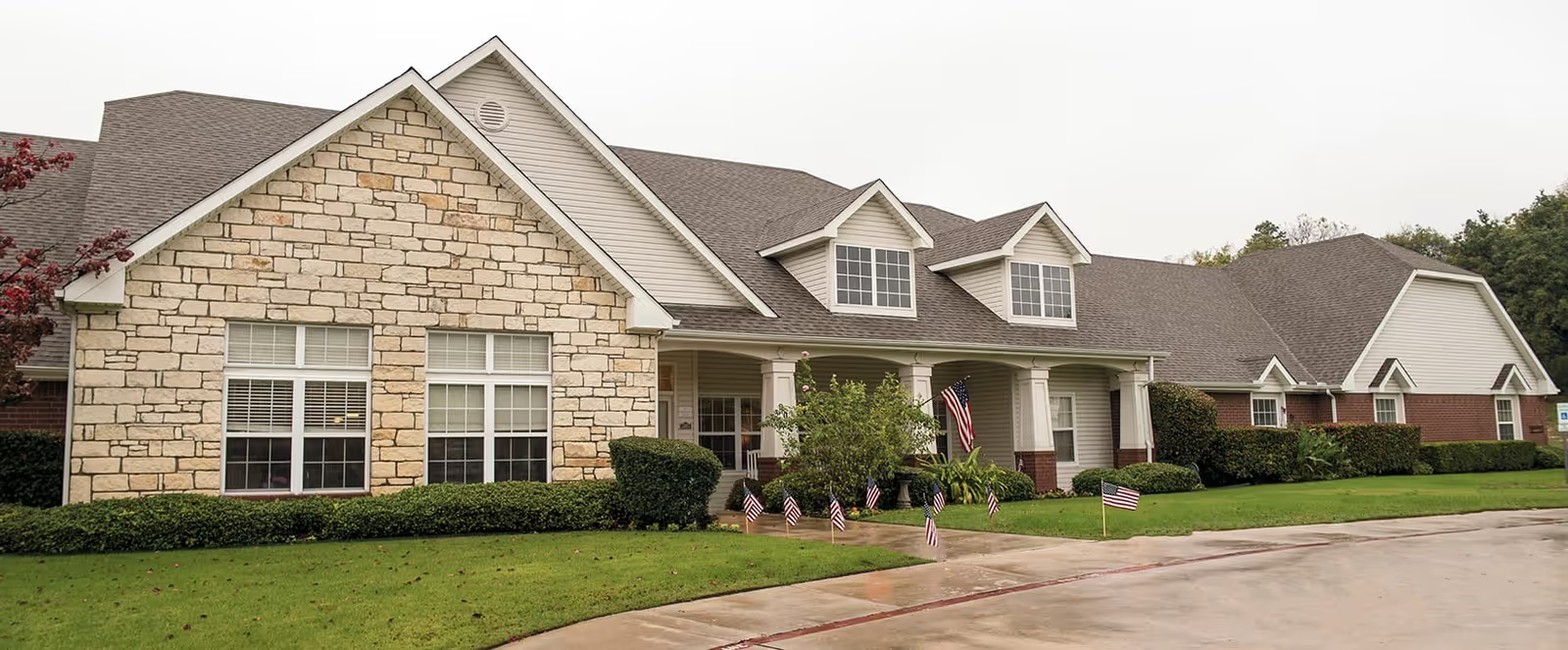
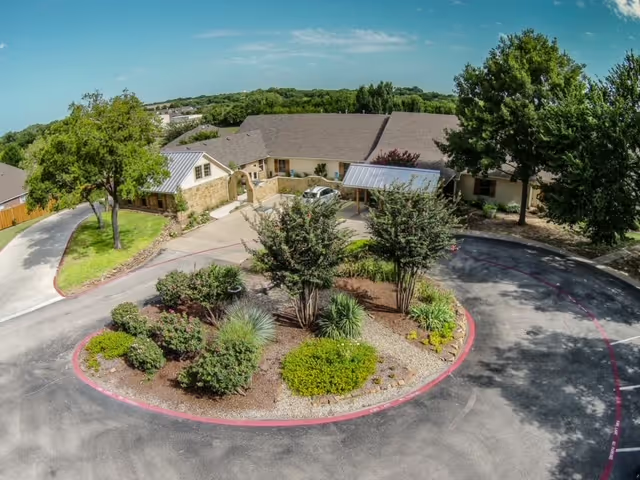
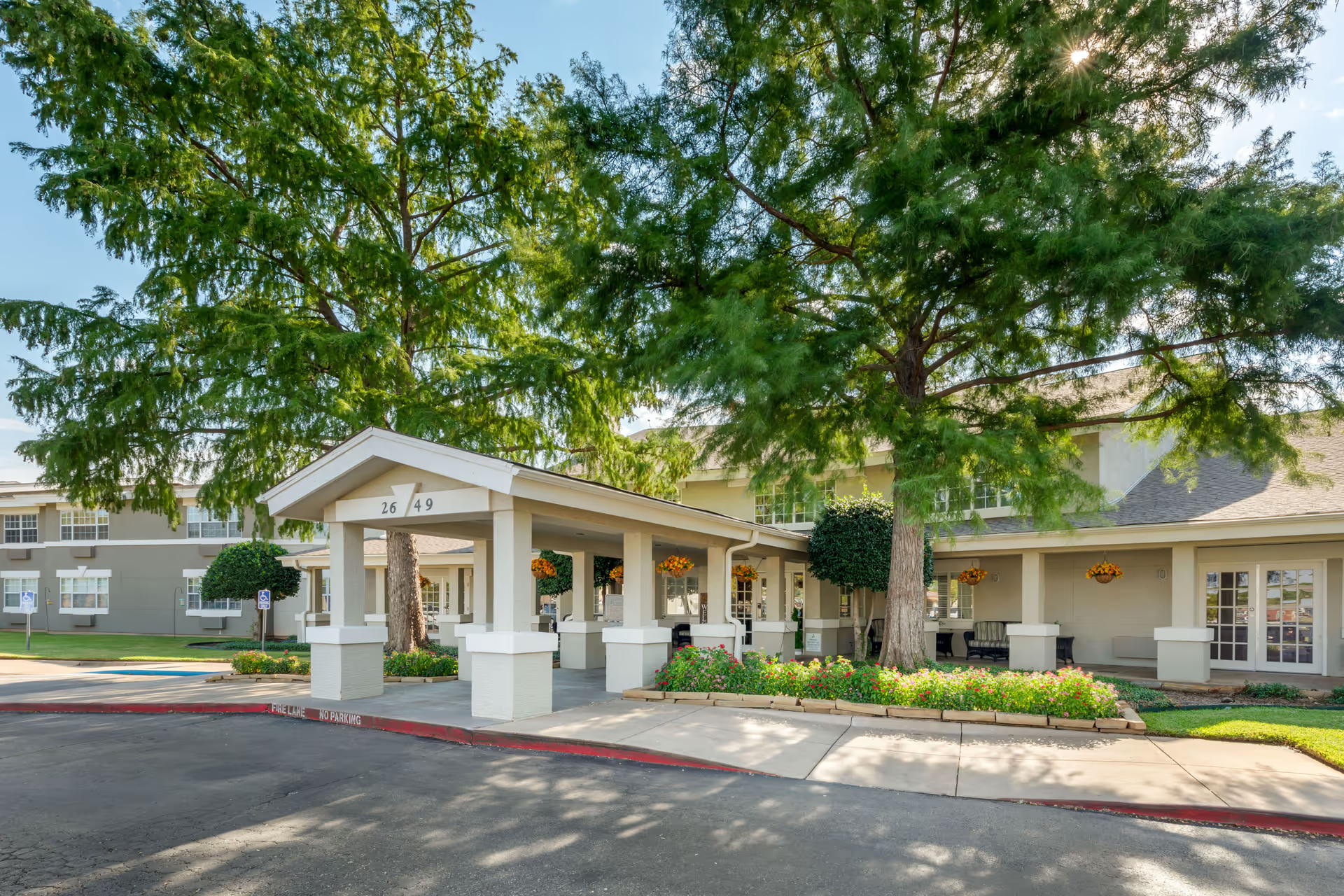
Dining, activities, and facilities: The physical environment and services receive favorable remarks. Reviewers note comfortable accommodations, a quiet setting, and an overall pleasant, harmonious atmosphere conducive to resident well-being. Dining services are called out positively. There is limited specific feedback about organized activities in the summaries provided, though reviewers refer to a setting where residents can "thrive," implying programming that supports engagement.
Operational and administrative patterns: Families reported practical access issues—phone lines that are difficult to reach and a lack of clear guidance about what to bring at move-in. Billing and Medicare-related concerns were also raised, pointing to a need for clearer financial communication and assistance with insurance navigation. Additionally, examples of early rehabilitation discharge indicate potential inconsistencies in discharge-planning protocols and interdisciplinary coordination between therapy, nursing, and case management.
Notable patterns and takeaways: Overall, the facility appears to deliver strong hands-on nursing care and a comfortable living environment, with several staff recognized for exemplary performance. The principal areas for improvement are administrative and communication processes: standardizing family communications, improving phone accessibility, clarifying move-in and billing procedures, and strengthening discharge-planning coordination. Addressing those operational gaps would likely align the facility's administrative experience with the generally positive impressions of clinical care and campus comfort.