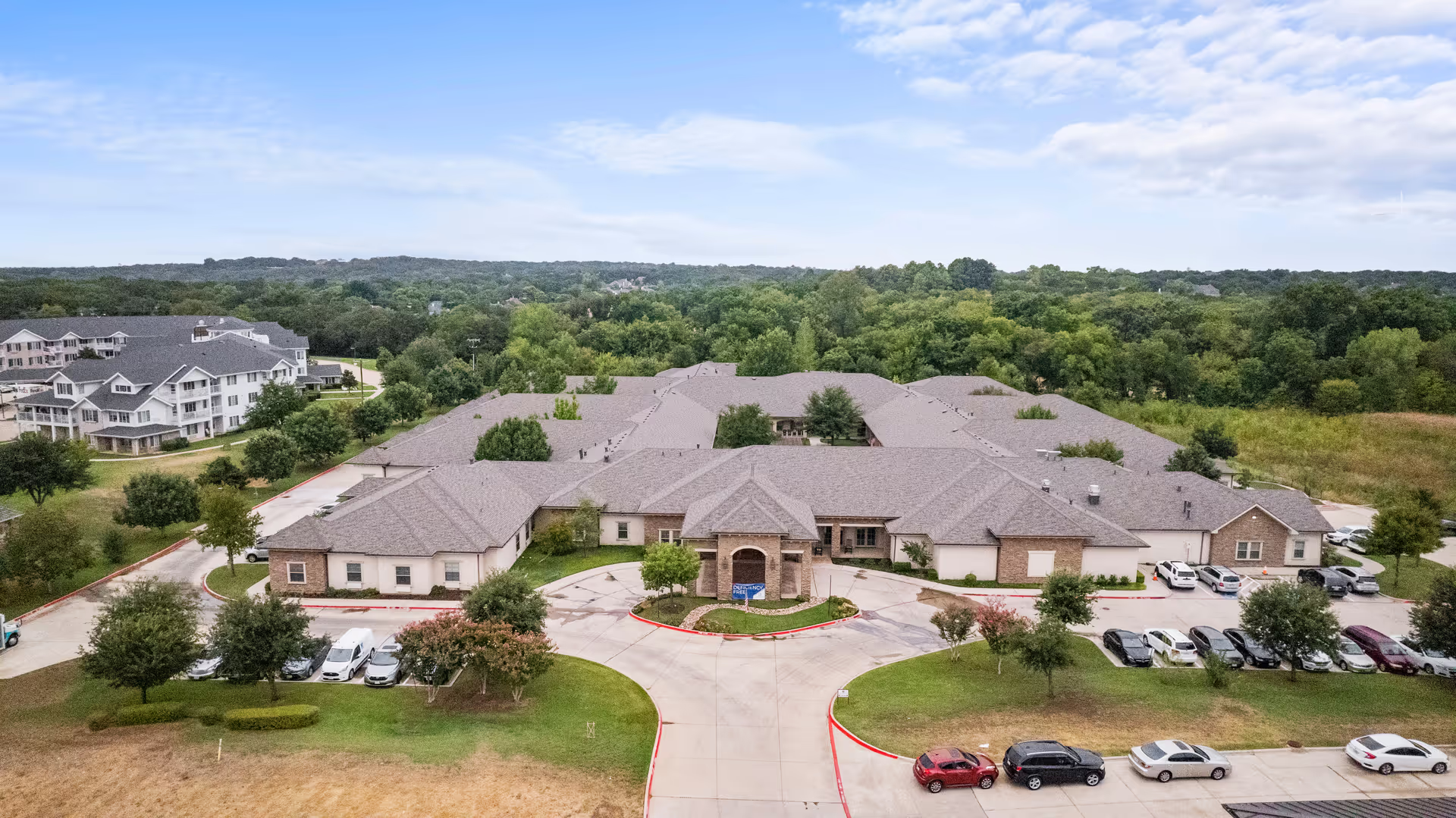
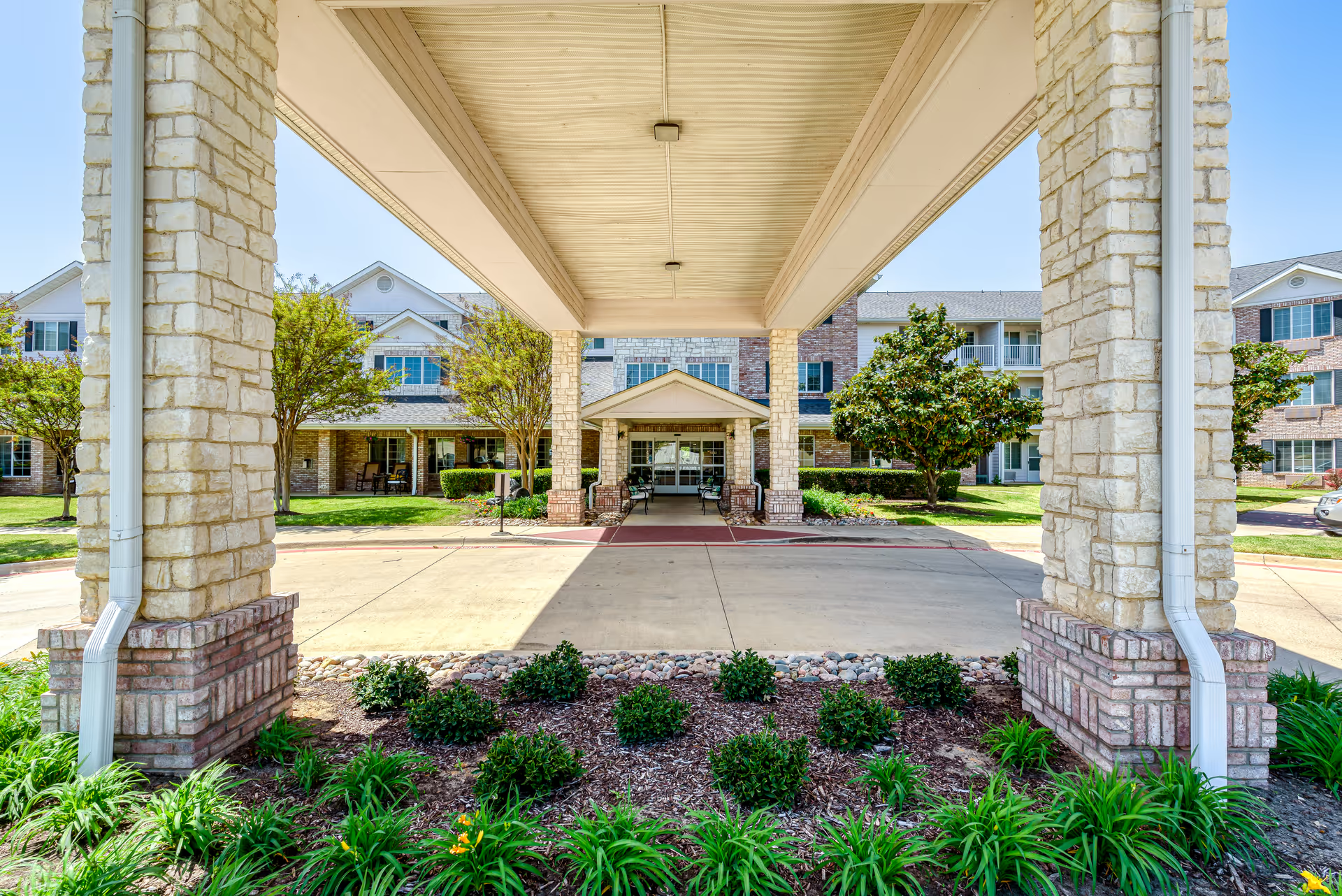
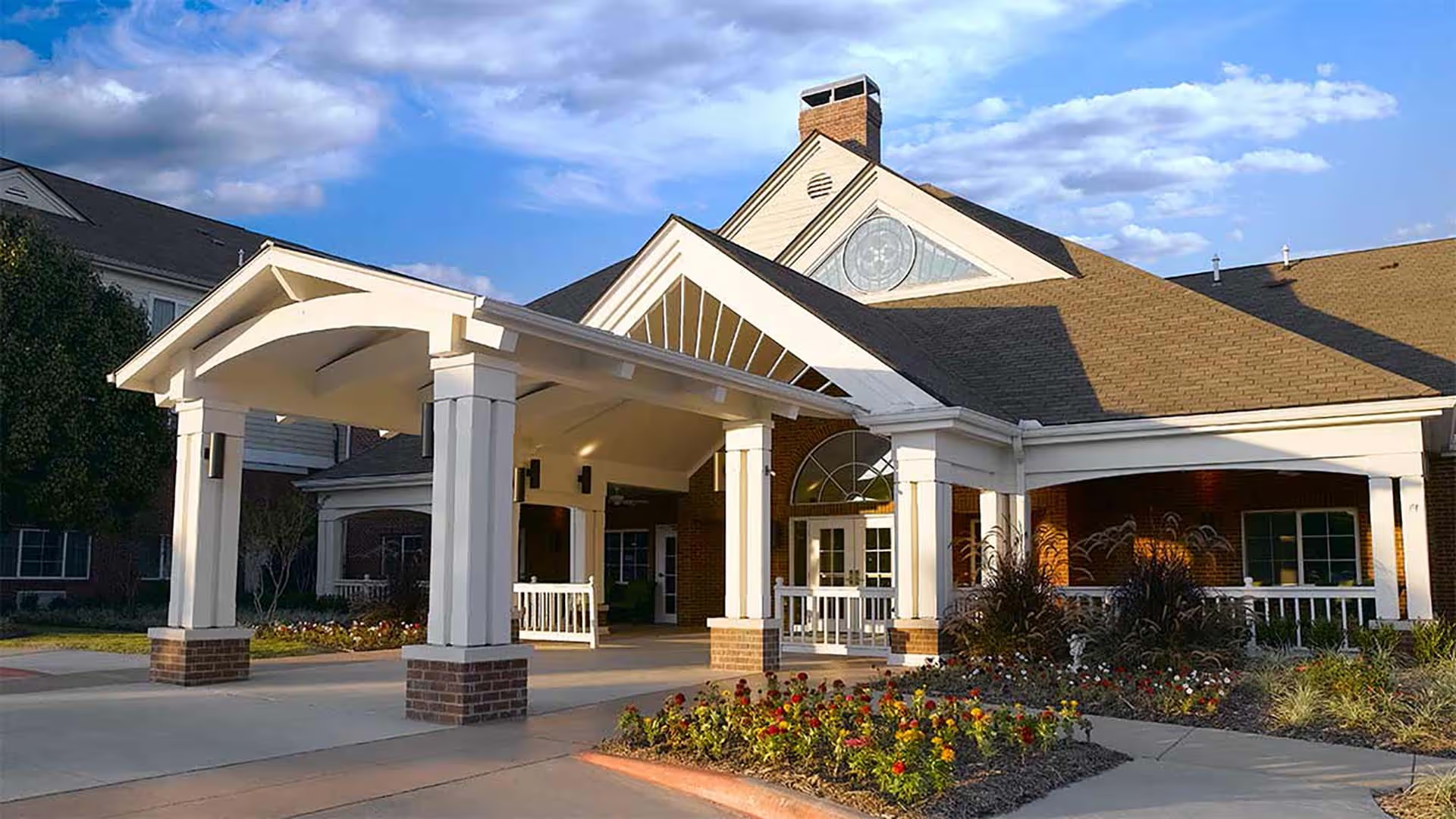
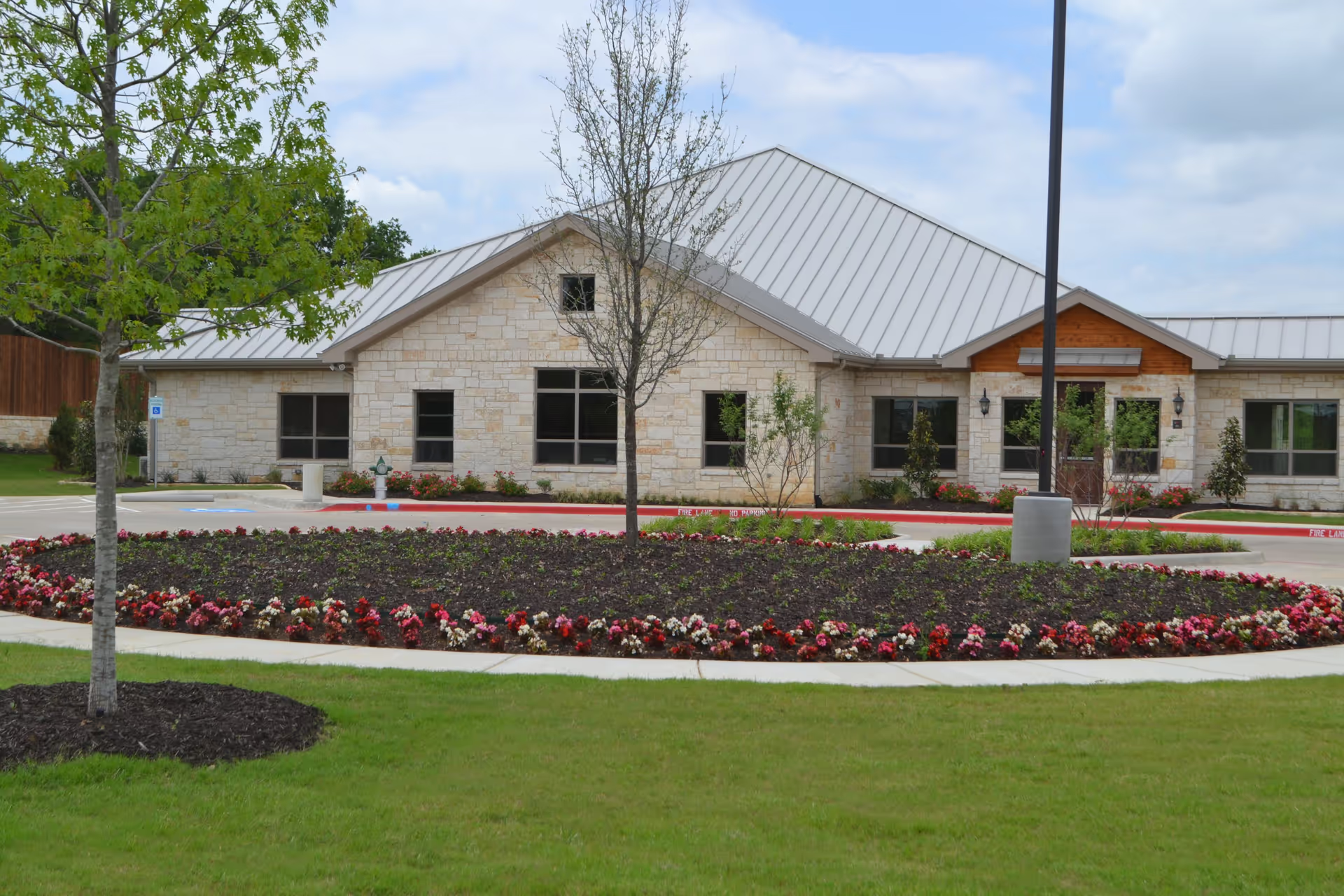
Overall impression: Reviews of Bear Creek Nursing and Rehabilitation Center present a mixed but distinct pattern. The facility receives frequent praise for its rehabilitation services and for numerous front-line staff who are described as compassionate and skilled. At the same time, recurring operational shortcomings—particularly around staffing, medication timing, and communication—are repeatedly raised, producing variable experiences depending on unit, shift, and individual caregivers.
Care and clinical services: The facility’s therapy programs (physical, occupational, and speech) are a consistent strength. Reviewers highlighted goal-oriented plans, effective therapists, and successful functional progress for many residents. Skilled nursing and wound-care capability are also cited positively in multiple accounts. Counterbalancing these strengths are persistent concerns about clinical consistency: delays in medication administration, incorrect medication timing, and episodic failures to follow hospital orders or execute physician directives were described. These issues manifest as delayed symptom relief, readmissions, or family alarm in a subset of narratives.
Staff and leadership: Many families singled out individual staff members and departments—therapy, admissions, and social work—as especially helpful, compassionate, and proactive. Conversely, reviewers described staffing shortfalls, particularly at night and on weekends, and uneven conduct among nursing staff; language and tone of some caregivers were described as brusque or dismissive. Staff turnover and variable training were identified as an operational challenge that appears to affect continuity of care. Leadership visibility and responsiveness were described as strong by some families and disconnected by others, indicating inconsistency in management engagement.
Dining, activities, and housekeeping: Accounts of dining and housekeeping are polarized. Several reviewers praised high-quality, restaurant-style meals and an attractive dining environment; others described cold or uninspired meals and inadequate accommodation of special diets. Housekeeping and facility cleanliness were frequently described as strengths—clean rooms and well-kept public spaces—but there are isolated sanitation and pest-control concerns and examples of inconsistent housekeeping standards in some units.
Safety, security, and administrative processes: Review narratives include safety and process lapses such as unsecured medications, equipment-safety concerns, and at least one account of inconsistent infection-control communication. There are also recurring administrative issues: disputed billing items, delayed callbacks, and occasional difficulty reaching staff on weekends. Taken together, these items point to gaps in medication-security controls, clinical follow-through, and administrative coordination in some cases.
Notable patterns and guidance for families: The dominant positive themes are strong rehabilitation outcomes, effective discharge planning, and caring individuals on staff. The dominant negative themes are inconsistent staffing, delays in direct-care tasks (medication delivery, bathing), variable food service, and lapses in communication. Prospective residents and family members may benefit from a focused tour and direct questions about unit staffing ratios (nights/weekends), medication-administration procedures, bathing schedules, meal accommodations, pest-control protocols, and how the facility notifies families about clinical changes. Requesting contact names for therapy, social work, and nursing leadership and observing a therapy session or mealtime can help assess whether the facility’s strengths align with a given resident’s needs.