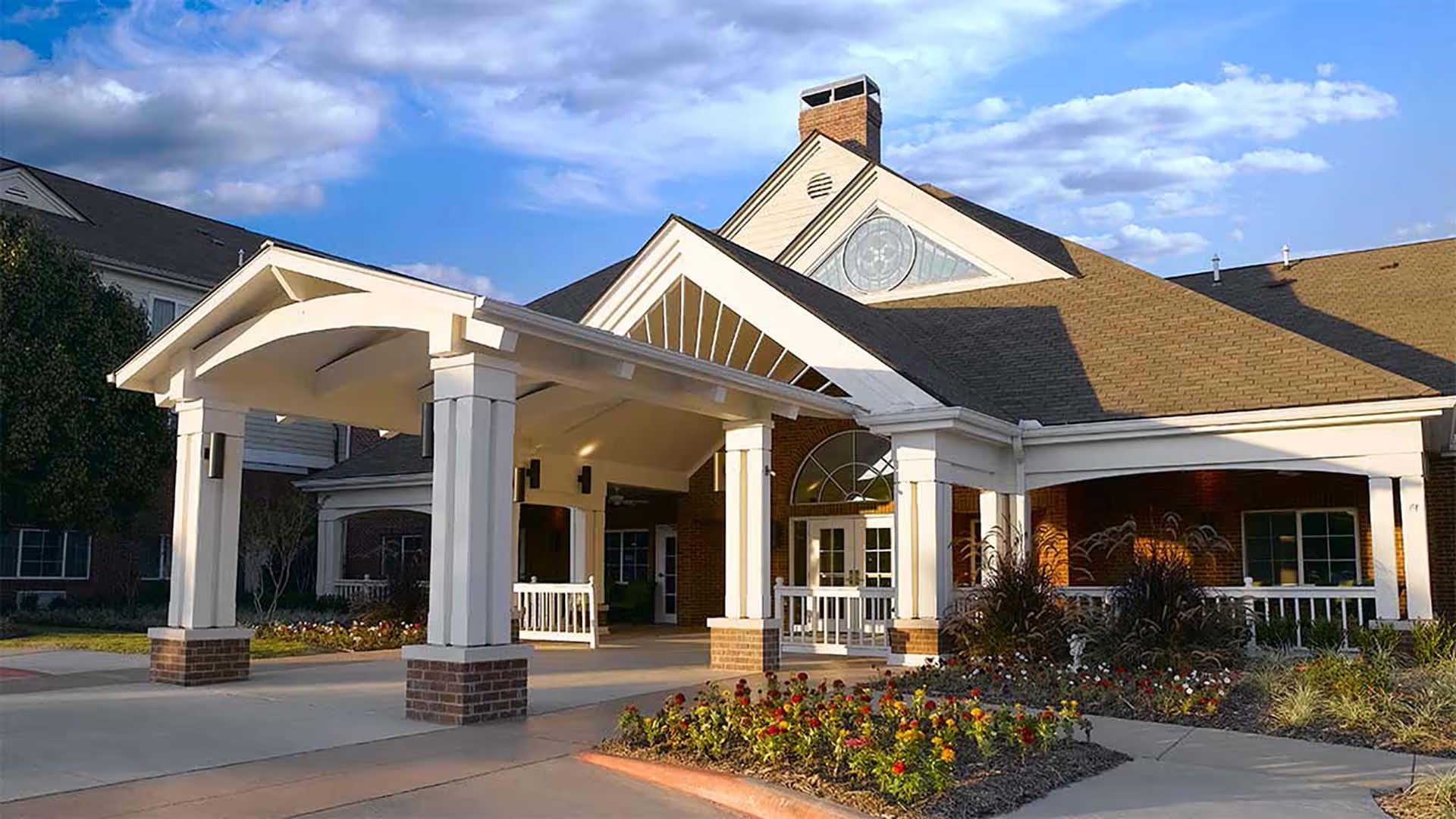
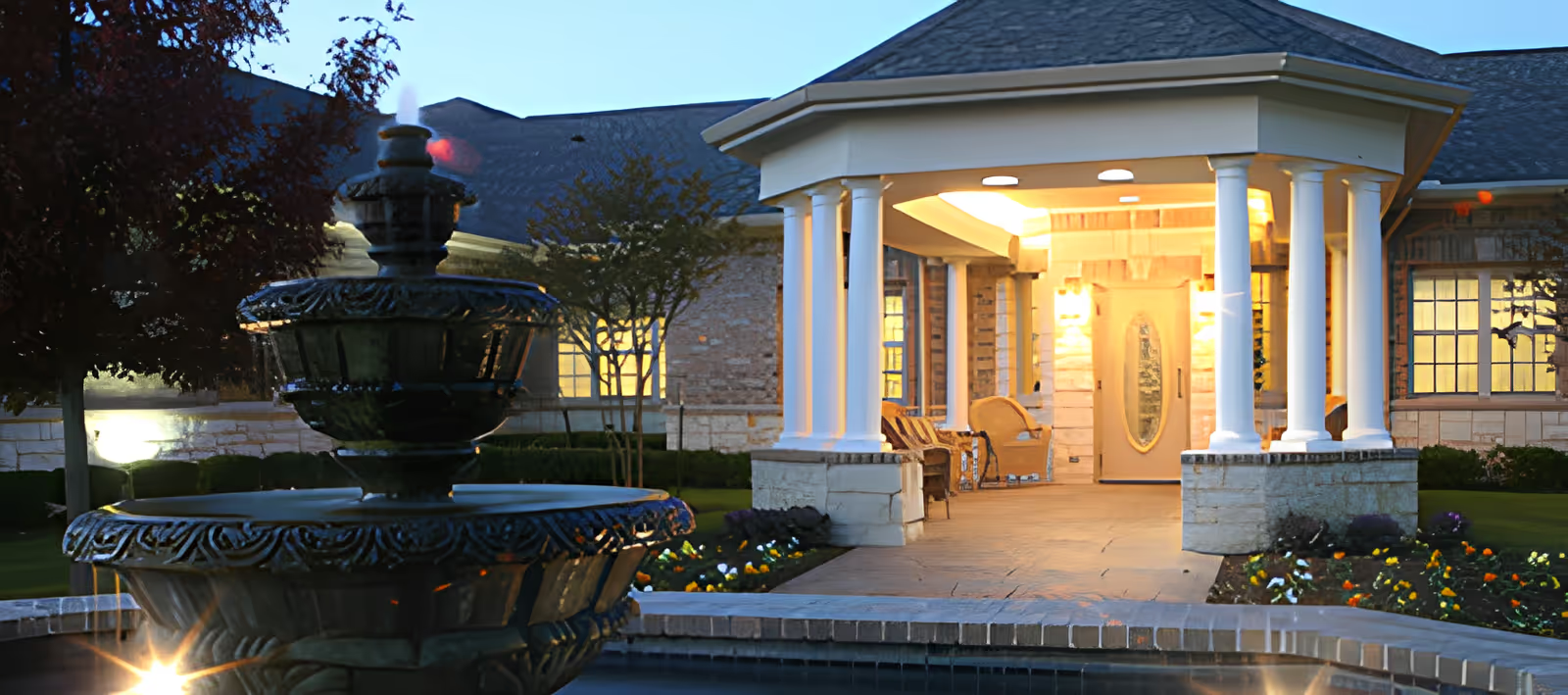
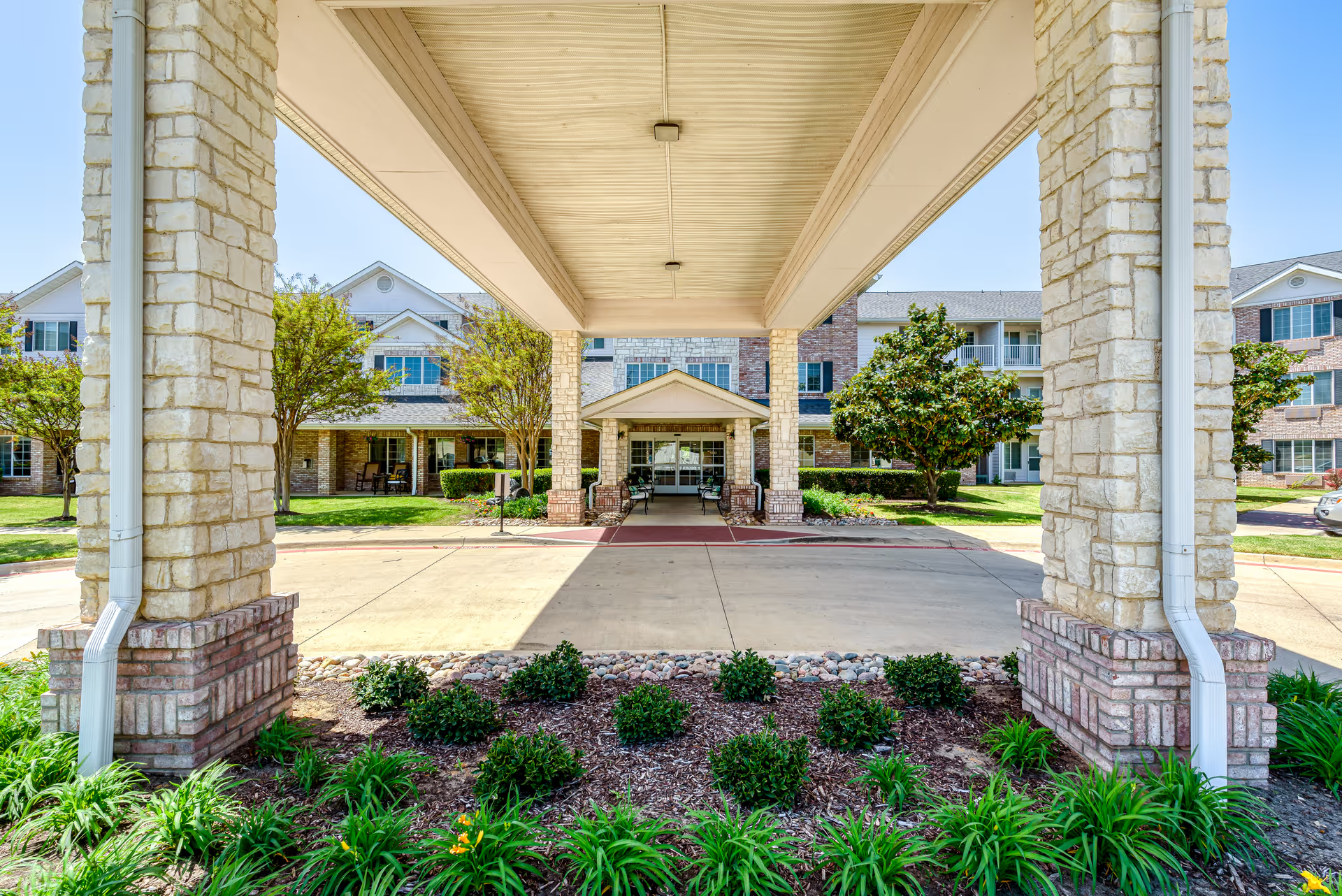
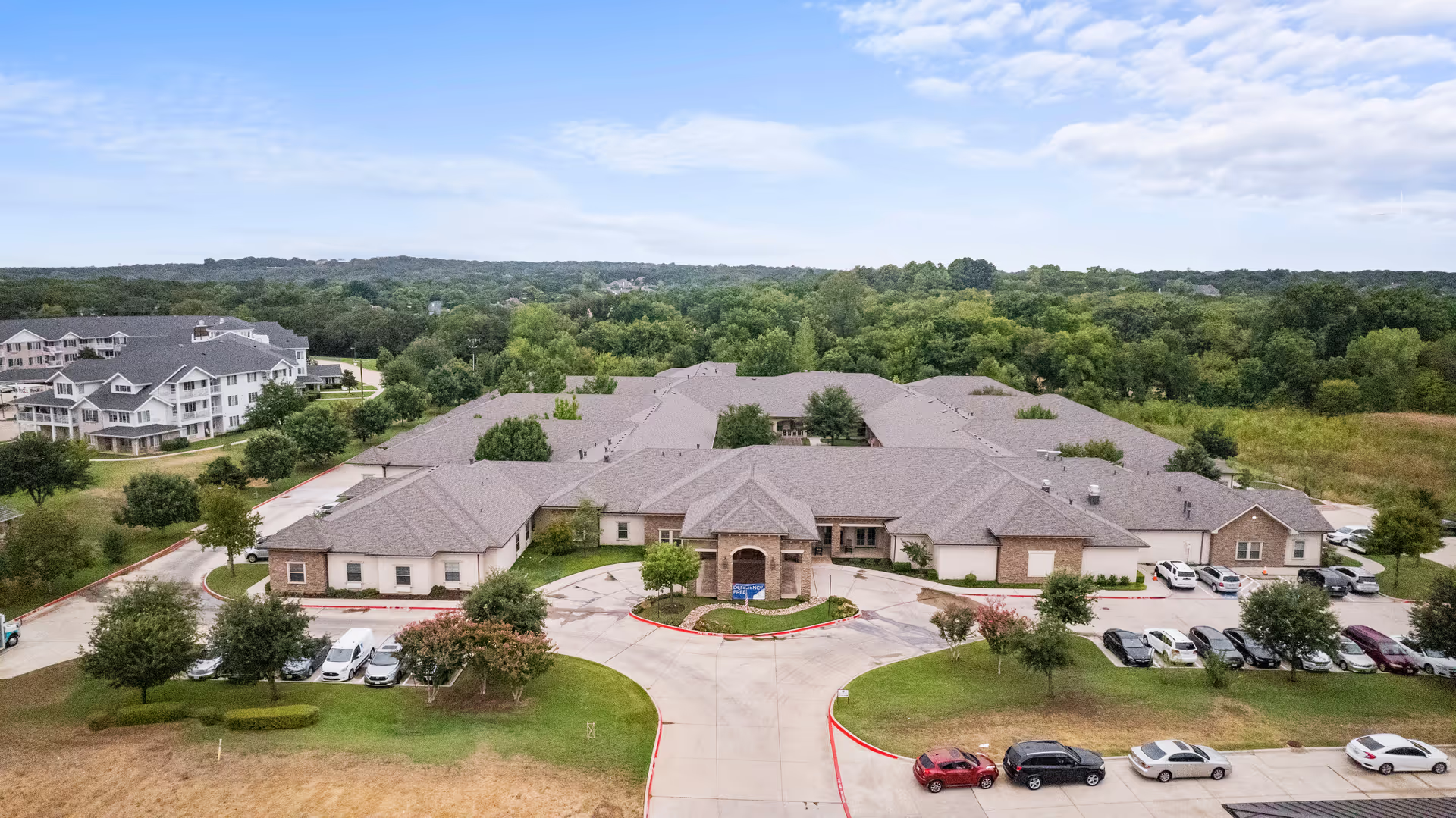
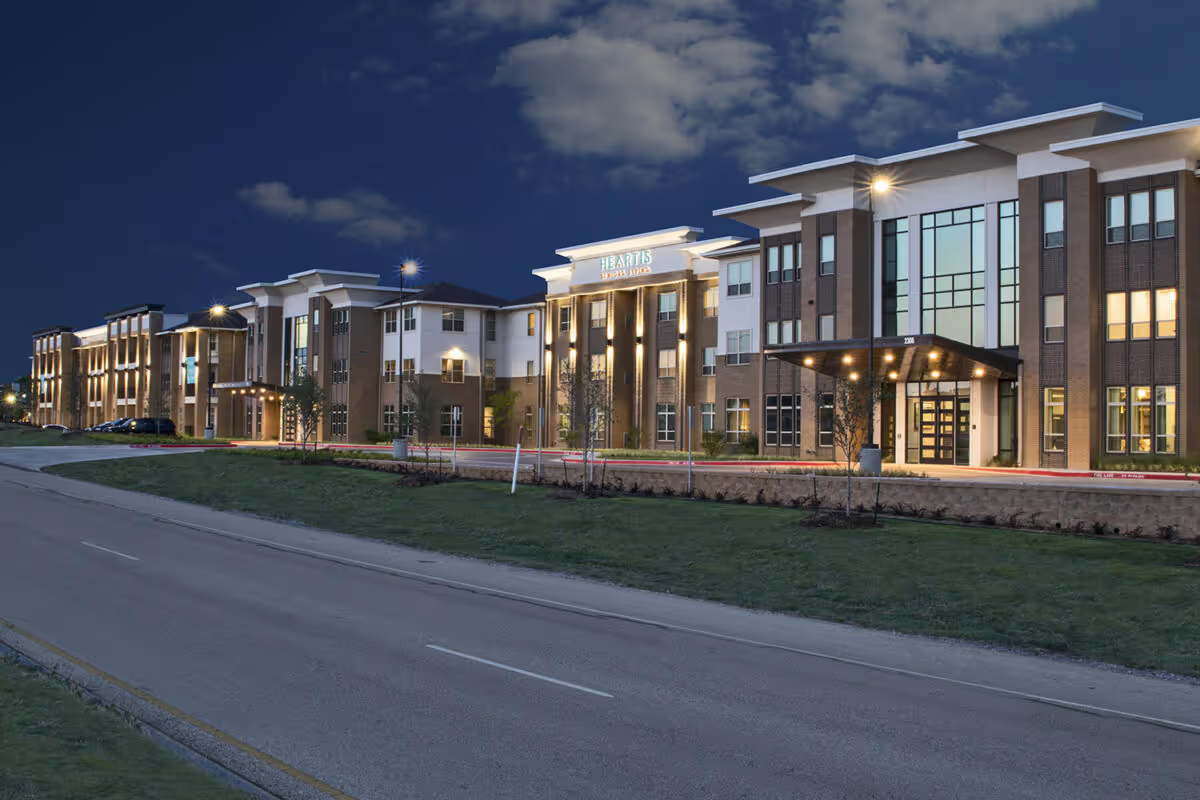
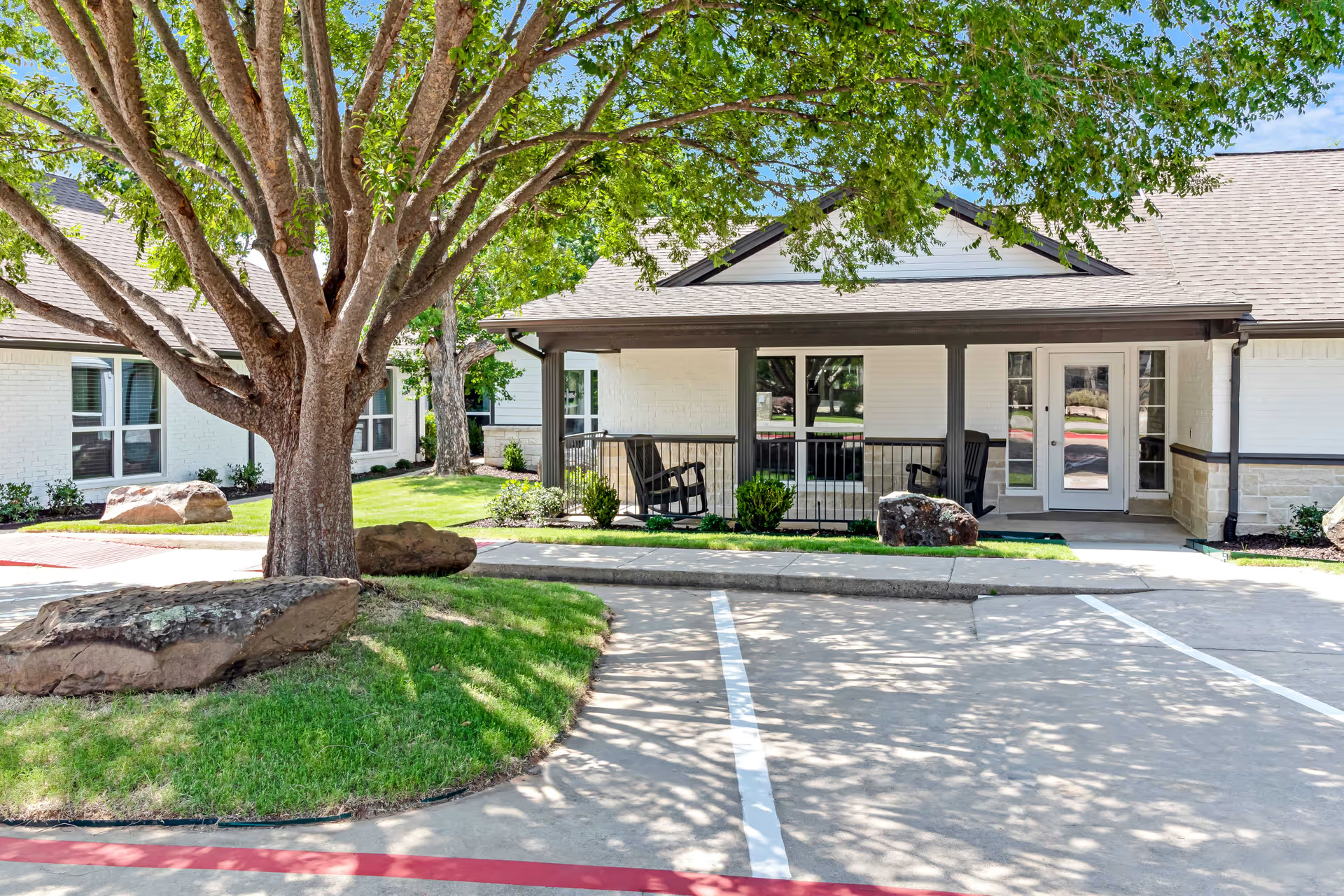
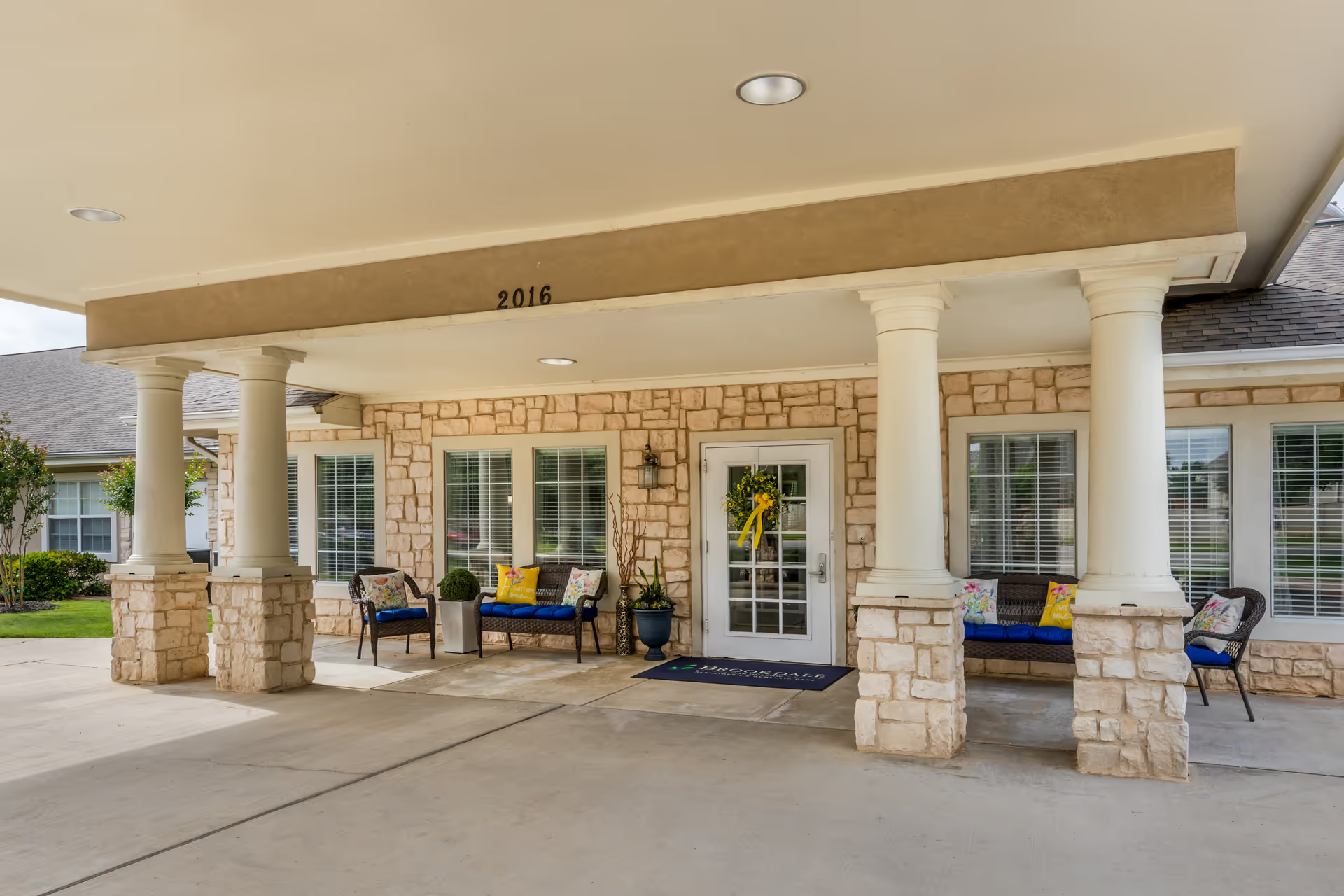
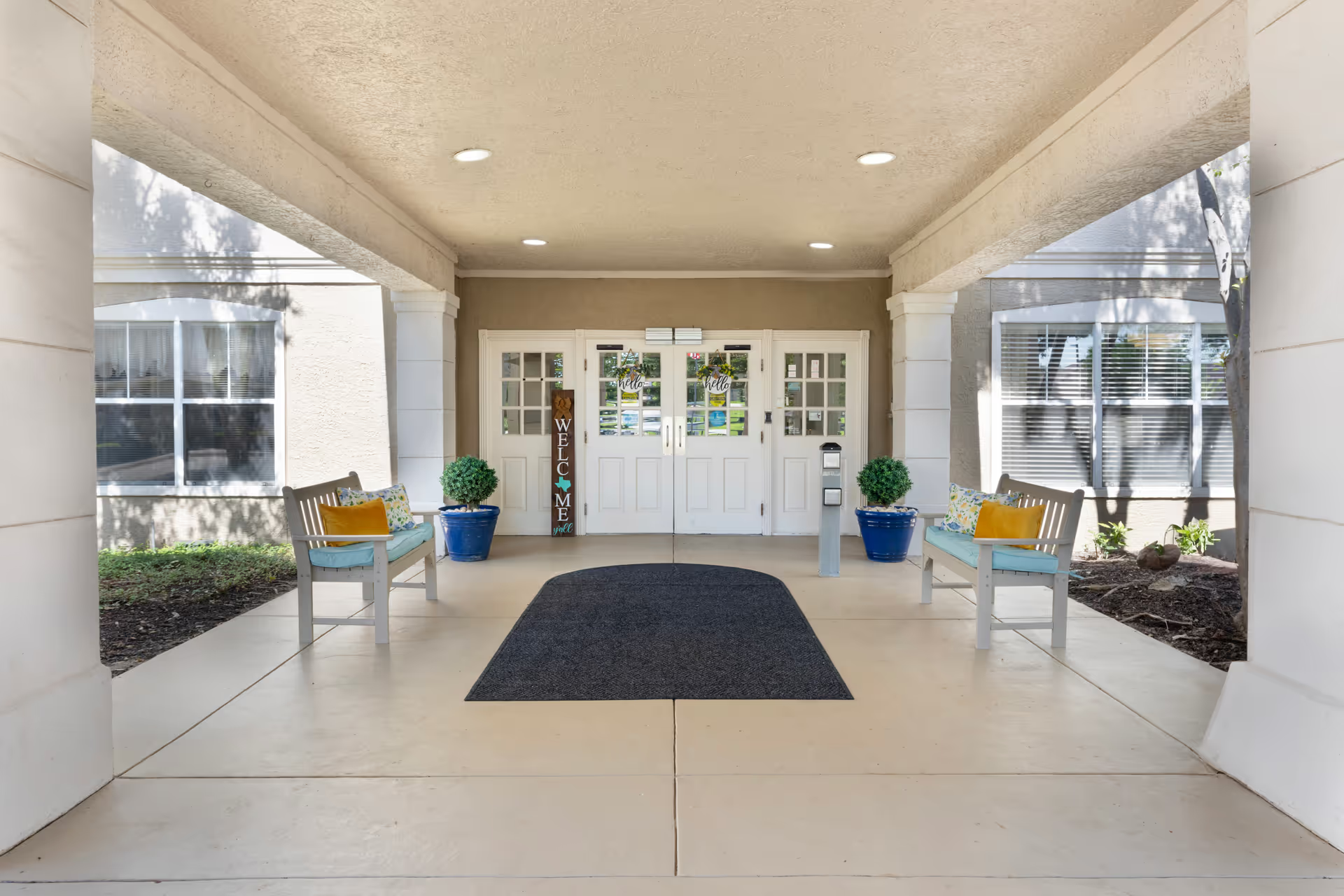
Meadowood presents as a well‑appointed, campus‑style assisted living and memory‑care community that many families find attractive and comfortable. The physical plant is frequently described as clean, modern, and well maintained, with a pleasant courtyard, one‑story accessible layout, apartment‑style units, and inviting common areas. Dining spaces and menus are regularly praised, and many residents benefit from salon services and on‑site amenities. Assisted‑living programming is often engaging — families cite cooking classes, museum and aquarium outings, and regular social activities that support resident engagement and socialization.
Care quality at Meadowood is mixed in the reviews. Many families report compassionate, attentive caregivers and examples of responsive nursing or director intervention that delivered comfort and safety for residents. At the same time, a recurring pattern of inconsistent care emerges: reviewers cite long response times to requests for assistance, lapses in personal‑care schedules, and concerns about medication administration processes. Memory‑care households are highlighted as particularly uneven; some units run strong, activity‑rich programs, while others are described as having limited, repetitive, or inappropriate programming for residents with higher cognitive needs.
Staffing and culture show significant variability. Several reviewers describe long‑tenured employees who know residents well and provide reliable support; others describe a revolving door of caregivers and nursing staff, with notable turnover that affects continuity of care. Staffing levels are frequently flagged as thin on nights and weekends, and some families perceive inadequate supervision and training for staff working those shifts. These staffing patterns correlate with the service inconsistencies noted above: slower responses, missed tasks, and variability in caregiving quality.
Dining and activities are strengths in assisted living but inconsistent in practice. Many reviewers praise the menu variety, portion sizes, and pleasant dining environment; however, there are recurring comments about slow meal service, food served at incorrect temperatures, and occasional kitchen staffing turnover. Activities are described as robust and creative for assisted living — including off‑site trips — yet activity offerings for memory‑care residents are often characterized as limited, repetitive, or not well matched to residents’ mobility and cognitive levels.
Management and operations are sources of both praise and concern. Positive accounts reference attentive directors and admissions staff who facilitate smooth transitions and problem resolution. Conversely, other families report leadership instability, vacant executive positions, confusing and nontransparent billing practices, and an operational emphasis on revenue decisions that some interpret as prioritizing profit over individualized care. Complaints regarding billing after a resident’s departure and unclear pricing structures recur across reviews. There are also isolated but serious assertions about inaccurate incident documentation and retaliatory communication; these appear as high‑severity concerns in a subset of accounts.
Overall pattern: experiences at Meadowood appear polarized. Many families describe a warm, well‑kept community with deeply caring staff and satisfying activities; an approximately equal number describe operational gaps tied to staffing, management turnover, and inconsistent execution of care protocols. Common threads to explore during a tour include current staffing ratios (especially nights/weekends), medication‑management and incident‑reporting processes, written pricing and fee schedules, the activity calendar for Memory Care, and the facility’s sanitation protocols and laundry services. Prospective families should ask for recent staffing stability metrics and references from current residents’ families to understand how well the facility’s positive attributes are being sustained under current leadership.