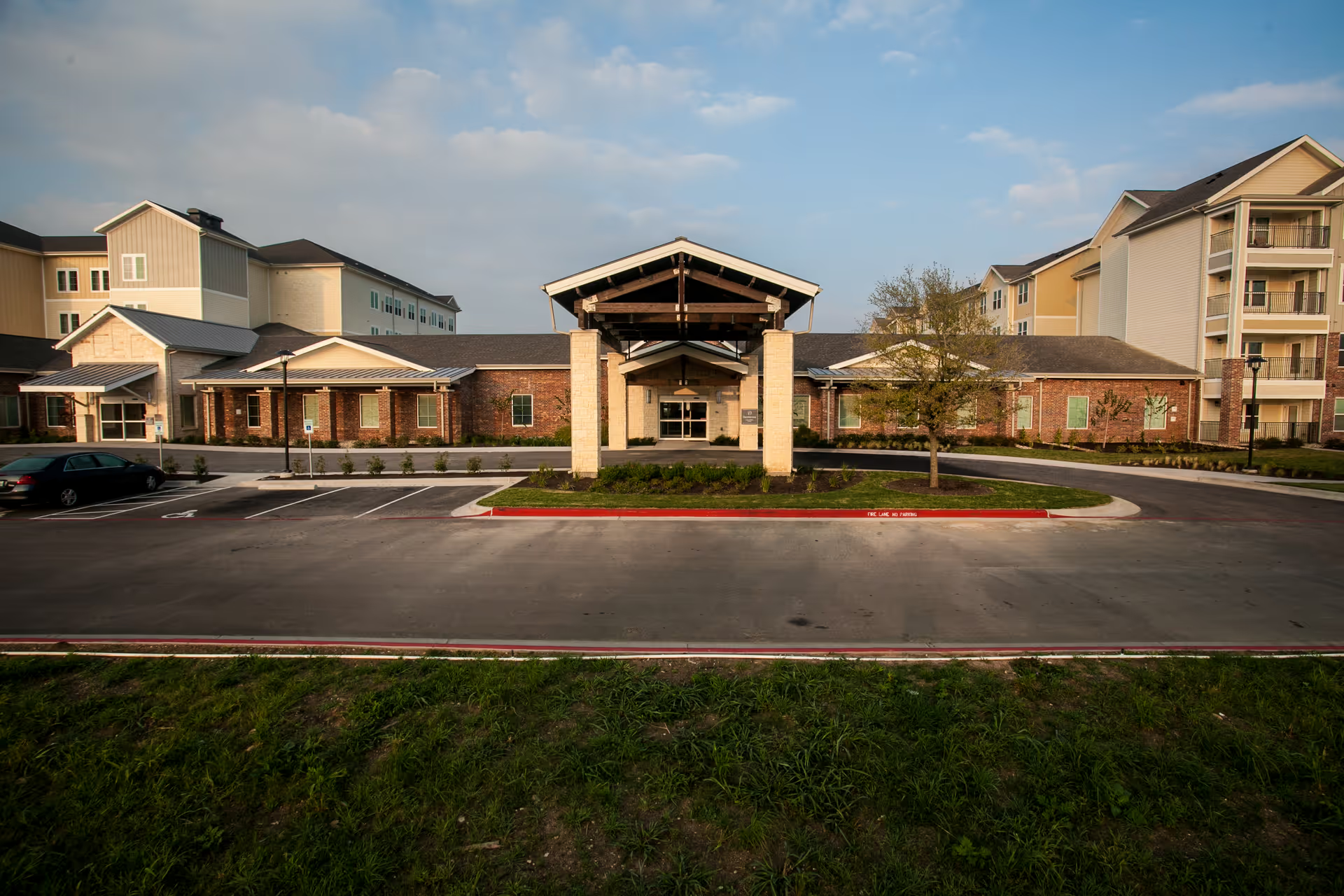
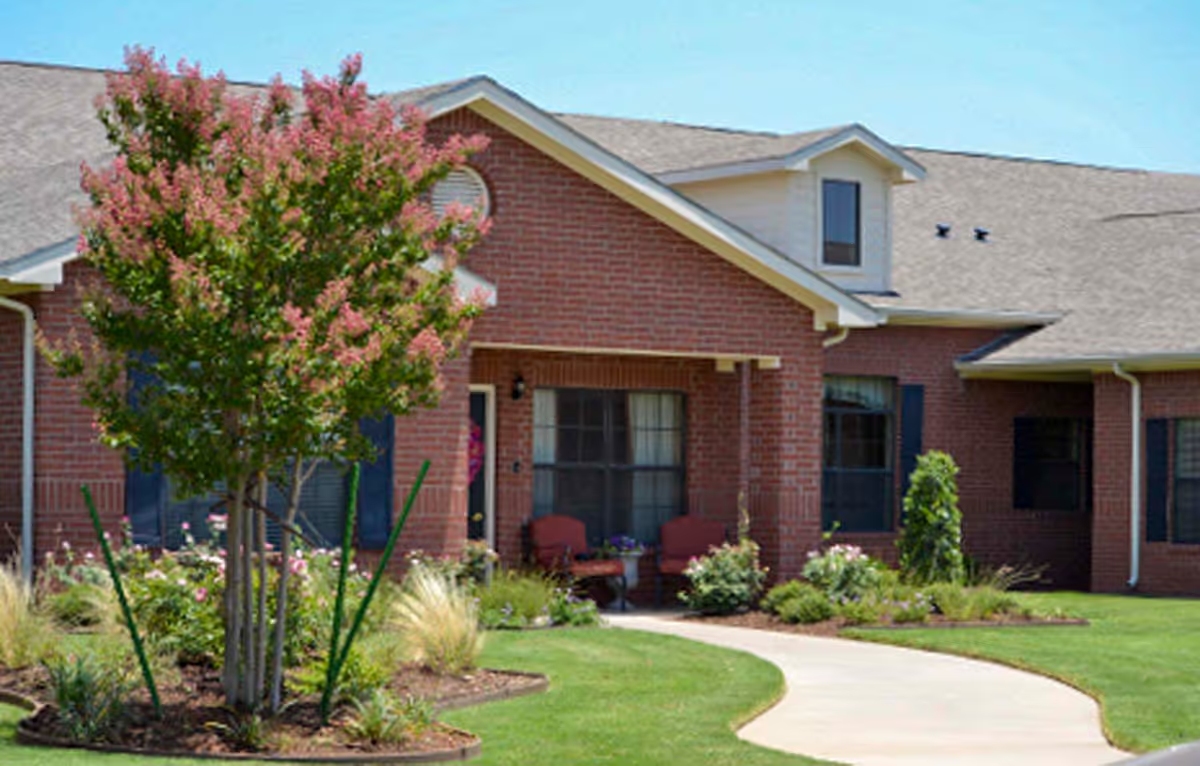
Overall impression: Reviews convey a predominantly positive view of Pecan Creek Healthcare Center, with frequent emphasis on warm, family-like relationships between staff and residents, a clean and home-like environment, and active programming. Many comments highlight a visible improvement in culture and operations since management changes, and reviewers commonly recommend the facility for long-term or post-acute care.
Care and clinical services: Families and residents generally describe attentive nursing and aide support and strong therapy programming; the therapy department is repeatedly praised for its quality. At the same time, an isolated but notable concern surfaced around rehabilitative follow-through for an acute orthopedic case. This suggests potential gaps in coordination or continuity between acute care plans and on-site therapy/monitoring. Reviewers also raised issues implying inconsistent responsiveness to personal-care needs and the need to clarify transfer and mobility-safety practices during transitions of care.
Staff and management: Staff are characterized as compassionate, respectful, and personally engaged with residents; multiple reviewers describe staff who go "above and beyond." Administration and newer management are credited with creating a more positive environment and addressing facility maintenance and culture. Communication strengths are cited, but there are also indications that family communication after clinical incidents could be improved.
Dining and activities: Dining receives favorable comments regarding food quality. Programming is described as engaging, with a variety of activities and community outreach that supports an active resident life. Scheduling and activity coordination receive positive notice from families.
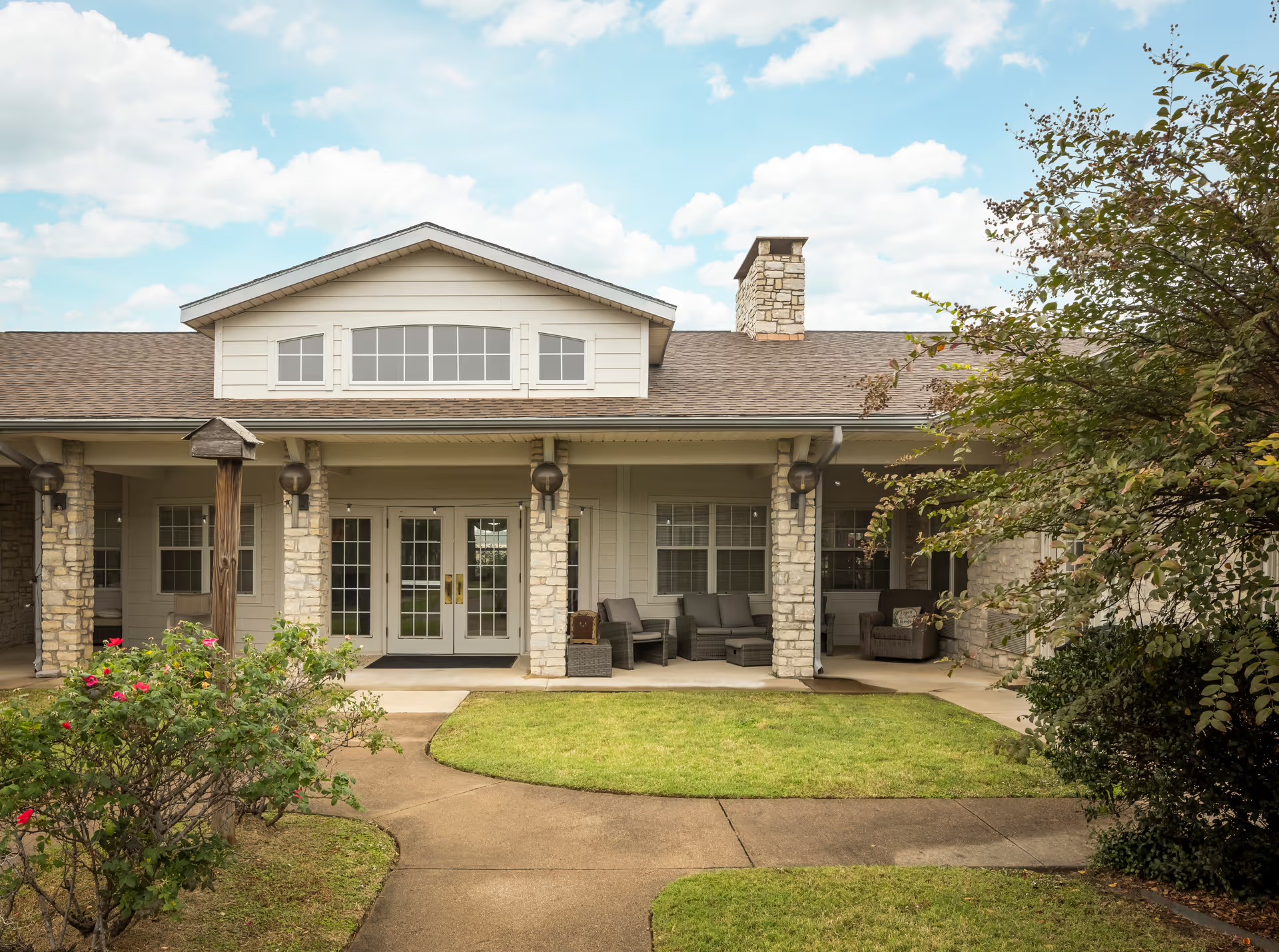
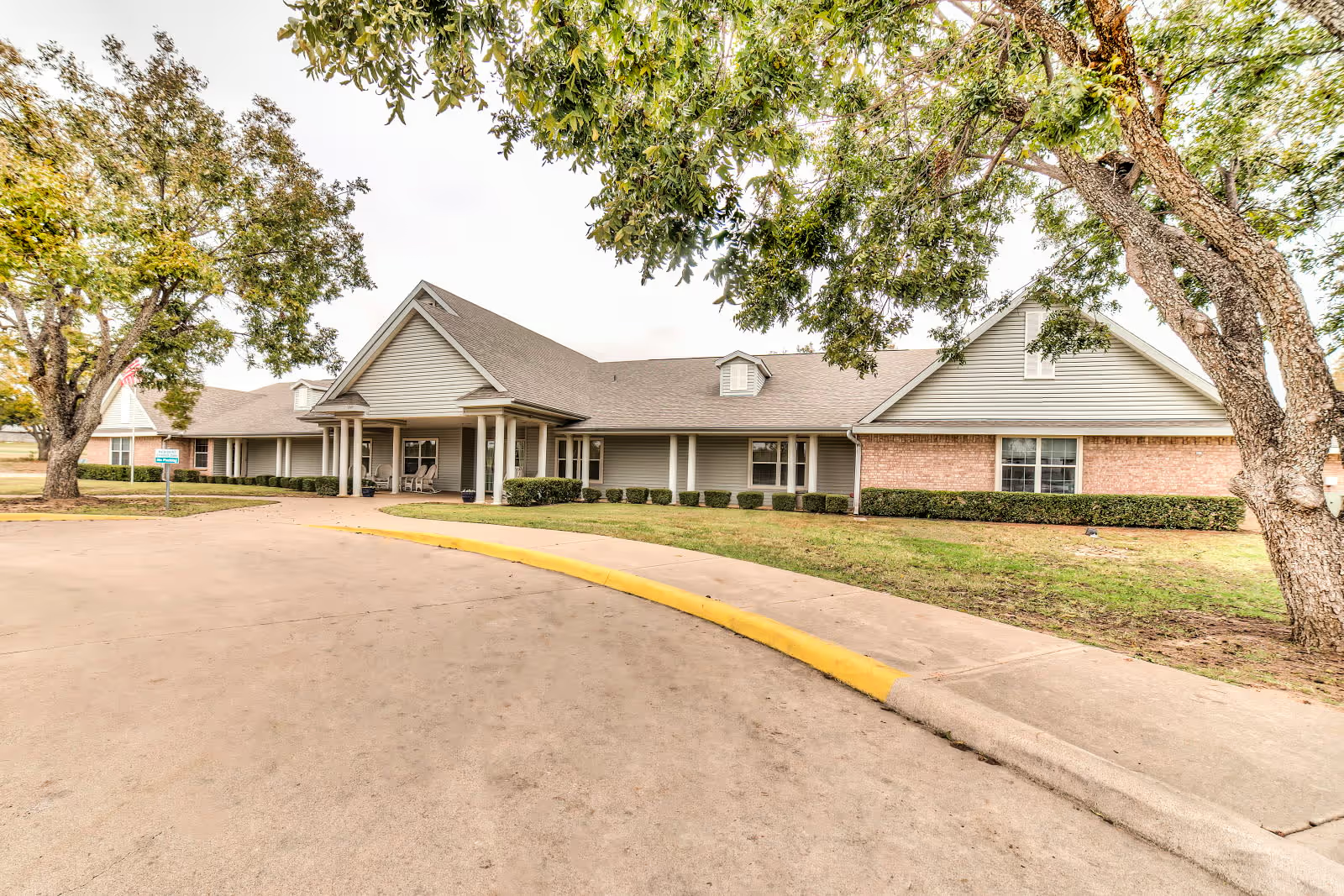
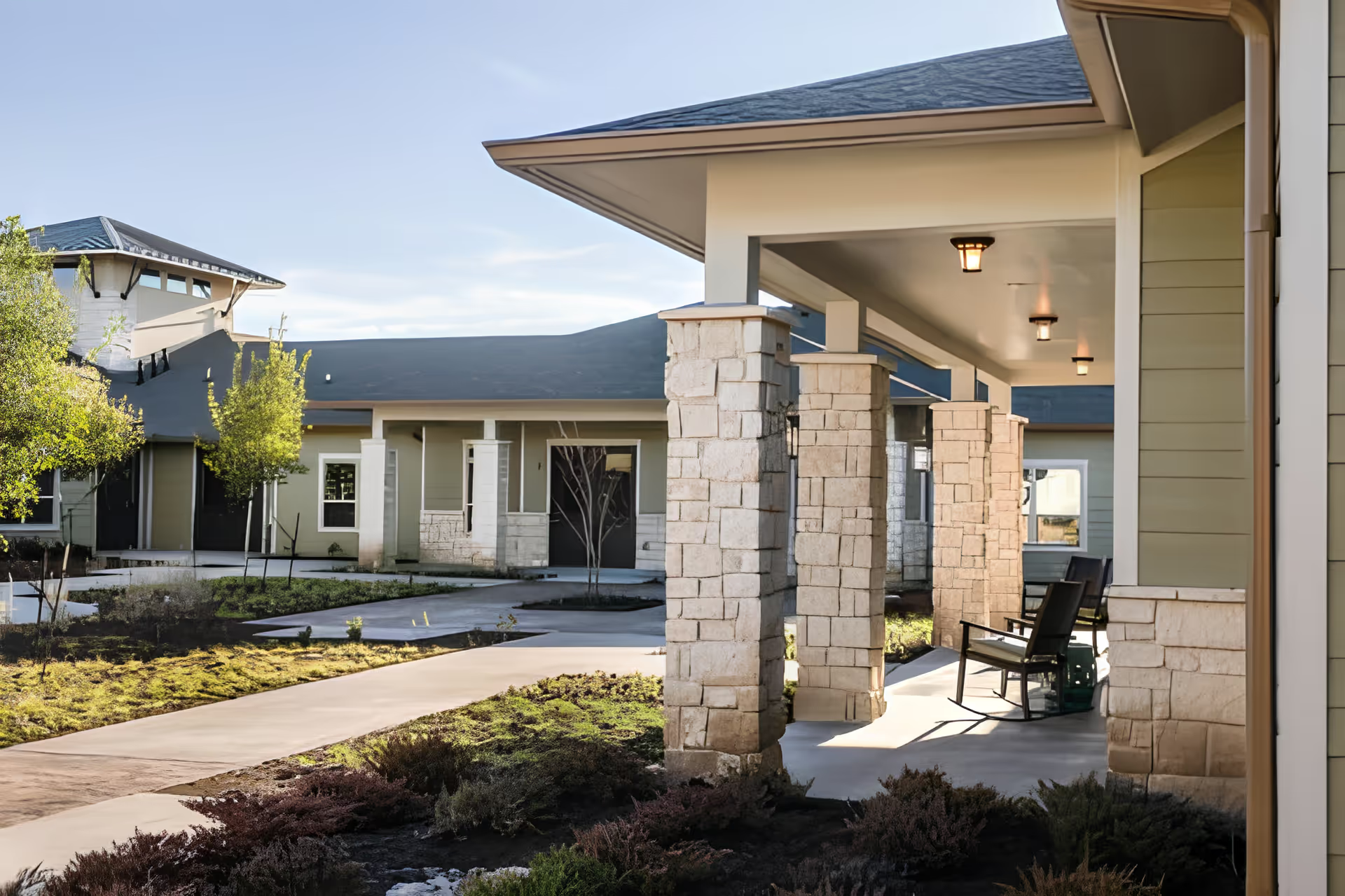
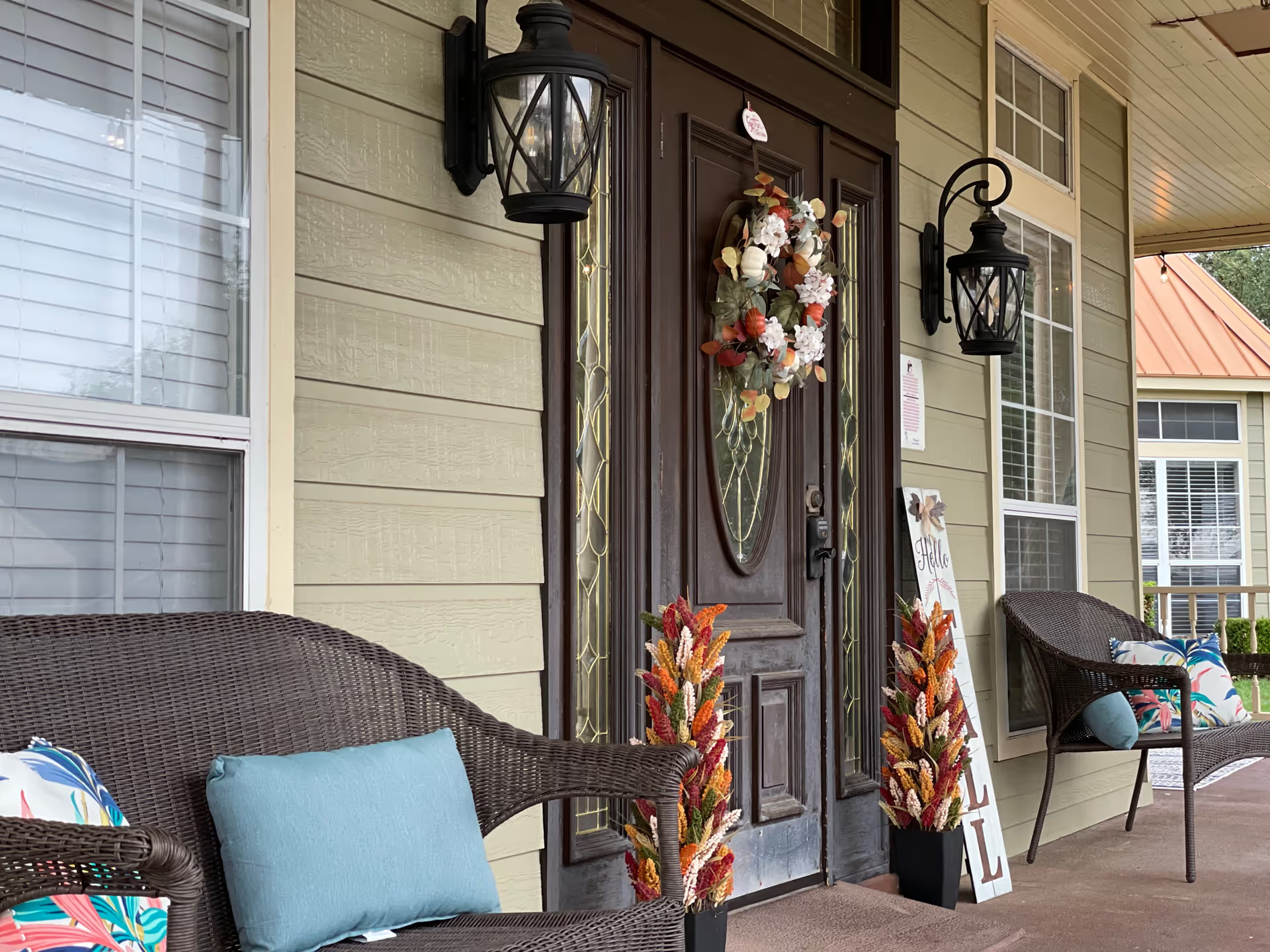
Facilities and accessibility: The building is described as clean, well-maintained, and cozy, contributing to a small-town, home-like feel. However, accessibility limitations were identified — specifically, bathroom layouts and access could pose challenges for residents with mobility needs. These design and accessibility factors interact with transfer practices and therapy needs.
Notable patterns and recommendations: The dominant pattern is one of strong interpersonal care and an inviting environment tempered by a handful of operational concerns around rehab coordination, mobility-safety, accessibility, and incident communication. Prospective families may want to ask about current therapy protocols and scheduling, how transfers and mobility are handled, bathroom accessibility for their loved one’s needs, staffing levels during peak care times, and the facility’s process for communicating clinical events to families. Asking to meet therapy staff and touring resident rooms and bathrooms during a visit will help assess fit for specific post-acute or long-term needs.