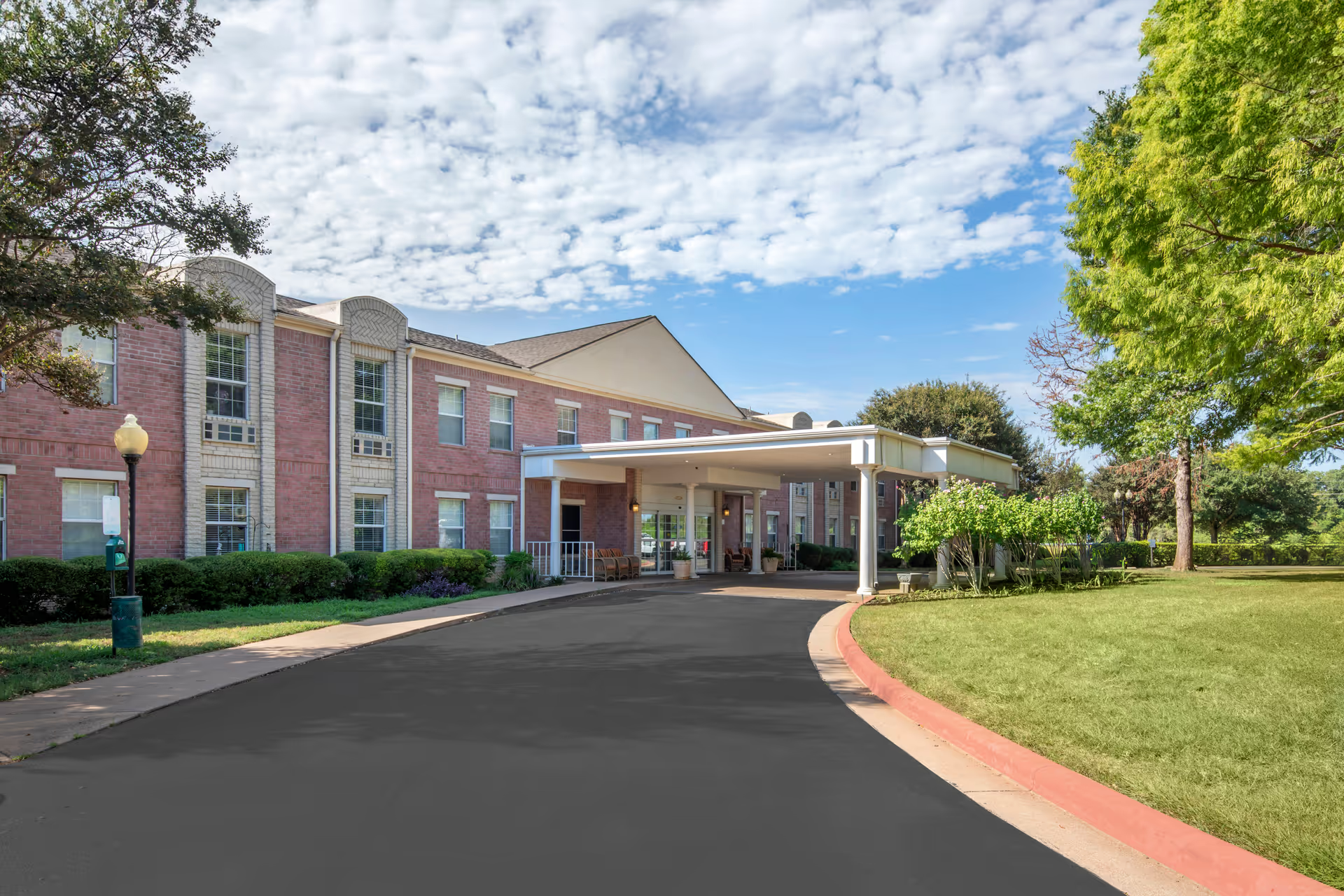
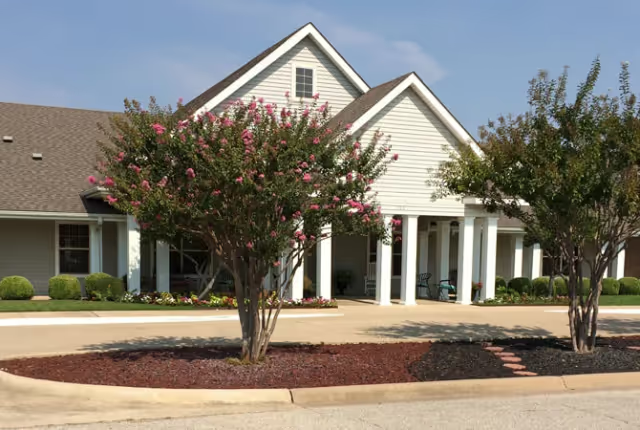
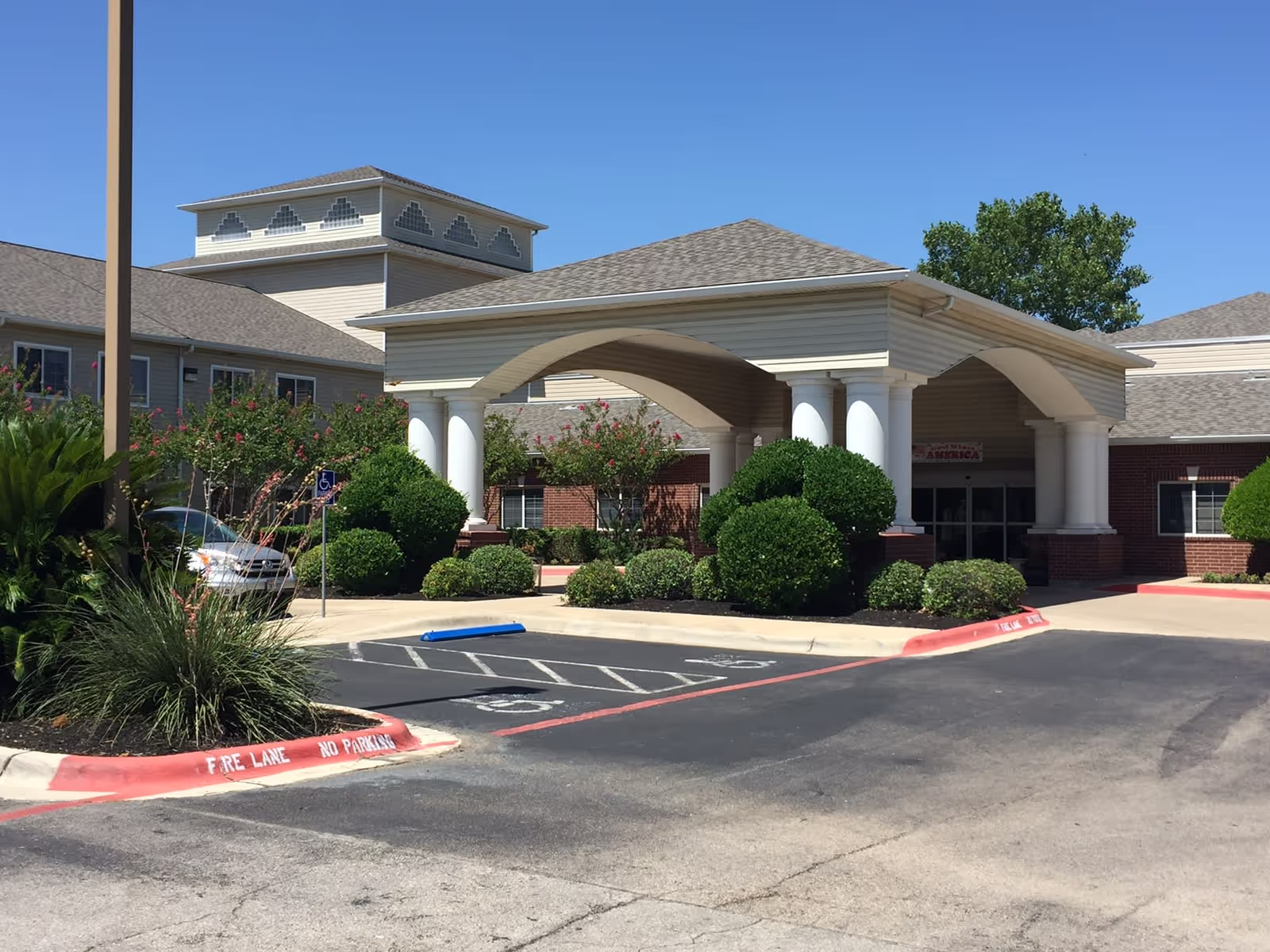
Overall impression: Lynridge of Waco presents as a well-appointed, small community with many features families value: a clean, attractive building; spacious, refurbished apartments with walk-in showers and in-room kitchenettes; a comfortable courtyard and communal spaces; and an active, resident-oriented culture. The memory-care program and the SPARK activity offerings are consistently cited as strong points, and the facility offers a broad calendar of events, outings, and holiday programming that many families find engaging and inclusive.
Care and staff: Reviewers frequently describe staff as compassionate, personable, and attentive, with many examples of individualized attention, name recognition, and staff who go beyond basic tasks. Therapy and rehabilitation personnel receive specific praise for clinical effectiveness. At the same time, there is a recurring pattern of staffing instability and turnover that affects continuity of care. Several reviews raise concerns about limited licensed nursing coverage (notably RN availability and 24/7 clinical staffing) and describe instances that point to gaps in medication-administration controls and caregiver training. Prospective families should clarify current nurse staffing levels, medication protocols, and staff training practices during a tour.
Dining and food service: Dining is a frequently noted strength when the kitchen is operating at capacity — reviewers highlight a chef, restaurant-style presentation, fresh salads, desserts, and well-prepared holiday meals. The facility also offers social dining touches such as a large dining room and a happy hour/bar area. However, there are reports of variable food quality and service interruptions (for example, slow table service, cold items when key kitchen staff are absent), and limited diabetic or specialized menu options were mentioned. Meal-service continuity and menu accommodation practices are reasonable topics to address with leadership.
Activities and social life: Activity programming is a major positive, particularly in memory care where staff proactively remind residents and run full-day schedules. Families praise creative events, outings, holiday celebrations, and opportunities for volunteering and purposeful participation. Areas noted for improvement include occasional cancellations or last-minute schedule changes, and a desire for a broader mix of activity types (including more options that appeal to male residents and residents with different interests).
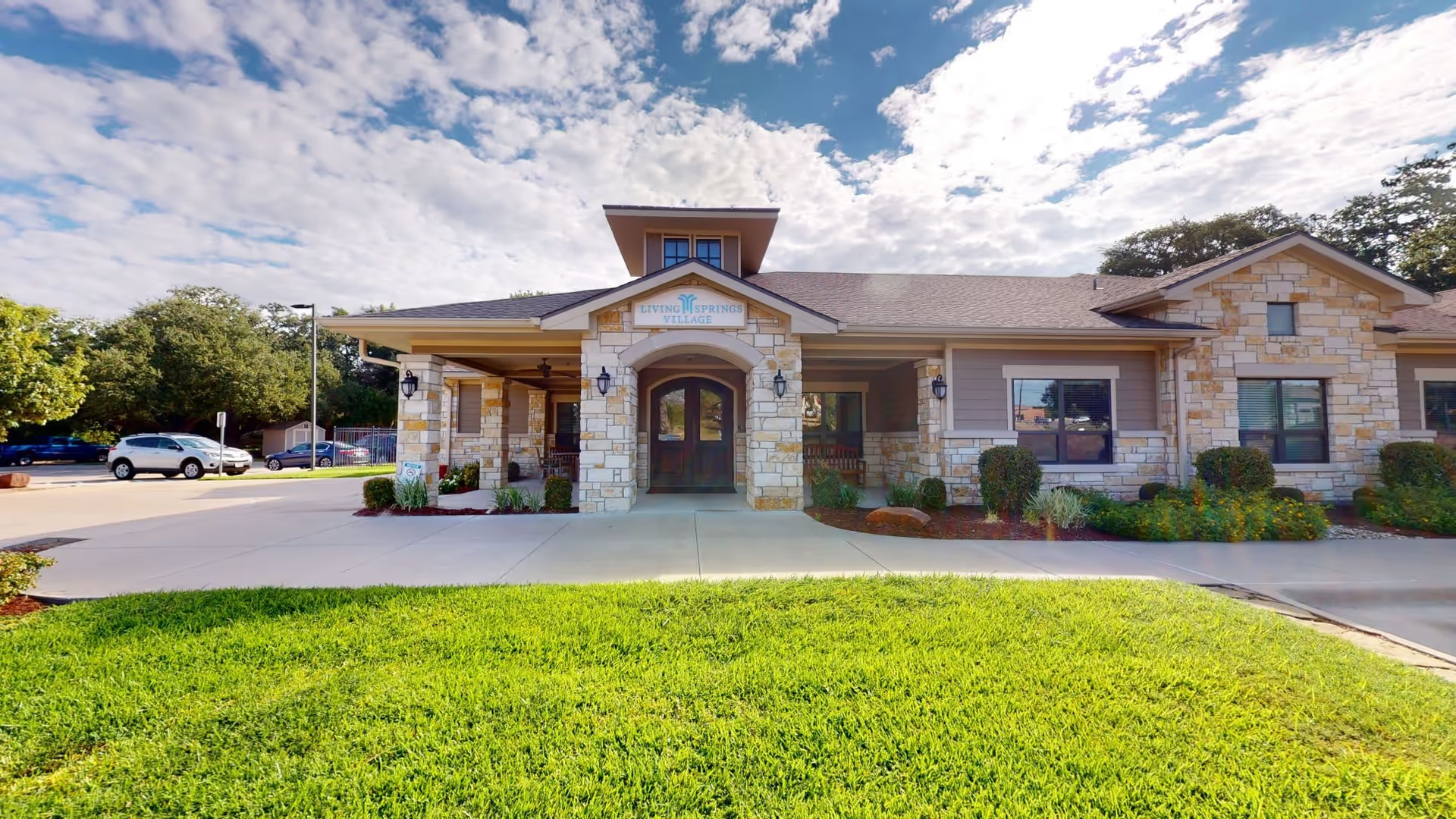
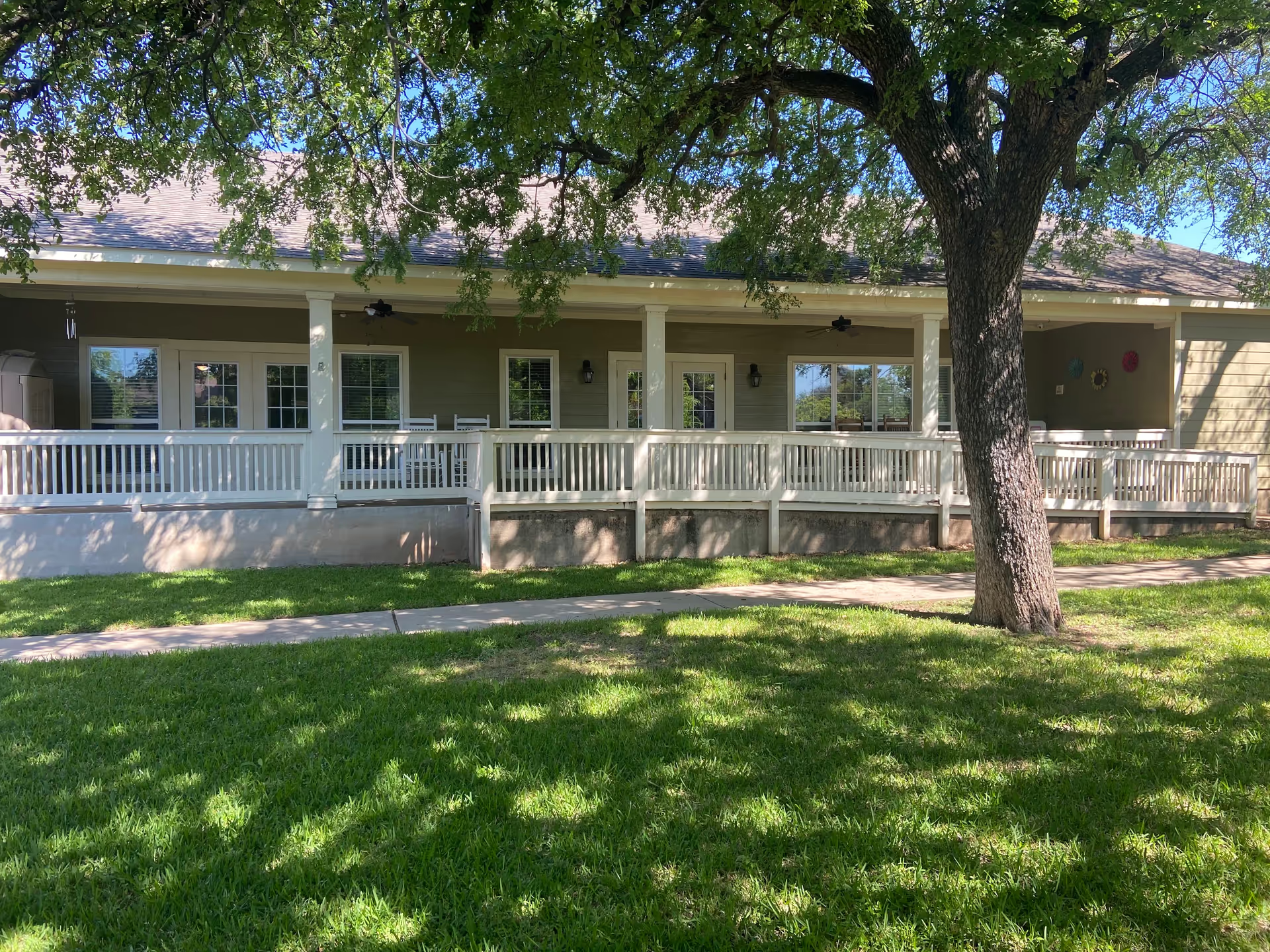
Facilities and amenities: The building and grounds receive high marks for cleanliness, layout, and amenities — therapy spaces, beauty shop, movie room/theater, and large communal dining areas are frequently mentioned. Still, housekeeping consistency appears uneven across apartments and some common areas, producing sanitation concerns for a subset of families. Outdoor offerings are pleasant but some reviewers would prefer more secured/fenced outdoor recreation space. A few reviewers also noted night-time door-control or access concerns that merit clarification.
Management and communication: Experiences with administration vary. Some families describe positive leadership changes, improved upkeep, and transparent communication; others describe administrative shortcomings such as billing confusion, refunds handled with limited explanation, onboarding coordination gaps, and inconsistent follow-through on requests. There are also reports of delayed family notification after incidents, which suggests opportunity to strengthen incident-response timelines and communication protocols.
Bottom line: Lynridge of Waco appears to offer a strong social and activity environment, attractive facilities, and many committed caregivers and clinical staff who enhance residents' quality of life — particularly in memory care and therapy. However, persistent themes around staffing stability, licensed nursing coverage, medication-management controls, housekeeping consistency, and certain administrative processes suggest families should verify current staffing models, clinical protocols, housekeeping standards, dining contingency plans, and incident-notification procedures during their decision process. Observing a mealtime, asking for written staffing schedules, and requesting recent examples of how the community handles clinical incidents and billing questions can help prospective residents and families assess fit.