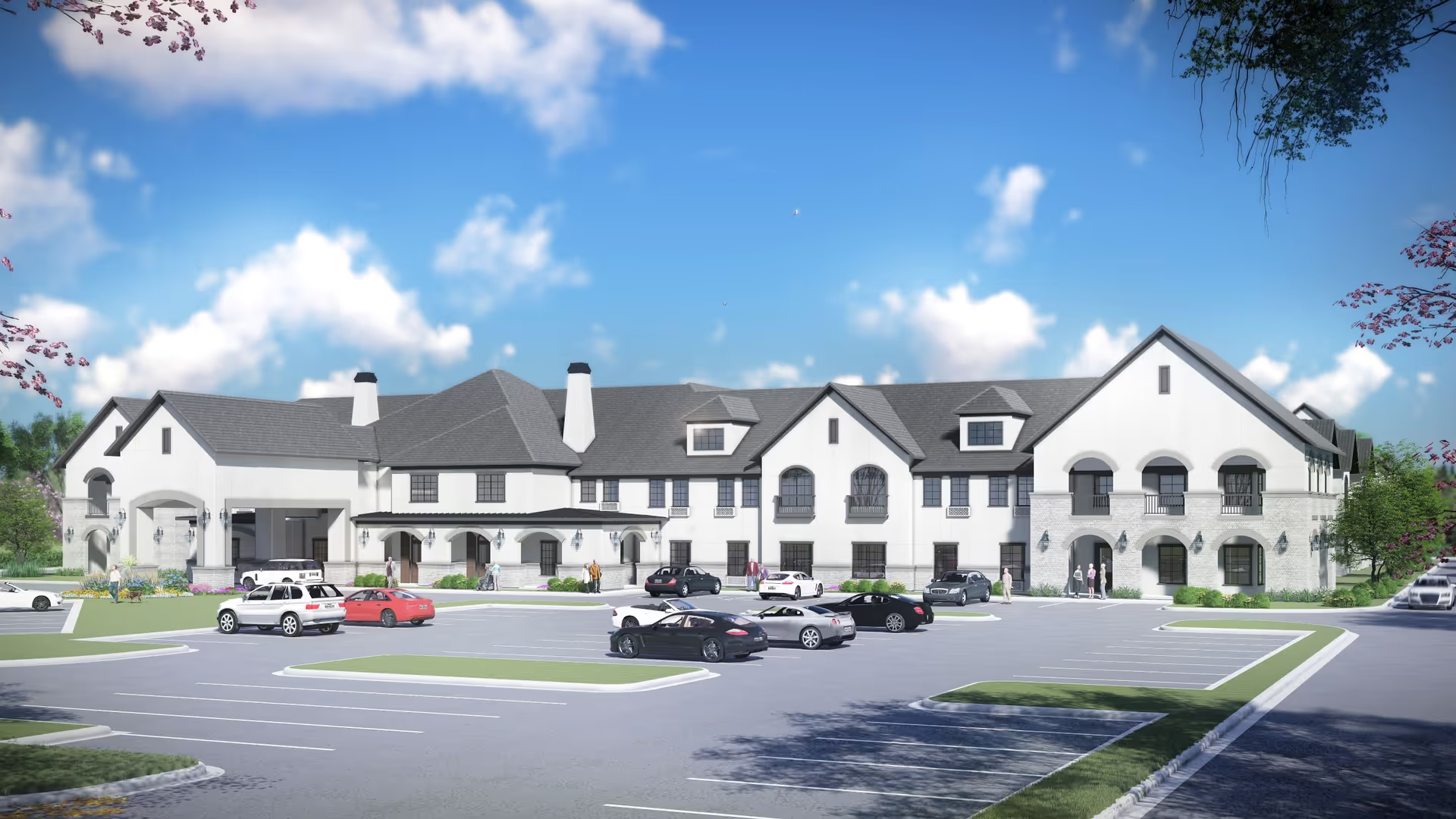
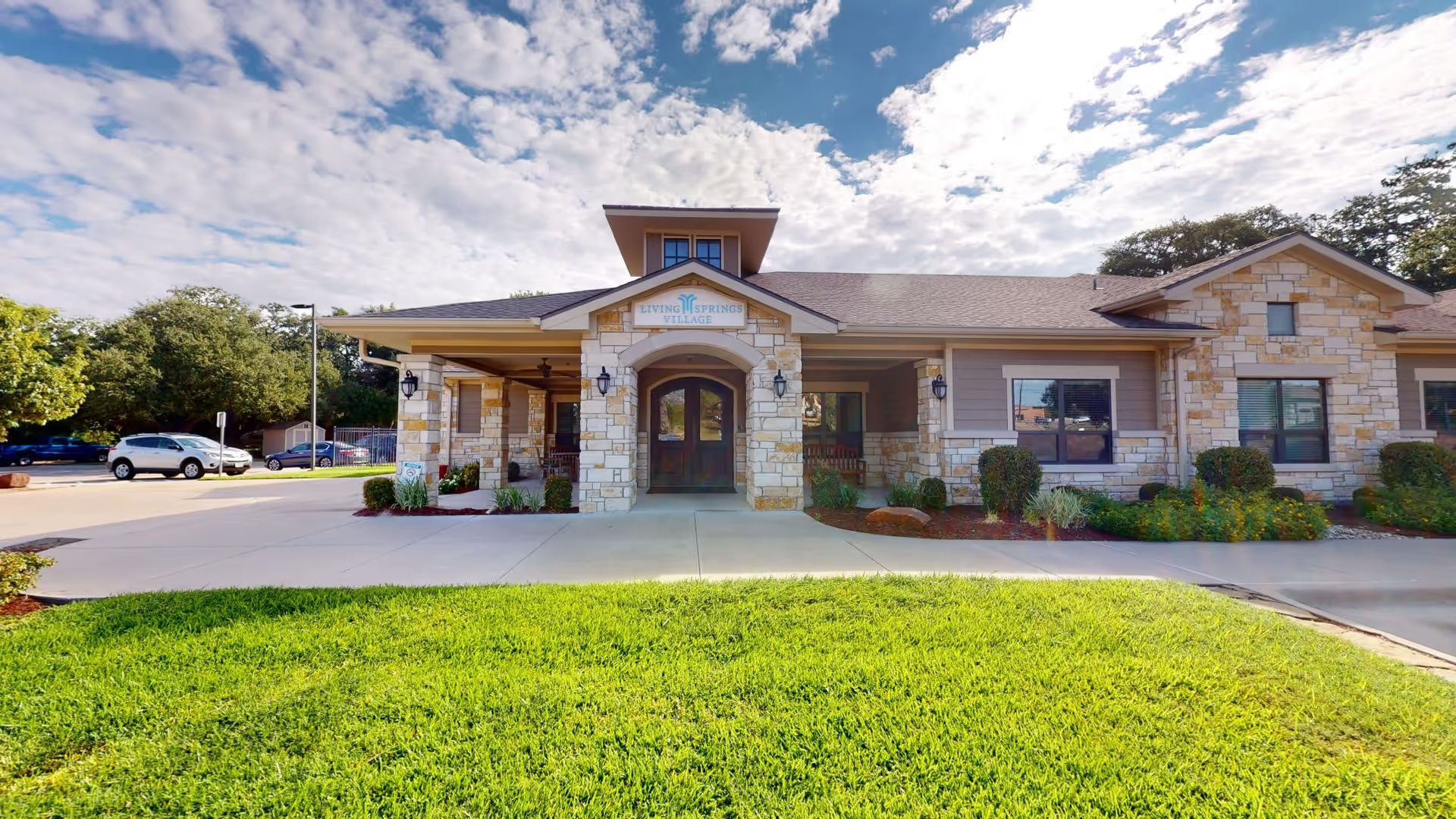
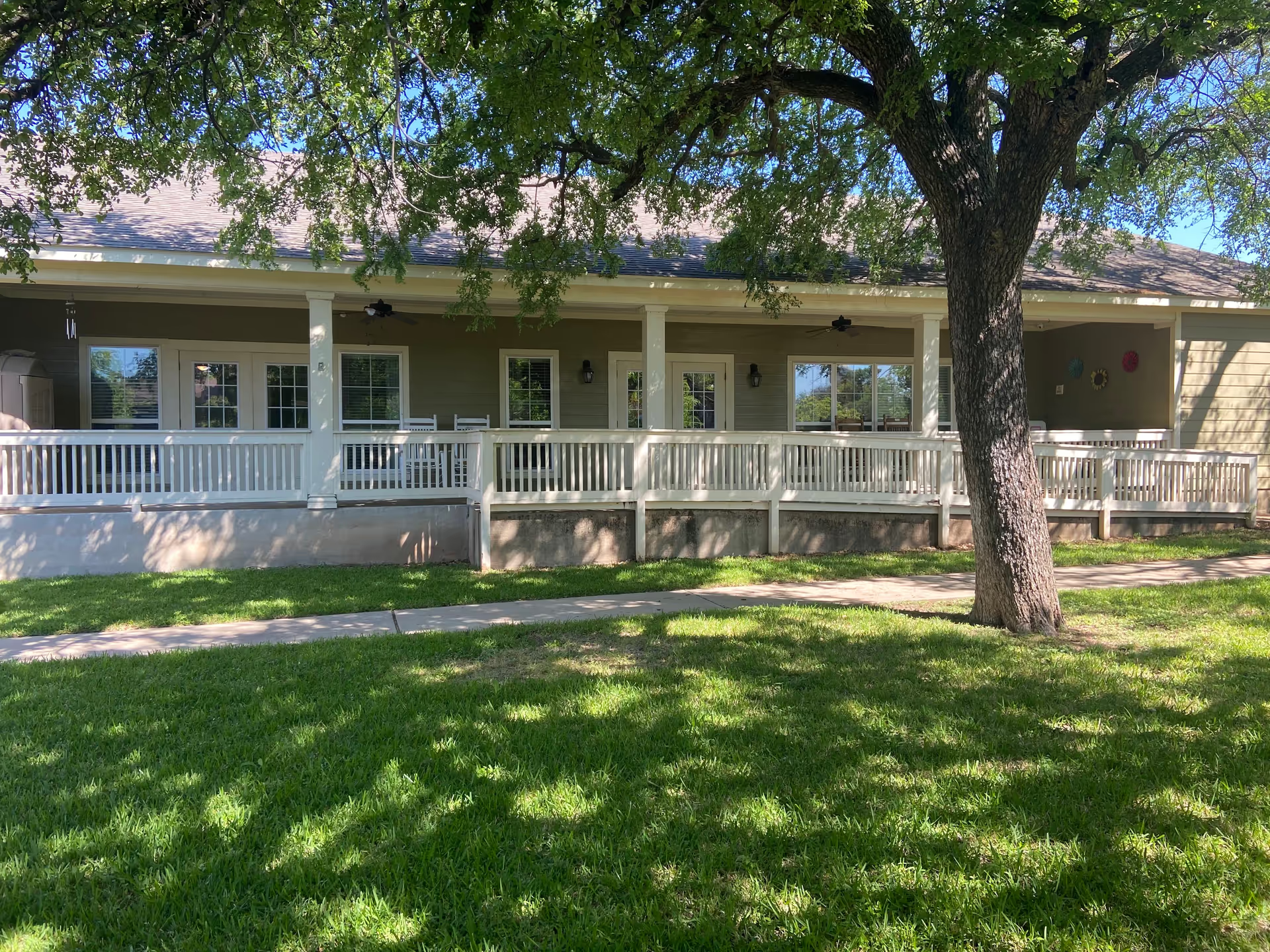
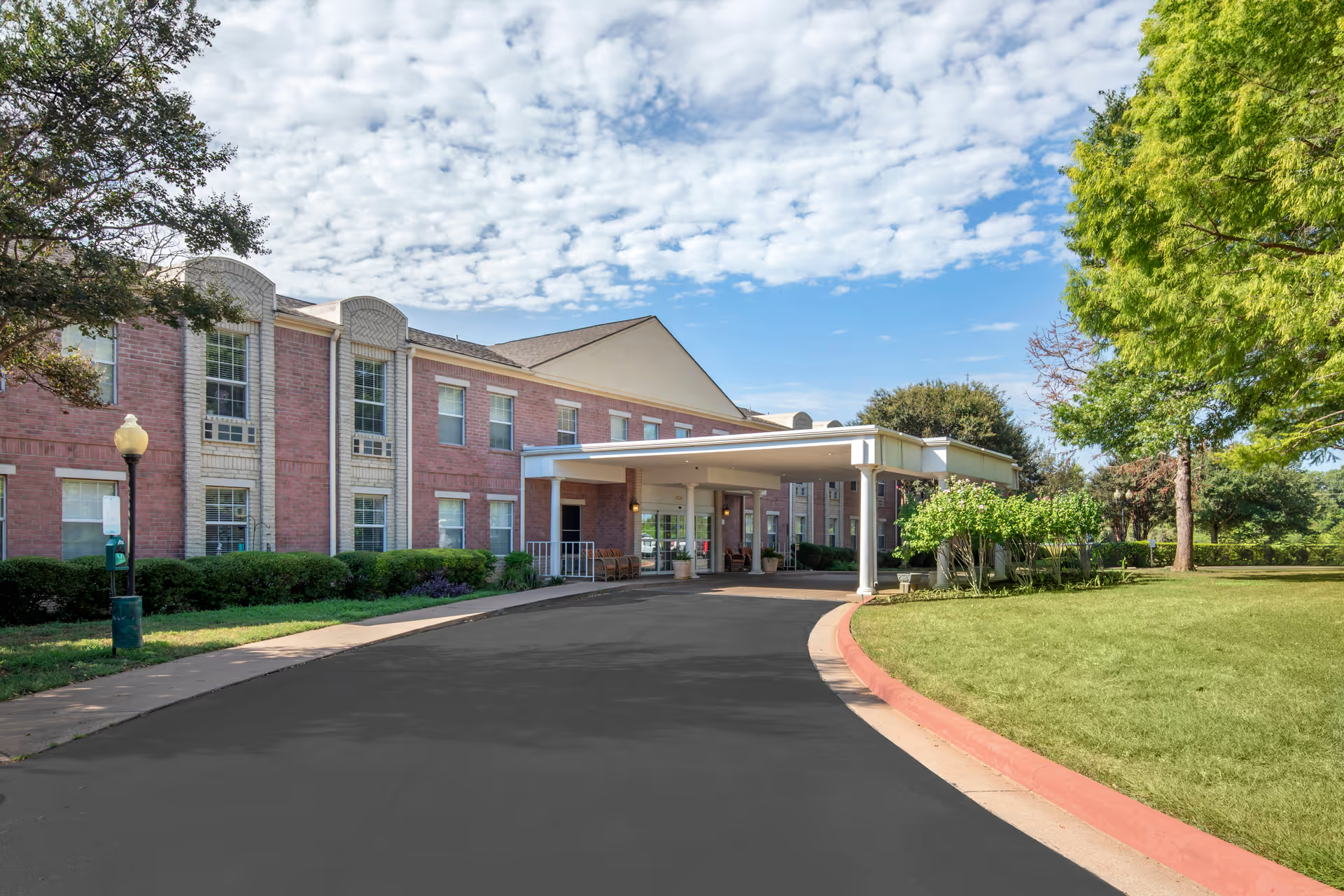
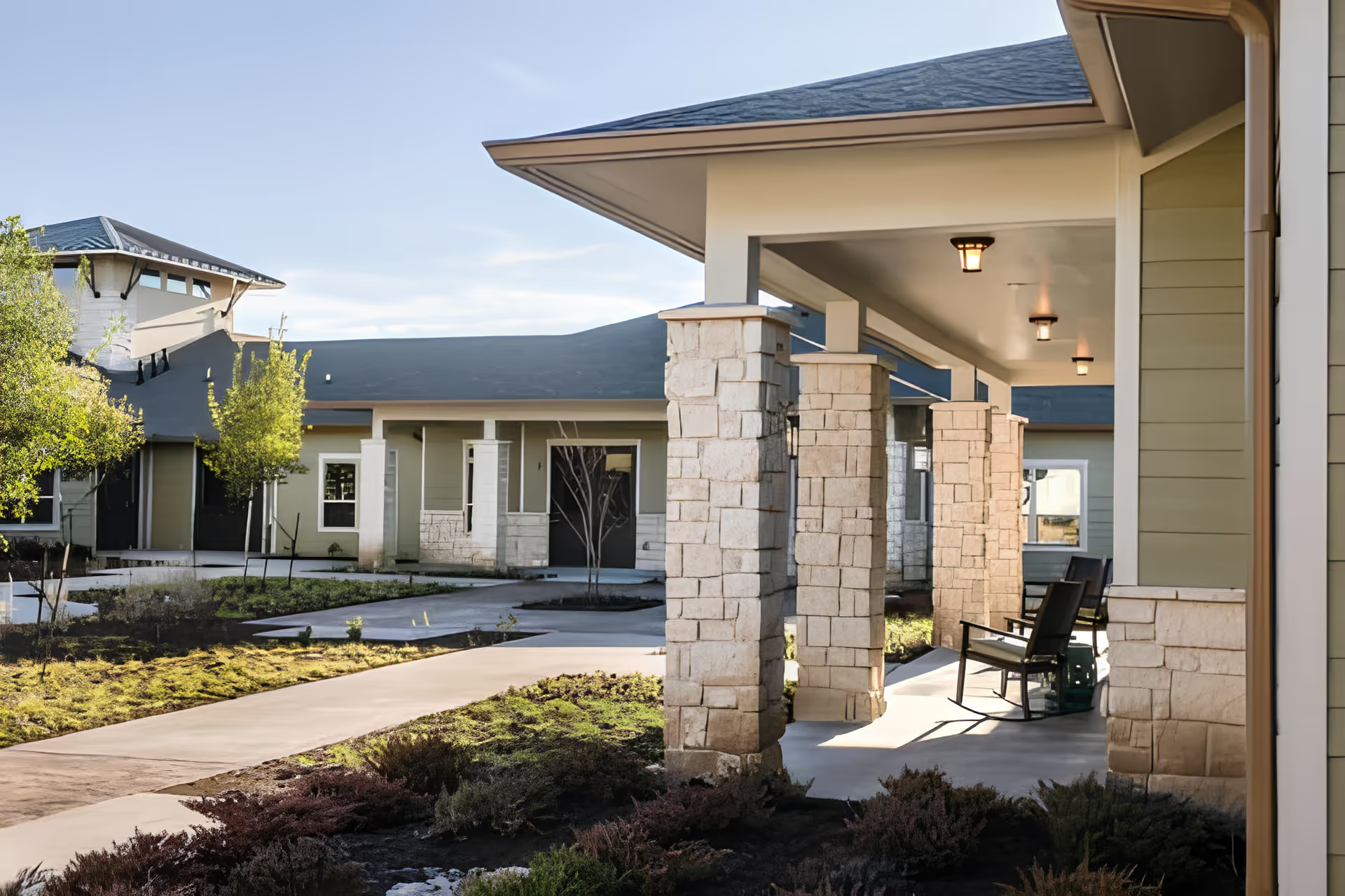
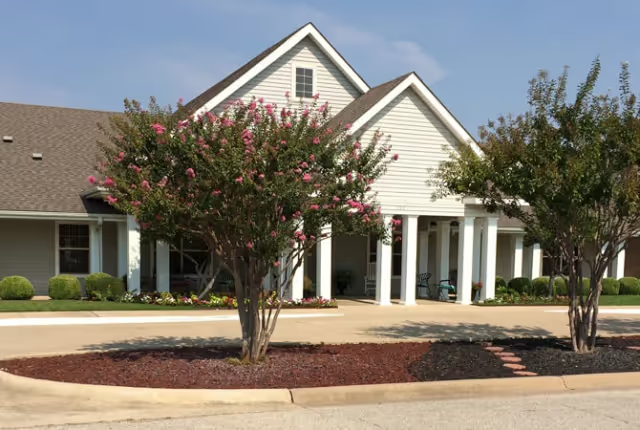
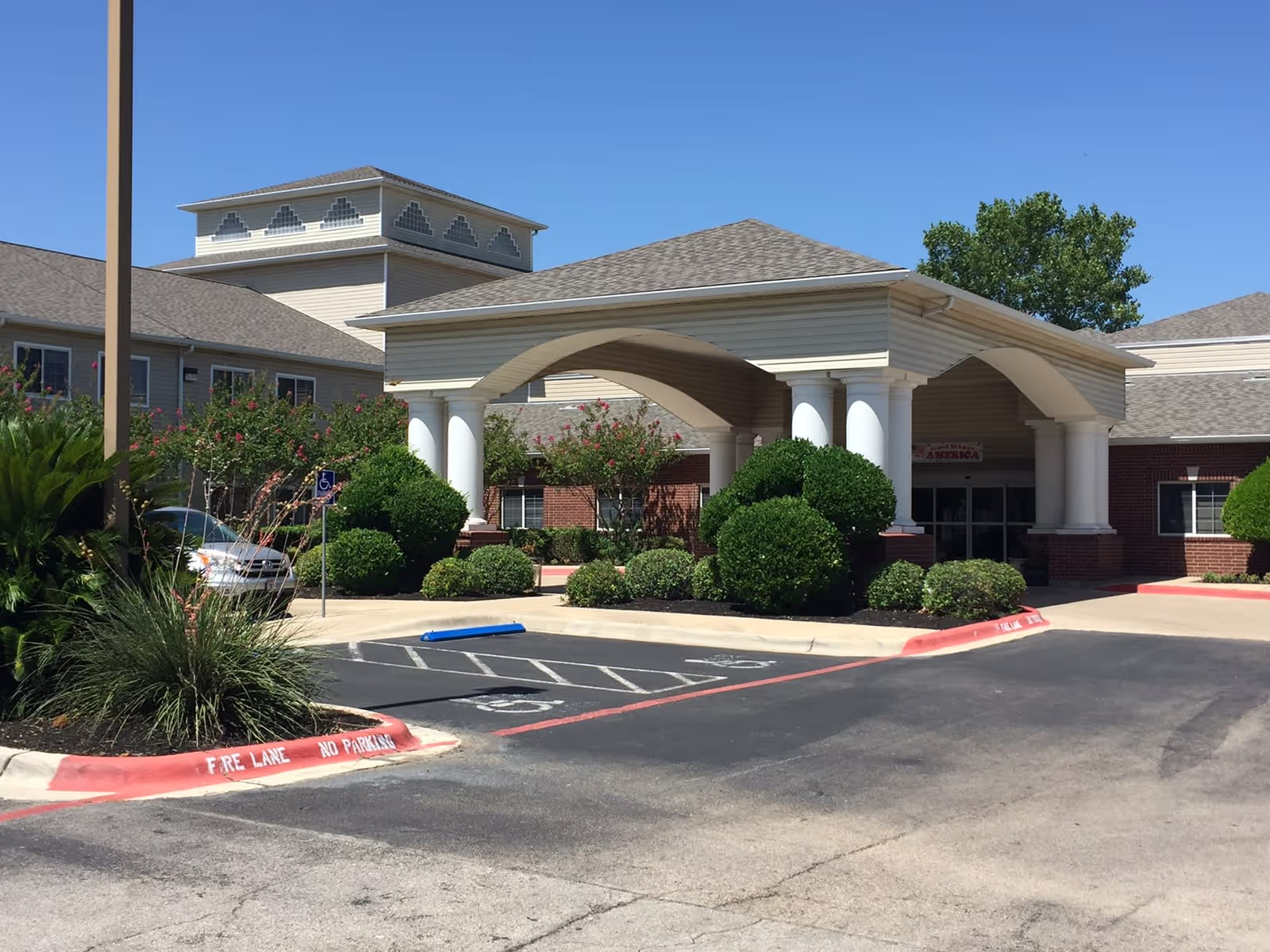
Arbor House presents as a largely modern, small-scale assisted living and memory-care community with many families praising the staff’s compassion, dementia training, and quick responsiveness. Reviewers consistently describe a home-like atmosphere, private apartment units, attractive common areas and secure outdoor spaces. Several families highlighted effective memory-care programming, active recreational schedules, regular entertainment and social events, and on-site rehabilitation resources or proximity to skilled nursing — attributes that contribute to social engagement and continuity of care for residents.
Care quality is frequently described as caring and attentive; staff are often noted by name and described as forming close relationships with residents. Memory-care expertise and compassionate end-of-life coordination are recurring strengths. At the same time, patterns emerge around inconsistent execution of some personal-care tasks (bathroom assistance, oral care, meal modifications) and differences in capability between shifts. These observations point to variability in day-to-day caregiving rather than a single systemic model of care; prospective families should ask about shift-specific staffing, training protocols, and supervision during tours.
Dining and activities are generally highlighted as positives — with varied menus, diabetic-friendly planning, pureed/modified diets addressed in some cases, multiple group activities, and opportunities for resident input. That said, several families described uneven meal preferences or occasions when menu and portion adjustments were not made as expected; activity participation can also be limited for residents with sensory impairments or specific interests (requests for more male-focused programming were noted). Clarify individual dietary plans and activity inclusion at intake to set expectations.
Operationally, reviewers identified recurring management and process concerns: inconsistent medication administration/documentation, gaps in communication about contracts and fees, occasional sanitation or housekeeping inconsistencies, and episodic coordination problems around transport or clinical incidents. There are also mentions of staff turnover and administrative changes that some families interpreted as disruptive. These are trait-level operational items that could affect reliability of service delivery; verify medication-management procedures, incident escalation workflows, housekeeping schedules, and contractual terms during assessment.
In summary, Arbor House appears to deliver a warm, relationship-oriented environment with strengths in memory care, social programming, attractive facilities, and responsive front-line staff. However, variability in staff training across shifts, personal-care assistance practices, medication processes, and certain operational communications are recurring themes. Prospective residents and families would benefit from focused questions during a tour: ask to observe shift handoffs, review the medication-administration and incident-reporting policies, confirm meal-modification protocols, and request examples of how the facility addresses training gaps and leadership turnover. Those steps can help determine if Arbor House’s strong relational culture aligns with an individual’s clinical and daily-care needs.