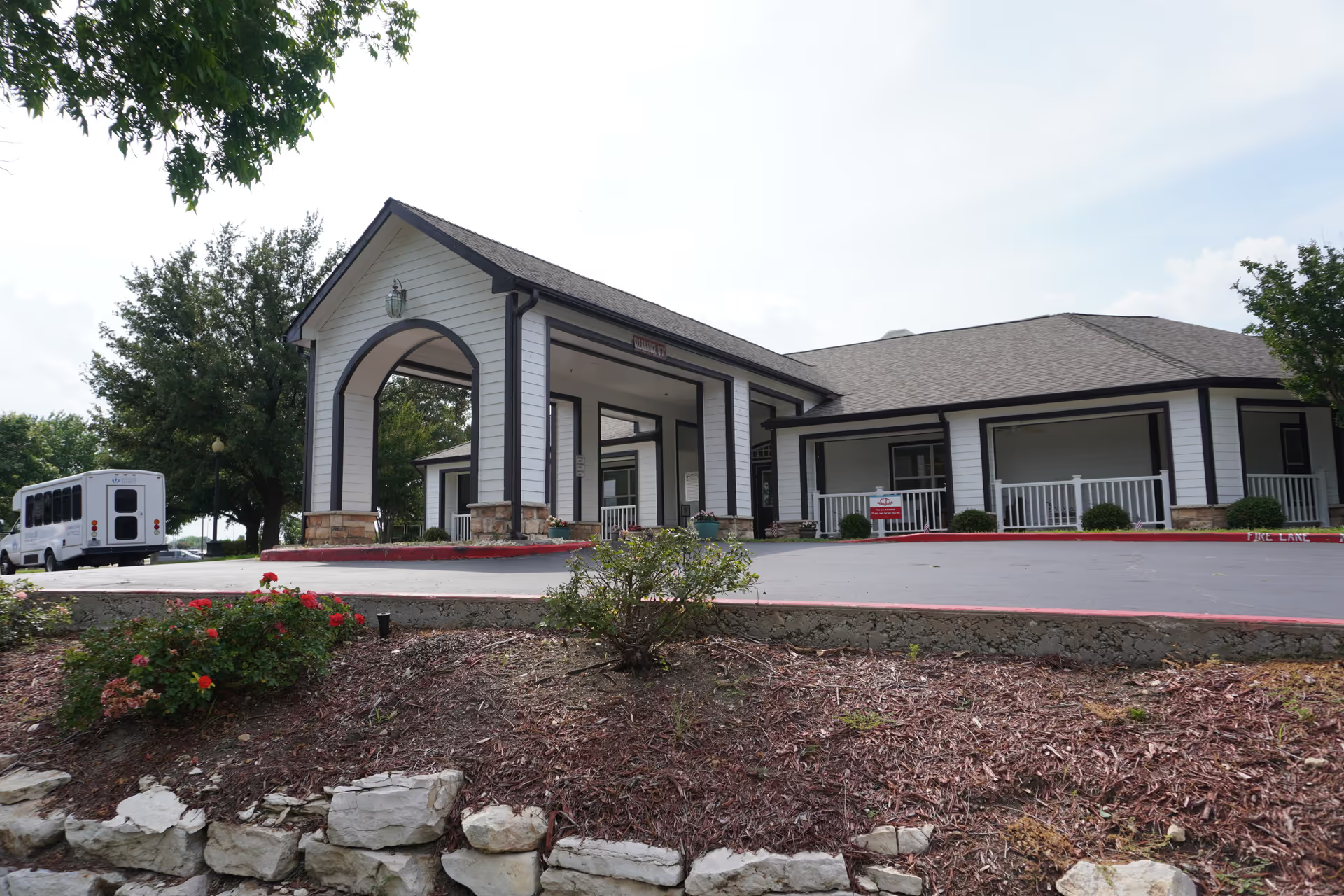
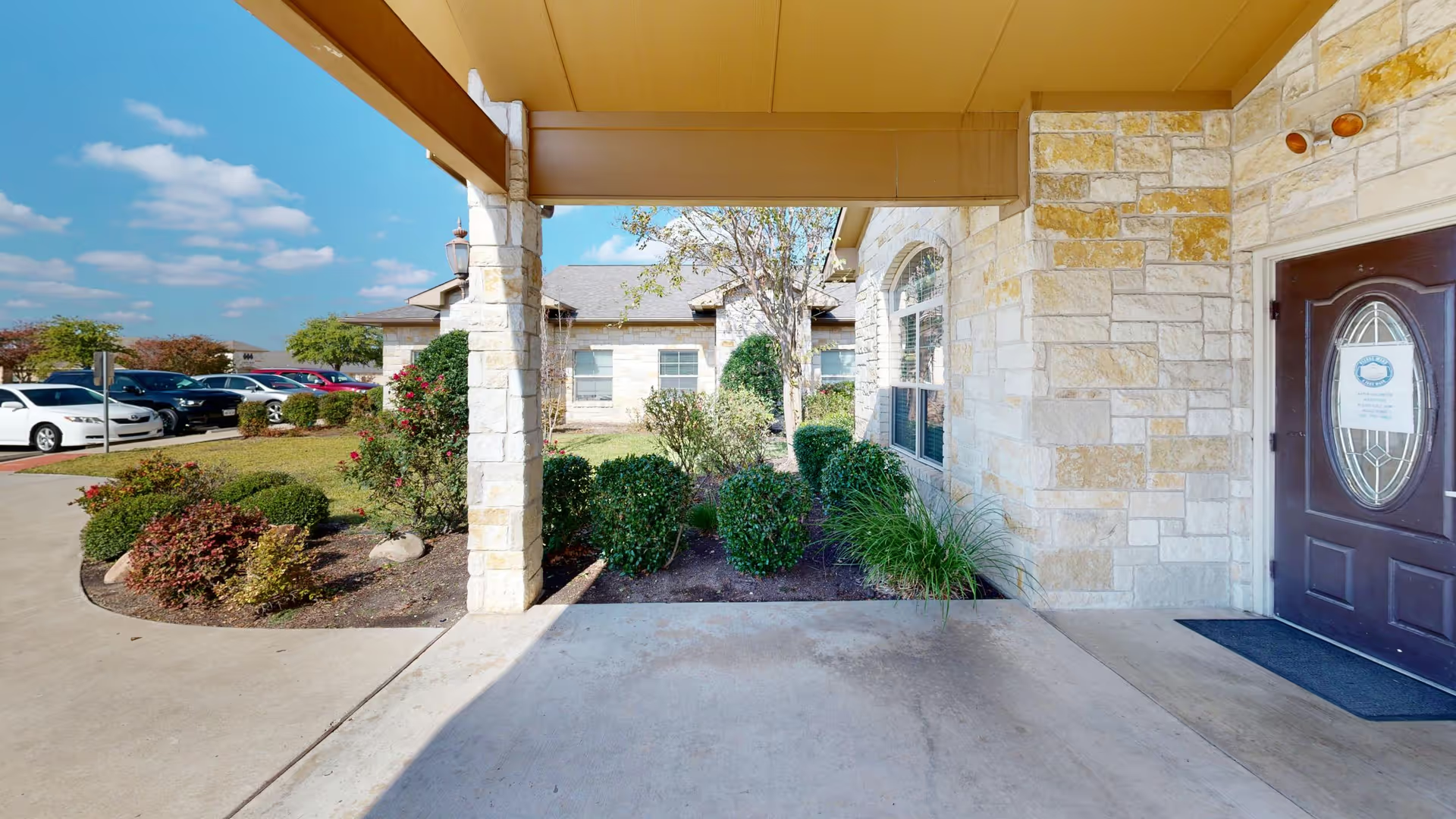
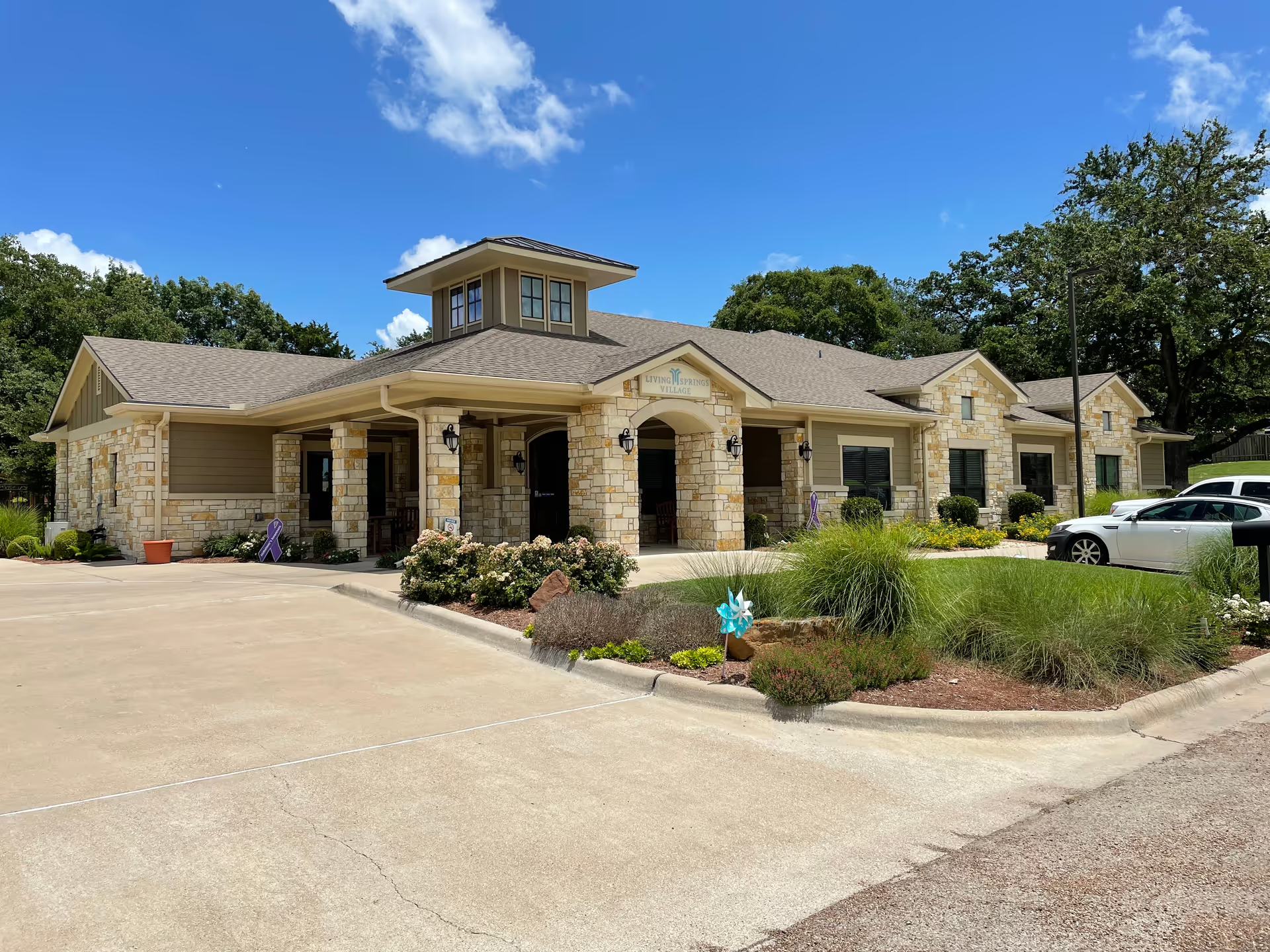
Wildflower Place elicits widely divergent impressions, with a large number of families praising individual caregivers, the activity program, and the community’s small, secure layout, while other accounts point to operational inconsistencies. Many families highlight compassionate, attentive nurses and aides who provide personalized attention — particularly for residents with dementia — and they describe strong two-way communication with leadership and nursing staff. Several named staff members were singled out for exceptional care and support, and reviewers frequently note responsive maintenance, a clean and welcoming public environment, and on-site conveniences such as a salon, transportation options, and accessible parking.
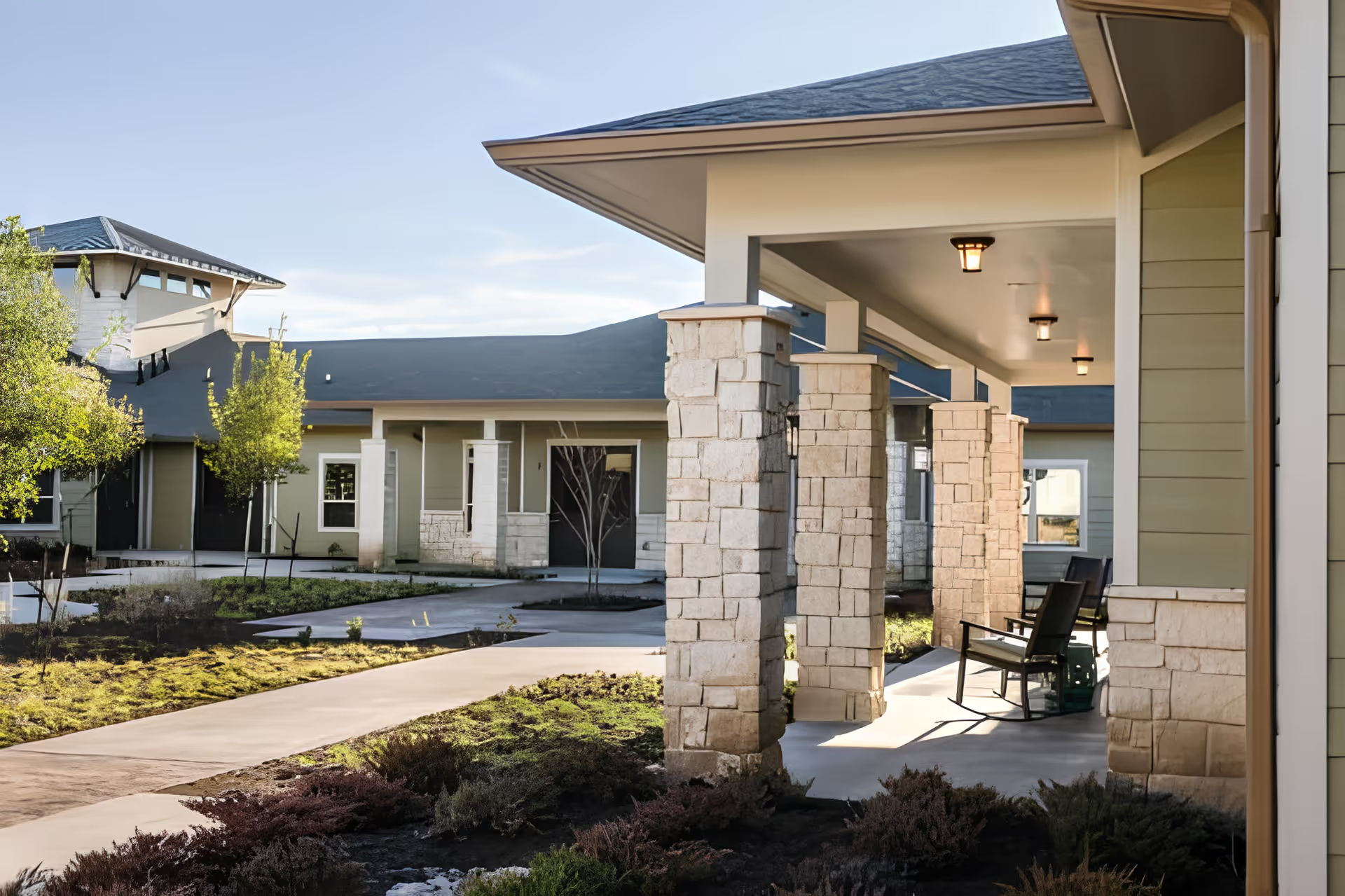
The activity program is often described as a strength. Reviewers note a variety of offerings (music, games, exercise, arts and crafts, social events) that engage residents and contribute to socialization in this smaller community. Hospice coordination and end-of-life support also received positive mention, and the single-floor layout and courtyard areas are seen as conducive to resident mobility and outdoor access. Multiple comments reflect that the facility can feel home-like for residents and that staff efforts to mark special occasions and provide individualized attention are appreciated.
At the same time, there are recurring operational concerns. Staffing appears variable: reviewers describe periods of low staff levels, high turnover, and uneven supervision. These staffing patterns correlate with reported gaps in incident response and family notification, as well as inconsistencies in apartment preparation and housekeeping. A subset of reviews raised sanitation concerns in private units and noted that some rooms and carpets could use more substantial refurbishment. Management transitions have been noted — some families describe visible improvements under new leadership (staffing increases, a new chef, life-enrichment coordination), while others report continued uncertainty about policies and procedures.
Dining receives mixed feedback. Some reviewers appreciate recent menu changes and home-style meals, but a number of families described bland or small portions and limited diabetic-friendly choices. Transparency and billing practices were flagged as an operational weakness by several families; specifically, admission-fee policies and unexplained price increases reduced trust for some. There is also occasional confusion about the community’s scope of care: several reviewers indicated the assisted-living level is limited and that residents requiring higher skilled nursing must relocate.
In sum, Wildflower Place presents as a small, community-oriented facility with notable caregiving strengths and a lively activities culture. Prospective residents and families should weigh these positive interpersonal aspects against variability in staffing, some documented housekeeping and physical-plant needs, meal consistency and dietary accommodations, and aspects of pricing transparency. Visiting in person, meeting current clinical leadership, reviewing incident-response policies, and clarifying contractual fees and level-of-care limits will help families determine whether the community’s strengths align with a prospective resident’s needs.