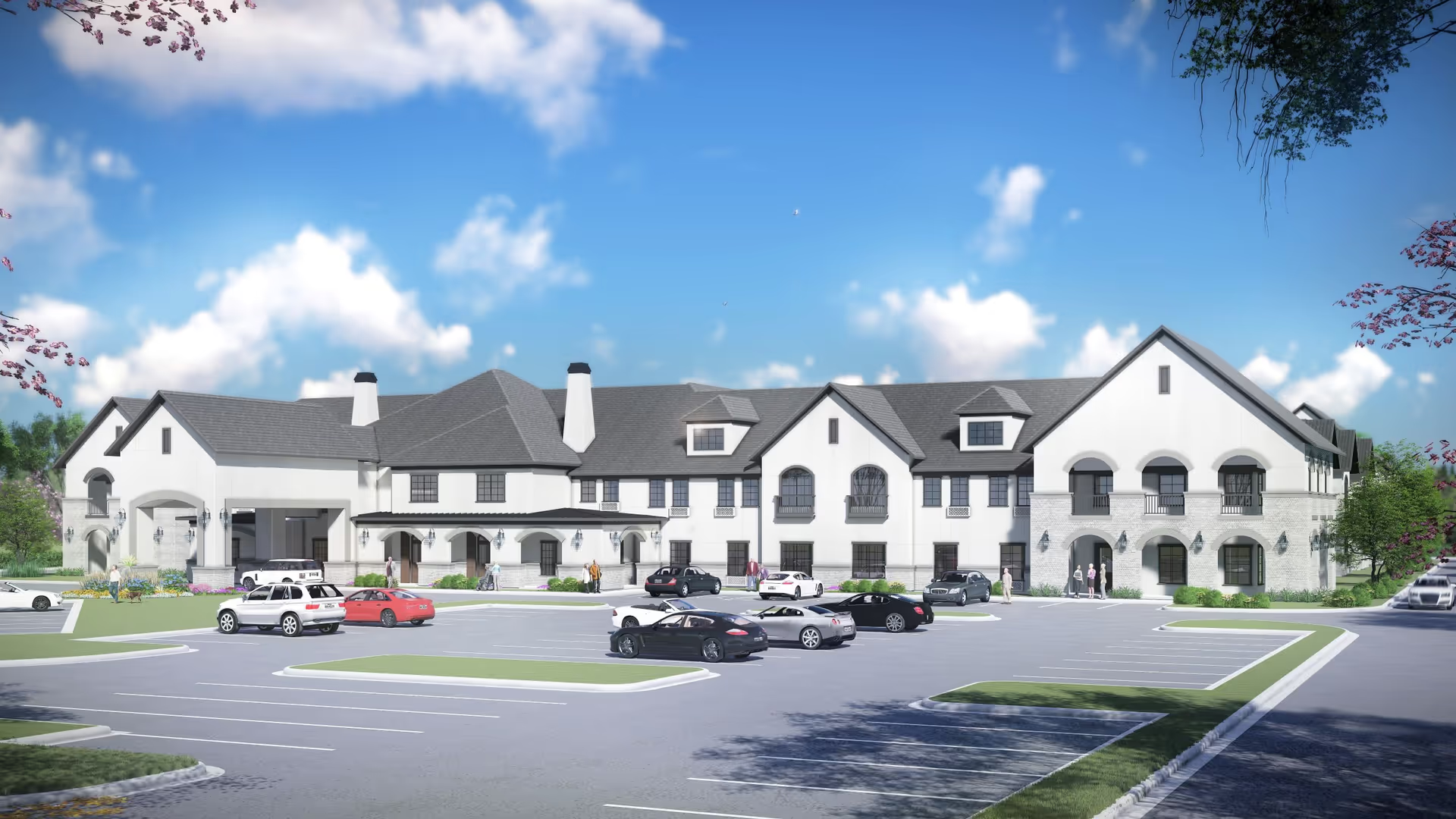
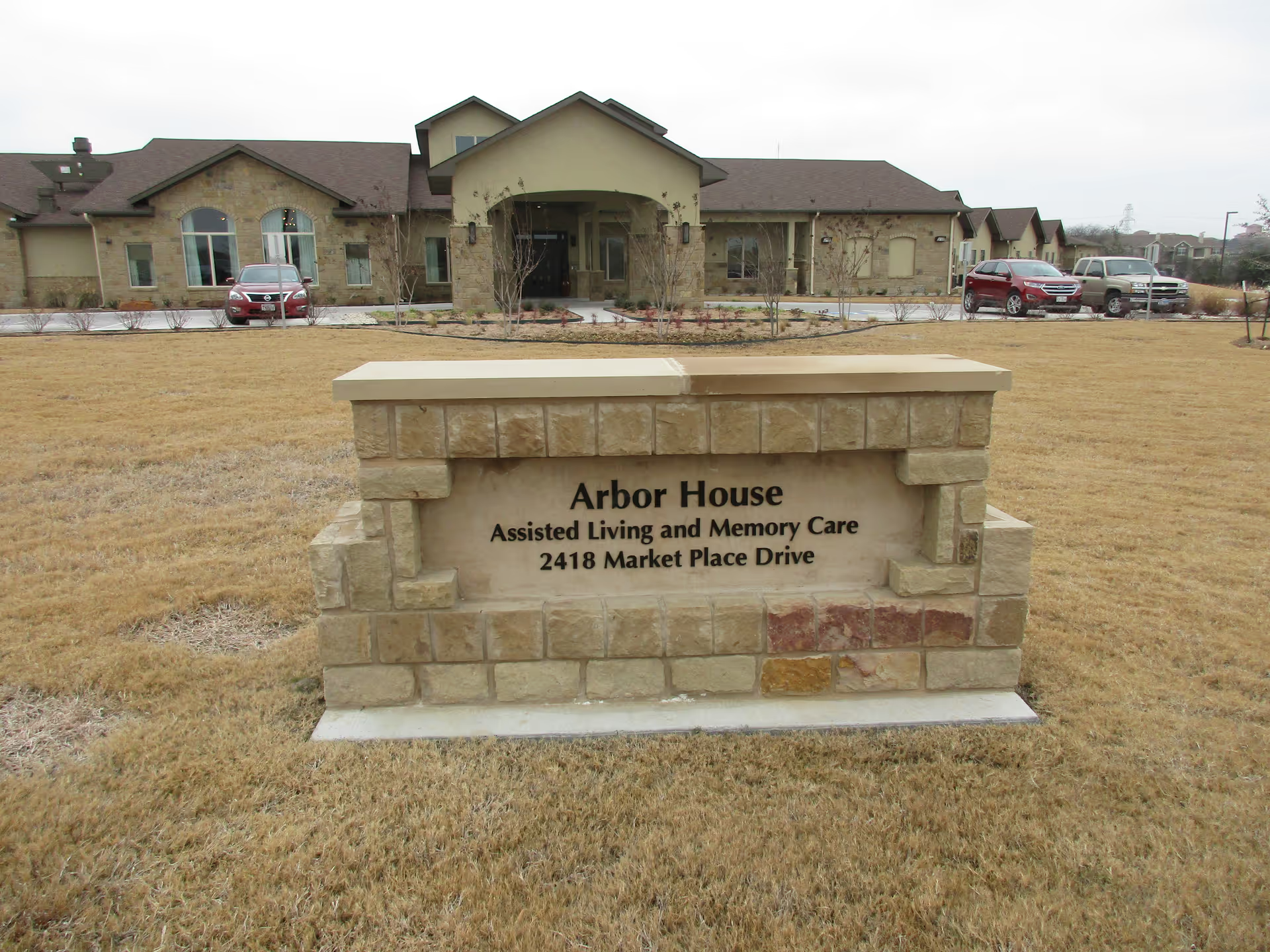
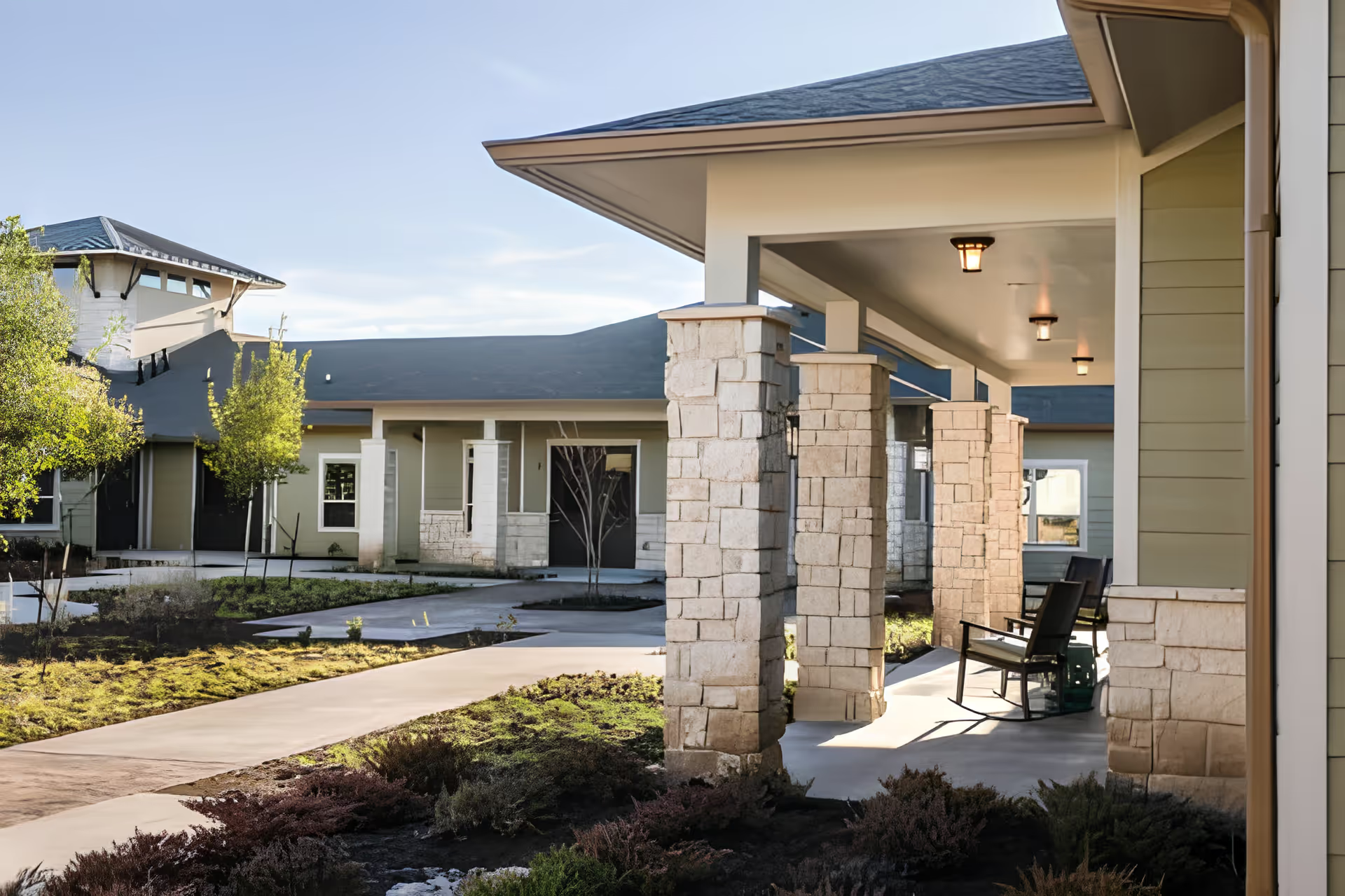
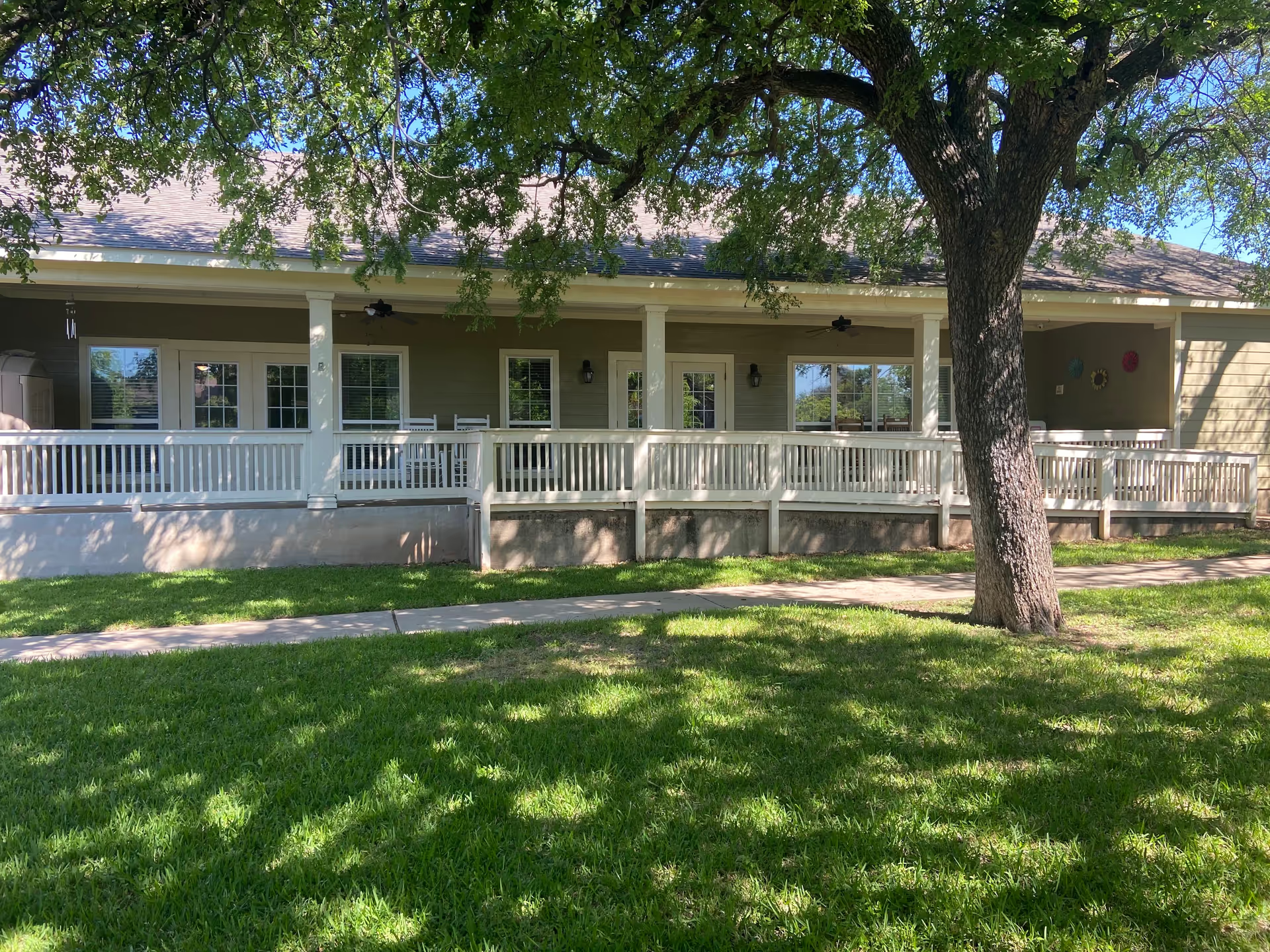
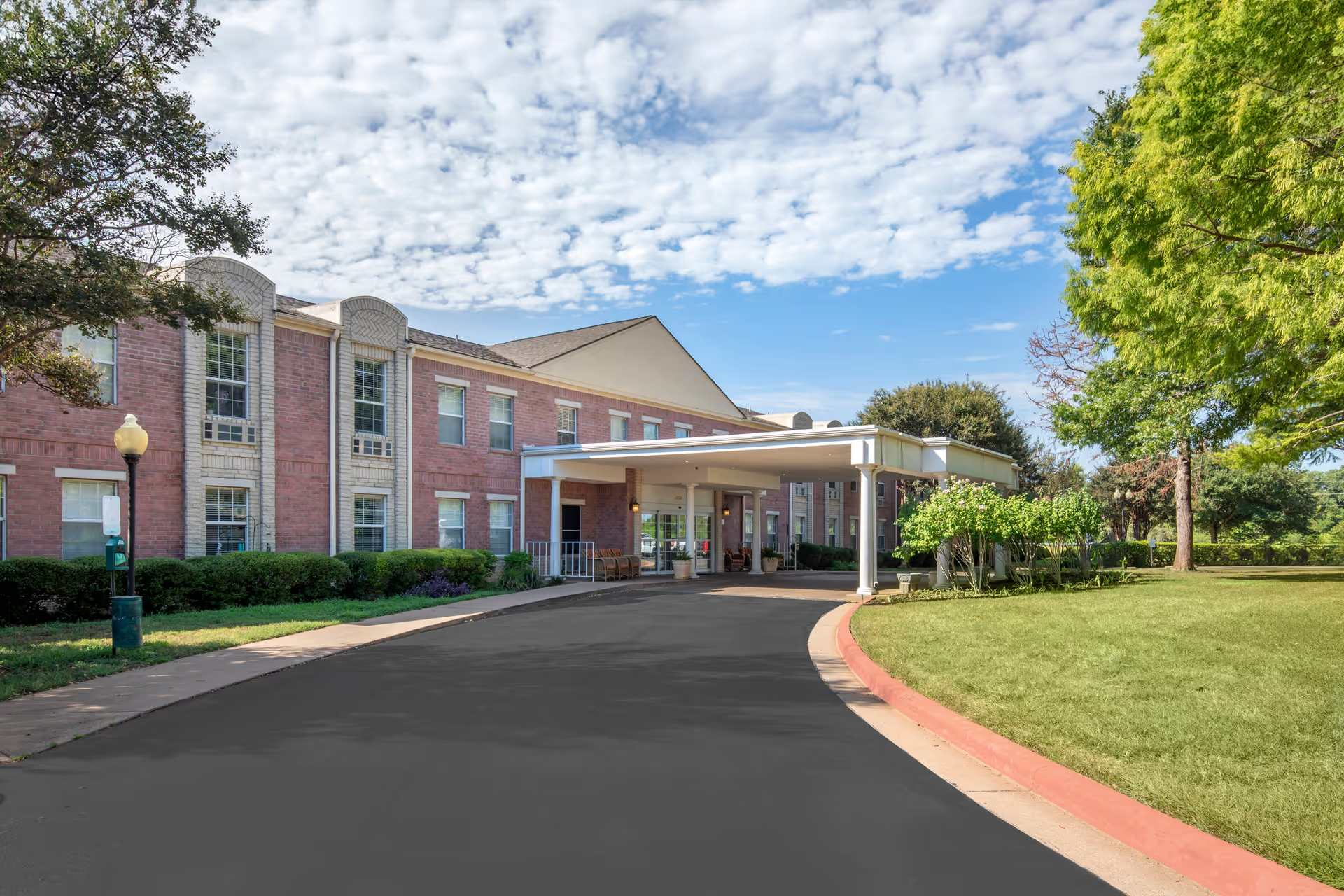
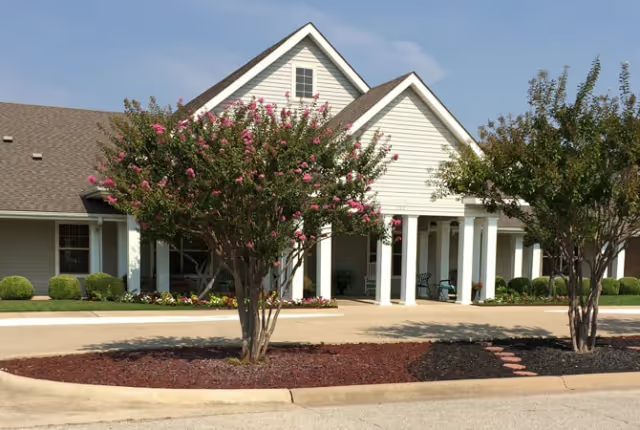
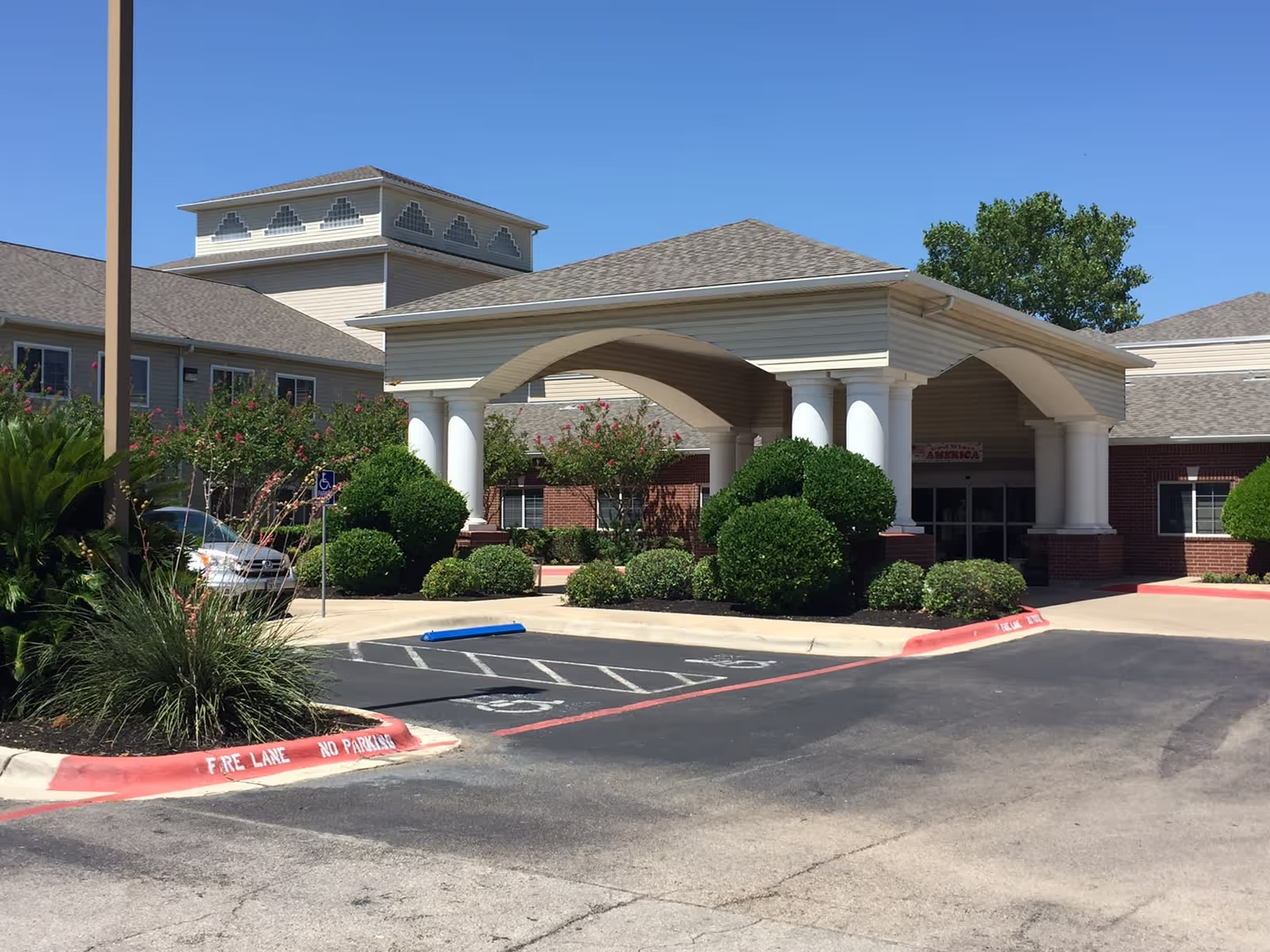
Overall impression: Mercy House Living Springs is presented in reviews as a small, homelike memory-care community that delivers largely personalized, attentive care. Many families describe marked improvements in residents’ engagement, cognition, and mood after admission; reviewers consistently highlight the staff’s warmth, individualized attention and dementia-care expertise. The setting is repeatedly described as bright, clean and easy to personalize, with private rooms, in-room bathrooms, temperature control and accessible outdoor spaces that support socialization and sensory stimulation.
Care and staff: The most frequently cited strengths are the caregiving team and high caregiver-to-resident ratios. Reviewers emphasize strong interpersonal rapport — staff who learn residents’ names, provide one-on-one interaction, encourage participation in activities, and support individualized needs such as dietary adjustments and brace assistance. Multiple families noted proactive clinical coordination, including attention to medications and physician communications. At the same time, several reviews raised concerns about inconsistent caregiver clinical experience and judgment; a smaller number of comments point to periods of understaffing or individual caregivers perceived as inattentive. These remarks suggest variability in staff training or situational staffing that can affect consistency of care.
Dining, activities and therapeutic programming: The facility is described as offering a robust activity program tailored for memory care, including group and one-on-one cognitive supports, live music, choir visits, dominoes and regular social events. Families report that residents enjoy meals and snacks and that kitchen staff accommodate picky eaters and special diets. The combination of structured social activities and therapeutic engagement is a recurring positive theme and is credited with improving resident participation and quality of life.
Facilities and safety: Physical-space strengths include a small residential scale, secure entrances, a garden/Butterfly garden and comfortable common areas. Many reviewers praised cleanliness and upkeep, the ability to personalize rooms, and safety features suited to memory-care residents. However, a subset of reviews described lapses in housekeeping and occasional sanitation concerns, indicating unevenness in environmental maintenance at times.
Management and communication: Communication from management is frequently described as responsive and family-oriented — families appreciate informal texts, photos, Facebook updates and direct lines to directors. Several reviewers also cited low staff turnover and consistent caregivers as contributors to continuity. Conversely, some critiques reference management changes and episodes that families felt affected operational continuity; taken together, these comments point to generally good family communication but occasional organizational instability.
Notable patterns and risk areas: The overall pattern is strongly positive for small‑scale, memory-focused care with active programming and attentive staff. The primary operational weaknesses to weigh are variability in clinical experience among caregivers, episodic understaffing or staffing instability, inconsistent housekeeping standards, and differences in medication oversight including the absence of an on-site physician. Prospective families should confirm current staffing levels, staff training and clinical oversight policies, and clarify transportation and payment models (the facility is described as private‑pay) during their tour and admission discussions.