Overall impression: Mercy House Temple is consistently described as a small, home-like memory care community with a strong emphasis on compassionate, personalized attention. Many families and visitors highlight a warm, family-style culture: staff are frequently characterized as caring, respectful, and engaged in residents’ daily lives. The facility’s small scale and intimate common spaces contribute to a sense of belonging and visibility of residents, and reviewers often use language indicating gratitude for the emotional and end-of-life support provided.
Care and staff: Staff interactions are a clear strength of the facility. Numerous accounts praise individual caregivers who go above and beyond, timely bereavement and family support, and a managerial team that responds professionally and assists with move-ins. At the same time, reviewers indicate variability in caregiver performance: while many staff provide attentive care, others are perceived as doing the minimum or being distracted by non-care tasks. This variability, combined with periods when staff appear busy, can lead to inconsistent responsiveness for some residents. Reviewers note strengths in dementia-specific care and partnerships with hospice providers that support end-of-life needs.
Dining and clinical services: The facility’s open kitchen and home-cooked meals are frequently mentioned as positive contributors to the homelike environment. However, meal quality and menu variety are inconsistent for some families; specific concerns include a repetitive, carbohydrate-heavy menu and limited accommodation of diabetic dietary needs. Clinical services receive mixed observations: insulin administration and diabetic medication management are available, but there are also comments about medication-payor coverage gaps (for example, VA coverage limitations) that families should clarify during intake.
Activities and social life: Mercy House offers social activities, games, patio walks, and opportunities for residents to participate in household tasks, contributing to engagement and independence for many residents. Several reviewers described active programming and staff-led engagement. Conversely, a portion of feedback indicates days or periods with little structured activity, so activity consistency may vary by staffing and scheduling.
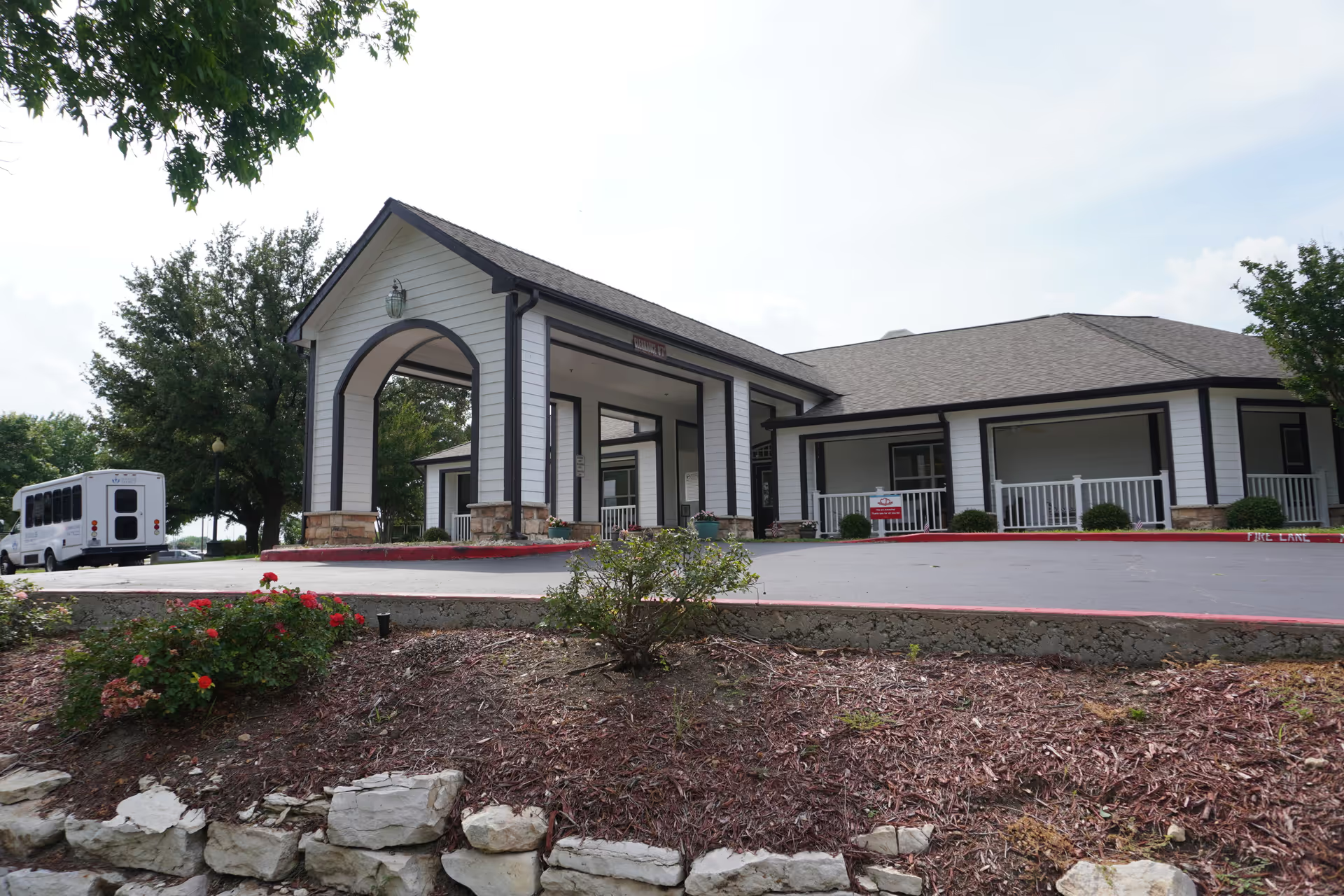
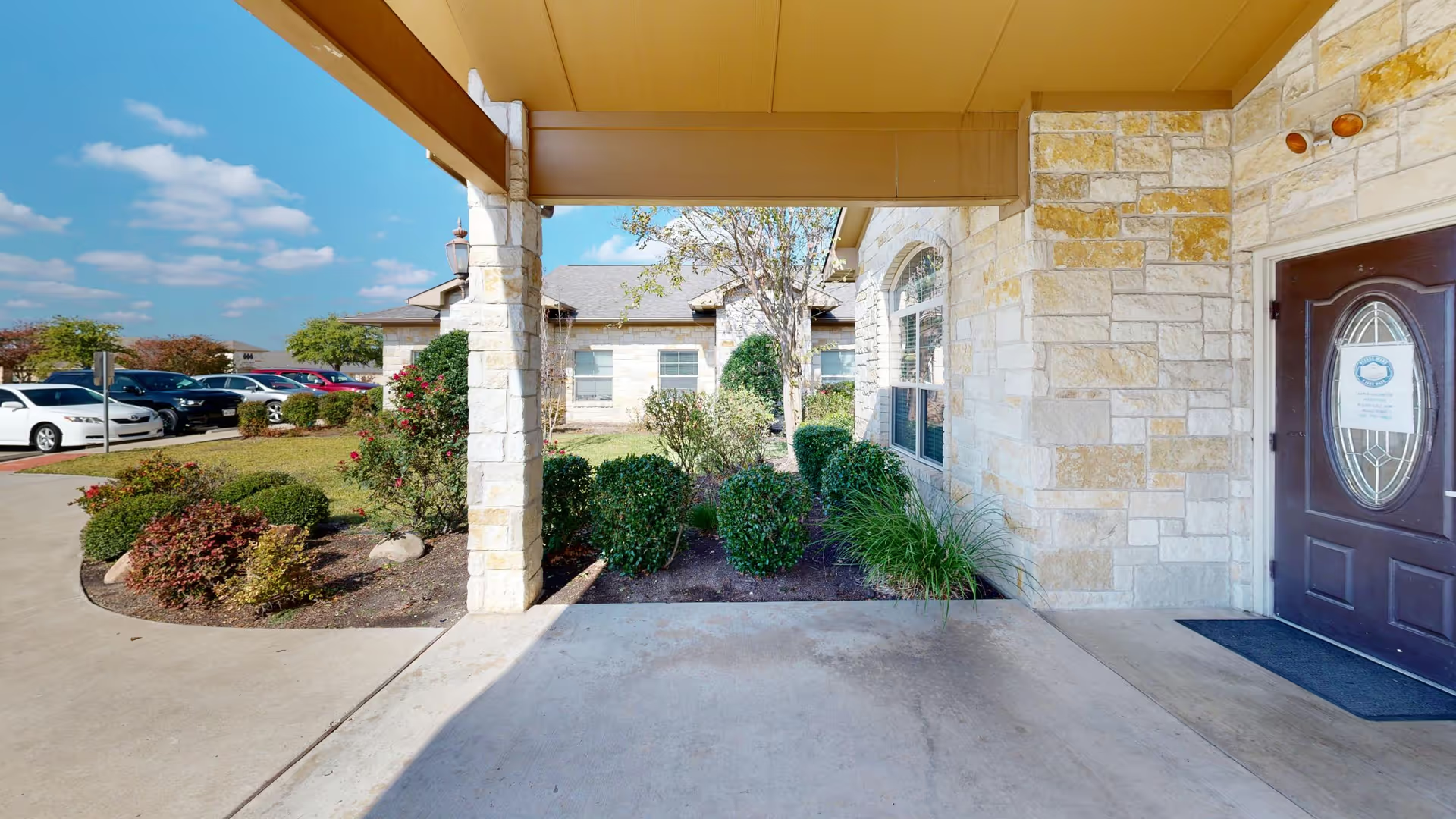
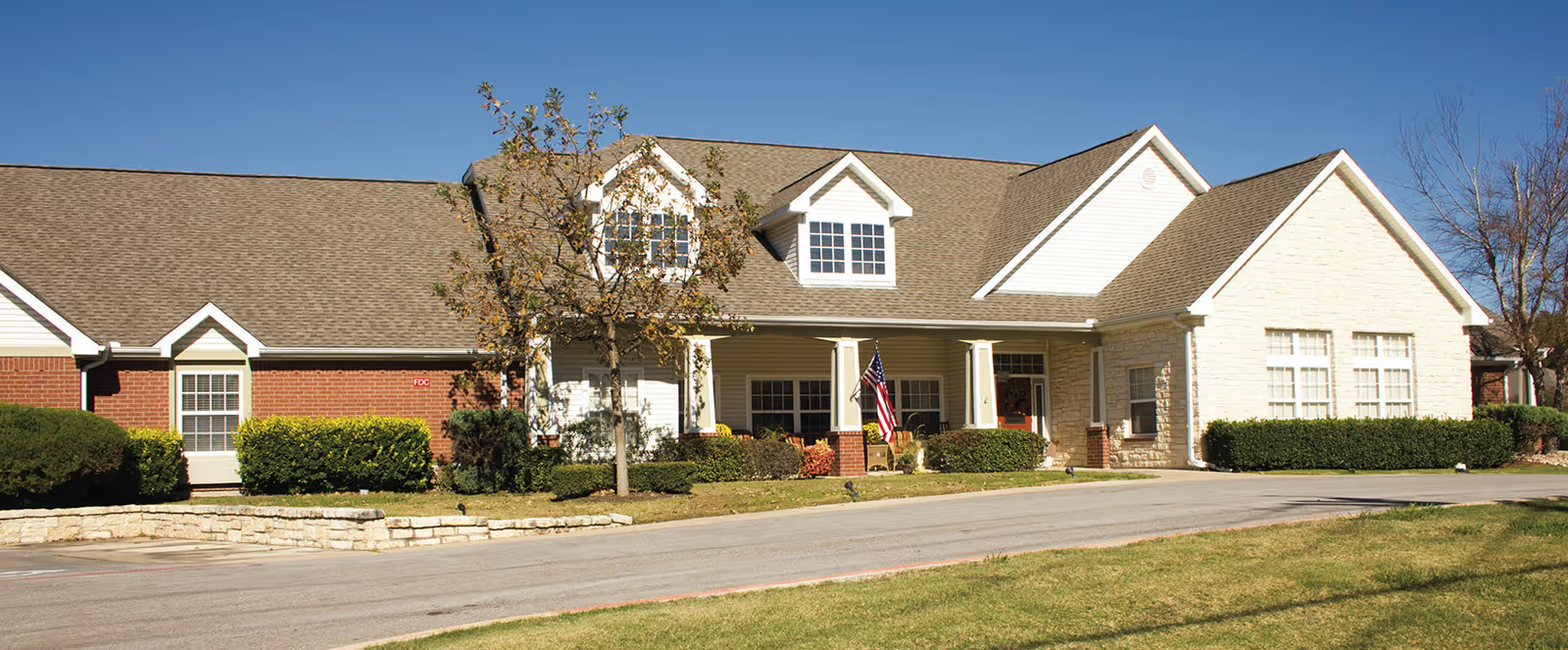
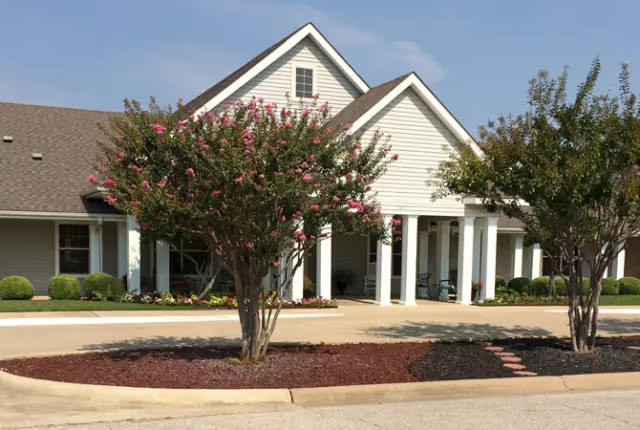
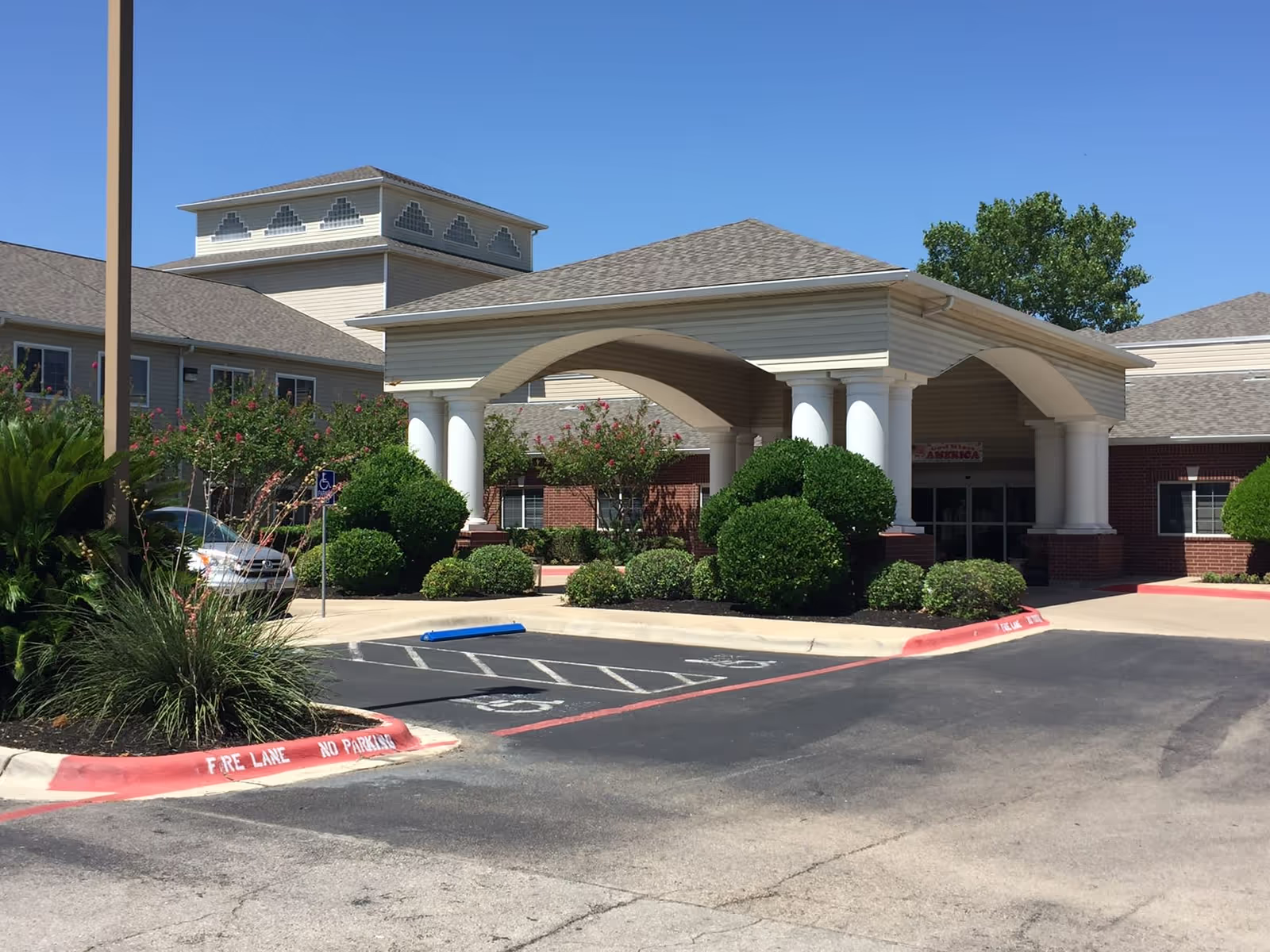
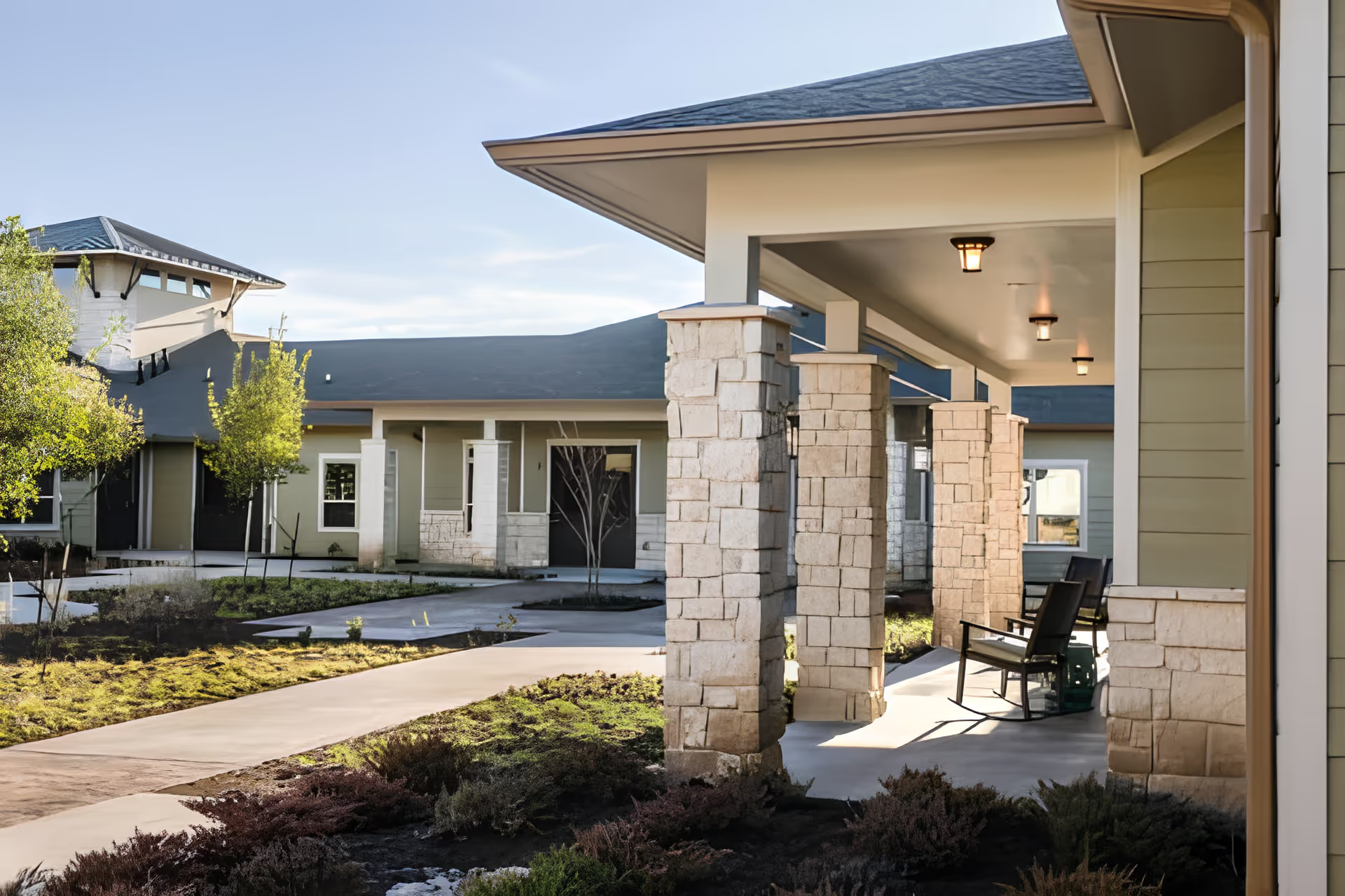
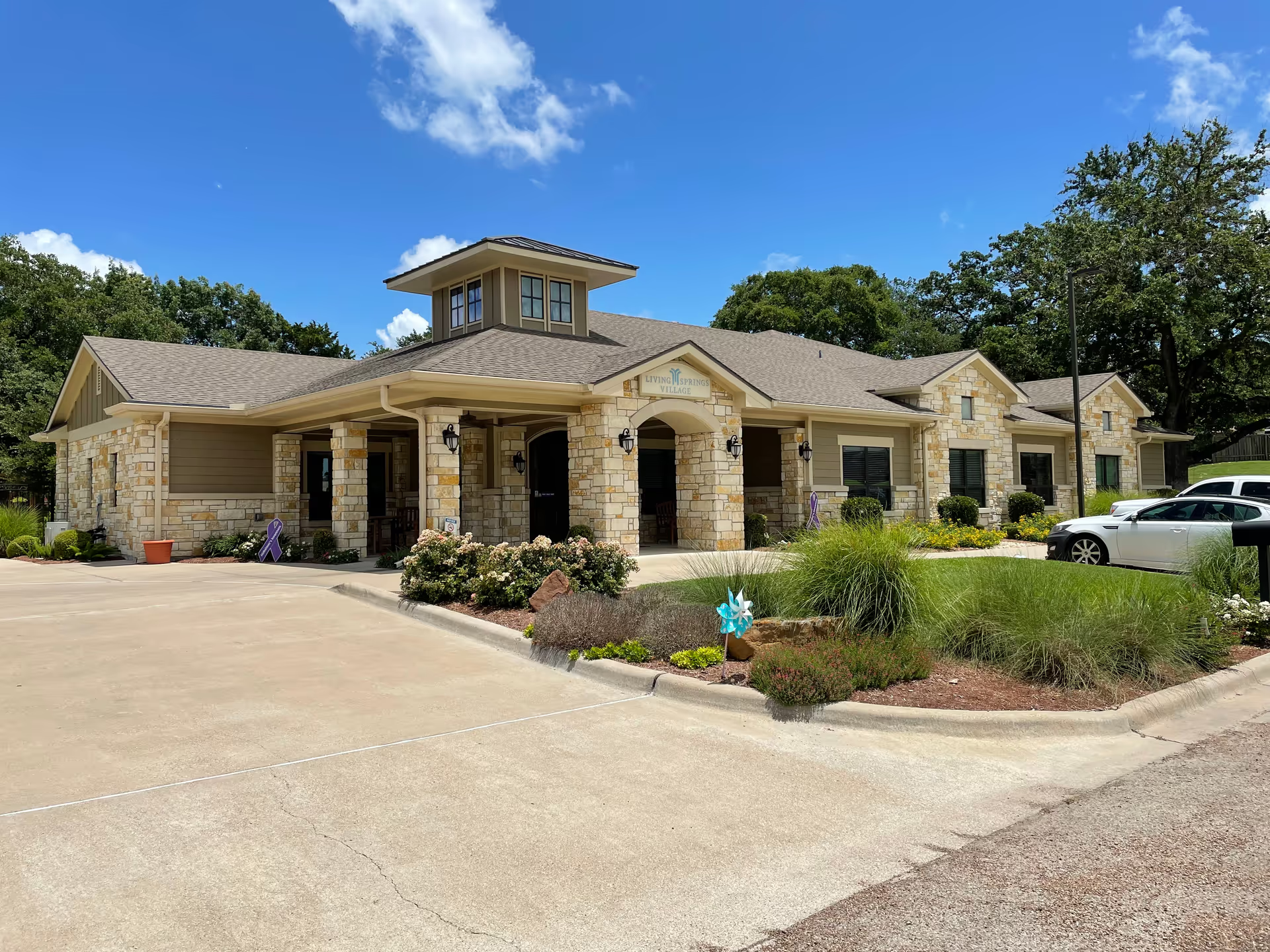
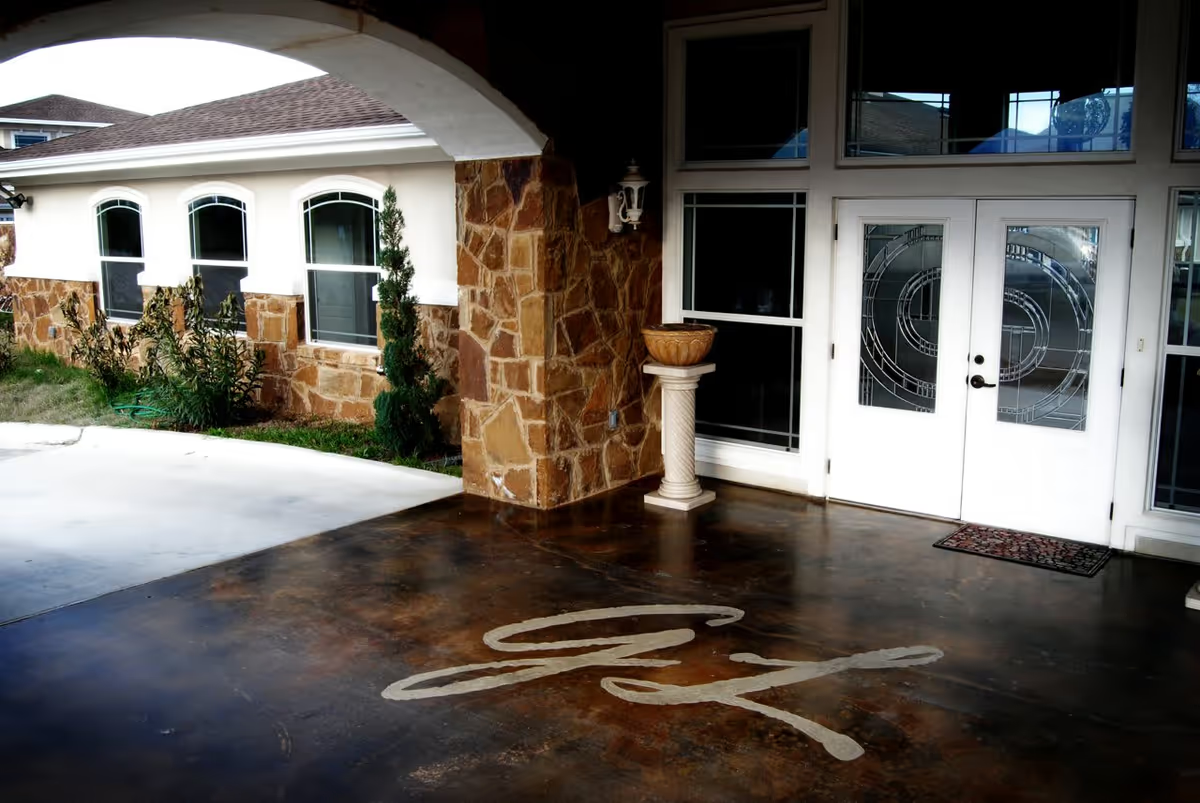
Facilities and safety: The physical environment is commonly described as clean, bright, and well-maintained, with safety features such as alarms and a secure courtyard. Private, bright rooms and communal living spaces support socialization, and outdoor walking areas are available. Some families find the small footprint and certain shared-room arrangements limiting; comments about shared rooms and bathroom ratios suggest capacity constraints at times. A few reviewers also described an awkward or closed floor plan that can affect visibility and movement.
Management and patterns: Administration and management receive positive marks for professional communication, a smooth move-in process, and responsiveness when families raise concerns. At the operational level, recurring patterns include high pricing for single-occupancy rooms and occasional gaps in staff accountability and consistency. Prospective families should weigh the facility’s strong relational and dementia-care strengths against these operational considerations.
Bottom line: Mercy House Temple is likely to appeal to families seeking a small, homelike memory-care environment with compassionate staff and close family communication. It is important for prospective residents and families to discuss staffing ratios, meal accommodations (especially for diabetes), room-sharing options, and medication coverage with management during the tour and intake process to ensure the facility’s operational model matches their needs and expectations.