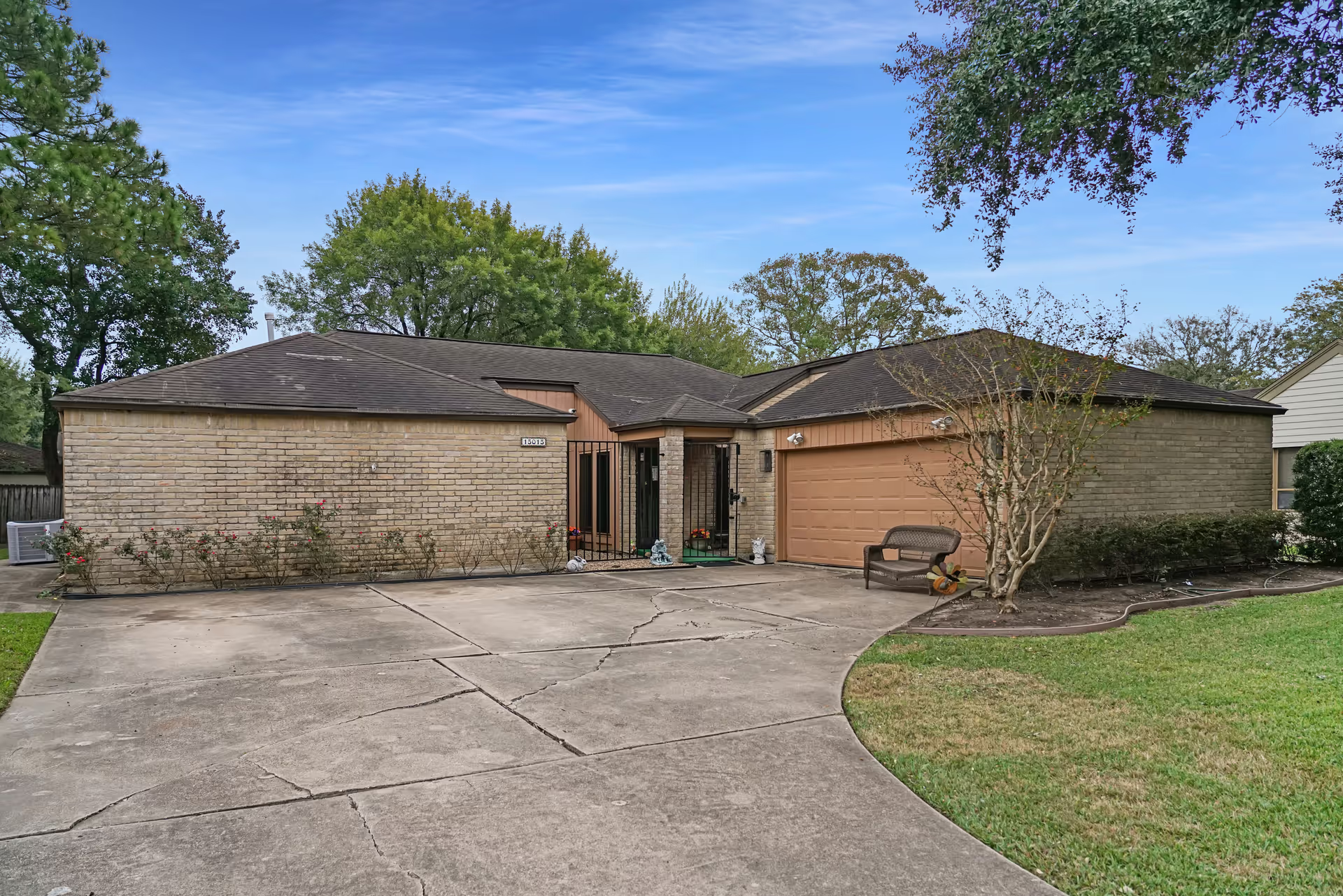
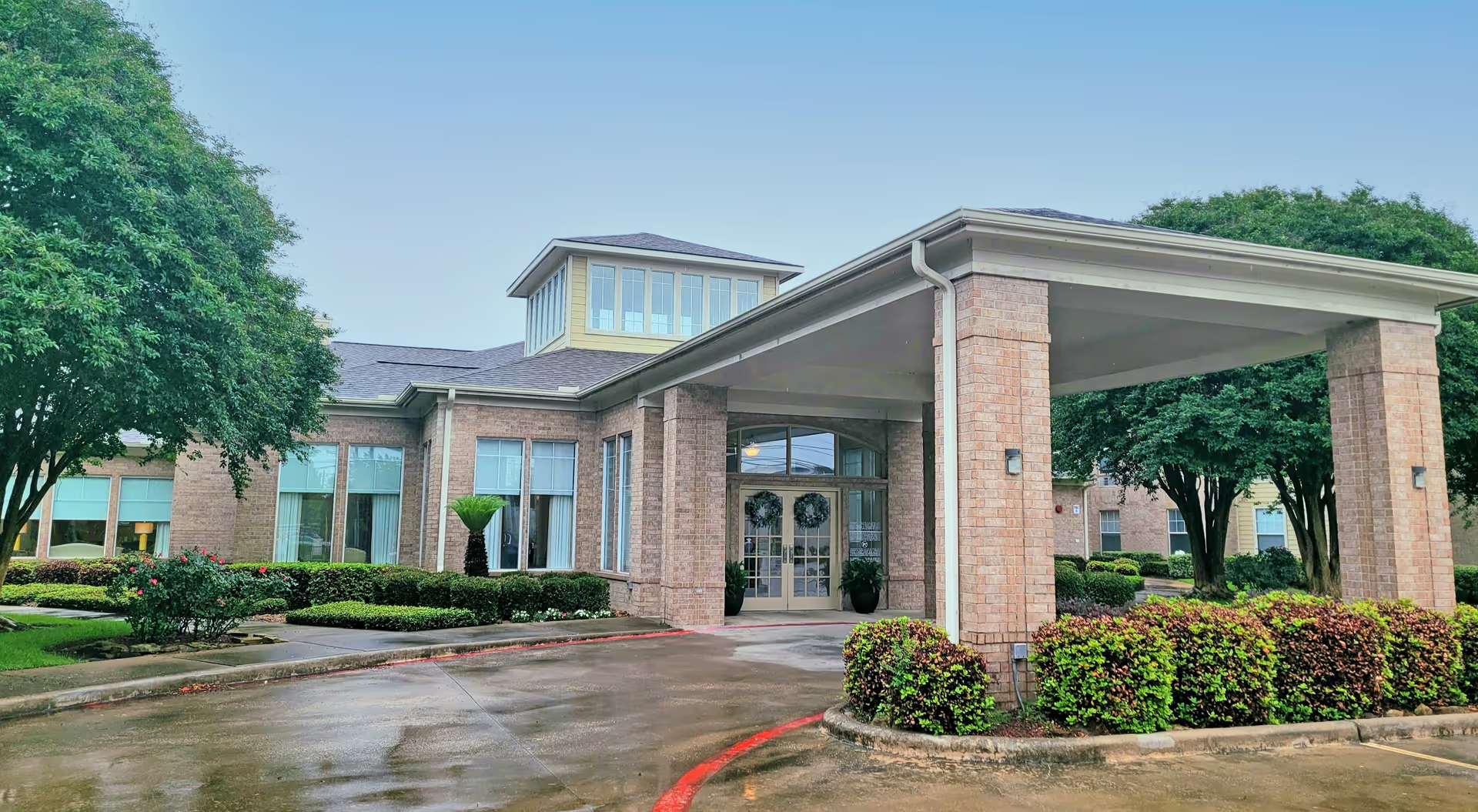
Apex Oaks at Clear Lake presents as a new, small-scale memory-care community built around a residential cottage model. Reviewers consistently describe a clean, bright, and well-maintained environment composed of small buildings that house a limited number of residents (up to about 22 per cottage). Physical facilities noted favorably include spacious private rooms with large bathrooms, attractive courtyards and outdoor spaces, and communal social rooms such as dining and media areas. The presence of in-room monitoring cameras and a secure campus layout are highlighted as safety features.
Care and staffing are central strengths in guest accounts. The community emphasizes dementia-focused care, with staff described as experienced, trained in memory-care approaches, and often using a Montessori-based program to encourage independence and engagement. Families frequently cite compassionate, professional interactions and a high staff-to-resident ratio that supports prompt aide responses and individualized attention. Reviewers also comment on supportive transition processes and coordination with hospice when needed.
Dining and programming receive positive remarks. Meals are characterized as adaptive to residents' physical limitations, and the activity schedule is described as varied and purposeful — examples include crafts, baking, gardening, painting, music, and dancing. Staff encouragement of participation and personalization of activities are seen as contributors to improved resident quality of life and social engagement.
Operationally, the community is generally viewed as well managed and reasonably priced for the level of memory care offered. Office and front-desk staff are described as helpful, and families report a family-like atmosphere. However, there are notable operational issues to verify during a prospective tour. One serious individual allegation raised concerns about medication handling and dosing practices; this underscores a broader pattern captured in reviews as gaps in medication oversight and documentation. Additionally, reviewers mention intermittent staffing shortages that can affect continuity of care, and the facility does not provide full skilled-nursing services on site, making it less suitable for residents who require higher-level clinical care.
Other practical considerations include the absence (or pending evaluation) of an implemented emergency-power backup system and occasional comments about rooms arriving unfurnished or requiring additional setup at move-in. Prospective residents and families should confirm medication-administration protocols, staffing patterns for the specific cottage they are considering, emergency-power plans, and move-in furnishing policies. Overall, Apex Oaks appears to offer strong, person-centered memory care in a new, small-community setting, particularly for residents who do not require on-site skilled nursing; careful verification of the operational items above is advisable before placement.