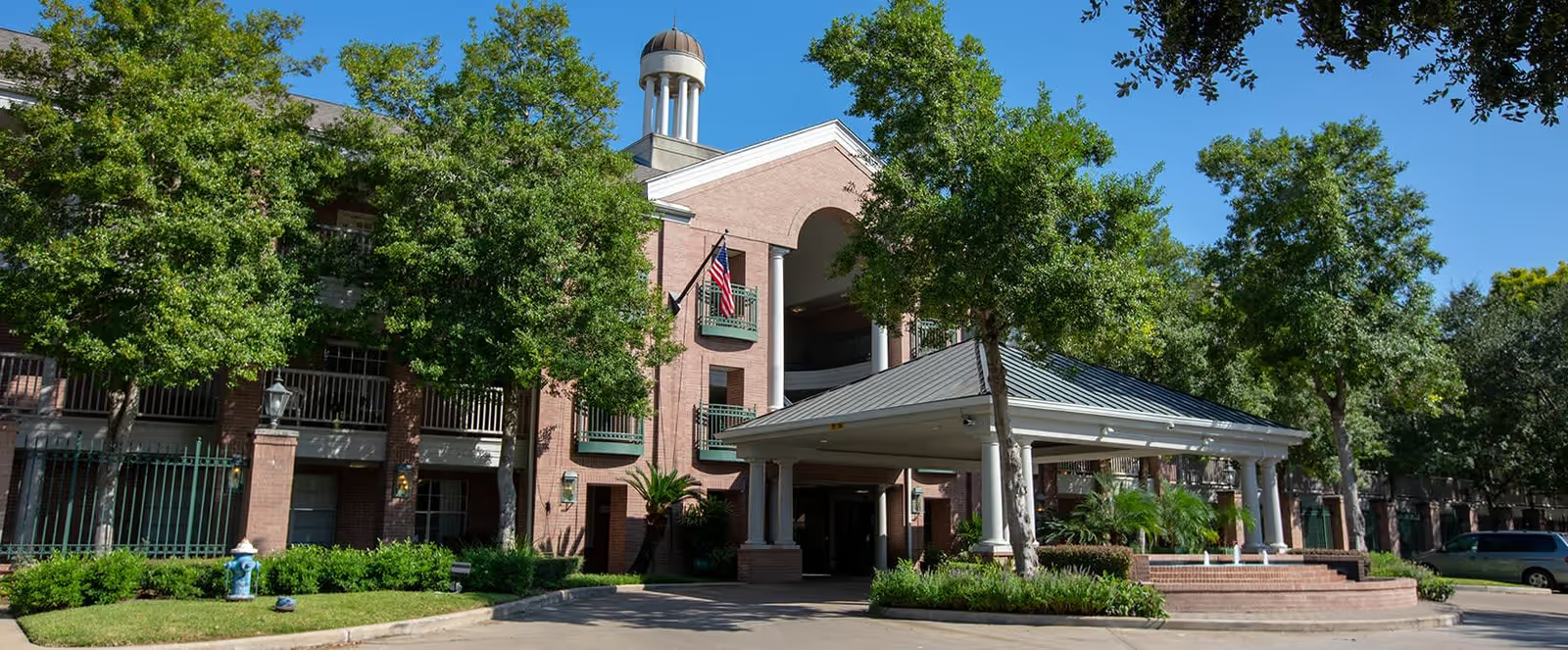
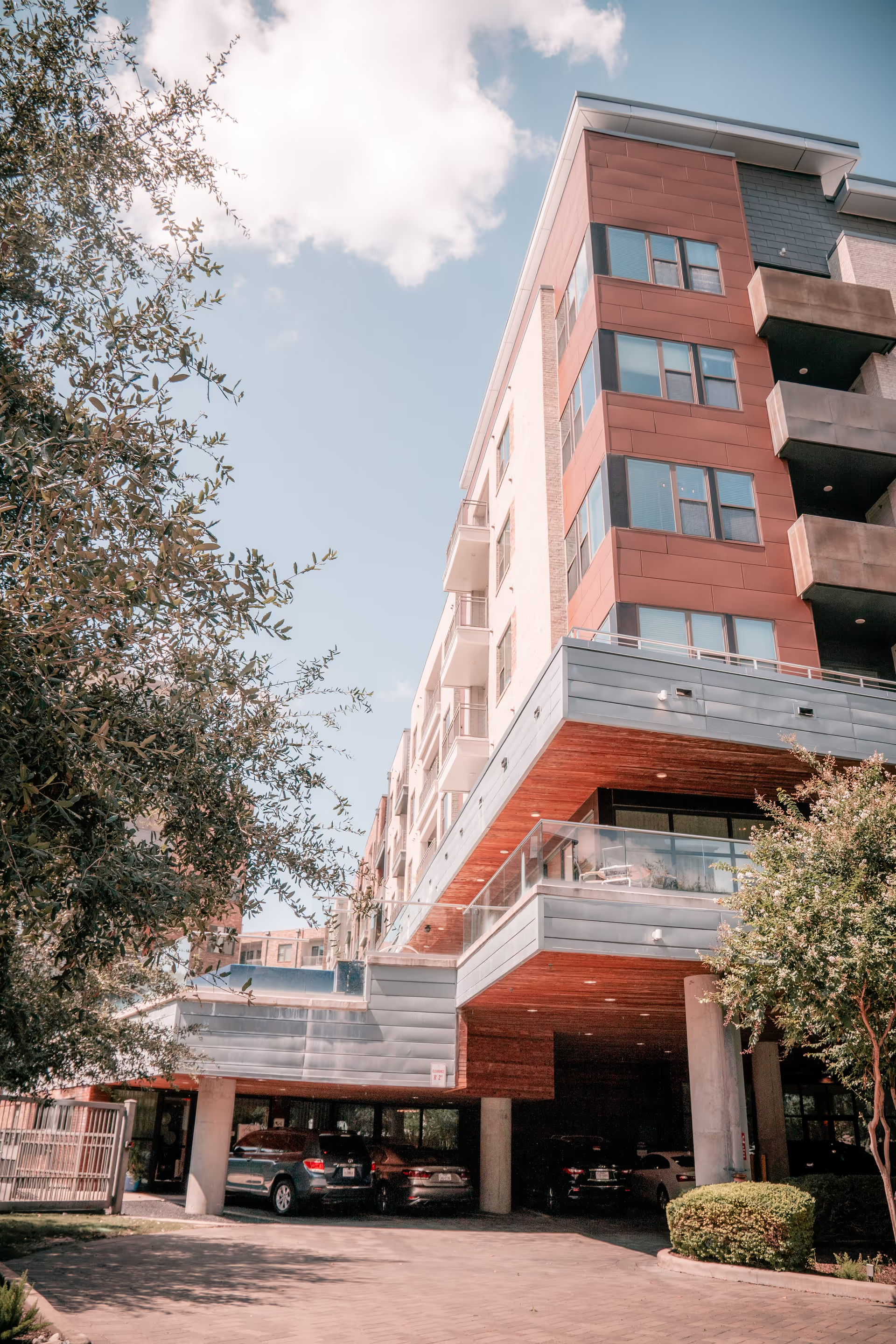
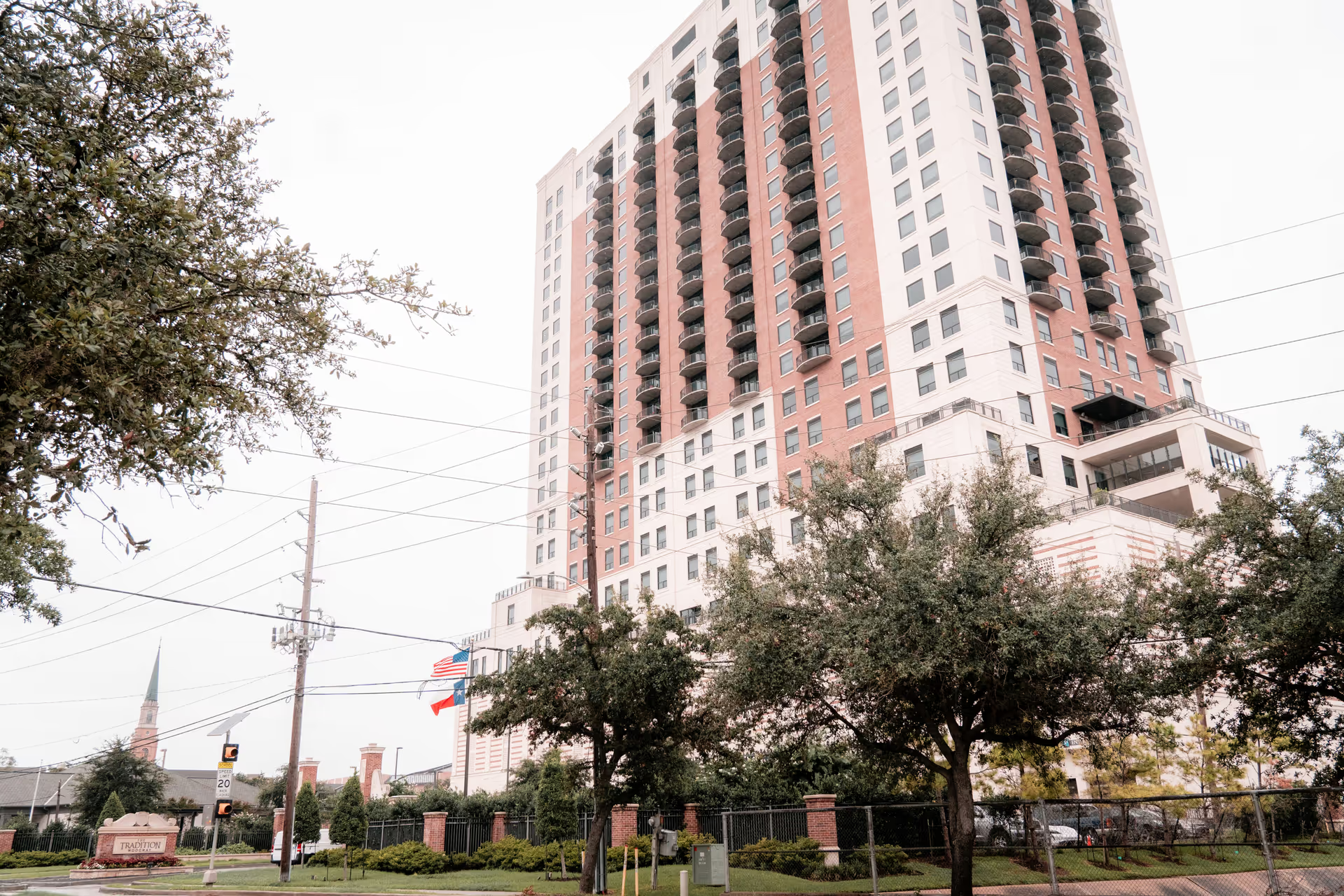
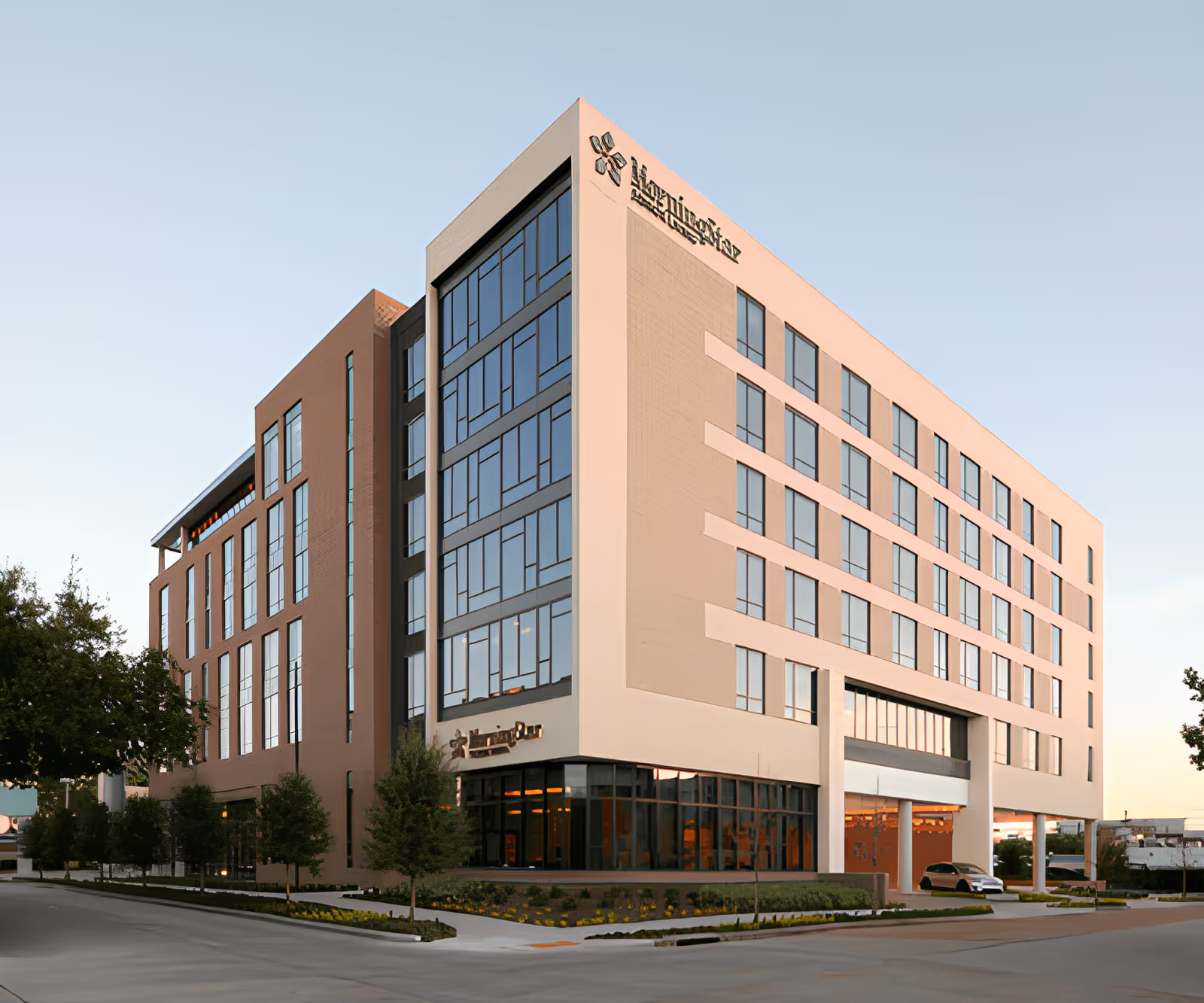
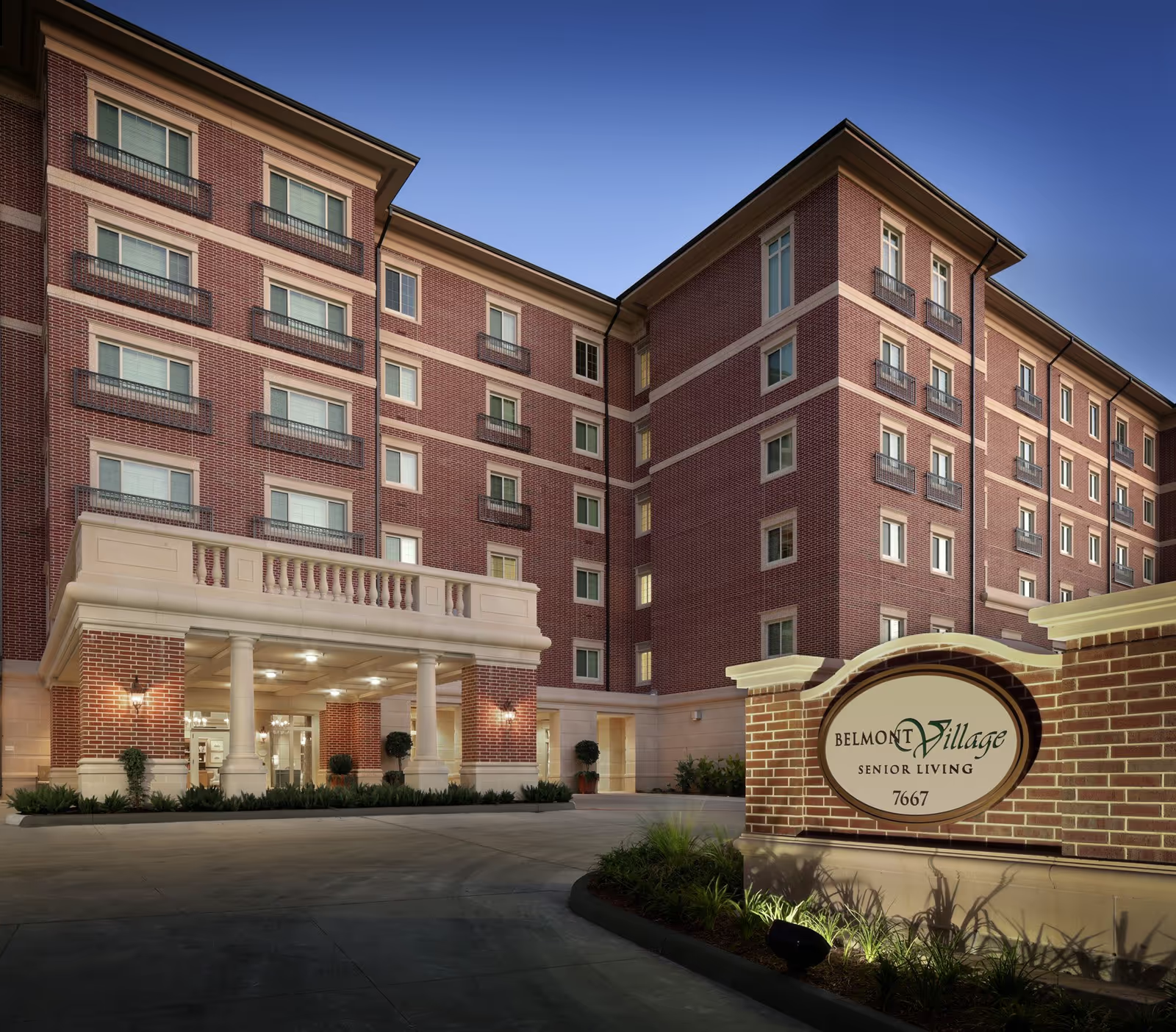
Brookdale Galleria presents a mixed but distinct profile: the facility offers hotel-like accommodations in a central Galleria location, a broad activity program, and a therapy-forward skilled-nursing component that many families praised. Positive experiences commonly cite courteous long‑tenured staff, an attentive daytime nursing team, strong physical and occupational therapy, varied menus with fresh produce, and an active calendar that includes clubs, entertainment and holiday programming. The campus-level amenities — valet, parking garage, accessible common areas, and sizable customizable rooms — support independent living and short-term rehabilitation stays for residents who can participate in therapy.
Care quality trends are bifurcated. Daytime clinical teams, therapy staff, and several nursing leaders receive consistent commendations for compassionate bedside manner and successful rehabilitation outcomes. Conversely, reviewers describe recurring operational weaknesses affecting safety and continuity of care outside daytime hours: inconsistent staffing on nights and weekends, delayed responses to call lights, lapses in monitoring practices, and gaps in medication and lab-result coordination. These patterns have been linked to rushed or premature discharges, missed follow-up actions, and family dissatisfaction with care transitions.
Dining and activities are frequently cited as strengths. Many families and residents point to high-quality, restaurant-style dining with menu variety and fresh items, plus an energetic activities program that supports social engagement. That said, food quality and meal-service continuity are inconsistent for some residents — examples include missed meals, limited nighttime access to food or beverages, and occasional order inaccuracies — creating variable experiences across units.
Facility condition and operational features are generally favorable: clean common areas, accessible layouts, useful services such as transportation to appointments, visiting clinicians, and on-site social-work support. However, some reviews raise sanitation and pest-control concerns in specific areas, and note that maintenance of safety devices (for example, bedrails or alarms) can be inconsistent. Families also describe uneven front-office interactions — many single out reception staff who are exceptionally helpful, while other admissions or security interactions were perceived as confrontational or inflexible.
Management and communication emerge as a central theme. While certain leaders — including named directors of nursing and social workers — are credited with strong coordination and responsiveness, other reviewers describe ownership changes, high turnover among aides and nurses, and periods when administration did not satisfactorily address clinical or family concerns. Communication breakdowns between medical teams and families, limited after-hours physician availability, and opaque billing practices are recurring operational issues. There are also serious individual claims in the reviews, including allegations of theft and instances described as significant clinical lapses; these have contributed to elevated family scrutiny and, in some cases, relocation decisions.
For prospective residents and families: Brookdale Galleria offers substantial strengths in rehabilitation, dining, amenities and daytime staffing. Those considering admission should assess fit with regard to the resident’s acuity and need for reliable around-the-clock clinical coverage. Key due-diligence steps include asking for current staffing ratios by shift, written discharge and care-transition procedures, sample therapy schedules, clarification of ancillary charges, and how the facility handles after-hours medical coverage and family communication. Visiting during different shifts (including evenings or a weekend) can help illustrate the consistency of care and responsiveness outside standard daytime hours.