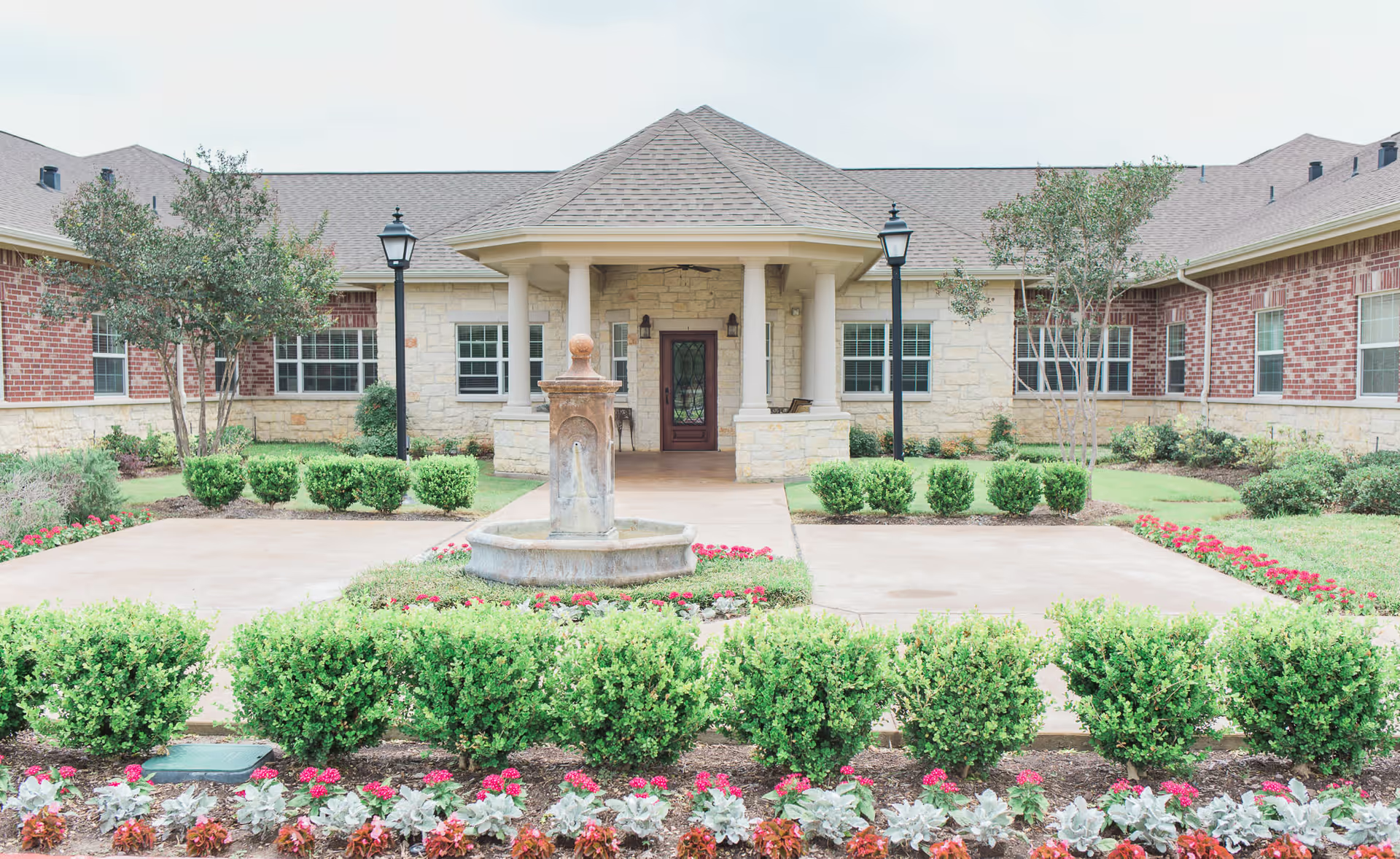
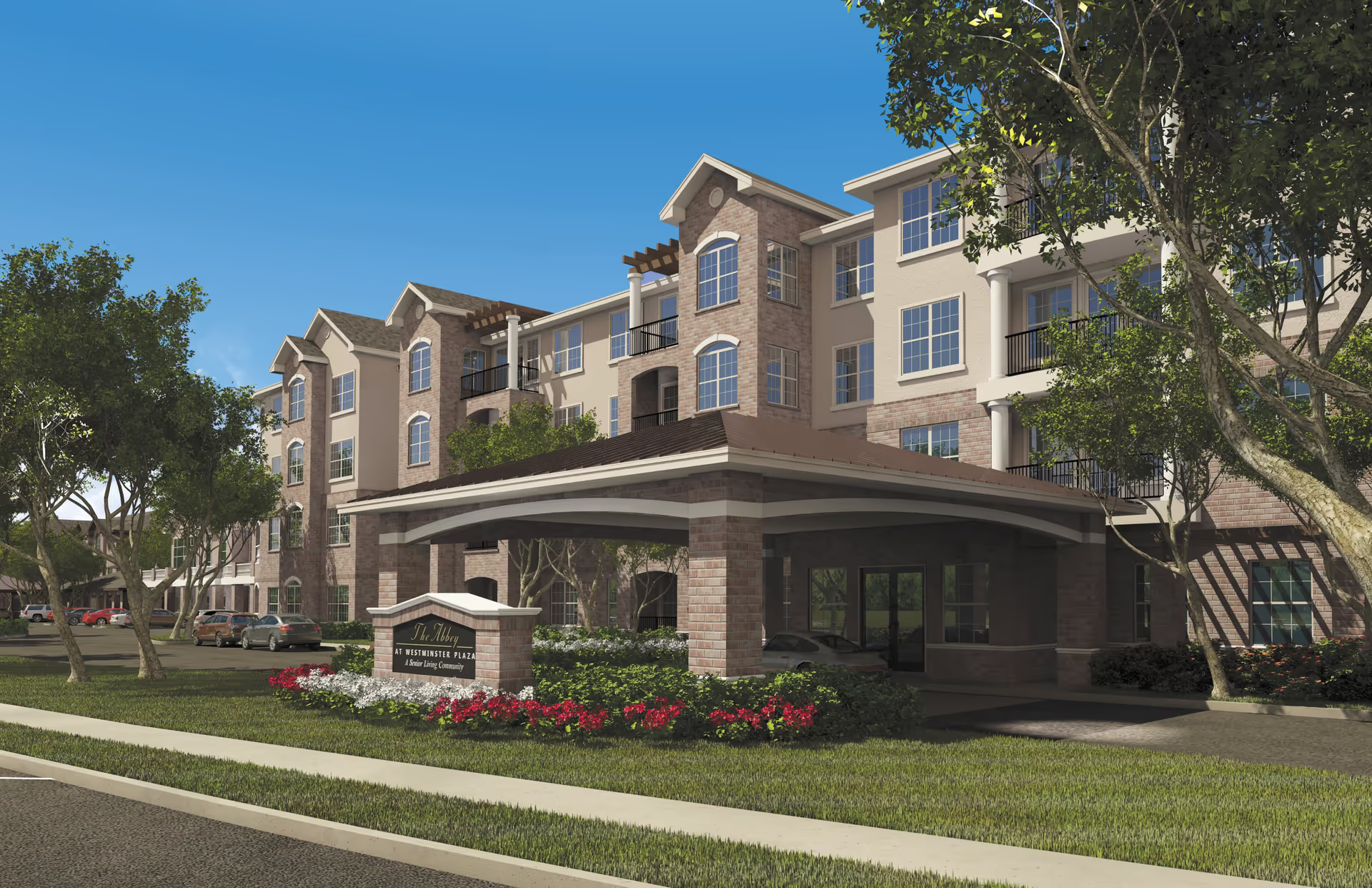
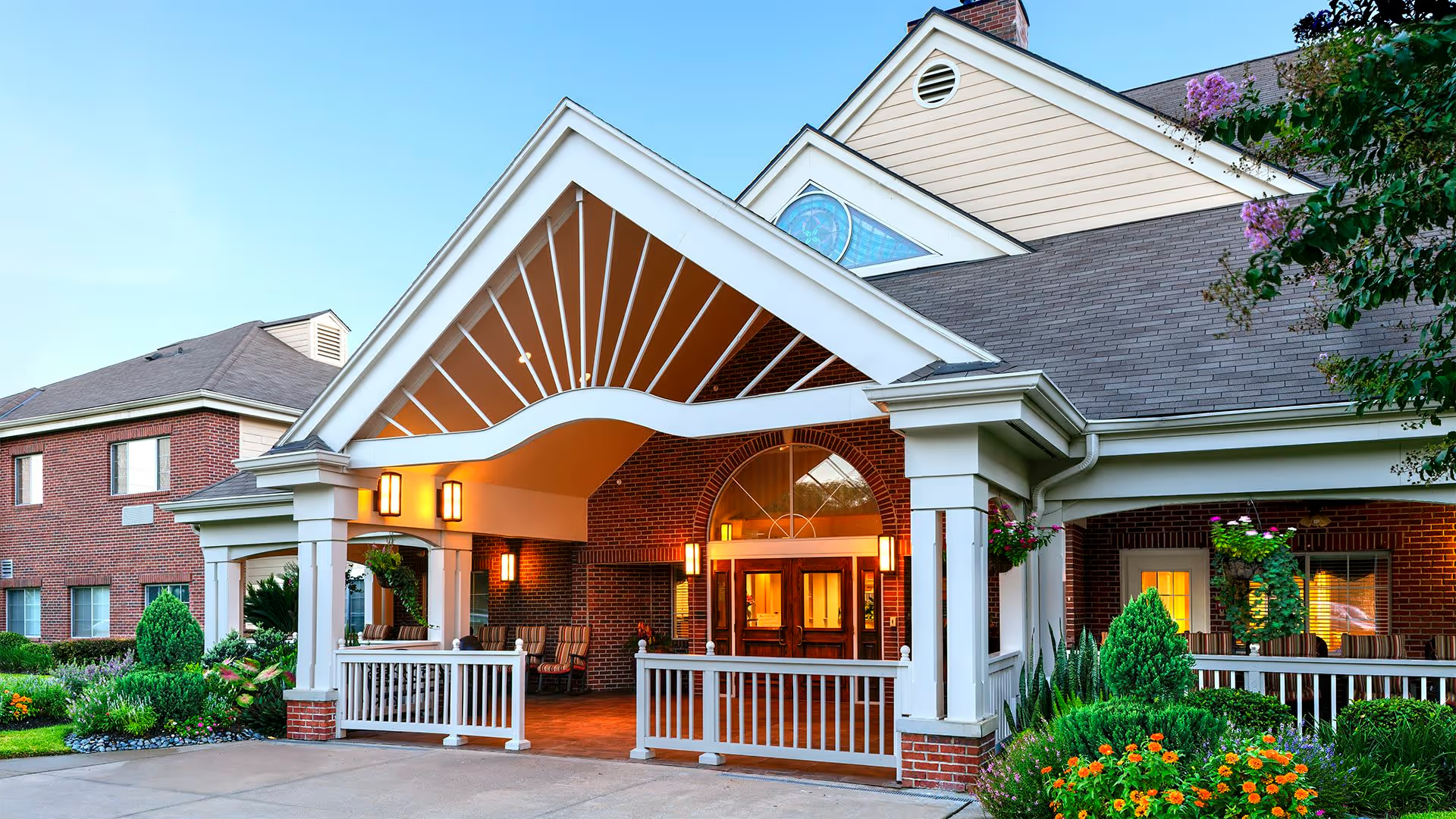
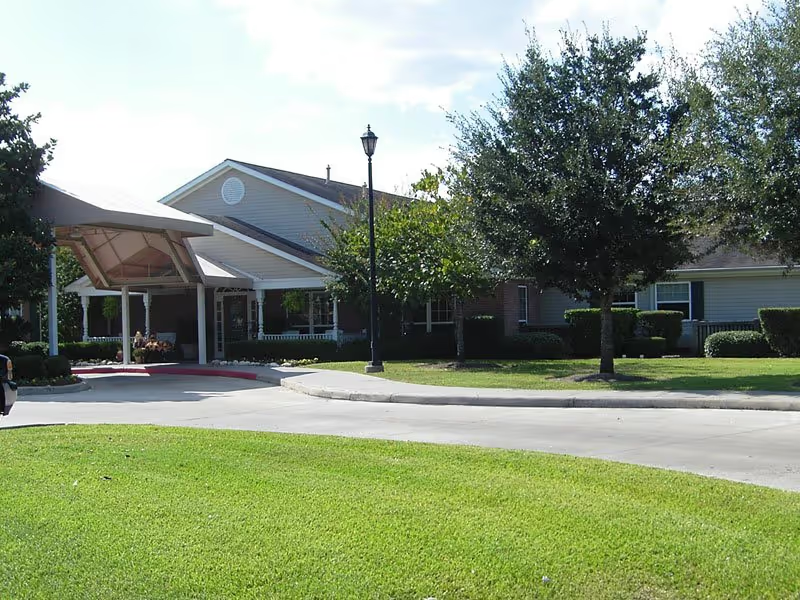
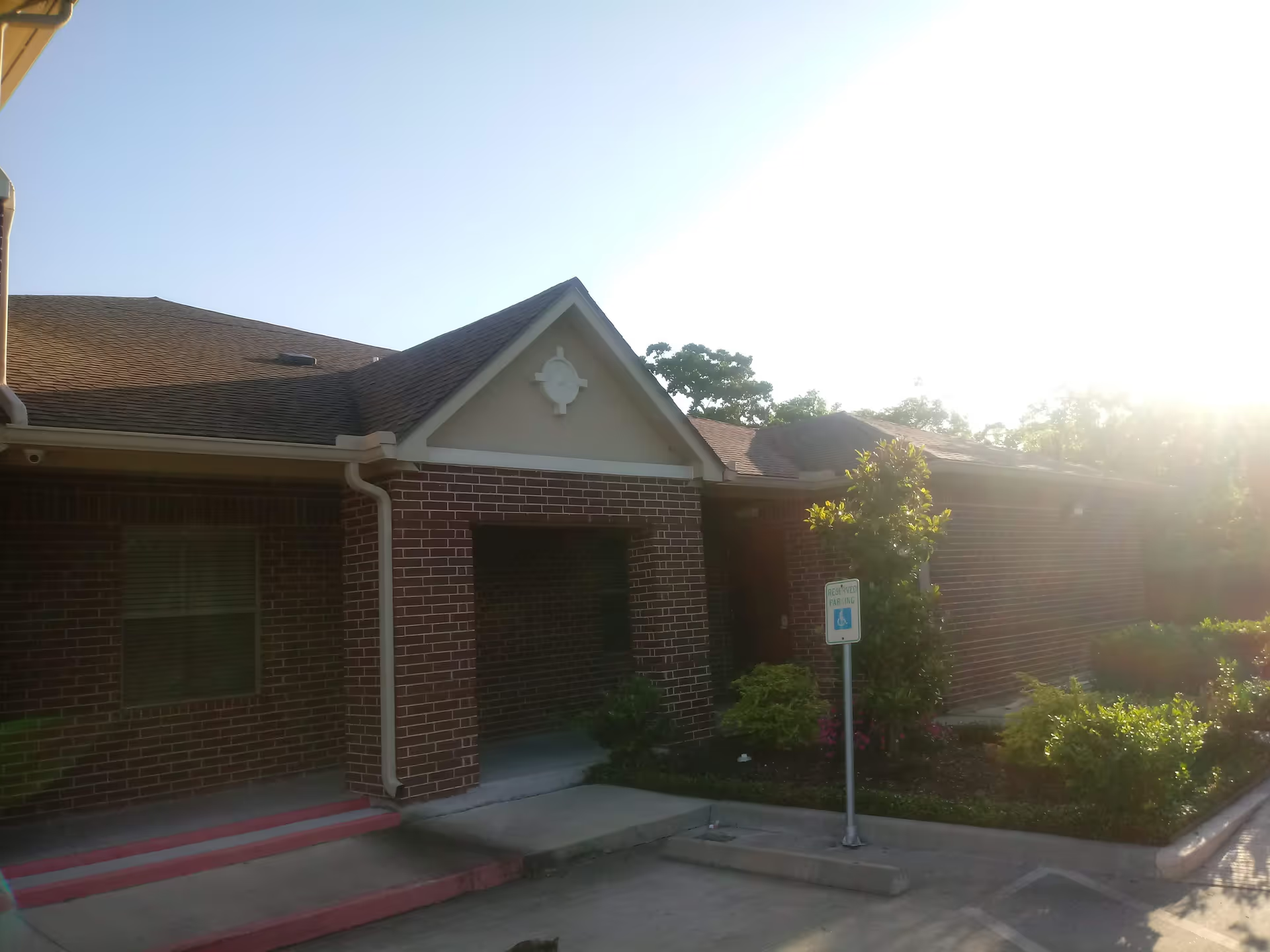
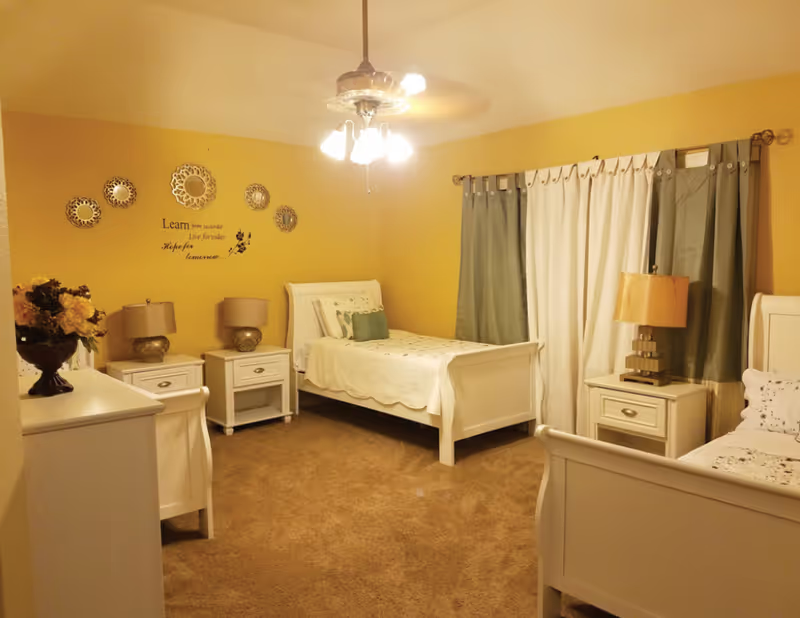
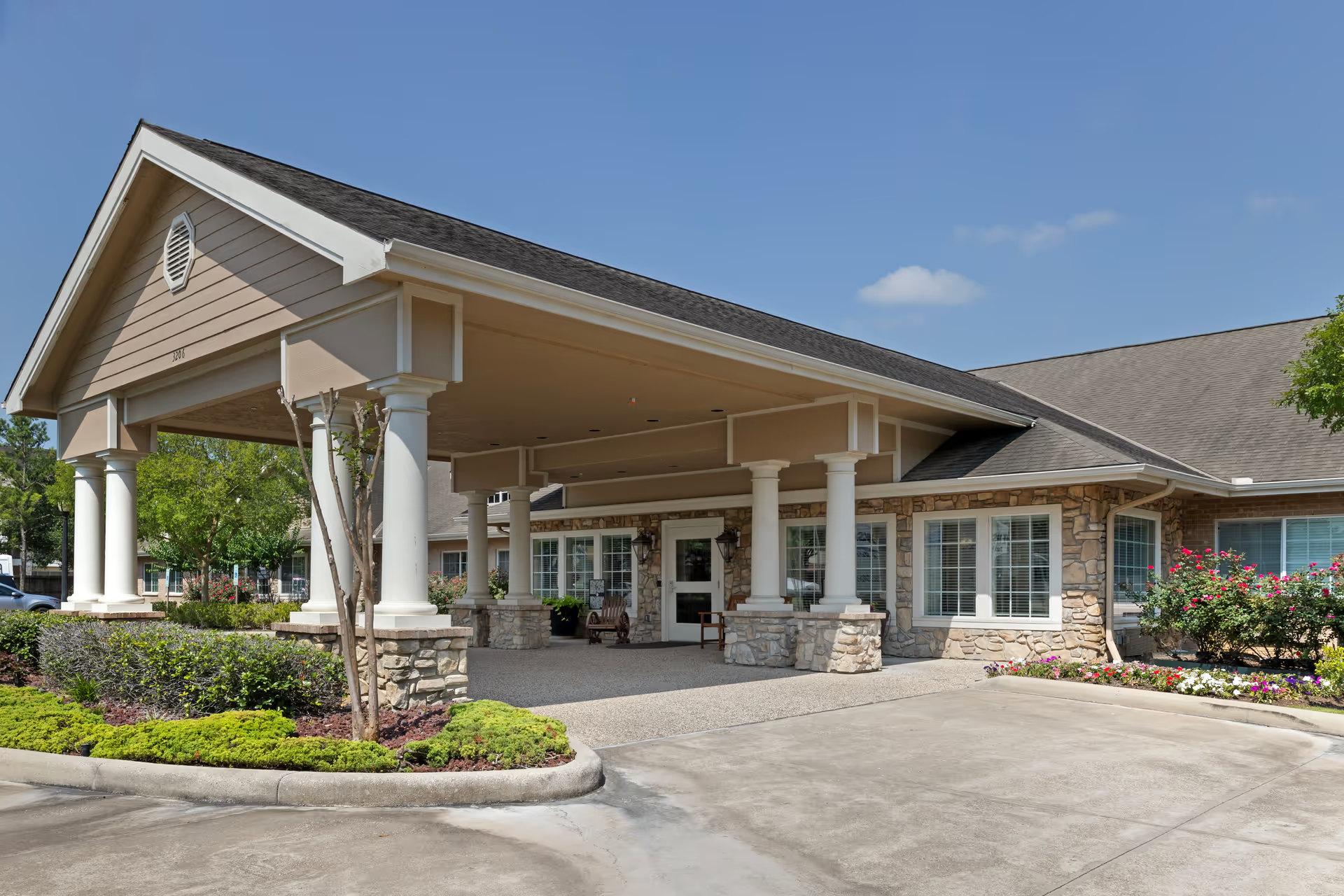
Buckner Parkway Place elicits strongly mixed but consistent themes. Many reviewers describe a warm, family-like culture with direct-care staff and nurses who are compassionate, attentive, and engaged. Therapy and rehabilitation teams receive frequent praise for personalized recovery support. The campus is repeatedly characterized as clean, well-maintained, and hotel-like, with spacious, naturally lit apartments and a broad range of on-site amenities including salon services, transportation, chapel services, and private family rooms. Families often cite proactive coordination from social work and hospice teams and regular updates that support peace of mind.
Activities and wellness programming are a prominent strength. Reviewers note robust class schedules, exercise and wellness offerings, woodworking and creative opportunities, spiritual programming, and frequent social events that keep residents engaged. The facility also advertises a true continuum of care—independent living, memory care, and skilled nursing—all of which some families found convenient and reassuring for long-term planning.
At the same time, a meaningful subset of comments identifies operational weaknesses. The most common concerns relate to inconsistent responsiveness from clinical staff (including long call response times) and breakdowns in medication or IV management and follow-up. Several accounts suggest variability in staff conduct and tone; while many staff are described as caring and professional, others are described as brusque or inattentive. Staffing instability and turnover are described as impacting continuity of care. There are also repeated notes about administrative friction—difficulties with billing, paperwork delays, and uneven communication from management.
Dining impressions are mixed: many residents praise the dining atmosphere and menu variety, but others report variability in meal quality and service timing. Infection-control practices (including temperature screening and visit sign-in procedures) were generally present and sometimes praised for safety, though some families found screening and check-in workflows cumbersome and inconsistently enforced. A number of reviewers raised concerns about aspects of resident handling and transfer practices and about timeliness of assistance for toileting or personal-care needs; these raise questions about training and protocol adherence in specific care situations.
There are also occasional, more serious concerns in the feedback, including claims about interpersonal conduct and discriminatory comments; these were raised infrequently but are notable. Memory-care unit layout and placement were cited as a practical limitation for some residents (small units and long hallways or distant rooms from communal areas). Prospective residents and families will likely find much to recommend—particularly around community life, cleanliness, therapy, and many caring staff—but should also ask direct questions about staffing levels, incident and medication protocols, family communication practices, and the facility’s processes for addressing and documenting care concerns during tours and meetings.