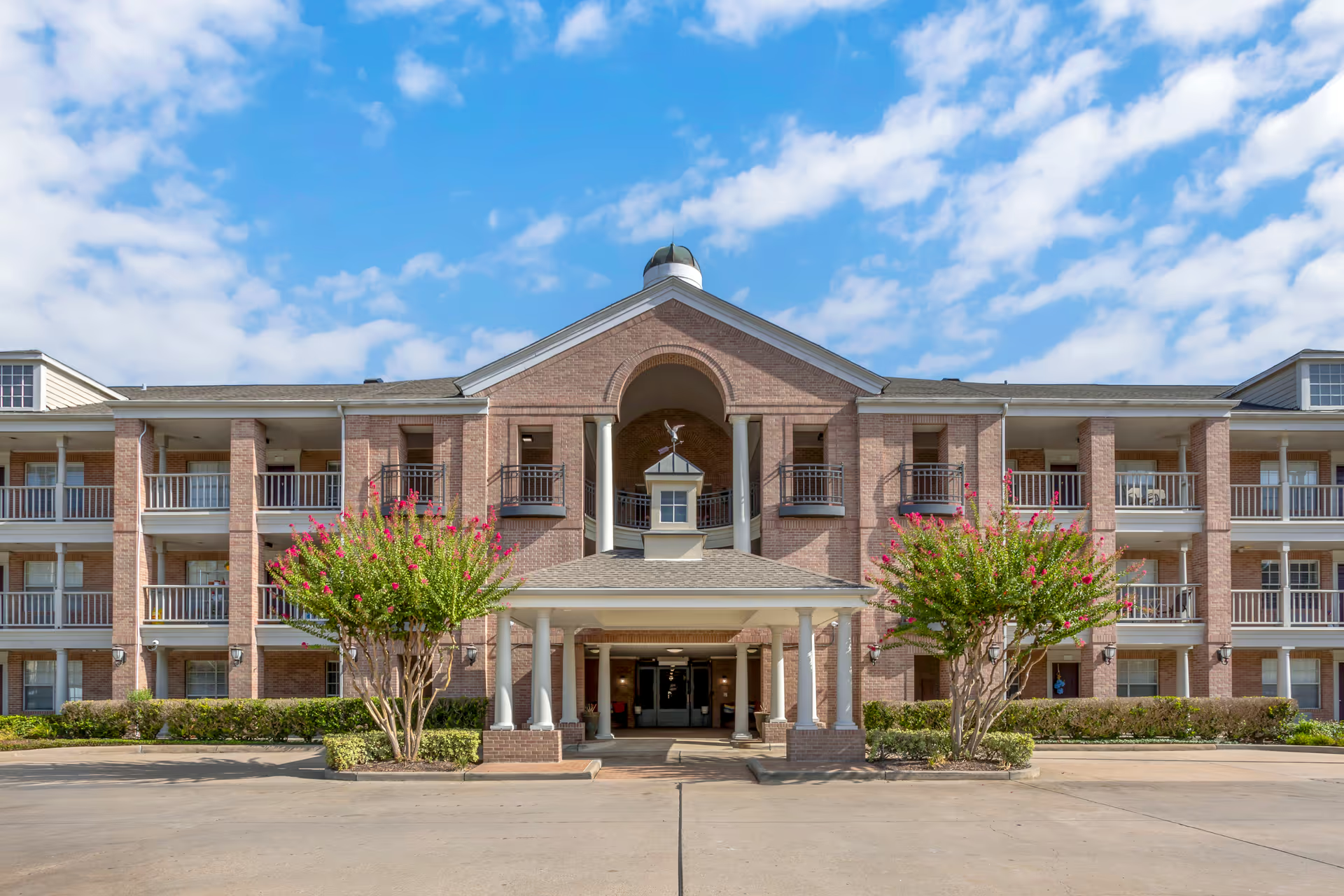
Overall impression Atria Westchase is described by many families as a clean, well‑maintained community with a strong emphasis on social engagement and personalized caregiving. Reviewers consistently cite warm, engaged staff and a stable caregiving team; long tenures among employees and a hands‑on director are repeated themes. The community offers a home‑like ambiance, attractive grounds and patios, restaurant‑style dining, and a full activities calendar that includes exercise classes, live entertainment, regular outings, and frequent social dining opportunities.
Care quality and clinical services Clinical supports are available on site in multiple forms: assisted‑living and locked memory care, on‑site therapy (OT/PT), medication assistance, and periodic nurse‑practitioner visits. These services are often credited with helping residents recover from acute events and with providing families peace of mind. At the same time, reviewers note limits to the facility’s clinical bandwidth: licensed‑nurse coverage is sometimes described as limited to daytime hours, access to advanced clinical services (e.g., 24/7 skilled‑nursing level care or frequent PA/NP availability) can be constrained, and there are isolated but consequential concerns about medication administration and clinical coordination. For families with high‑acuity needs, that gap between assisted living and a skilled‑nursing level of care is an important operational constraint.
Staffing and management Staff are frequently praised as compassionate, attentive, and personally engaged with residents; many accounts highlight staff learning residents’ names quickly, personalized attention, and proactive maintenance and housekeeping. However, reviewers also report staffing variability: occasional turnover, weekend and nighttime coverage gaps, and inconsistent performance by some evening staff. Management and on‑site leadership receive mixed feedback — several families praise responsive directors who go above and beyond, yet others describe delays or disputes related to billing, contracts, move‑out refunds, and communication with corporate offices. A small number of serious allegations (including theft and disputed discharges) were raised; those accounts point to perceived weaknesses in internal investigations and in contract/incident follow‑through.
Dining, activities, and lifestyle Dining is a central feature of the community experience: the restaurant‑style format, multiple menu choices, and cooked‑to‑order breakfasts are often cited as highlights. That said, meal quality is not uniformly consistent — some families report excellent culinary experiences while others note overcooked entrees, tough proteins, or limited diabetic/vegetarian options. The activities program is robust and diverse, with daily structured options (exercise, games, crafts), frequent outings, live music, and opportunities for meaningful social interaction; many reviewers describe tablemates and staff fostering friendships and regular social oversight of residents.
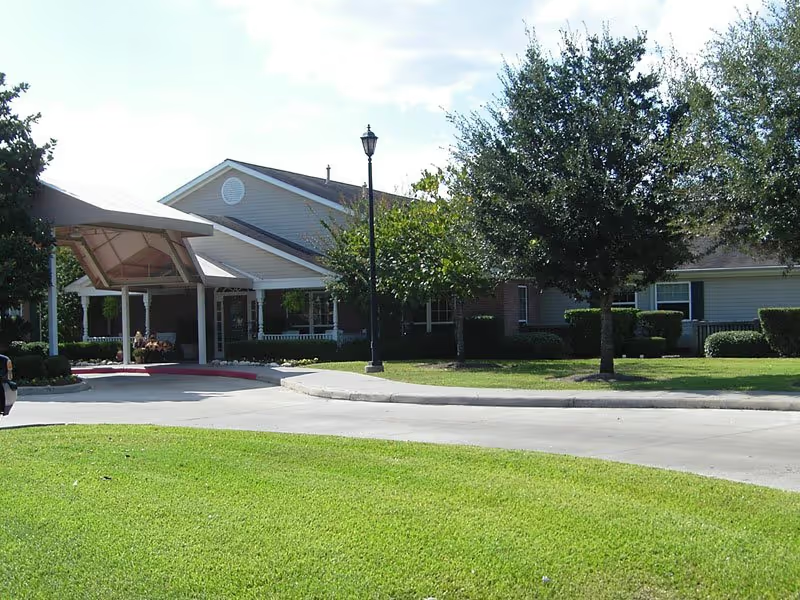
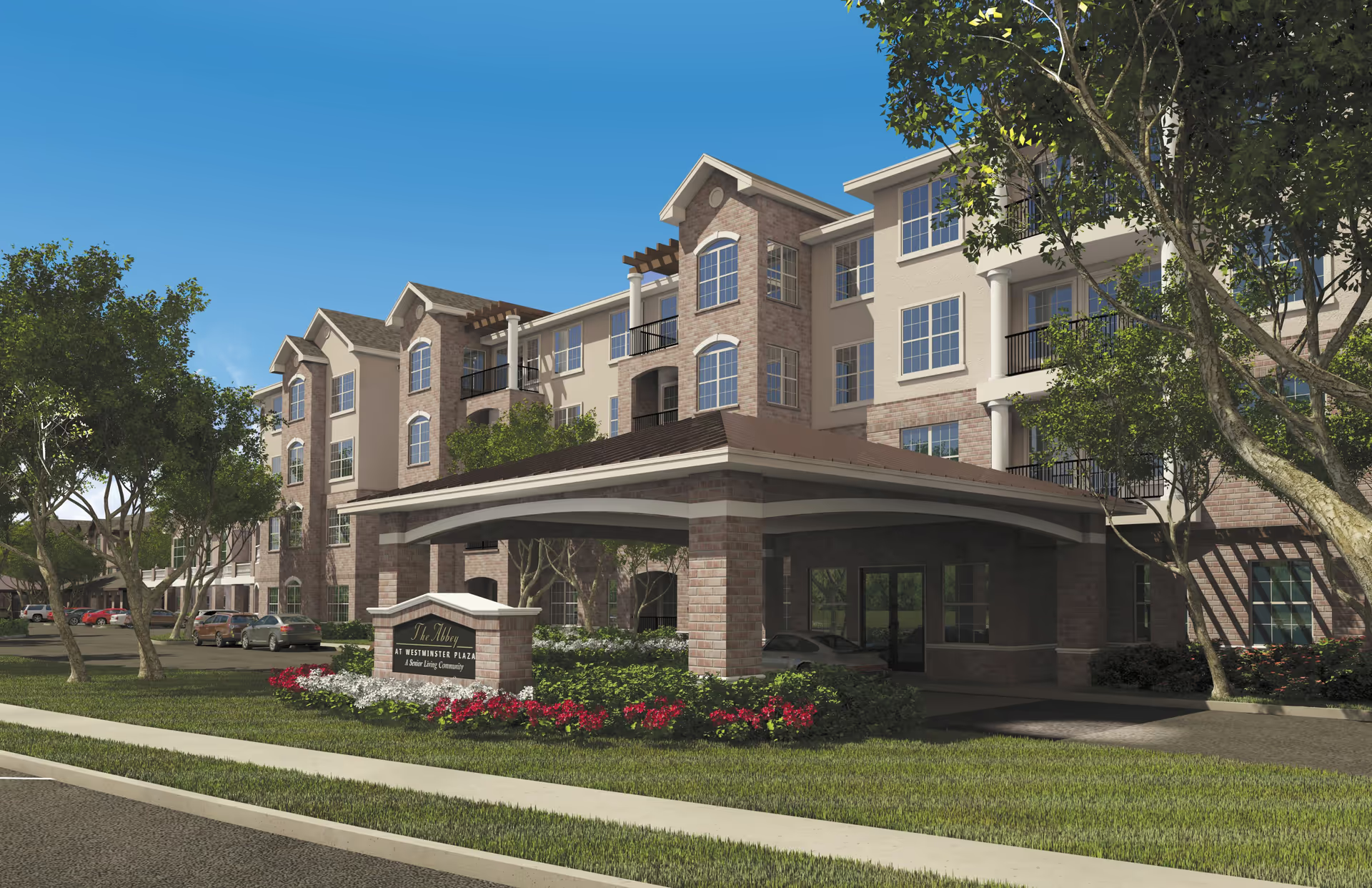
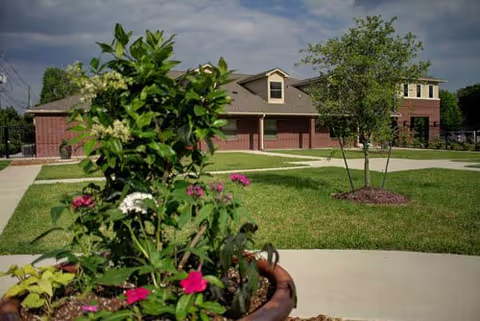
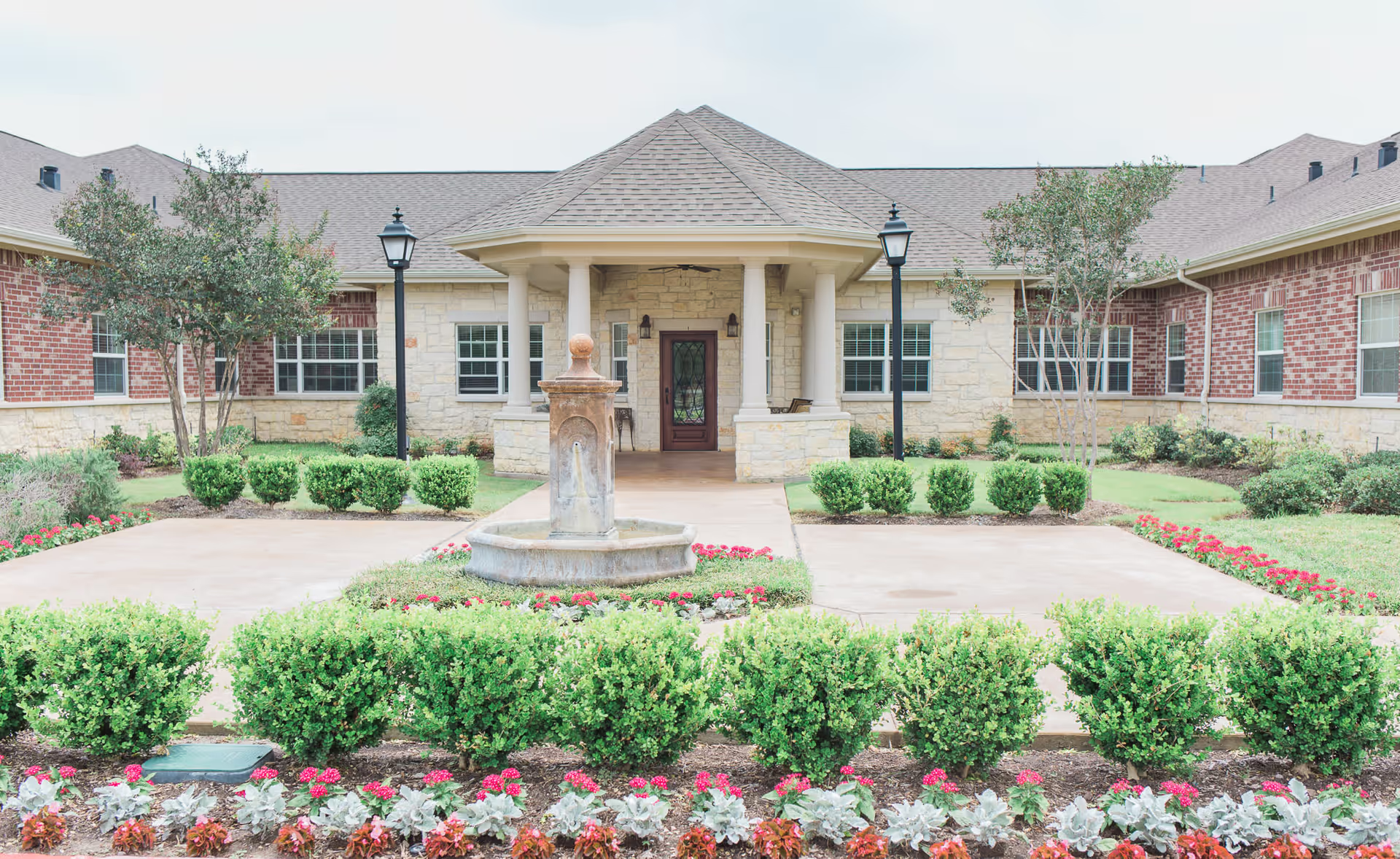
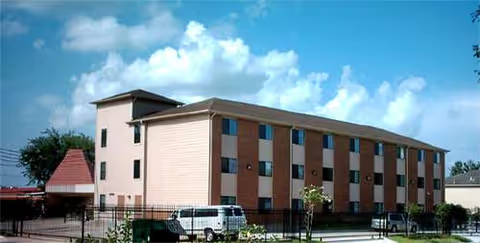
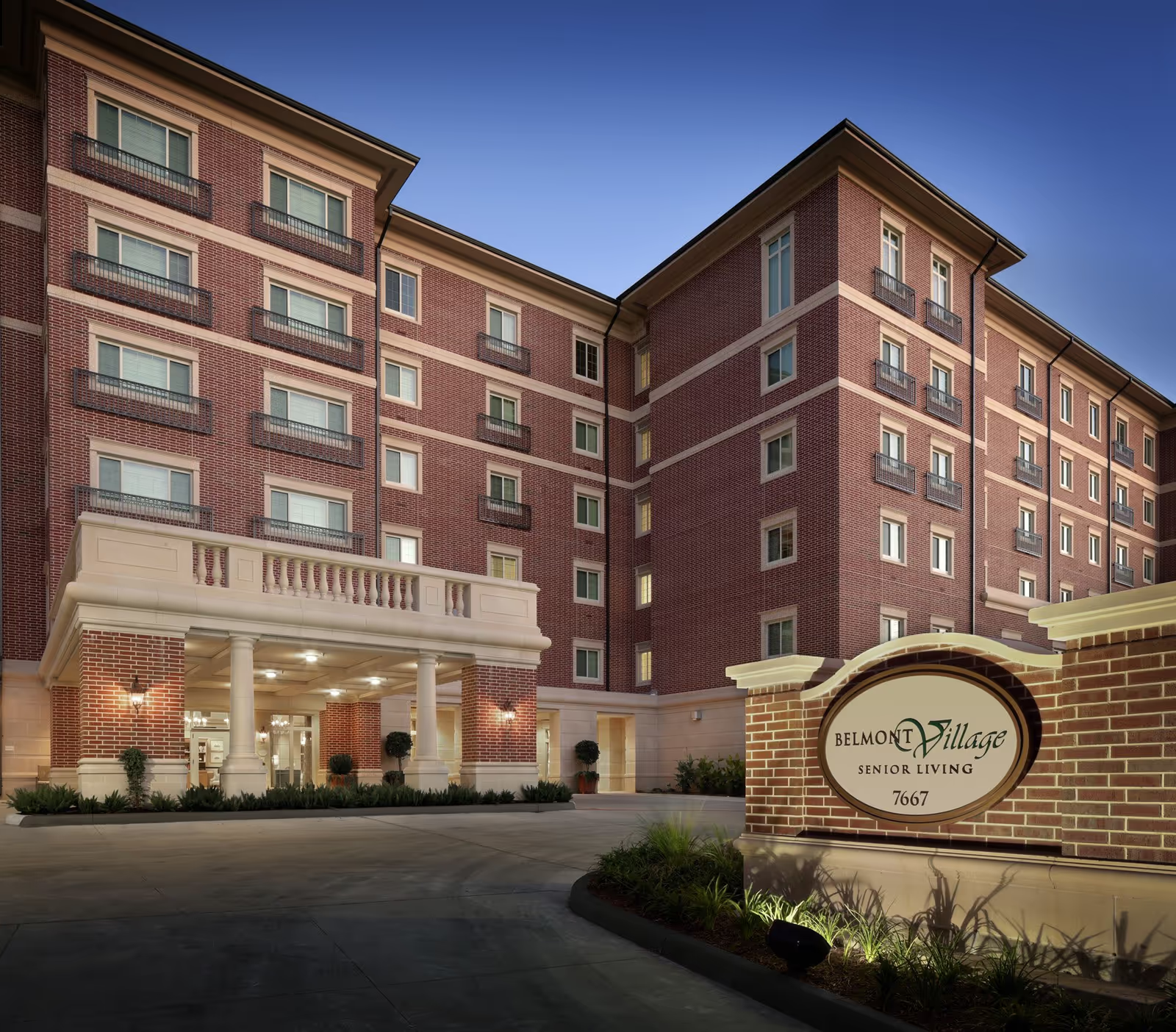
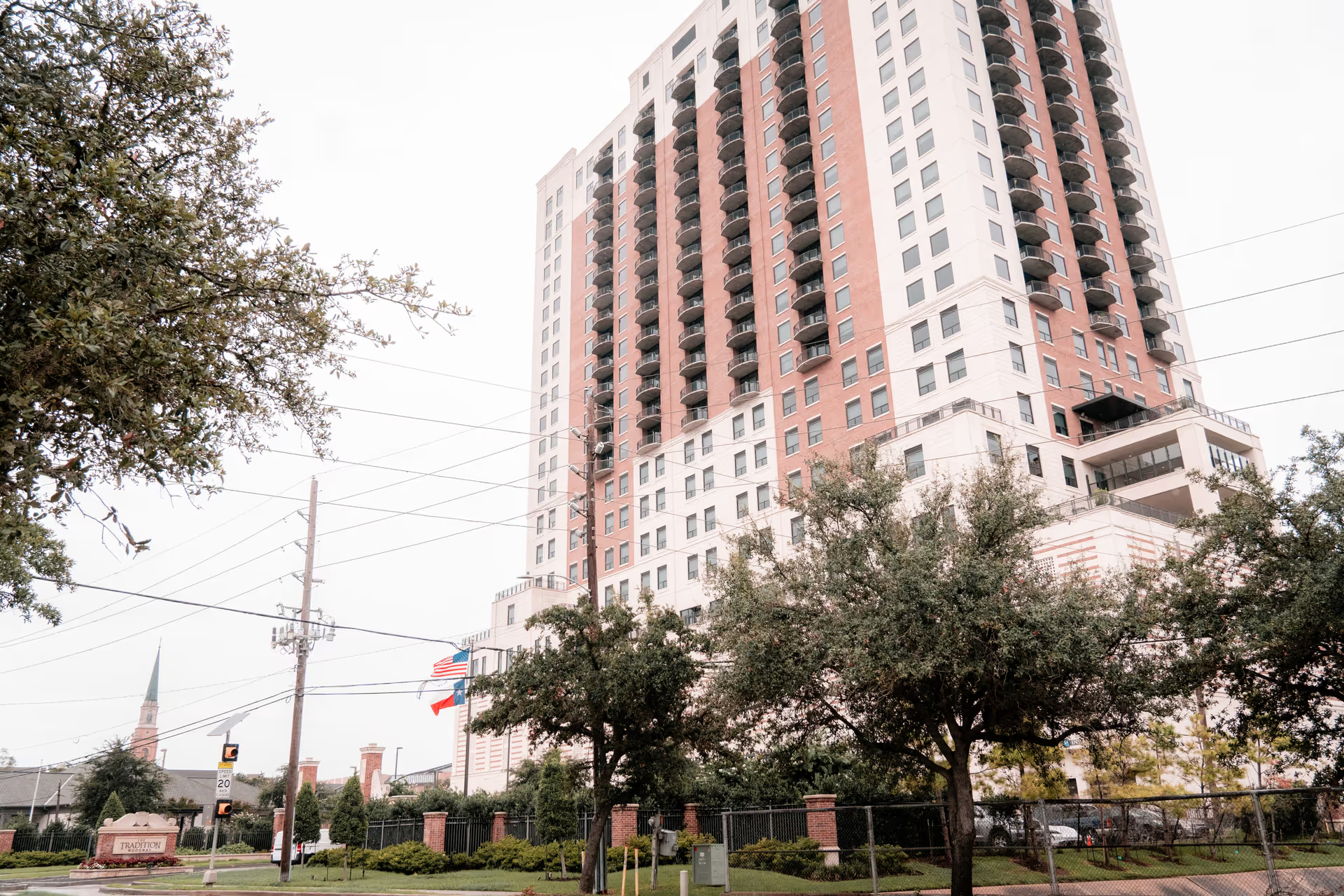
Facilities and environment The physical environment is commonly described as bright, modern, and well cared for, with tidy common spaces, manicured landscaping, and well‑appointed dining areas. Apartment layouts, including studio units with kitchenettes and full‑size refrigerators, are seen as roomy and practical. A few families note limitations in outdoor green space, multi‑story navigation concerns for some memory‑impaired residents, and a busy street adjacent to the property — all of which may matter depending on individual mobility and safety priorities.
Notable patterns and guidance for prospective families The dominant pattern is one of strong interpersonal care, active programming, and a pleasant physical environment that many families find reassuring. Key tradeoffs to weigh: the community is well suited to residents who benefit from social engagement, routine therapies, and attentive caregiving at the assisted‑living or memory‑care level. Families requiring around‑the‑clock skilled nursing, robust in‑house medical coverage, or consistent specialized dietary management should confirm those capabilities in advance. Also inquire directly about administrative practices (billing, deposit/ refund procedures, incident investigation) and about staffing levels on evenings/weekends to assess operational fit for your loved one. Finally, ask for specifics on dietary accommodations and medication‑administration protocols, and request recent examples of how the community handles clinical escalations and internal investigations.