The Abbey at Westminster Plaza is consistently described as a high-end, activity-rich community with many strengths in hospitality, amenities, and social programming. Reviewers repeatedly praise warm, compassionate caregiving staff, engaged activity directors, a robust calendar of outings and on-site events (including a movie theater and nightly films), and chef-led dining with varied menus and made-to-order options. The property’s finishes, spacious apartment layouts (many with full kitchens and in-unit laundry), multiple outdoor spaces, fitness center and pool, and concierge/transportation services are frequently cited as reasons families and residents feel comfortable recommending the community.
Care quality assessments are mixed. Many families commend attentive front-line staff, timely communication about health changes, and supportive transition experiences between levels of care. However, there are serious clinical concerns noted by others that center on medication management and clinical oversight. These concerns include issues with medication administration processes, limited on-site higher-level clinical staffing at times, and related regulatory scrutiny and whistleblower allegations. Prospective residents should specifically inquire about current nursing coverage, medication-administration protocols, emergency response procedures, and the status/outcomes of any regulatory reviews.
Staffing and operational consistency show variability across reviews. Several comments highlight long-tenured, consistent caregivers and responsive leadership, while others describe elevated nurse turnover, floor-level staffing shortages, and slower response times for call pendants. Families who emphasized positive experiences noted helpful, personable staff and effective communication; families who experienced challenges described uneven staffing and slower follow-through on clinical or servicing requests.
Dining and activities are prominent strengths but not uniformly so. Many reviewers describe exceptional, restaurant-style meals, social dining, chef engagement, and plentiful portion choices. A smaller number noted intermittent declines in food quality, reduced portion sizes, or service interruptions tied to staffing or construction activity. Activity offerings are broad — including fitness classes, games, outings, arts and crafts, and on-site specialists — and are generally rated highly for promoting social engagement and resident satisfaction.
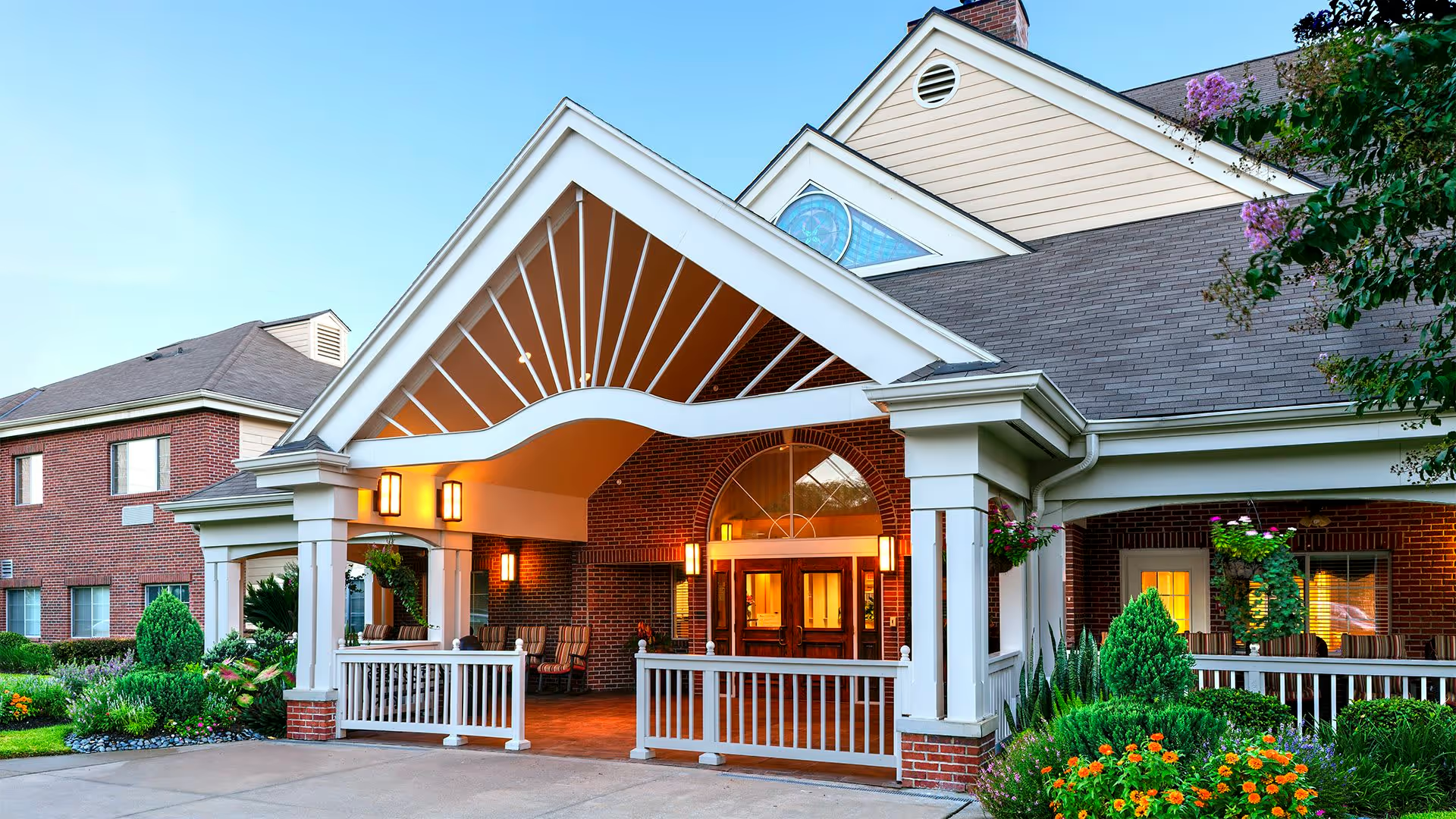
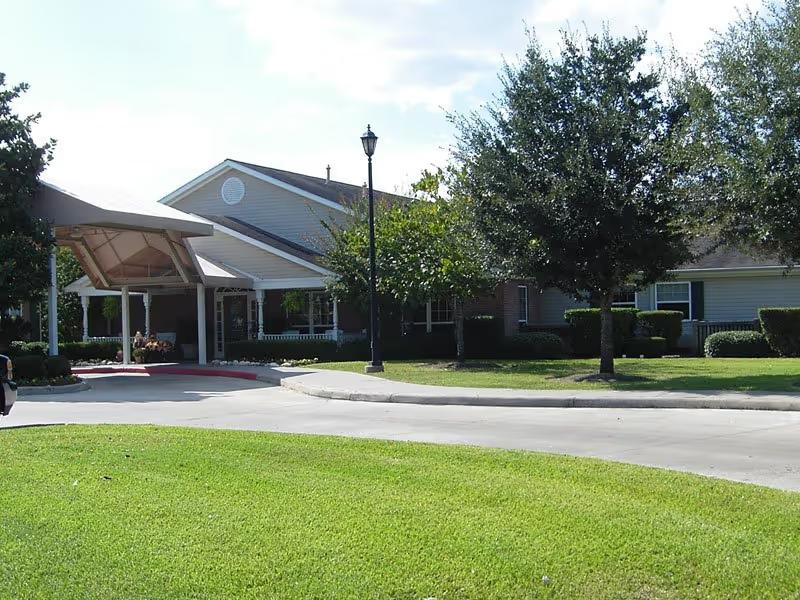
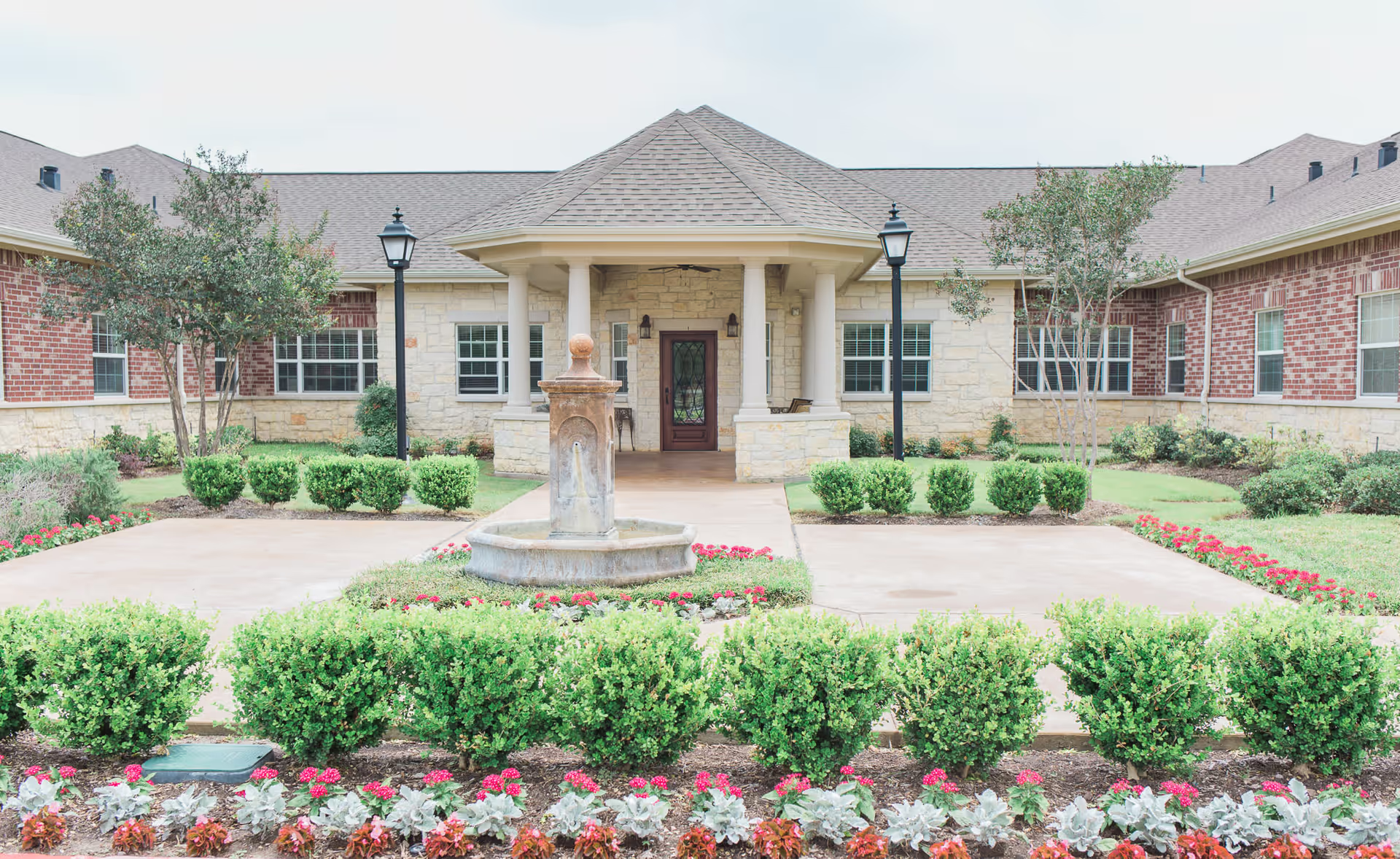
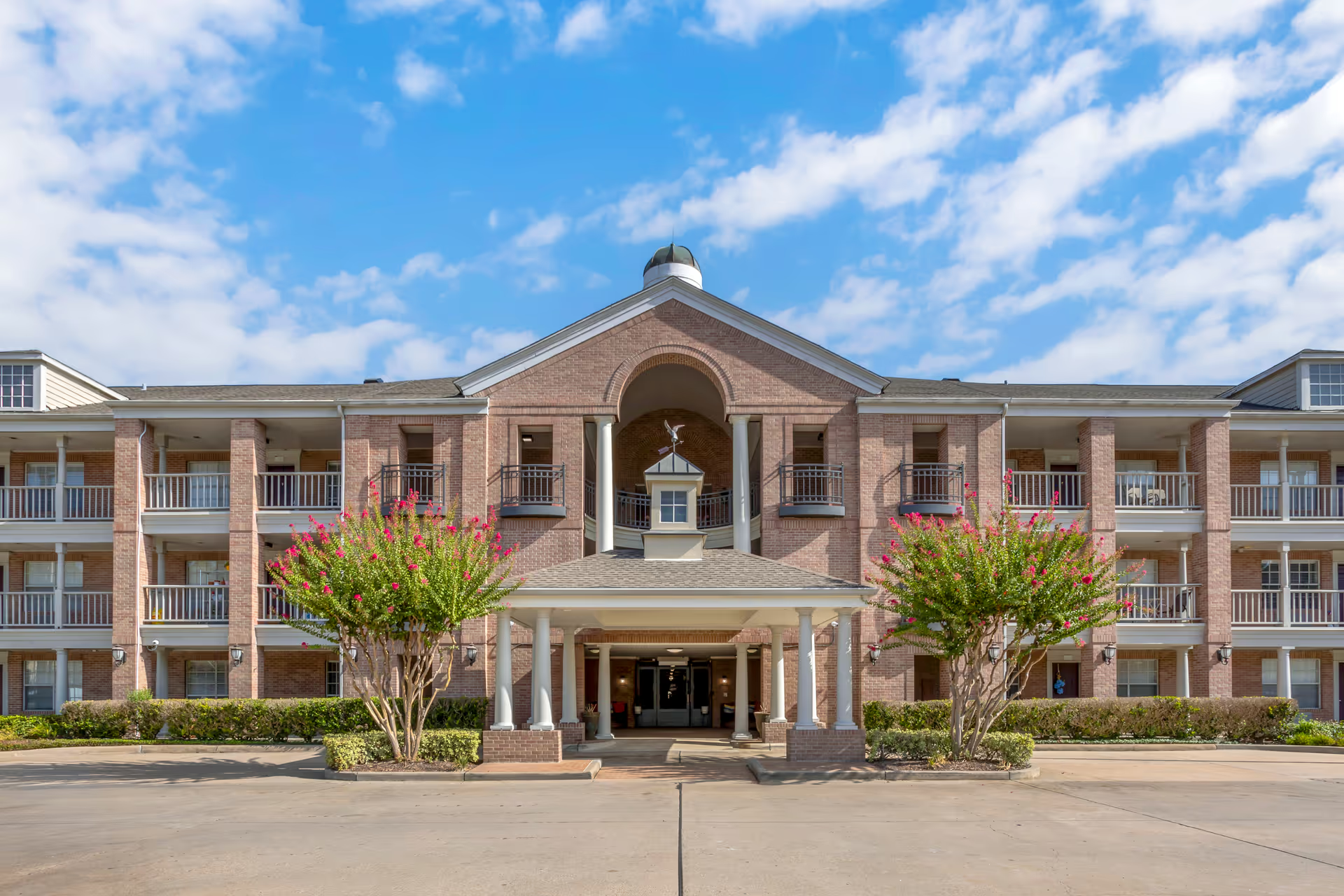
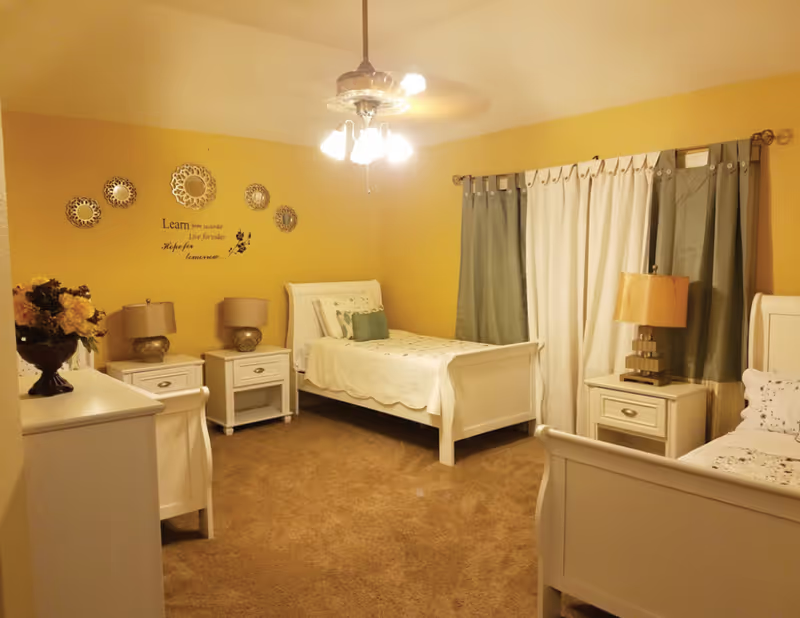
The physical plant and amenity set are generally strong and marketed as upscale: new construction elements, luxury finishes, roomy floorplans, theater, bistro, indoor pool, and landscaped courtyards are frequent positives. Counterbalancing this, several reviewers cited design and layout inefficiencies (long hallways, awkward bathroom and kitchen configurations, limited storage), ongoing construction or incomplete amenities at certain points, and accessibility quirks such as elevator placement that can affect residents with mobility needs. Pricing is often described as premium, and availability of larger units (two-bedroom plans) is limited.
Management impressions vary. Many families report proactive, caring leadership and quick resolution of concerns; others describe inconsistent communication, billing disputes, or a perception of inflexibility from ownership or administrative personnel. There are enough contrasting accounts that a prospective resident should seek direct, current information about contract terms, billing policies, staffing ratios, and grievance or escalation processes.
Overall, The Abbey at Westminster Plaza offers a compelling lifestyle package for residents seeking active social programming, high-quality dining, and resort-like amenities. However, there is a notable pattern of clinical and operational variability that families should assess carefully during a tour: verify current clinical staffing levels, medication-safety practices, sanitation protocols, amenity completion status, and contractual/billing terms. A focused visit, conversations with nursing leadership, and requests for documentation about recent regulatory findings or corrective actions will help determine whether the community’s strengths align with an individual’s clinical and social needs.