Overall impression: The Reserve at Royal Oaks Memory Care is described by many families as a small, home-like memory-care community with a strong emphasis on compassionate caregiving and activity programming. Positive commentary concentrates on the staff — caregivers, care coordinators, and leadership are frequently characterized as attentive, personable, and knowledgeable about dementia care. Reviewers highlight a tight staff-to-resident ratio, rapid and helpful move-in support, and programming that includes Montessori-style activities, outdoor garden use, and regular family nights that contribute to resident engagement and social connection.
Care and staff: Care quality is generally portrayed positively, with multiple accounts of staff forming close, family-like relationships with residents and providing peace of mind to relatives. Several comments name long-tenured employees and praise clear communication with healthcare providers. At the same time, there is variability in reported staff performance: while many reviewers describe consistent, empathetic caregiving, others describe lapses in conduct or responsiveness. This pattern suggests that overall staffing and supervisory consistency merit verification during a tour and reference checks.
Dining and activities: Activity programming and social opportunities are frequently noted as strengths — residents are described as actively involved and enjoying varied daily offerings. Opinions about dining are mixed: some families describe appetizing, well-liked meals, while others describe inconsistent food quality. Prospective families should sample meals and ask about menu planning, substitutions, and accommodations for dietary needs.
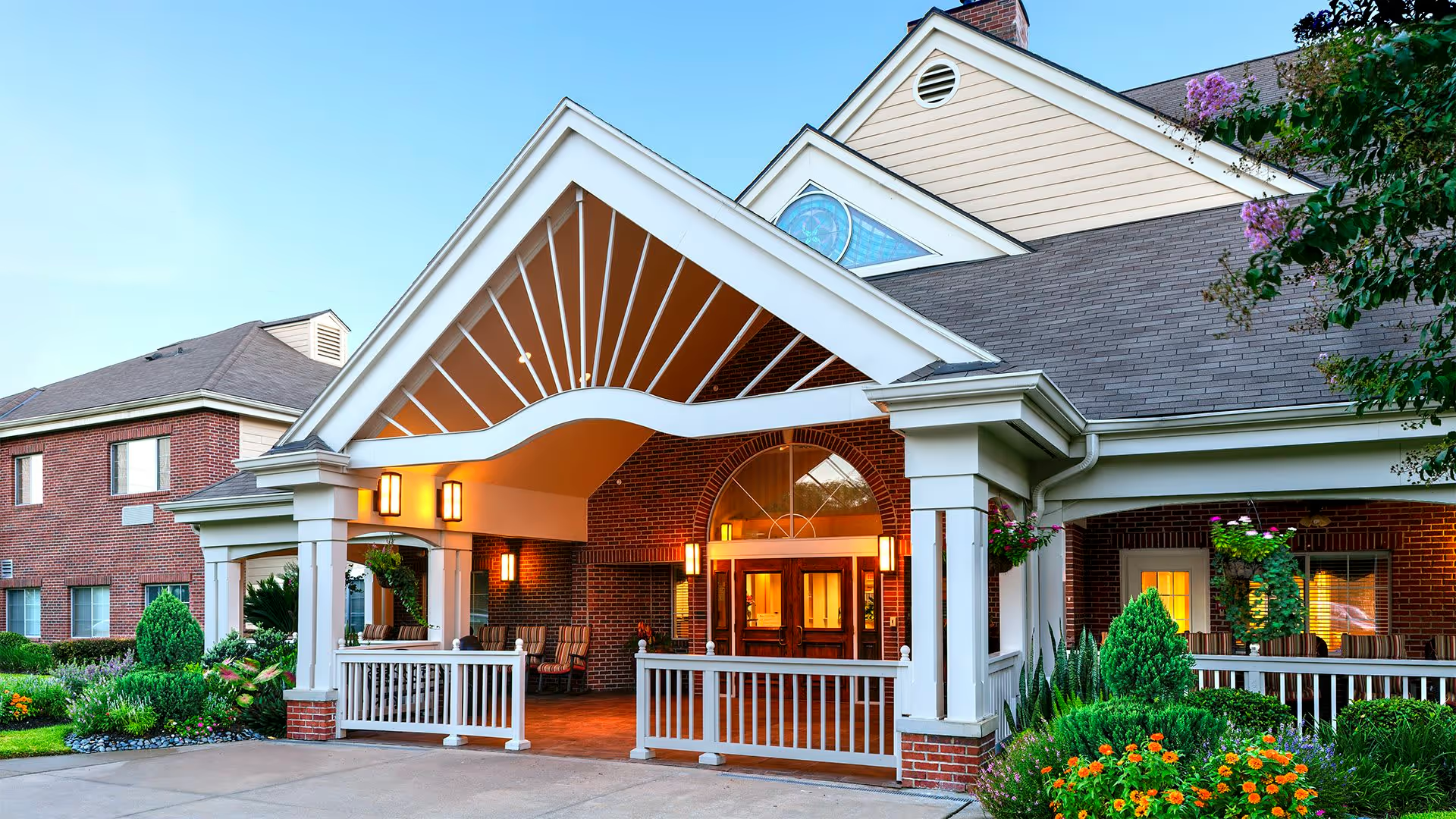
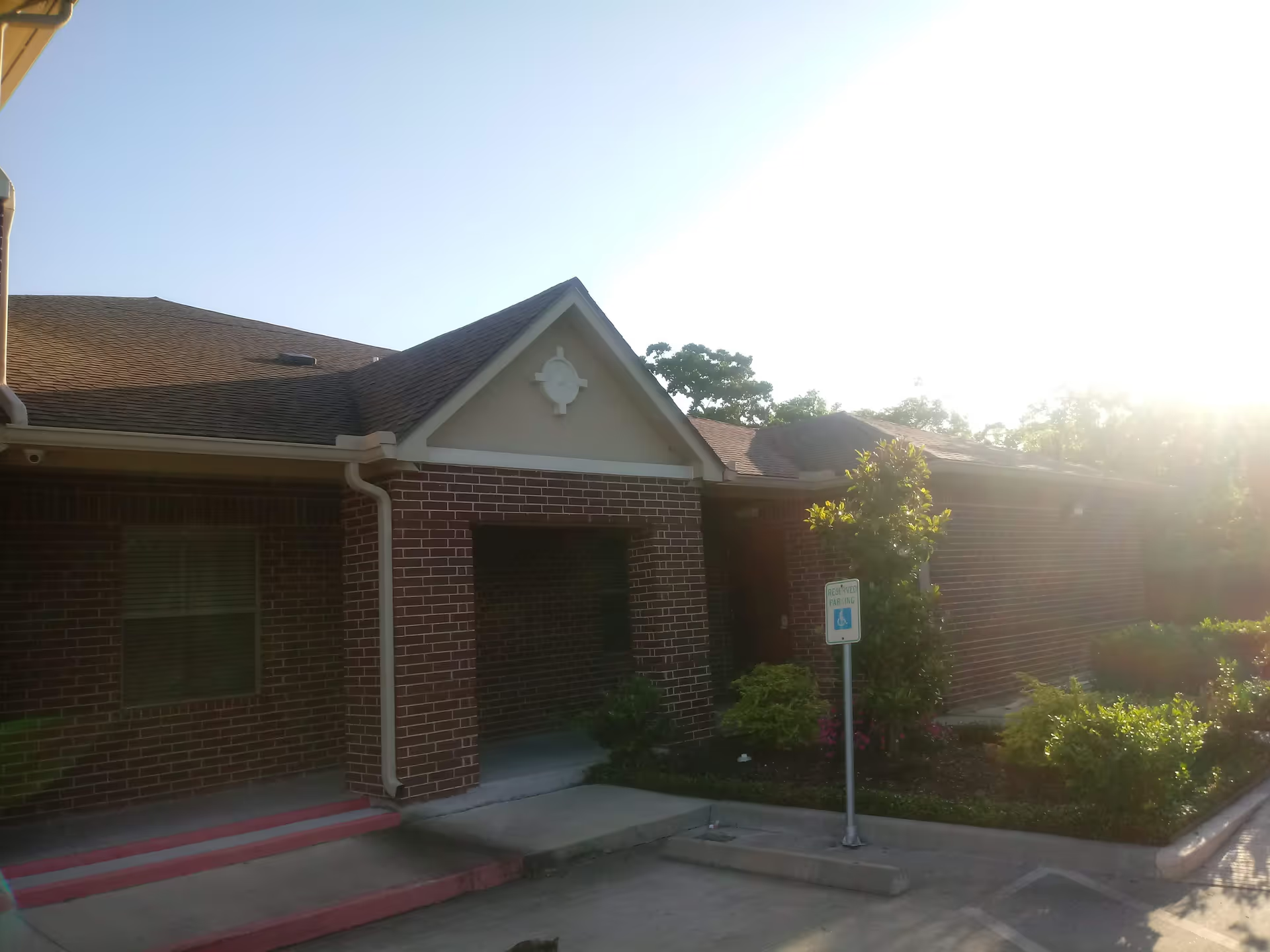
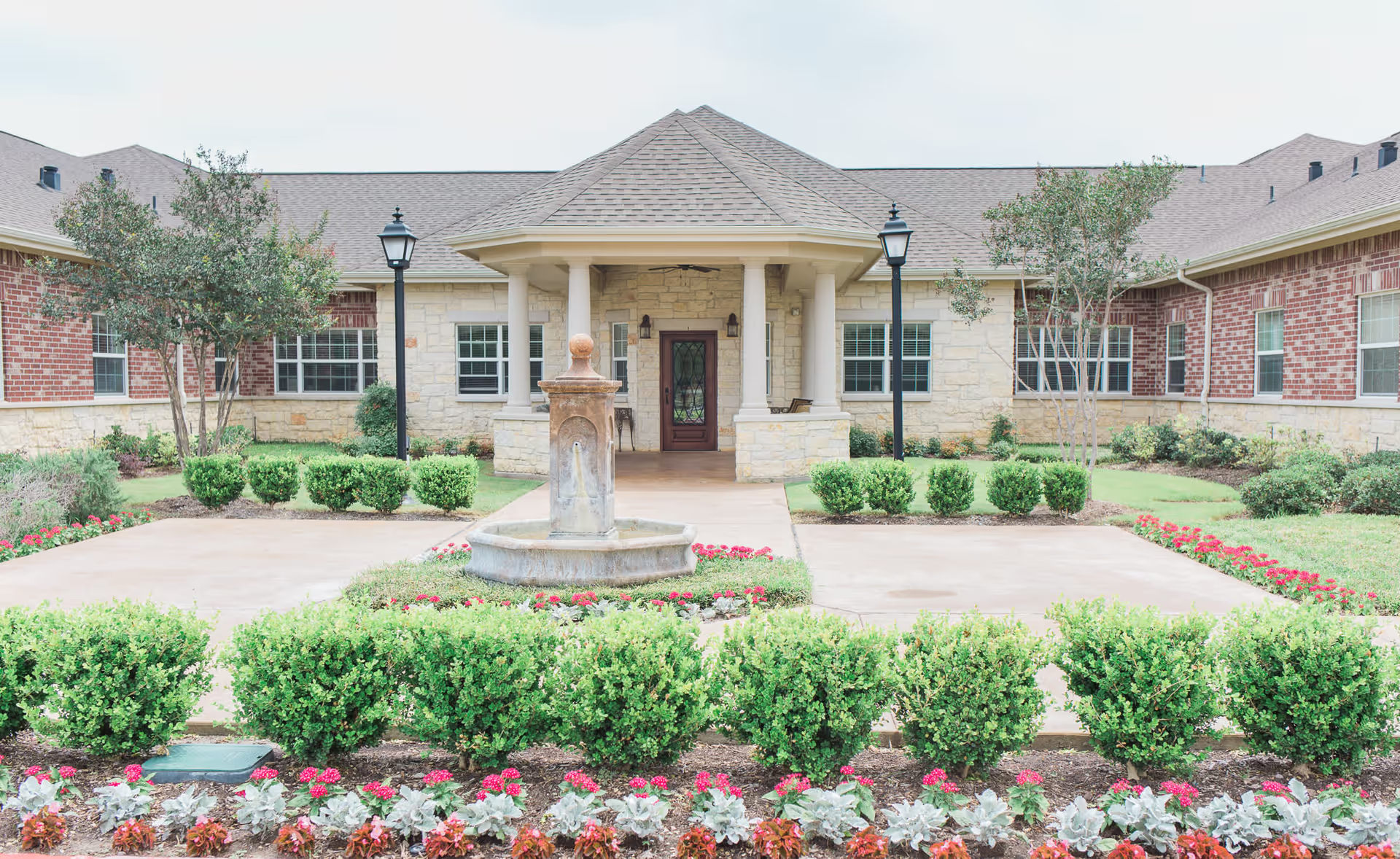
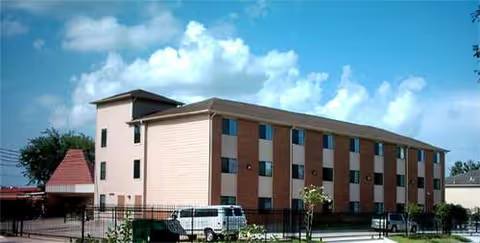
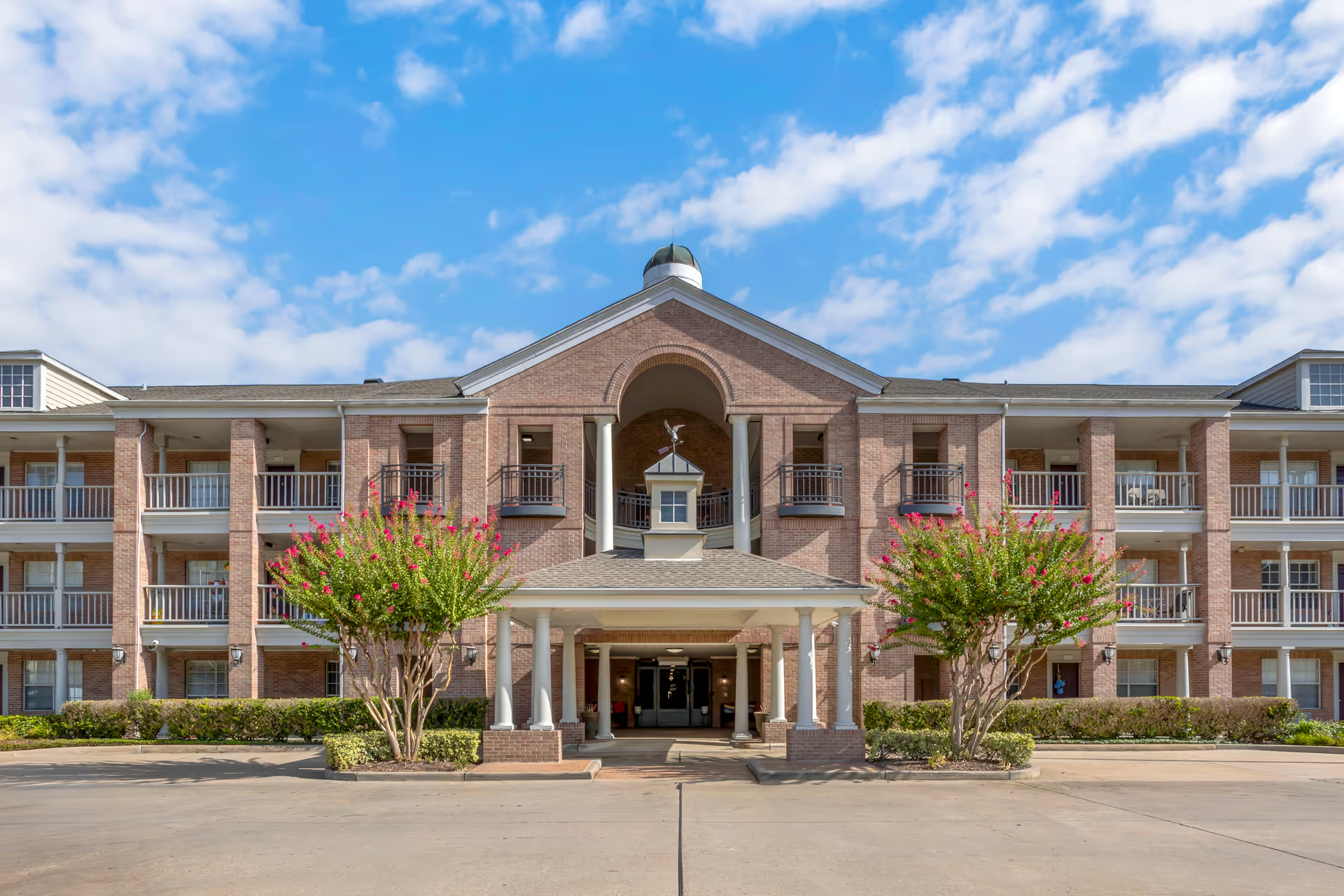
Facilities and environment: The community is commonly described as clean, bright, and well laid-out, with secure checkpoints and accessible layouts supporting resident safety. Outdoor courtyard spaces and gardens are appreciated. However, aesthetic and maintenance concerns appear in several comments: worn furniture and carpeting, and general signs of wear in some areas. Cleanliness of common areas is still frequently praised, but there is an observable distinction between overall sanitation and cosmetic upkeep.
Management, communication, and safety patterns: Many families report strong communication from administrative staff and good coordination with outside healthcare providers. Conversely, there are substantive criticisms that cluster around communication failures and property controls — examples include family notification delays about hospitalizations, missing personal items, and reports of restricted access to residents or limitations on resident choice. These point to operational weaknesses in incident communication protocols, personal-property security, and visitation/choice policies. Additionally, there are serious allegations concerning administrative behavior and transparency; these claims vary in severity and should prompt families to ask facility leadership directly about investigations, complaint procedures, and regulatory history.
Clinical concerns and recommended due diligence: A small number of accounts raise clinical concerns (for example, wound care and subsequent infection in at least one instance) and question the timeliness of clinical responses. While many families express high satisfaction with medical coordination, these isolated but serious reports indicate the importance of reviewing the facility's clinical oversight, wound-care protocols, medication-management procedures, and escalation pathways. Prospective residents and their families are advised to conduct an in-person visit, meet nursing leadership, request staffing patterns and training records, discuss emergency and hospitalization notification procedures, observe mealtimes and activities, and check state inspection and complaint histories before deciding.
Bottom line: The Reserve at Royal Oaks Memory Care offers many elements families seek in a memory-care setting — warm, engaged staff; structured activity programming; secure, small-community living; and responsive move-in support. However, variability in dining, facility aesthetics, staff consistency, personal-property controls, and questions about administrative transparency are notable patterns in the reviews. Thorough on-site evaluation and focused questions about clinical incident handling, property-security measures, visitation policies, and leadership accountability will help determine whether this community meets an individual resident's needs.