The reviews present a mixed picture of Capri Personal Care Home Inc. Several accounts highlight strong, long-standing personal connections between staff and residents — reviewers praise individual caregivers (named staff such as Kathryn and Tina) for treating residents like family and for multi-year involvement. These comments indicate an environment where dedicated frontline staff and continuity of care are perceived strengths, particularly for younger residents or those who have been at the facility for extended periods.
Counterbalancing those positive impressions is a very serious individual allegation of a care-related injury and concerns about the facility's subsequent handling of the event. That review described a significant clinical incident, an emergency-room evaluation, and an allegation that management did not provide requested clinical documentation. This introduces concerns about safety oversight, the facility's clinical-incident response, and transparency with families.
Care and staff: Overall caregiver warmth and continuity are recurring strengths; staff are described as kind and personally invested in residents. At the same time, reviewers indicate issues that suggest weaknesses in supervision and consistent practice standards. Prospective families should weigh the evident strengths in day-to-day interpersonal care against the need for clear policies and visible supervisory practices that reduce variability in care quality.
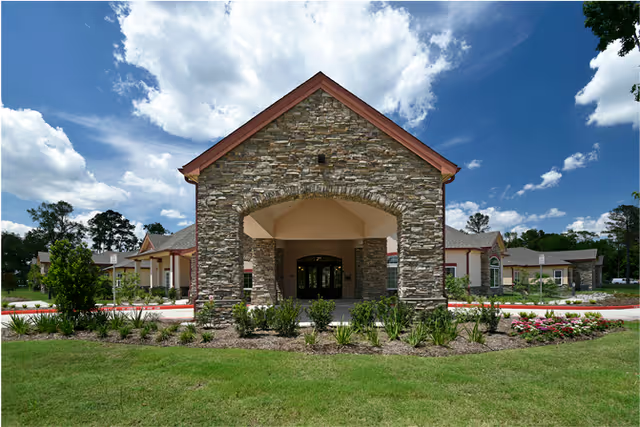
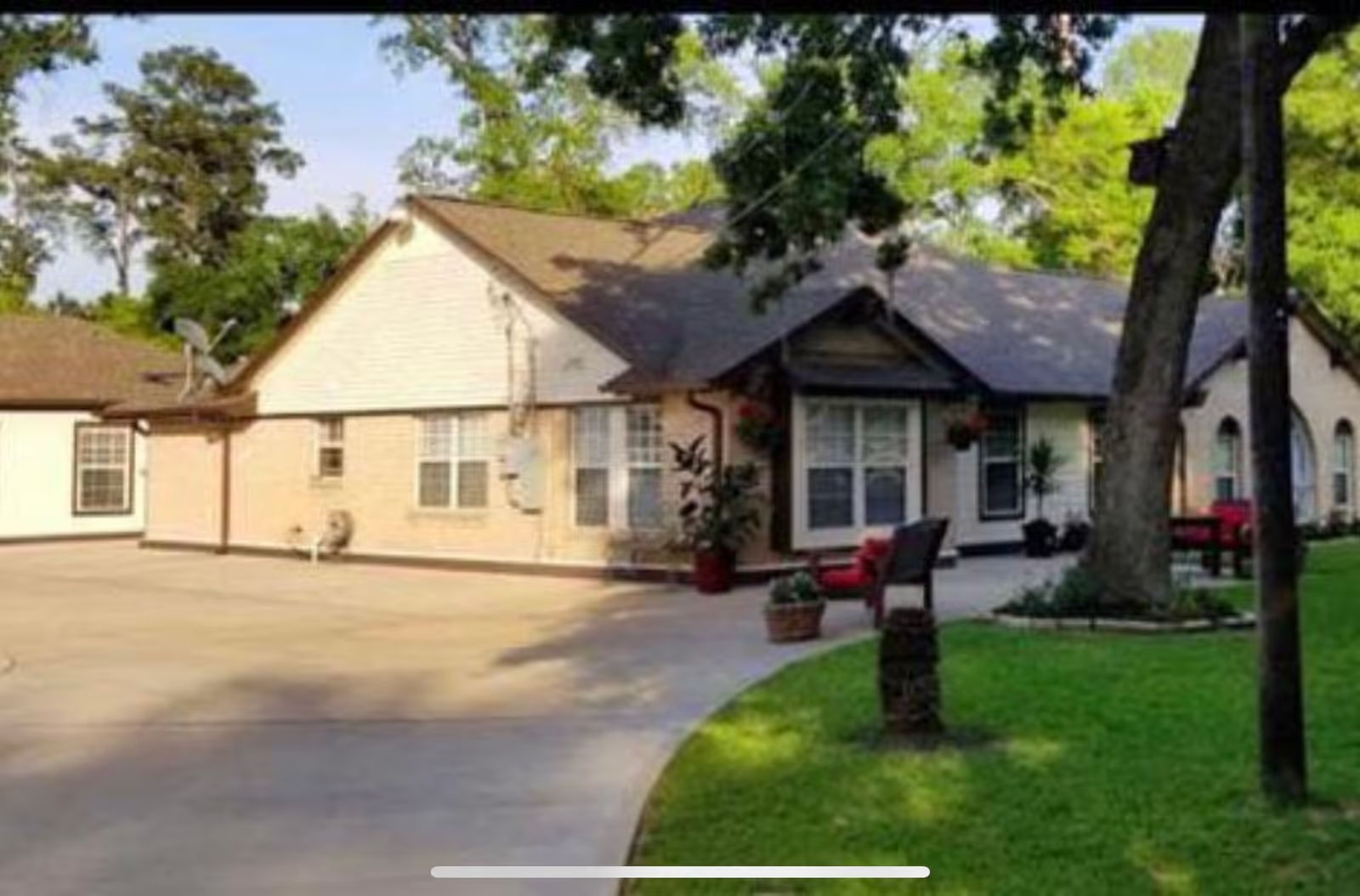
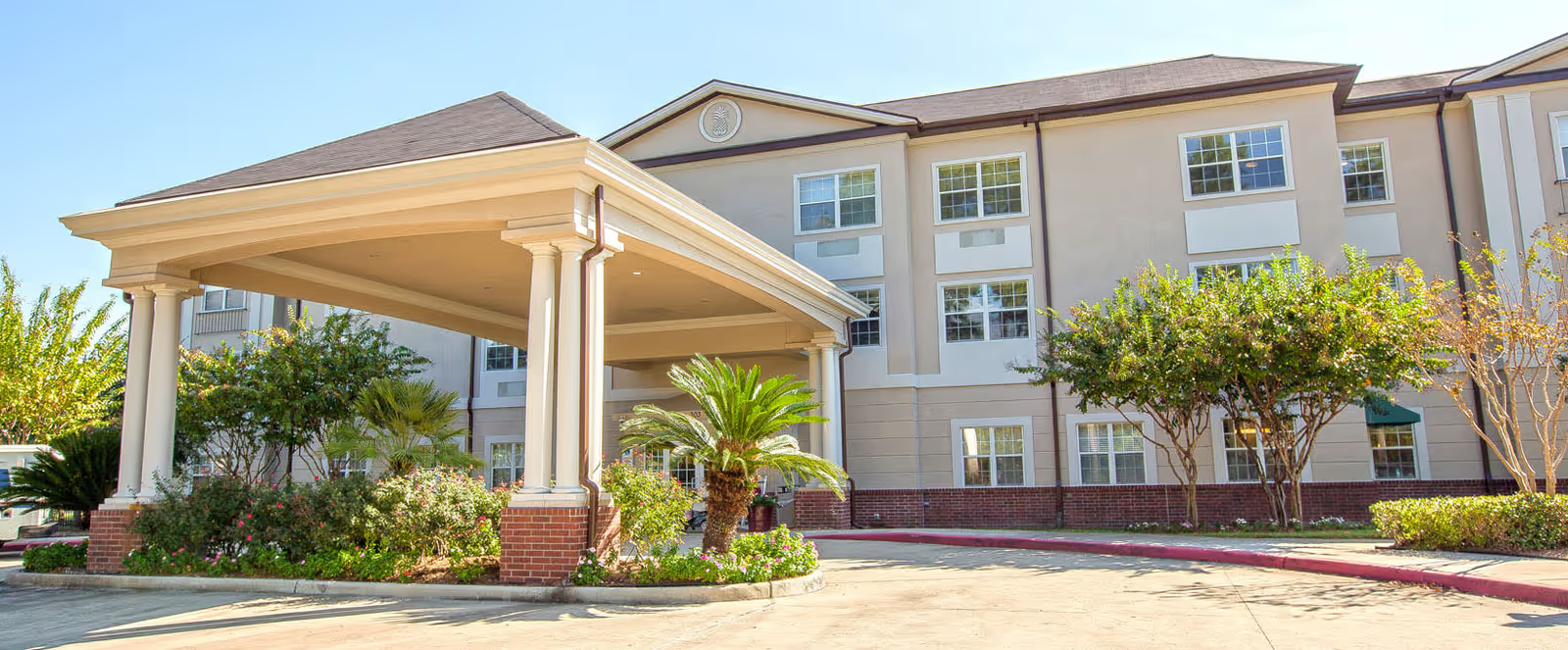
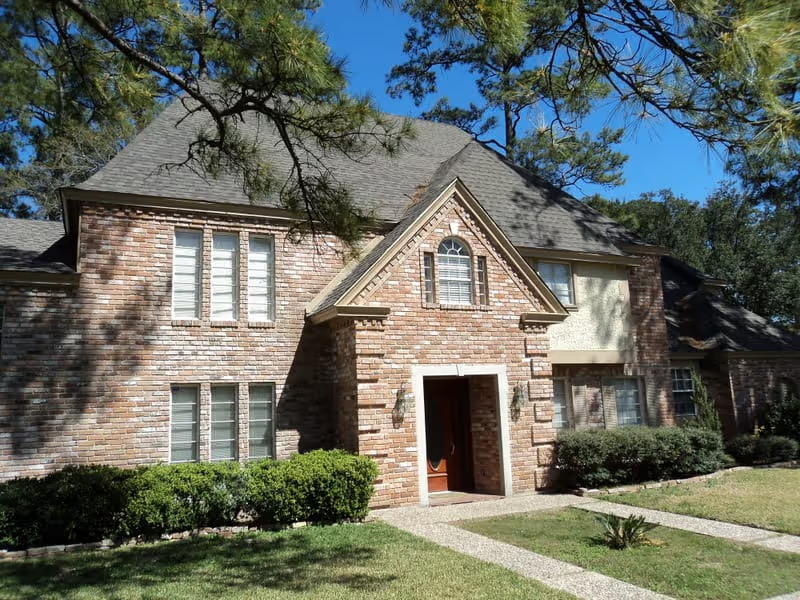
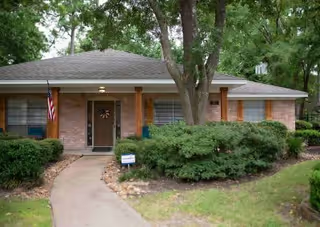
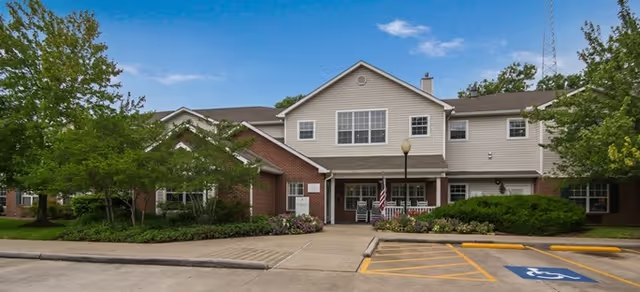
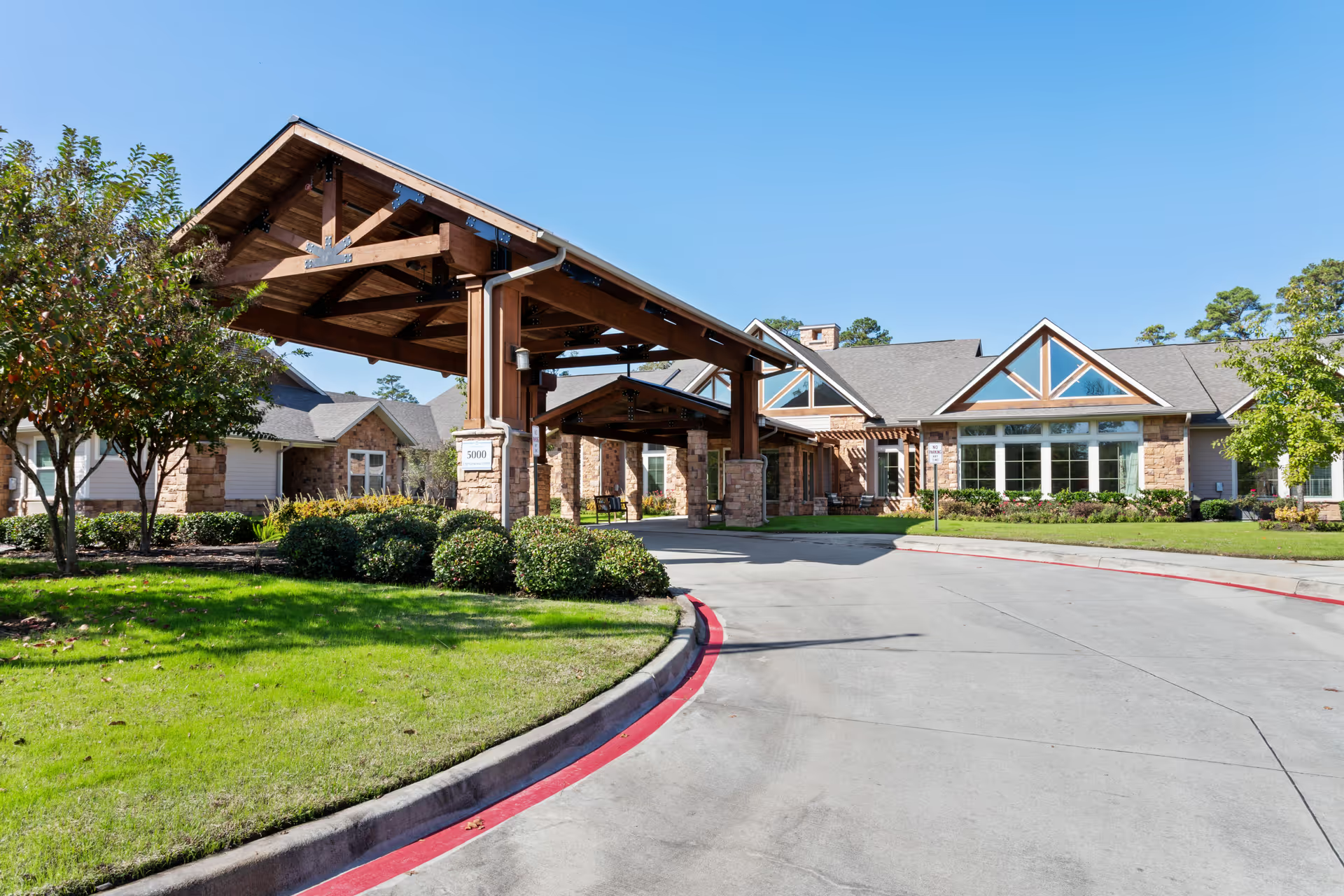
Dining, activities, and facilities: The available summaries offer limited information about dining services, scheduled activities, or the physical condition of the building. No consistent praise or criticism of meals, programming, or the facility environment emerges from the provided comments. Visitors should request menus, daily activity schedules, and a tour to directly assess these domains.
Management and documentation: A notable pattern is concern about management communication and transparency. One reviewer described being denied clinical reports and receiving inconsistent explanations from ownership after a serious incident. This suggests gaps in incident documentation practices and family communication protocols. Families should ask the provider about incident-reporting procedures, how clinical records are shared with families, staff training, and any third-party oversight or recent inspections.
Notable patterns and recommendations: The dominant patterns are strong, individualized caregiving from certain staff members alongside potential variability in oversight and documentation. For someone considering this facility, recommended next steps include observing caregiver–resident interactions during a visit, requesting written policies on incident response and documentation, asking for references from current families, confirming staff training and background-check procedures, and reviewing recent inspection or licensing records. These actions will help verify whether the interpersonal strengths noted by families are supported by reliable clinical oversight and transparent management practices.