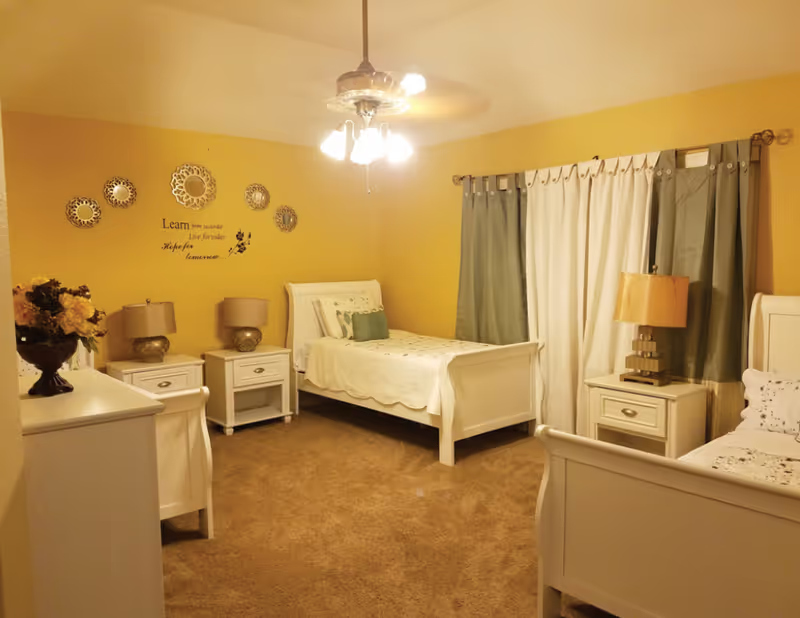
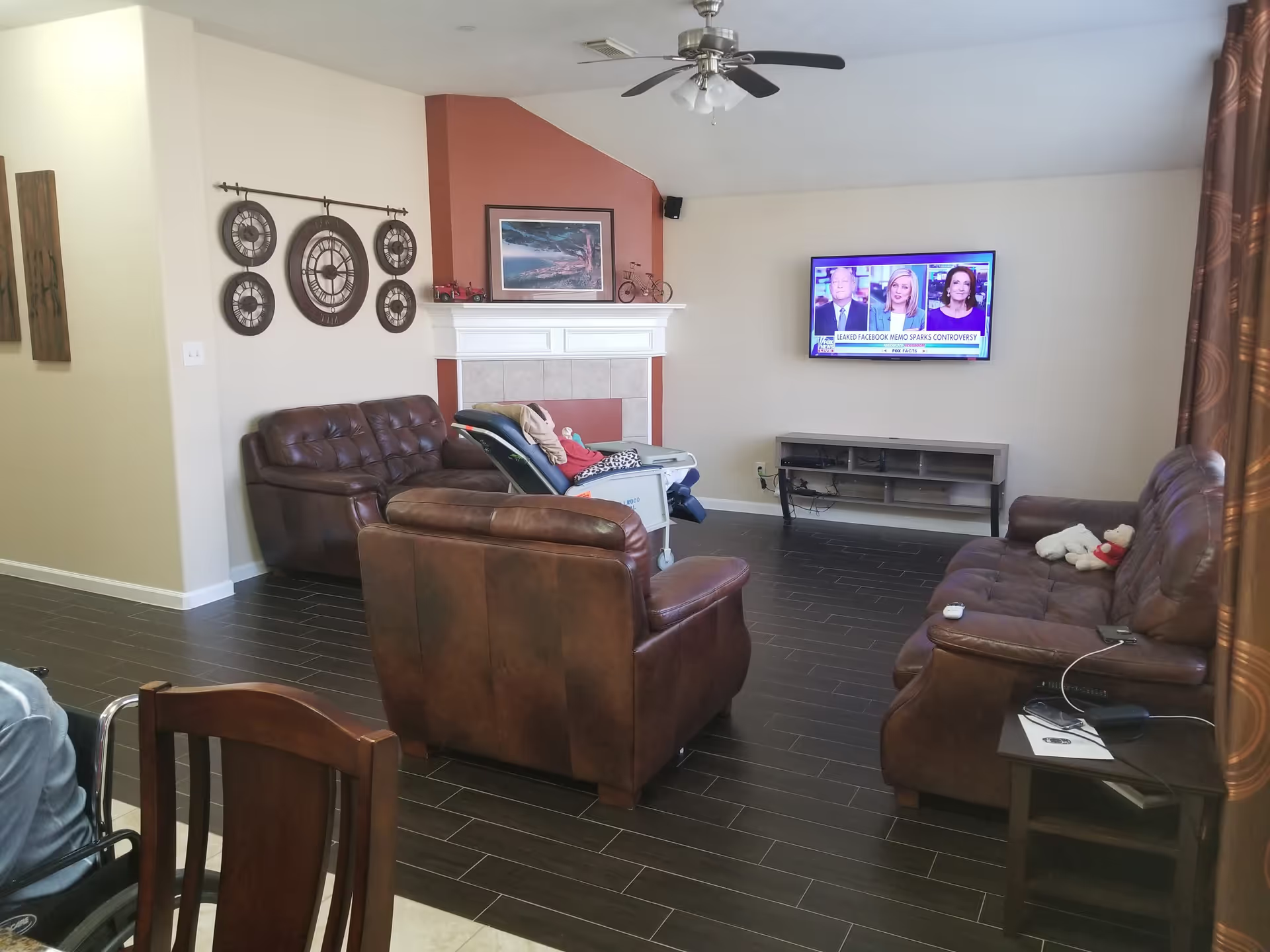
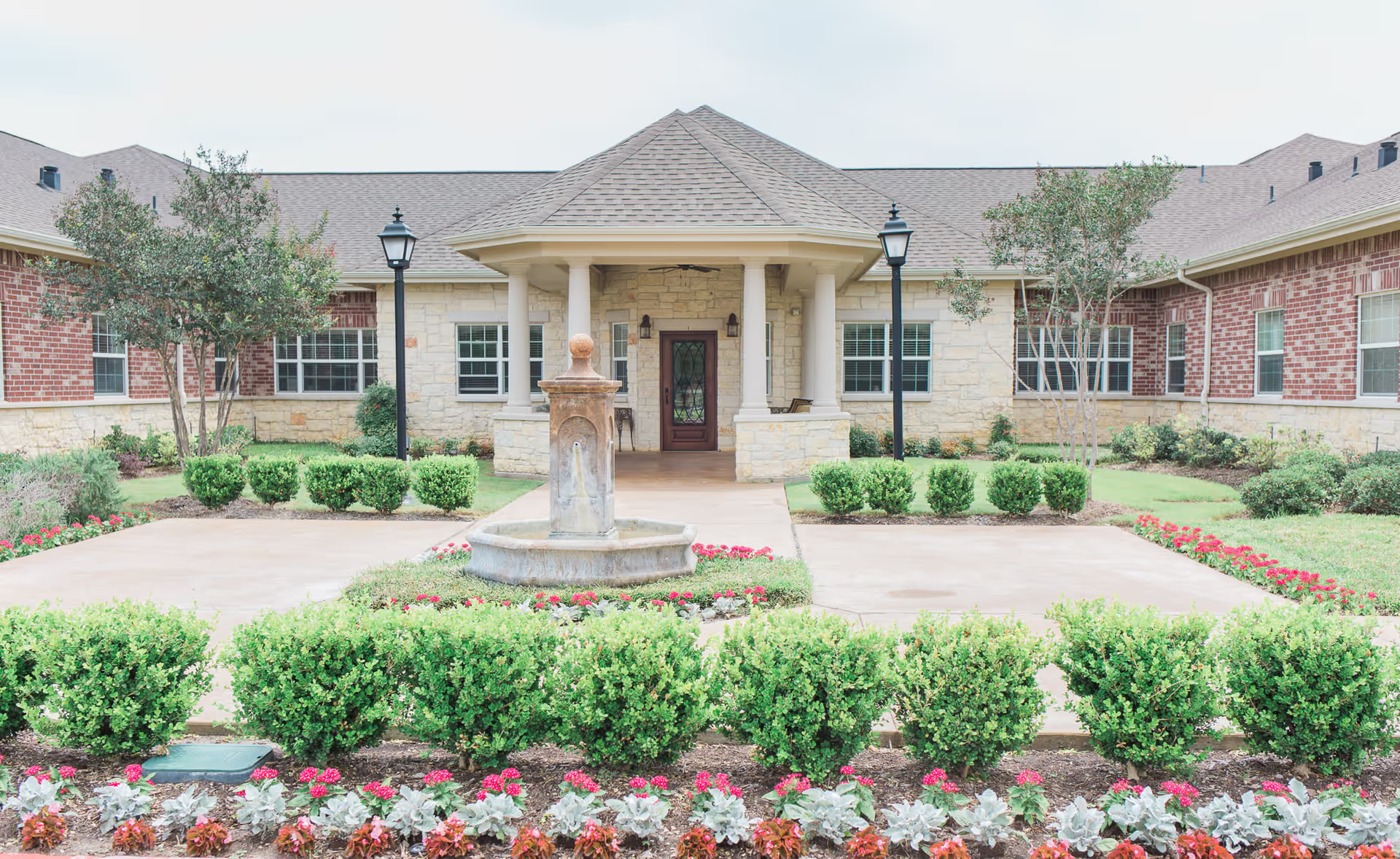
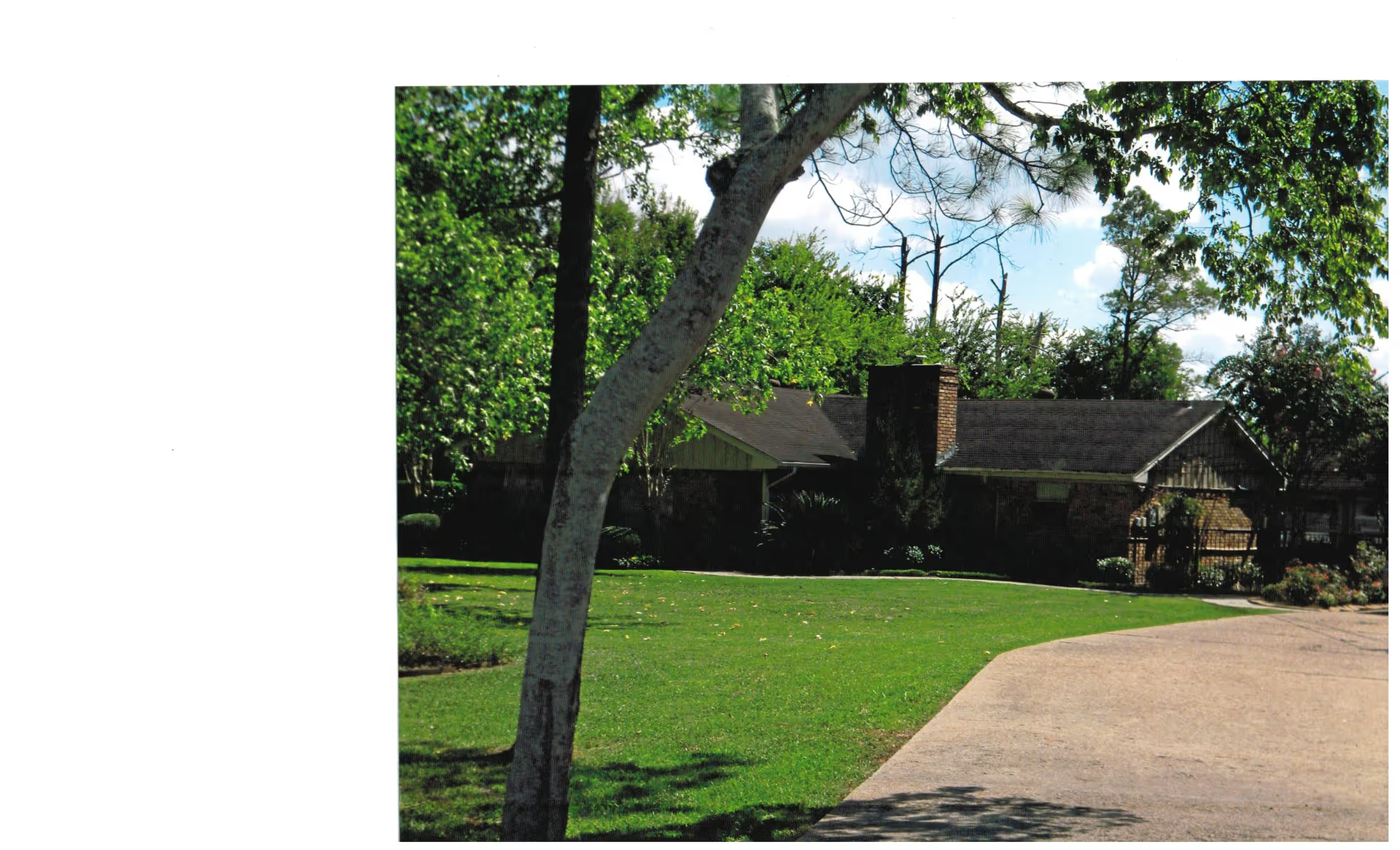
Overall impression: The facility presents as a small, home-style residential care setting with strengths in personalized care, consistency of staff, and a comfortable physical environment. Review content emphasizes furnished private rooms, outdoor space (porch and garden), and a clean, home-like interior. Families describe the atmosphere as safe and residents as well cared for, and several comments specifically highlight the owner’s accessibility and a caregiver focus on routine and timely medical appointments.
Care quality and clinical considerations: Care appears to be oriented toward individualized assistance and maintaining routines. Consistent caregiver assignments and a small, stable staff are cited as reducing turnover and minimizing shift-change disruption, which supports continuity of care. At the same time, reviewers indicate an operational limitation common to small homes: on-site clinical depth for higher-acuity needs may be limited. Prospective families should verify the facility’s protocols for escalating care, managing hospital transfers, and coordination with outside clinicians.
Staff and management: Staff-related strengths include continuity of caregivers, perceived kindness and accessibility of management, and a practice of ensuring doctor appointments and routine care tasks are completed. The owner’s visibility and responsiveness are noted as positive management traits. One pattern of concern is communication: reviewers reported instances where family members lacked timely information about a resident’s status. This suggests the facility’s family-notification and incident-communication processes may benefit from clarification or improvement.
Dining and activities: Meals are described positively, with reviewers characterizing food as good and appropriate for the setting. Activity options reflect the home model — for example, transportation to a senior center and use of the garden and porch for outdoor time. The small-home environment appears to favor individualized, low-key activities rather than a broad program of structured group programming; families should confirm activity schedules and off-site transportation options if a wider range of programming is important.
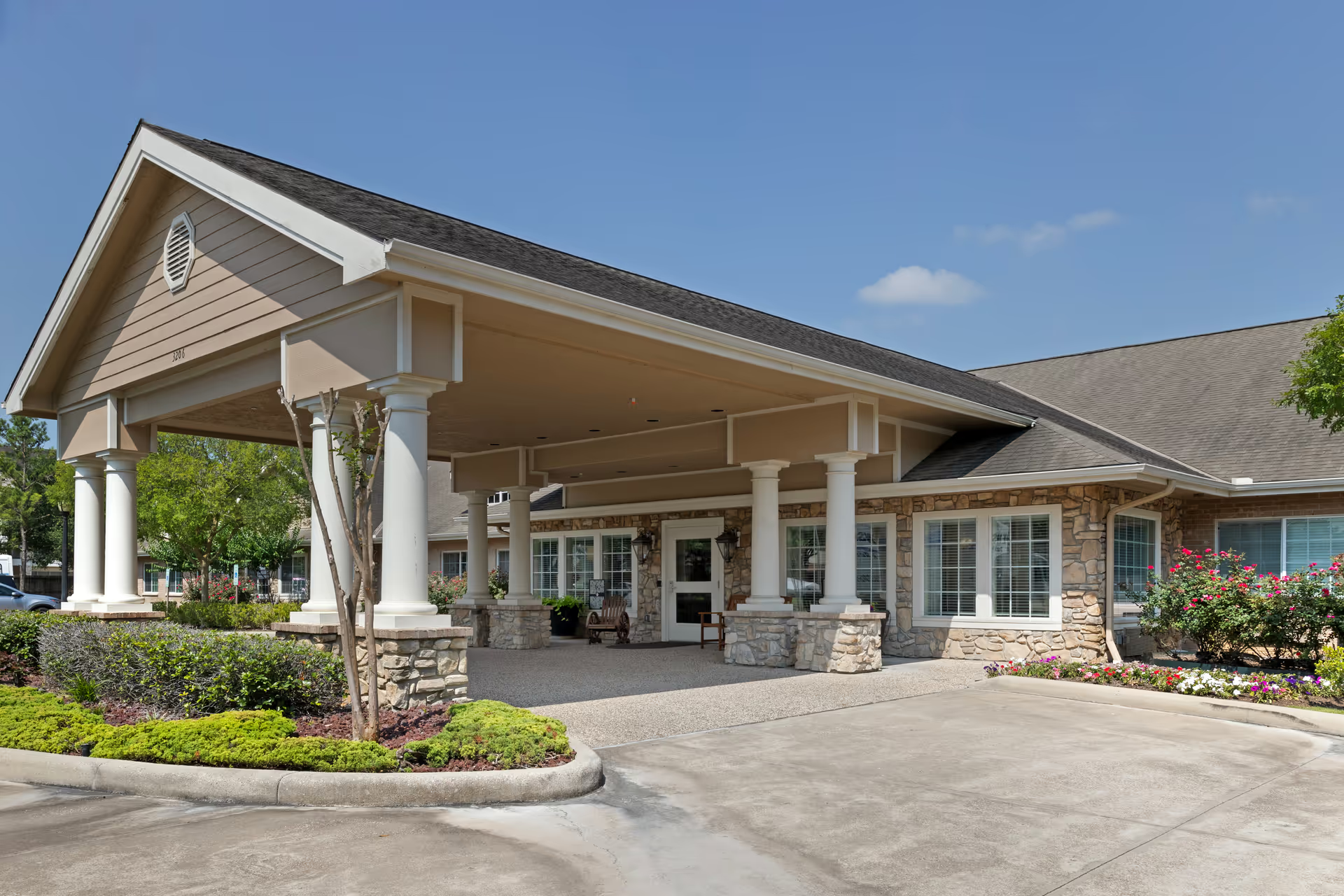
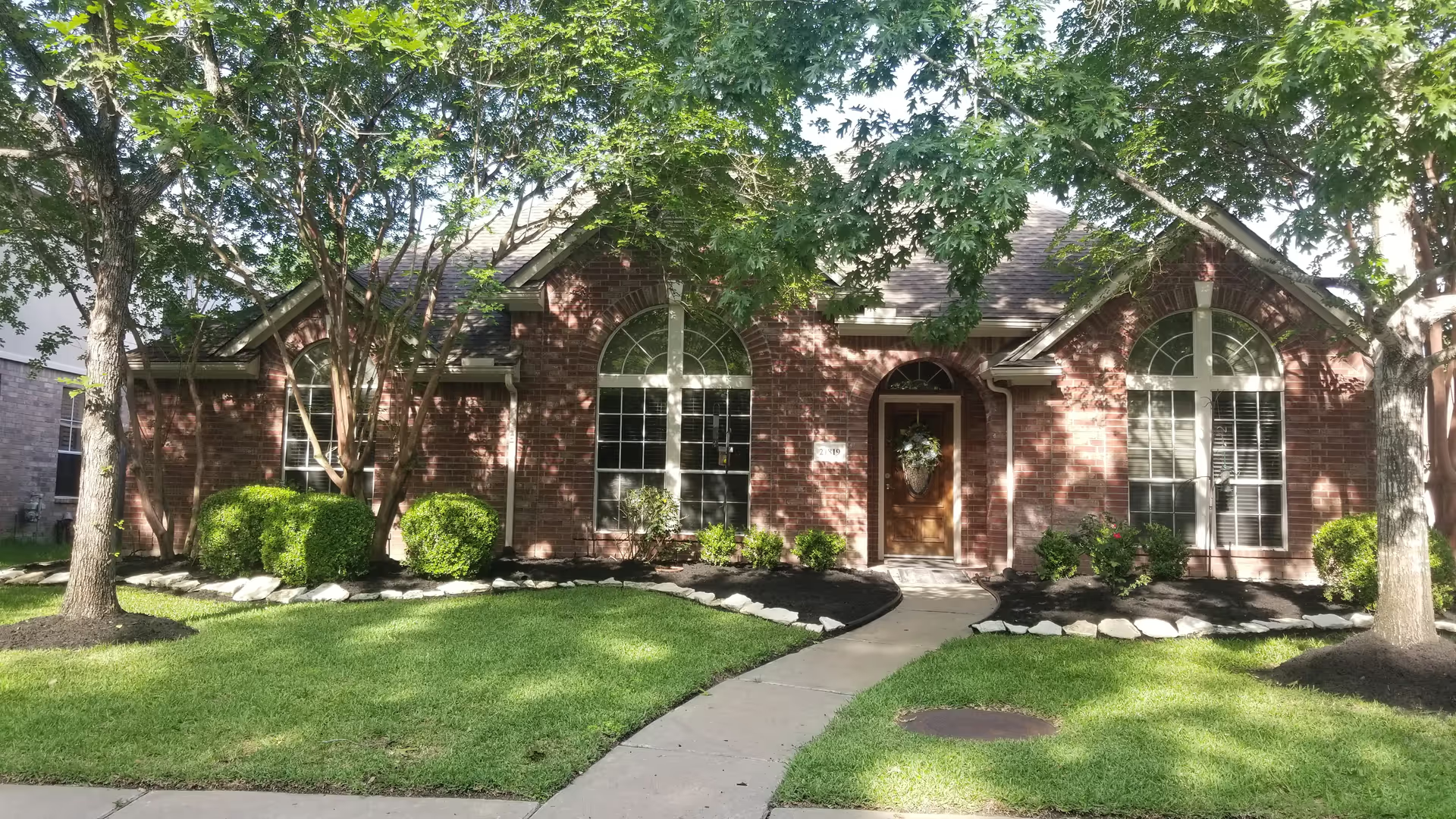
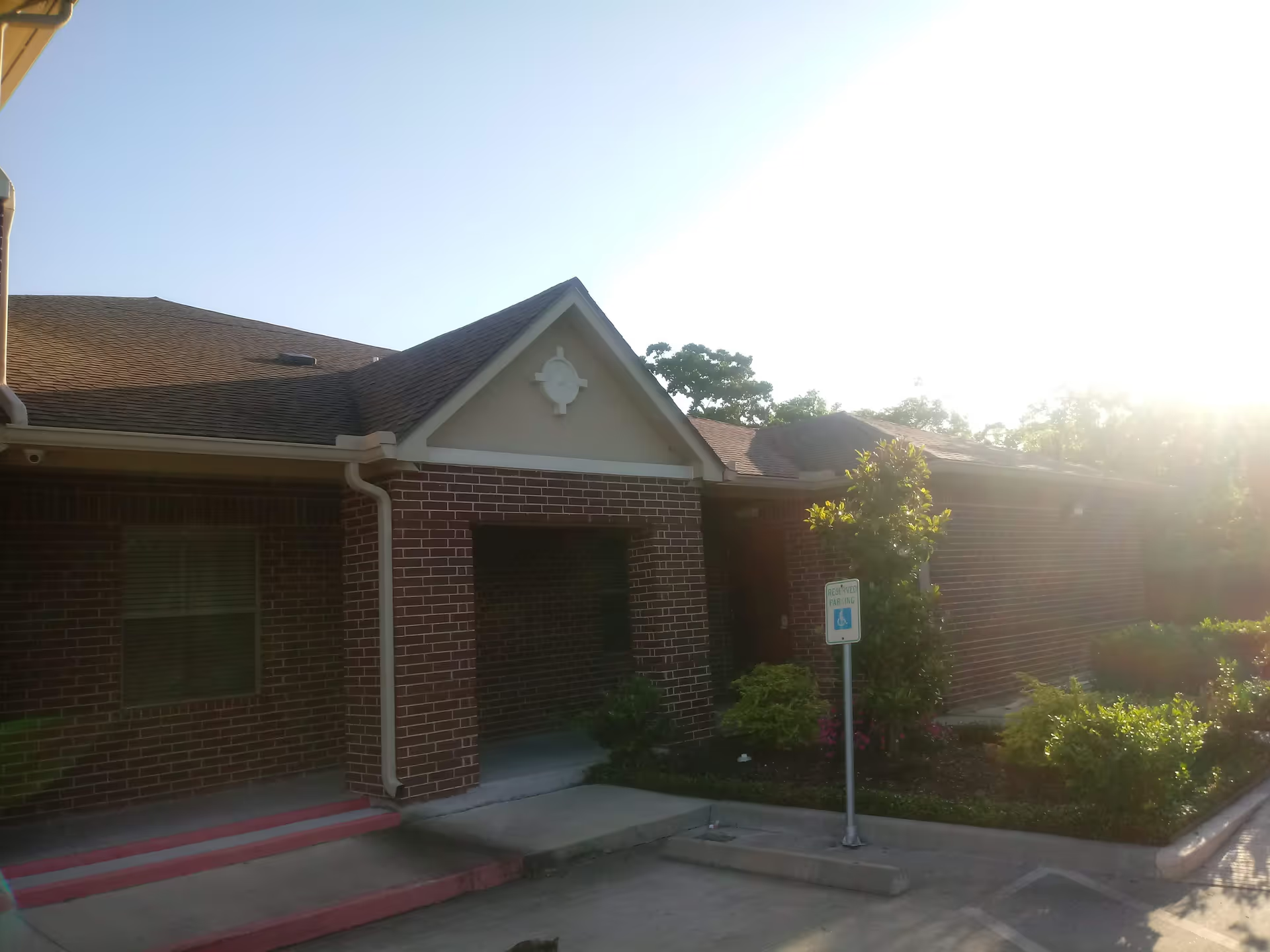
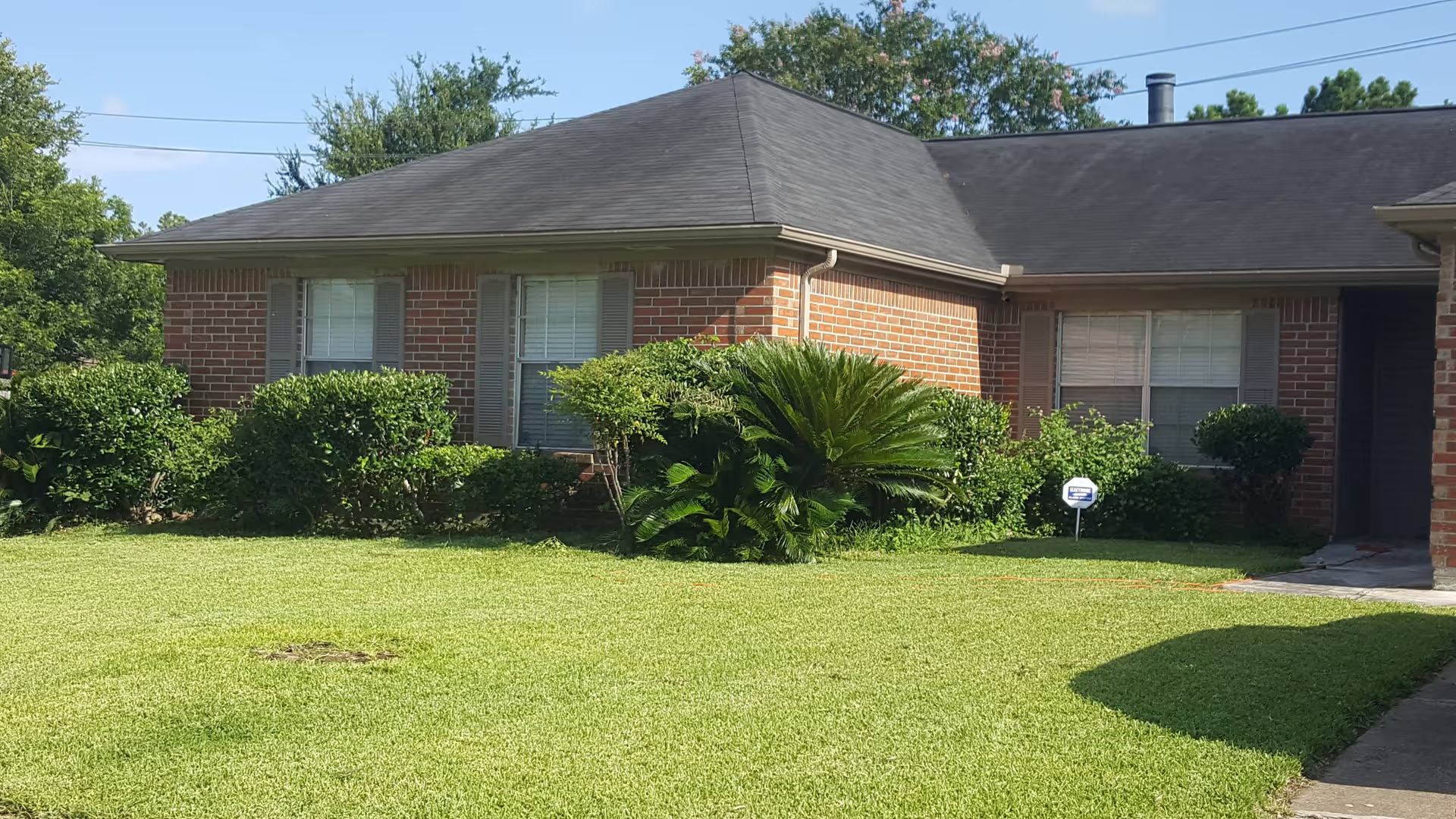
Facilities and environment: Physical features are consistently described as homelike and well maintained. Individual rooms come furnished with basic furniture, and outdoor space is available. Cleanliness and a sense of safety are recurring themes, supporting the impression of a residentially focused living environment rather than an institutional facility.
Notable patterns and recommendations: The dominant positive patterns are caregiver consistency, personalized attention, and accessible management. The primary operational concerns are gaps in family communication about resident status and the inherent limits of clinical resources in a small residential setting. Prospective residents and families would benefit from direct discussion with management about communication protocols (how and when families are notified of health changes), the facility’s procedures for handling hospitalizations or transfers, and contingency staffing plans for absences or emergencies.