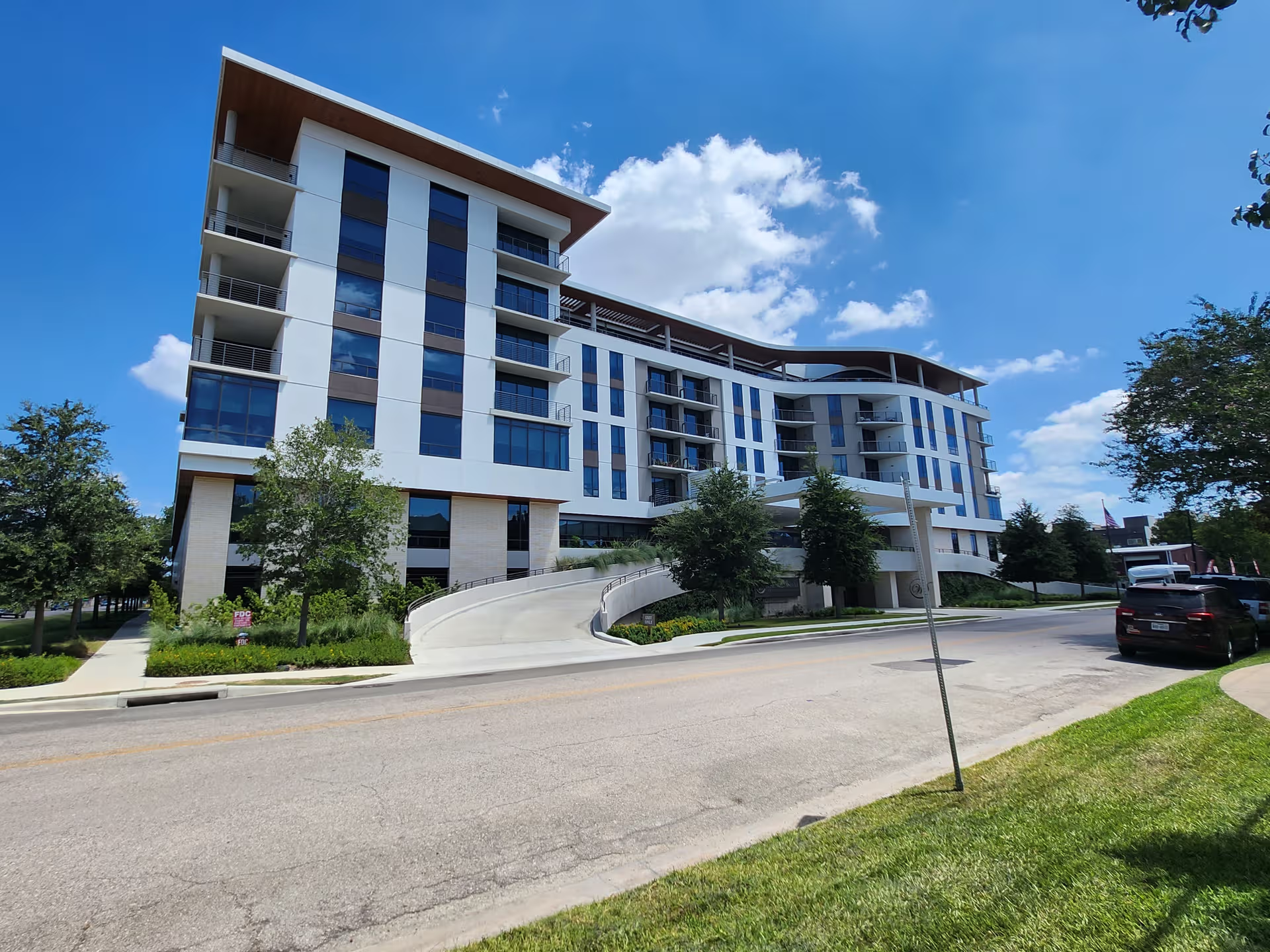
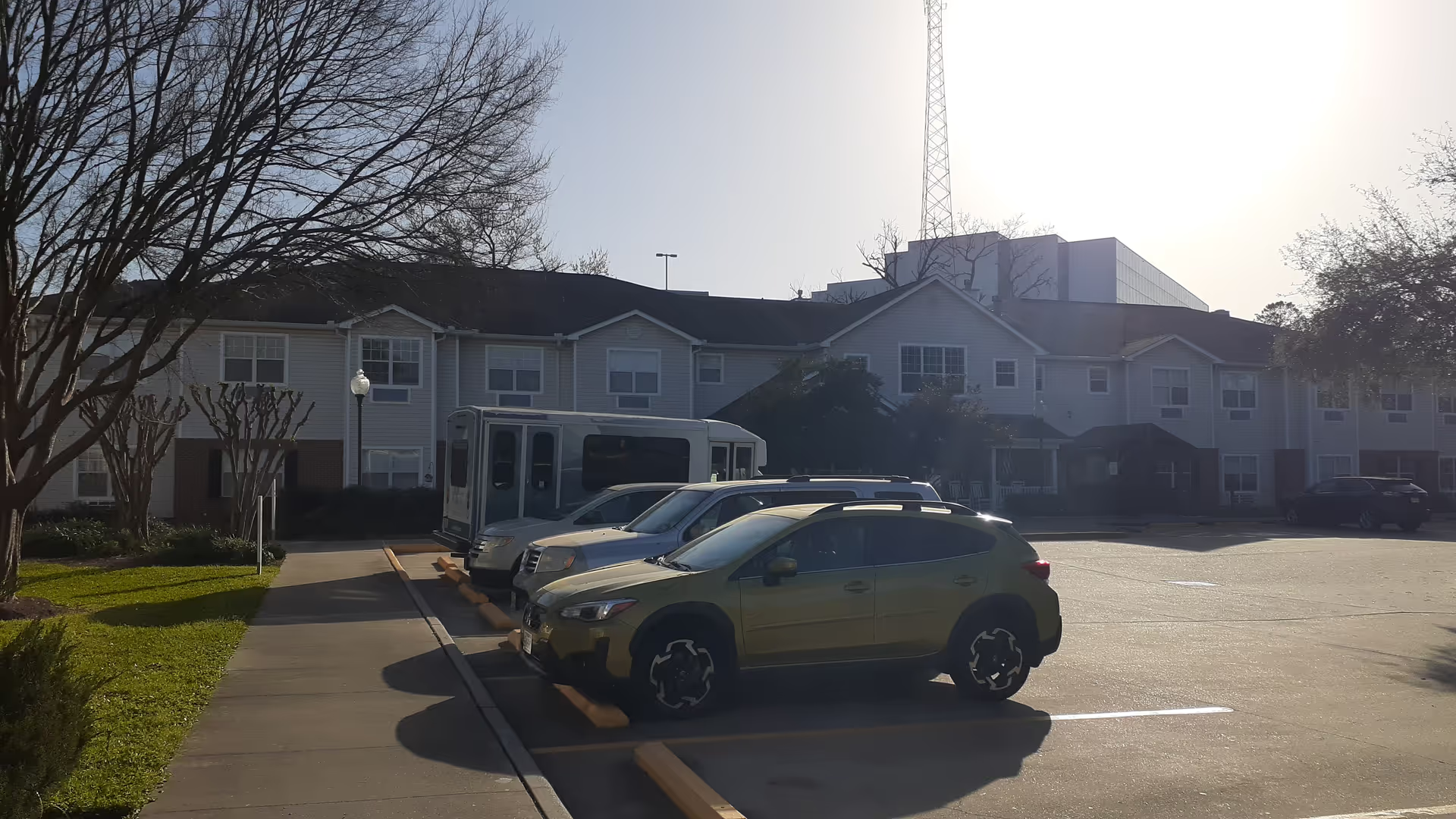
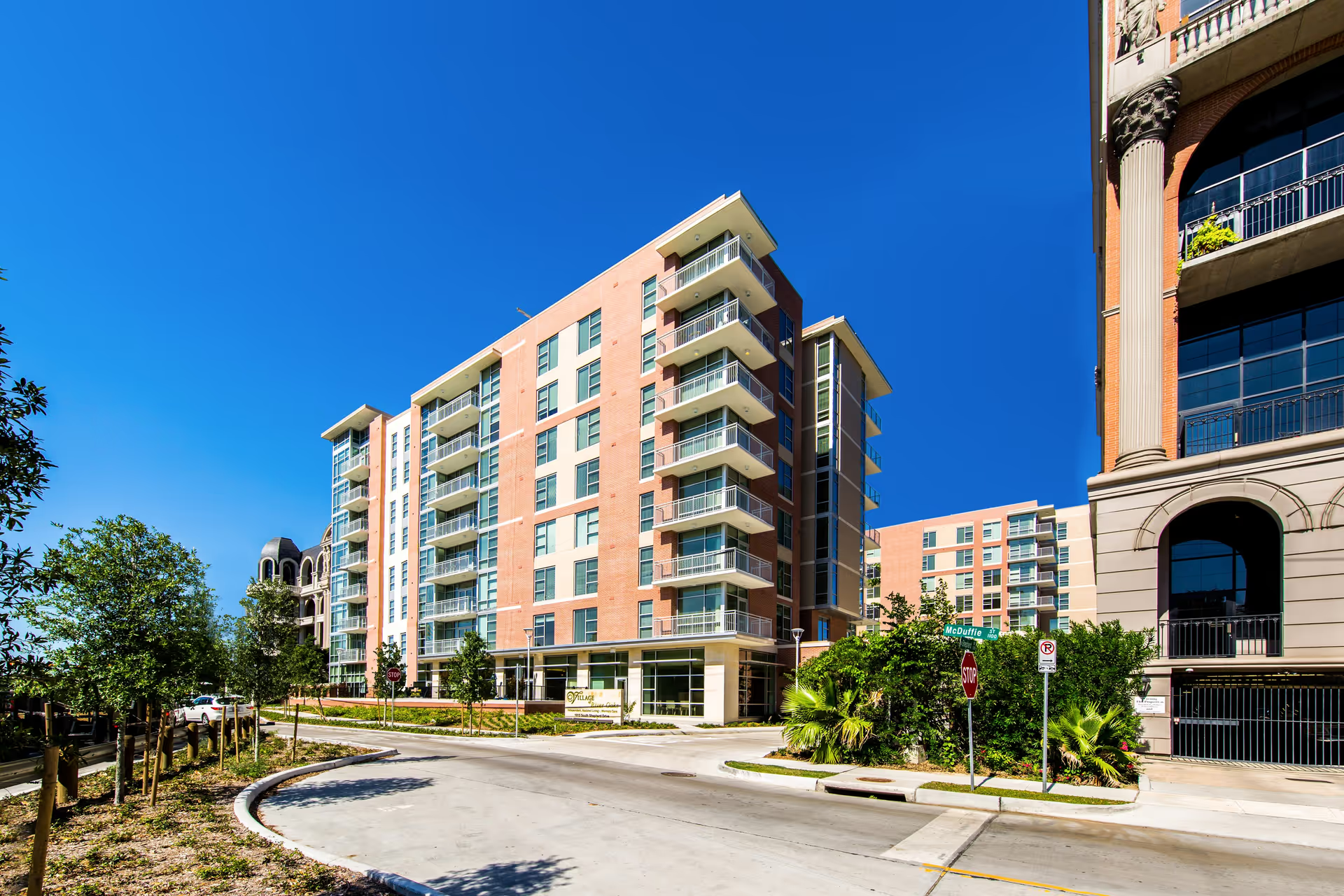
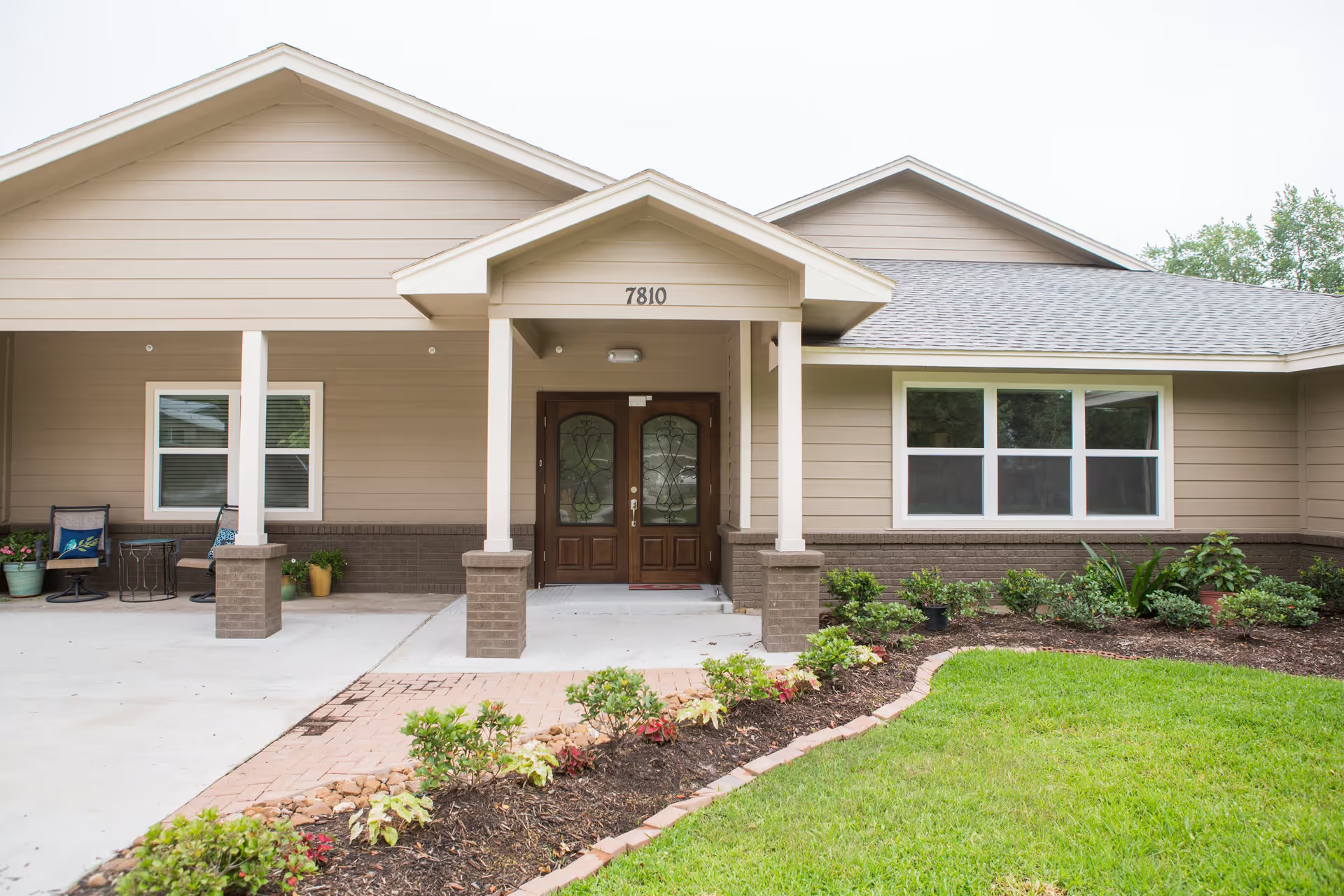
Highland Park Rehabilitation & Nursing Center elicits a mixture of strong praise and notable operational concerns. Many families and residents describe compassionate, attentive nursing and hardworking direct-care staff who foster a welcoming, family-oriented atmosphere. Positive accounts emphasize effective rehabilitation services, including physical and occupational therapy, culturally relevant dining options (notably Korean meals), and structured activities such as worship services. The building and grounds are frequently described as clean, modern, and well maintained, with private rooms and reliable housekeeping and laundry services. Several reviewers also highlighted proactive, accessible administration and named staff who provided clear communication and problem-solving support.
At the same time, a subset of reviewers raise facility-level concerns that warrant careful consideration. Themes include inconsistent staff professionalism and variability in staffing levels that contributed to delays in routine care tasks. Related clinical concerns center on medication-management processes and delays in clinical escalation or emergency response. There are also reports suggesting gaps in personal-care practices and pressure-area management, as well as instances of missed or delayed meals. Sanitation and odor-control practices appear to be uneven across units or shifts, and some families described instances of clothes or personal-item handling that gave rise to trust and security questions.
Management and organizational patterns are mixed: some families praise leadership for clear onboarding, compassionate responses, and effective communication, while others cite administrative lapses such as billing inconsistencies, poor follow-up after incidents, and uneven communication about hospital transfers or injuries. Reviewers also described variability in staff training and supervision, which may underpin several of the operational weaknesses above. There are serious individual claims about discriminatory conduct and employee termination; these are described as allegations and would merit follow-up through facility management or regulatory records for clarification.
For prospective residents and families, the facility offers many strengths—especially in rehabilitation, culturally tailored dining, and a generally clean, modern environment with staff who can be highly caring and responsive. At the same time, the pattern of concerns suggests it is prudent to probe specific operational areas during a visit: ask about staffing ratios, medication-administration protocols, pressure-area prevention practices, emergency-response timelines, sanitation auditing, security and visitor access procedures, activity participation rates, and the facility’s process for communicating clinical changes to families. Reviewing recent inspection reports and speaking directly with nursing leadership about any specific clinical vulnerabilities will help balance the positive aspects against the operational issues noted by other families.