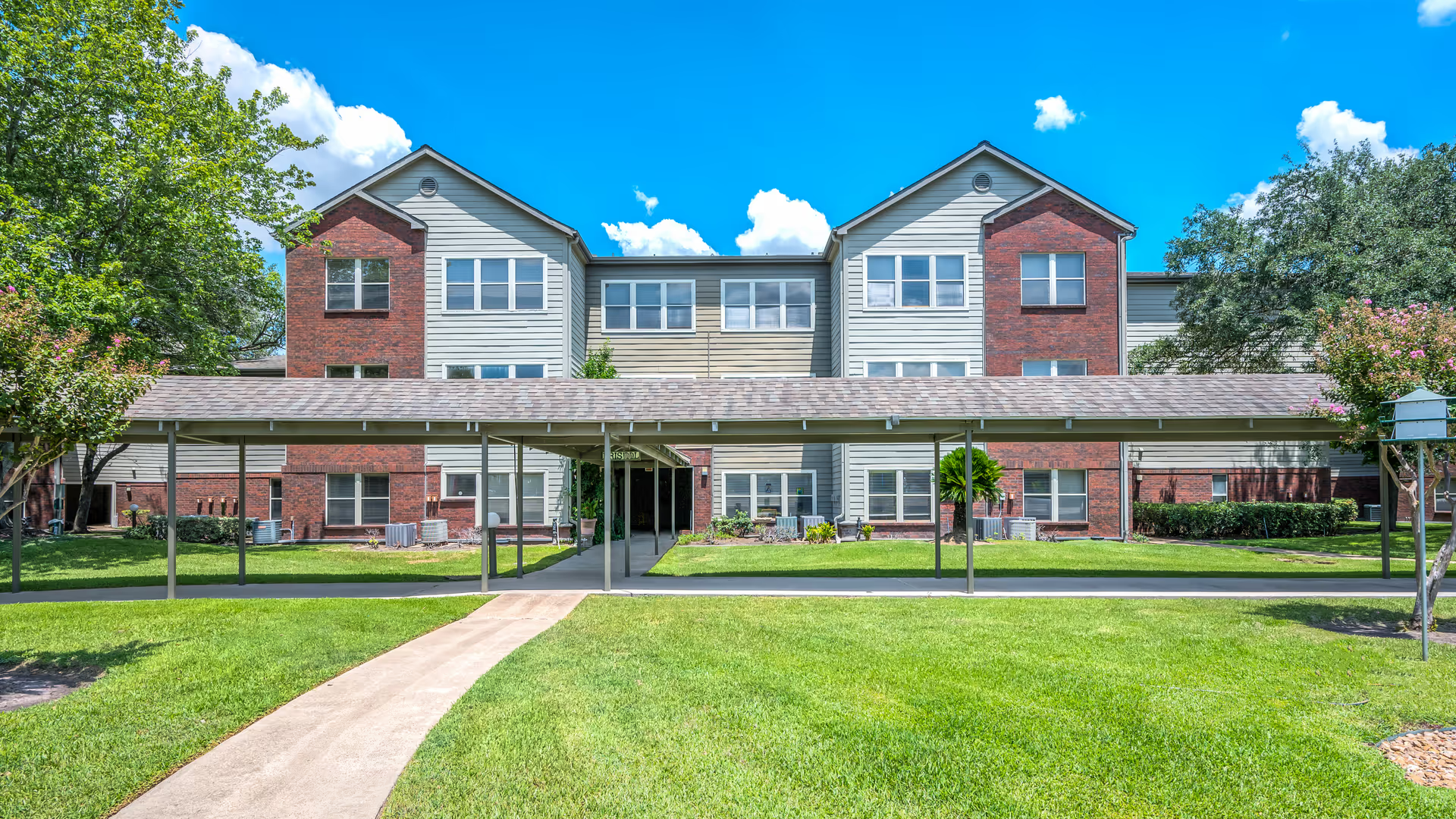
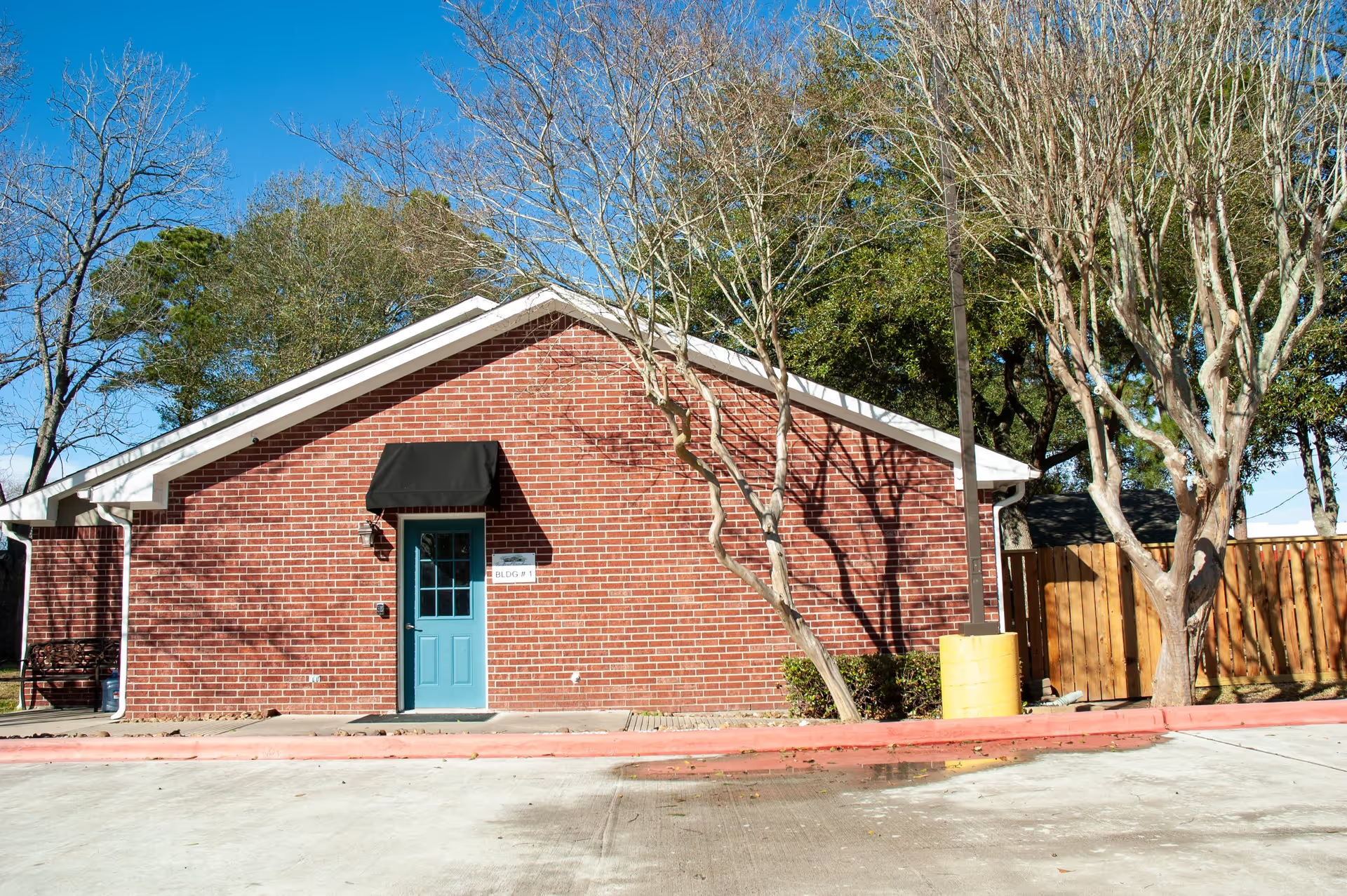
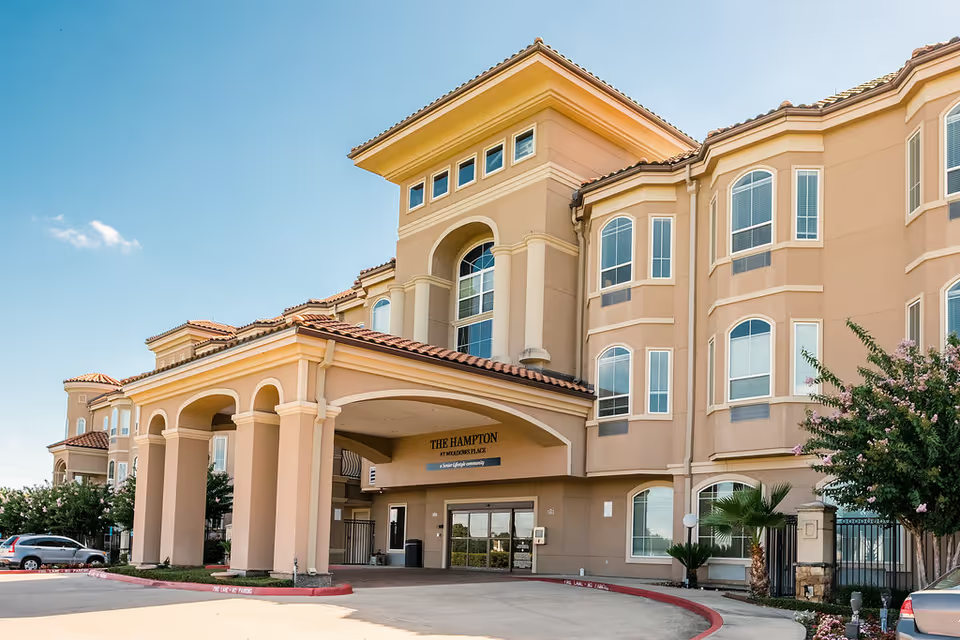
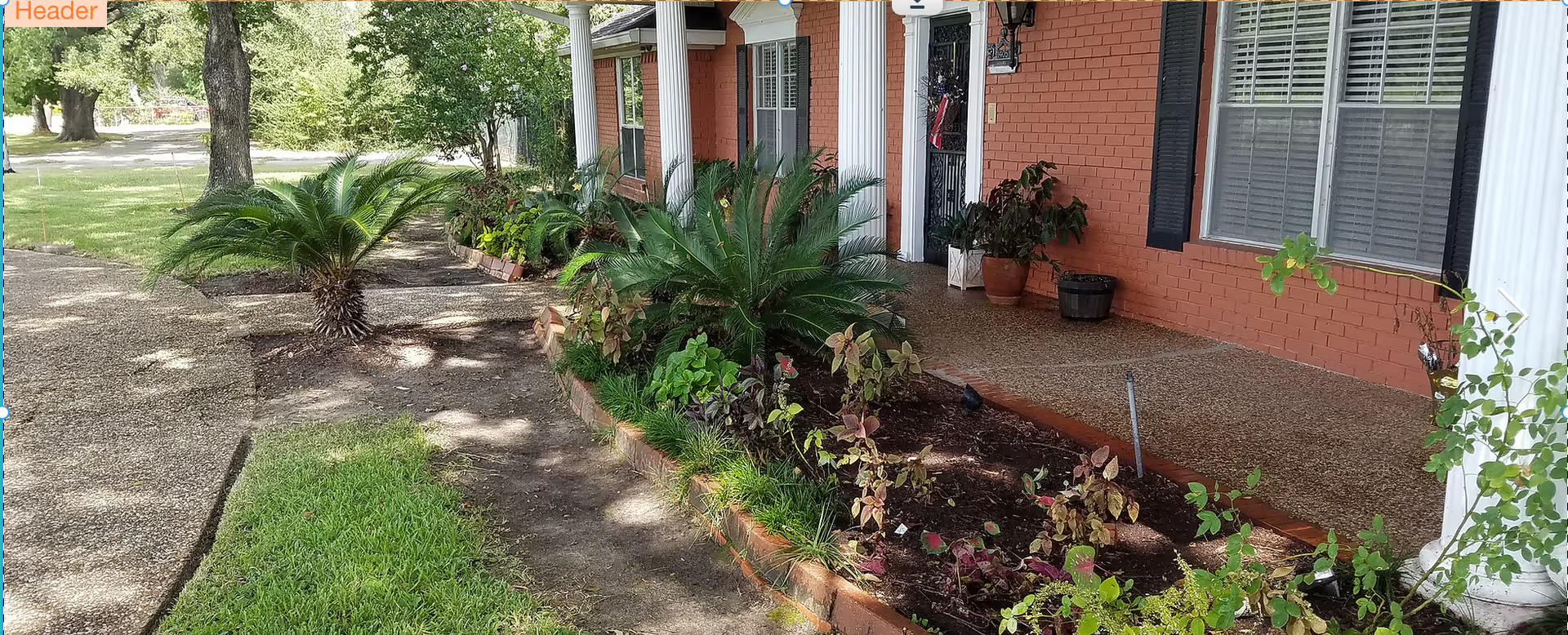
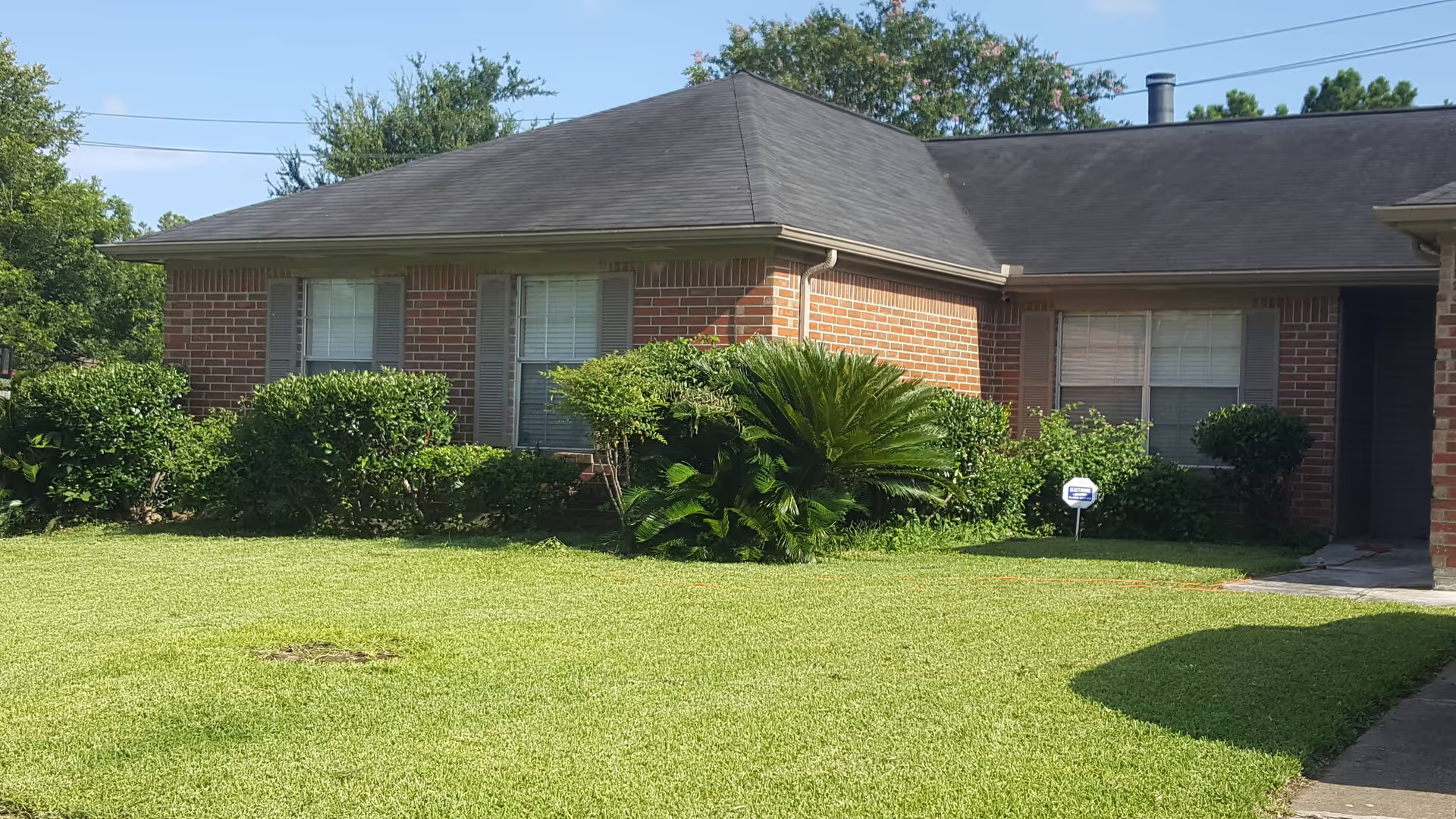
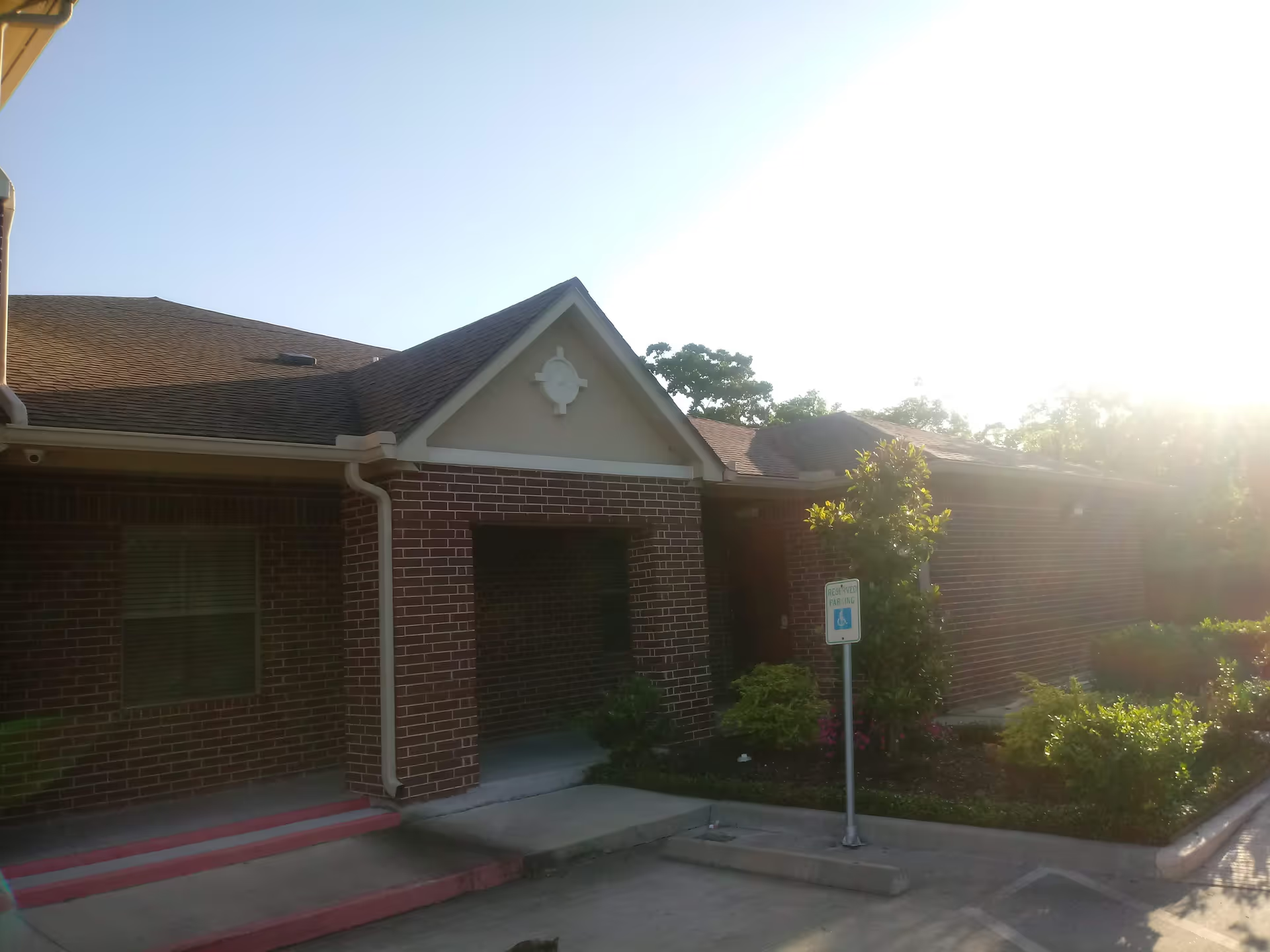
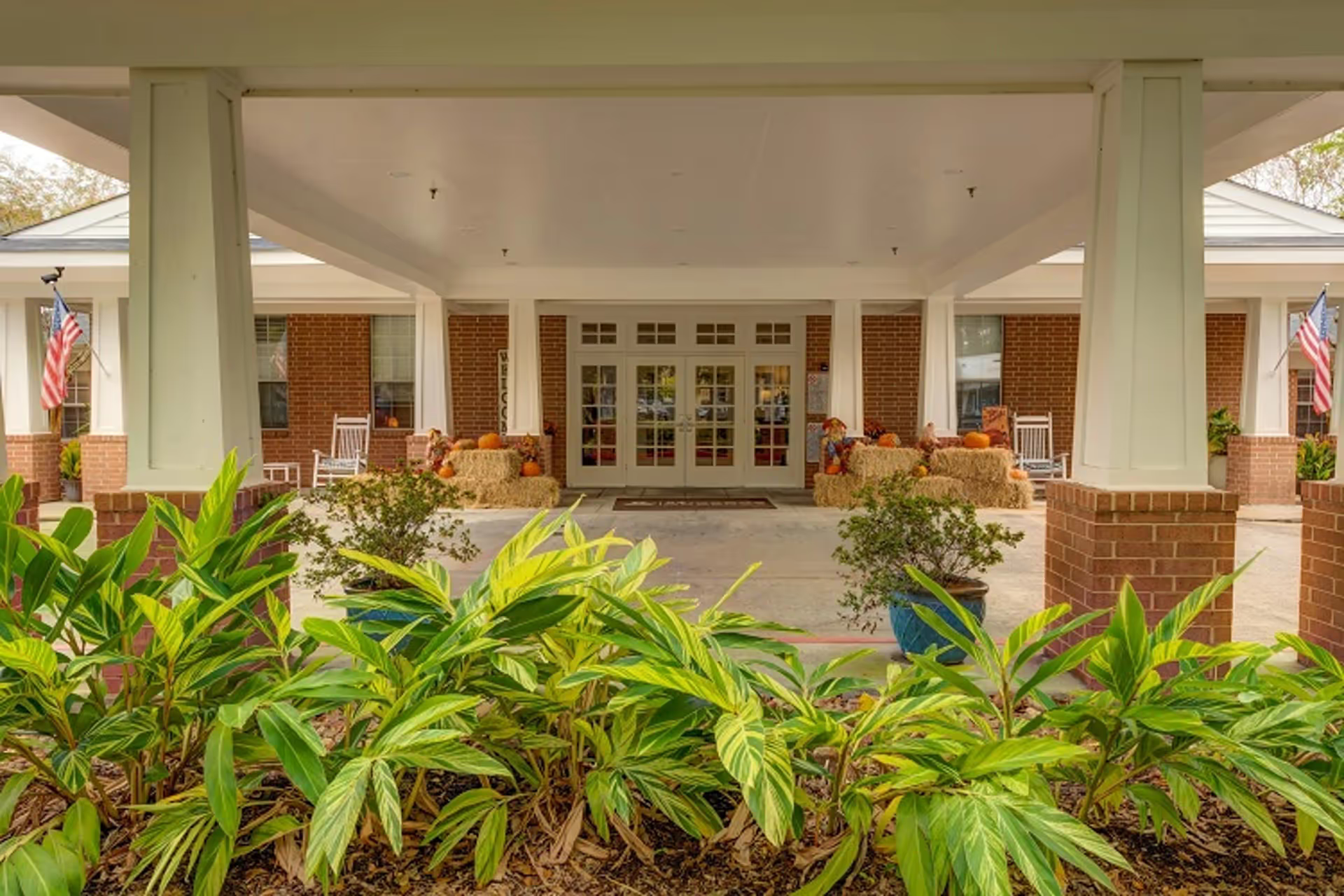
The aggregated impressions indicate a facility with clear strengths in physical upkeep and presentation. The building and grounds are described as well-maintained, interiors are spacious and uncluttered, and there is a private wooden patio in the backyard that contributes positively to the outdoor environment. The owner’s presence is noted as a favorable element, which may reflect hands-on management at the leadership level.
However, reviewers also raise consistent concerns about the social and interpersonal environment. Several comments reflect worries about staff–resident interactions, including an uncomfortable tone in some exchanges and an inconsistent greeting of visitors. These observations suggest potential weaknesses in staff communication, engagement, or training that could affect daily resident experience and perceived quality of care.
Care-quality indicators are mixed and largely inferred rather than directly documented. There are no explicit clinical assessments in the summaries provided, but the noted resident demeanor — described as low morale or appearing fearful of staff — is a signal that family members should investigate further. Prospective families should ask about staffing ratios, staff training and supervision, behavioral approaches, and mechanisms the facility uses to monitor resident emotional well-being and respond to concerns.
Information about dining and activities is limited in the summaries. Because activity participation and mealtime dynamics are key drivers of resident quality of life, visitors should observe a mealtime and request the activity calendar, attendance records, and examples of typical daily programming. In the absence of direct reports, these areas remain unknown and merit on-site verification.
Facilities and accessibility are a mixed picture: while general cleanliness and upkeep are strengths, the presence of a step-up patio and step-in bathroom represent physical barriers for residents with mobility limitations. Families should confirm whether rooms and common areas meet their specific mobility needs and whether the facility has made or plans to make reasonable accessibility modifications.
Management presence is a relative positive, but the operational gap between leadership and front-line staff behavior appears to be a notable pattern. Questions for management should include policies for staff training, shift supervision, complaint escalation, staff turnover, and examples of how the facility addresses resident well-being and staff–resident communication issues.
Overall, the facility presents well physically but raises enough concerns about staff interactions and resident morale that an in-person, multi-timepoint evaluation is recommended. Suggested next steps for prospective residents and families: visit during different times of day, observe staff–resident interactions and a meal or activity, review staffing schedules/training records, ask for references from current families, and verify accessibility accommodations and any corrective plans for barriers identified.