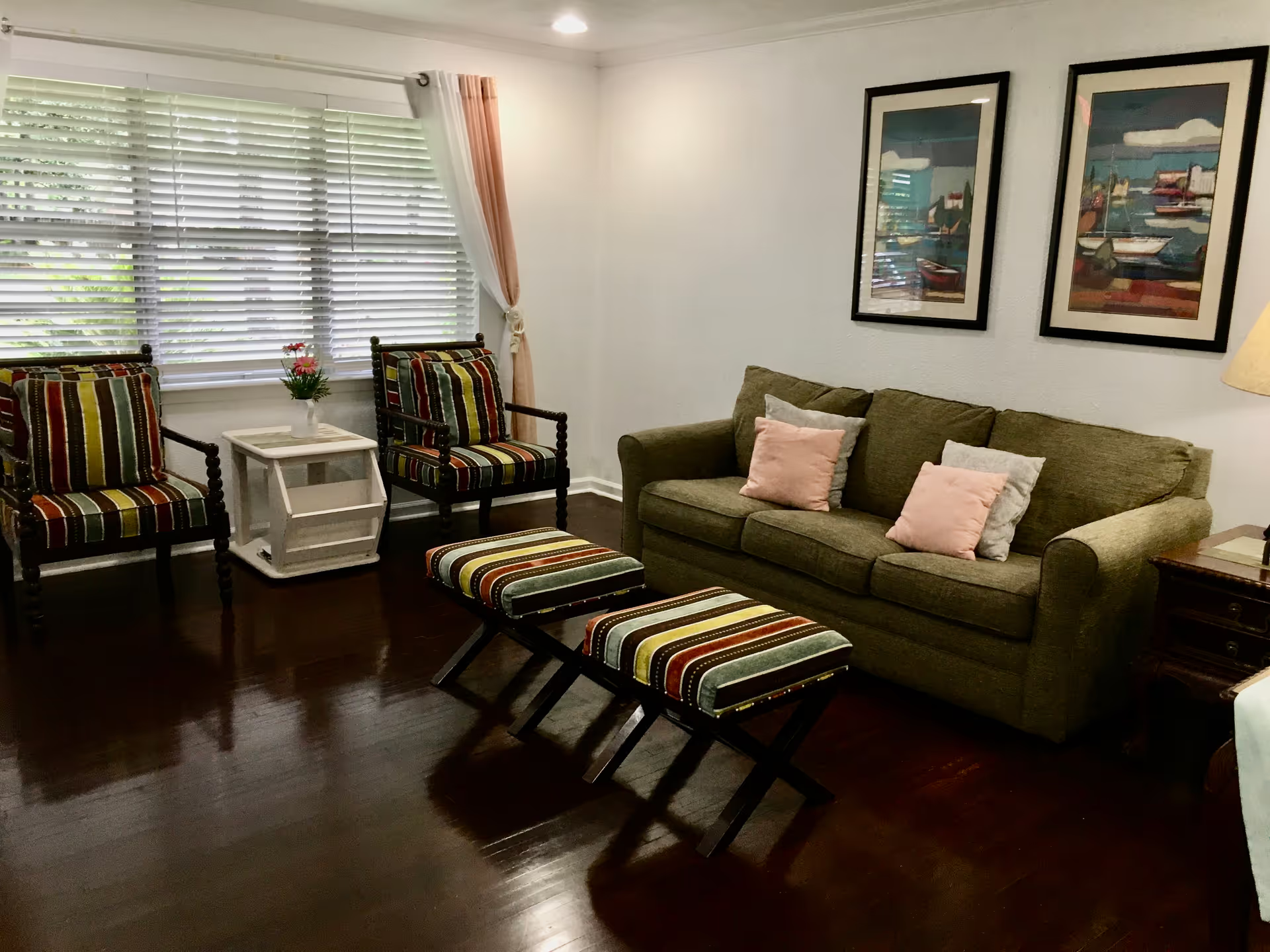
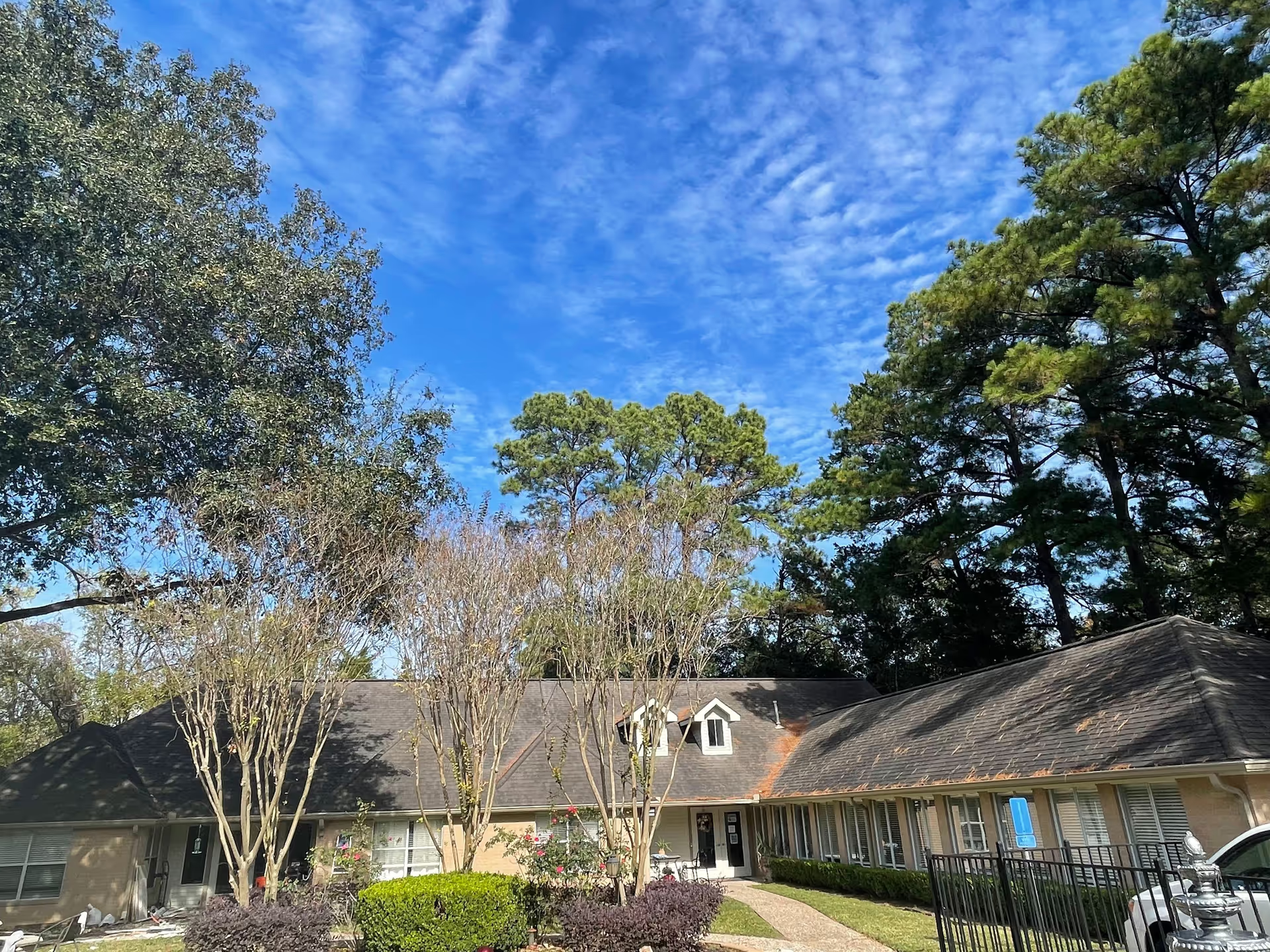
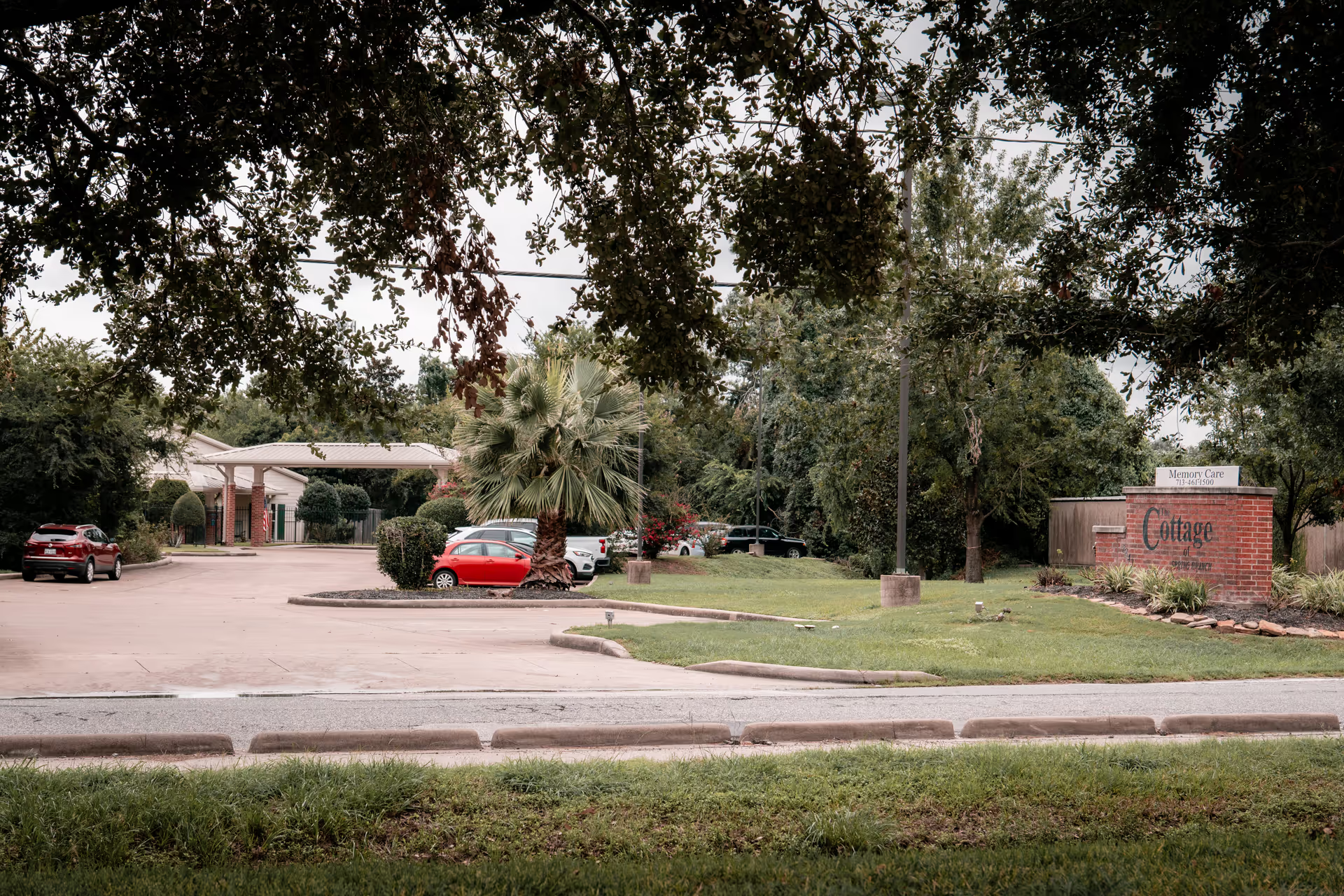
Reviews of Paradigm at Woodwind Lakes present a strongly mixed picture with clear strengths alongside recurring operational weaknesses. Many families and external partners praised individual caregivers, therapy teams, and front-line admissions staff for compassion, responsiveness, and practical help during placement. Several reviewers highlighted strong leadership involvement from administrators and the Director of Nursing, and noted improvements in housekeeping and staff morale after management changes. Activity programming, communal areas, and certain memory-care teams were described as engaging and supportive for residents.
At the same time, a consistent set of concerns appears across multiple reviews. Staffing levels and shift coverage emerged as a central operational issue: families described long waits for assistance, slow call-bell responses, and periods when staff availability was limited. These workforce constraints were linked to lapses in clinical care such as delayed medication administration, inconsistent diabetes/insulin management, delays in bathing and toileting support, and missed or late meals. Reviewers also raised sanitation and pest-control concerns in resident rooms and some common areas, and noted HVAC or construction-related dust and maintenance problems that affected cleanliness and comfort.
Communication and professionalism were other notable patterns. While some families praised clear, caring communication from specific admissions and management staff, others reported insufficient transparency after adverse events, slow phone responsiveness, and staff conduct issues (personal device use, curt interactions). Dining quality and dietary management were inconsistent: reports ranged from well-prepared meals and improved service to late trays, limited condiments, and instances where dietary restrictions were not followed. Therapy and rehab services were often described positively, but scheduling and continuity of therapy were inconsistent for some residents.
Safety and equipment reliability also attracted attention. Reviewers described problems with call buttons, mattress or bed setups, oxygen and CPAP equipment handling, and transport coordination. Supply shortages (gloves, personal-care items) and sporadic housekeeping performance compounded family concerns about infection control and resident comfort. A subset of reviews referenced severe clinical events, hospital transfers, and concerns following a resident's death; those reports emphasize the importance of clear incident response protocols and family outreach.
In summary, Paradigm at Woodwind Lakes appears to offer strong individual caregivers, active therapy programming, and improvement under engaged leadership in some areas. However, recurring operational weaknesses — chiefly staffing instability, lapses in medication and incontinence care, sanitation and pest-control issues, inconsistent dining and dietary adherence, and variable communication and professionalism — create significant variability in family experiences. Prospective residents and families should include focused questions during tours and admissions: current staffing ratios and contingency plans, medication-administration protocols (especially for diabetes), incontinence and personal-care schedules, pest-control and housekeeping practices, equipment and emergency-response checks, and recent regulatory or investigation history. Asking for specific examples of recent improvements and speaking with current family members or ombudsmen may help assess whether the facility’s strengths are consistently in place for a given unit or shift.