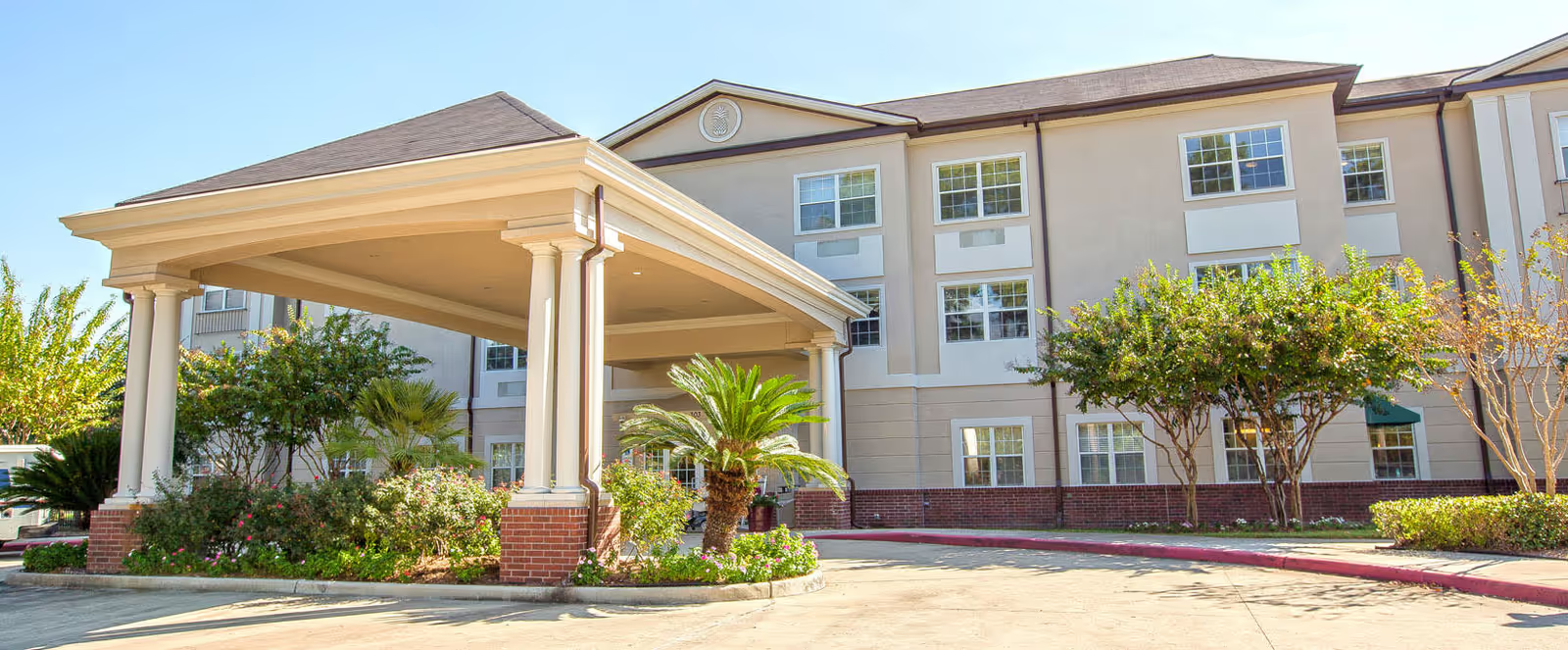
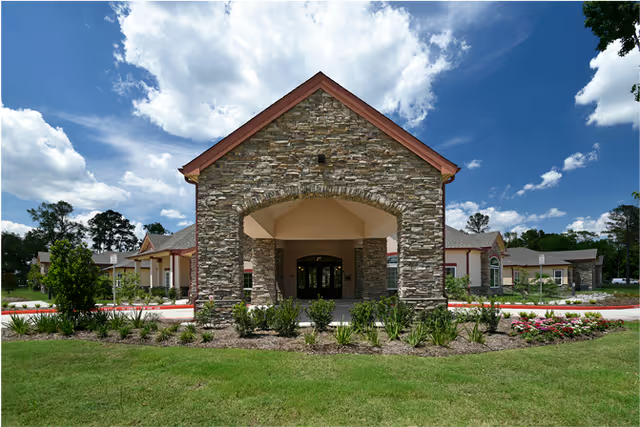
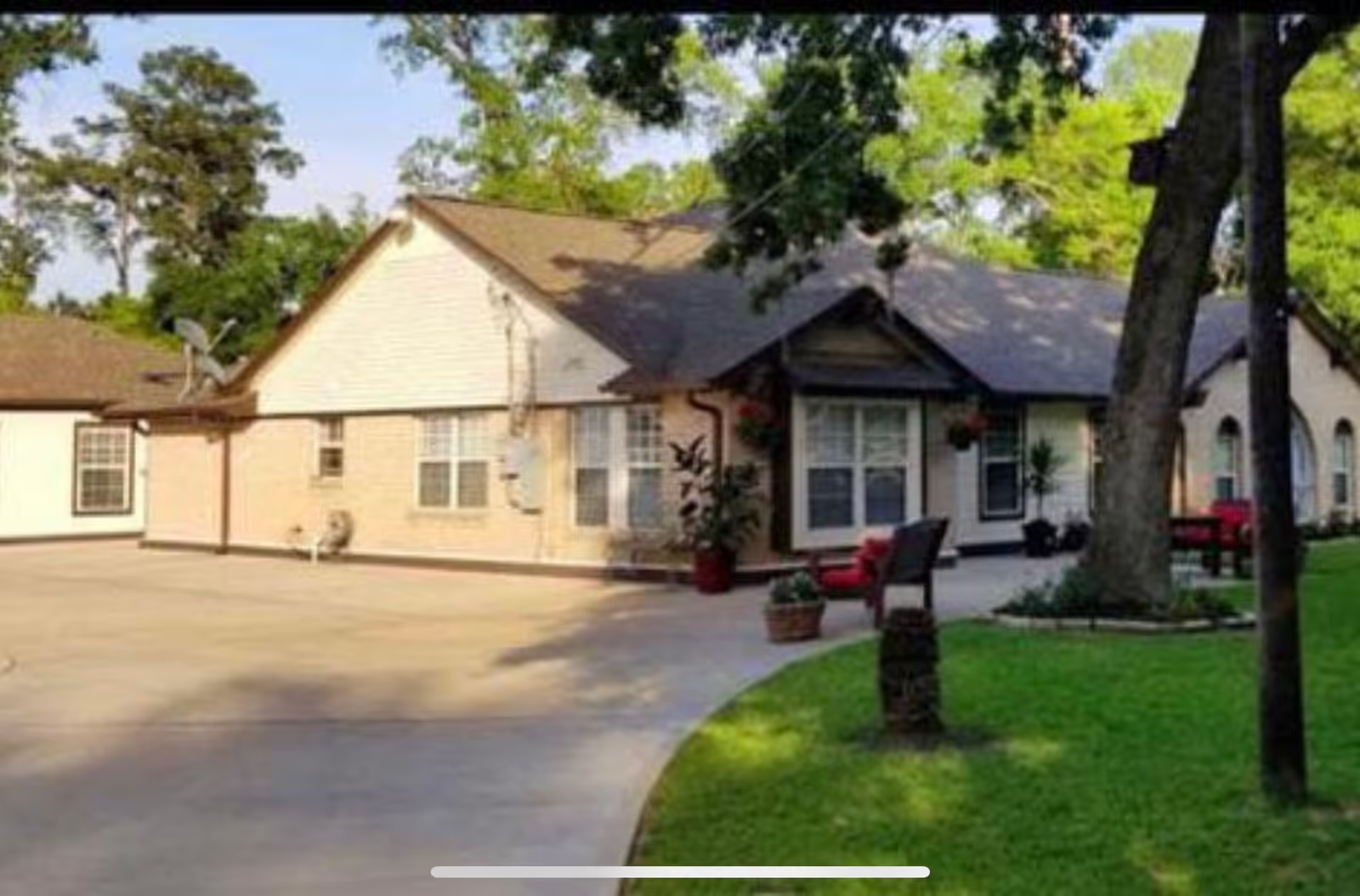
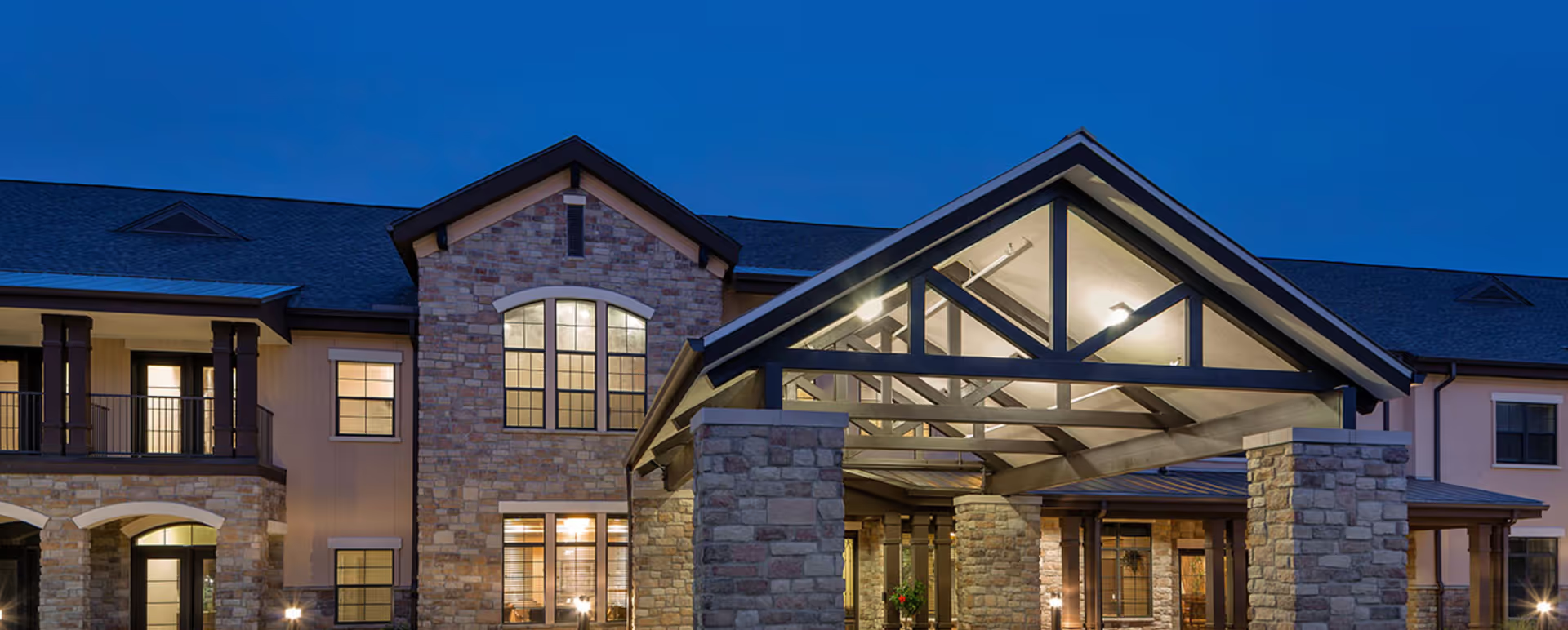
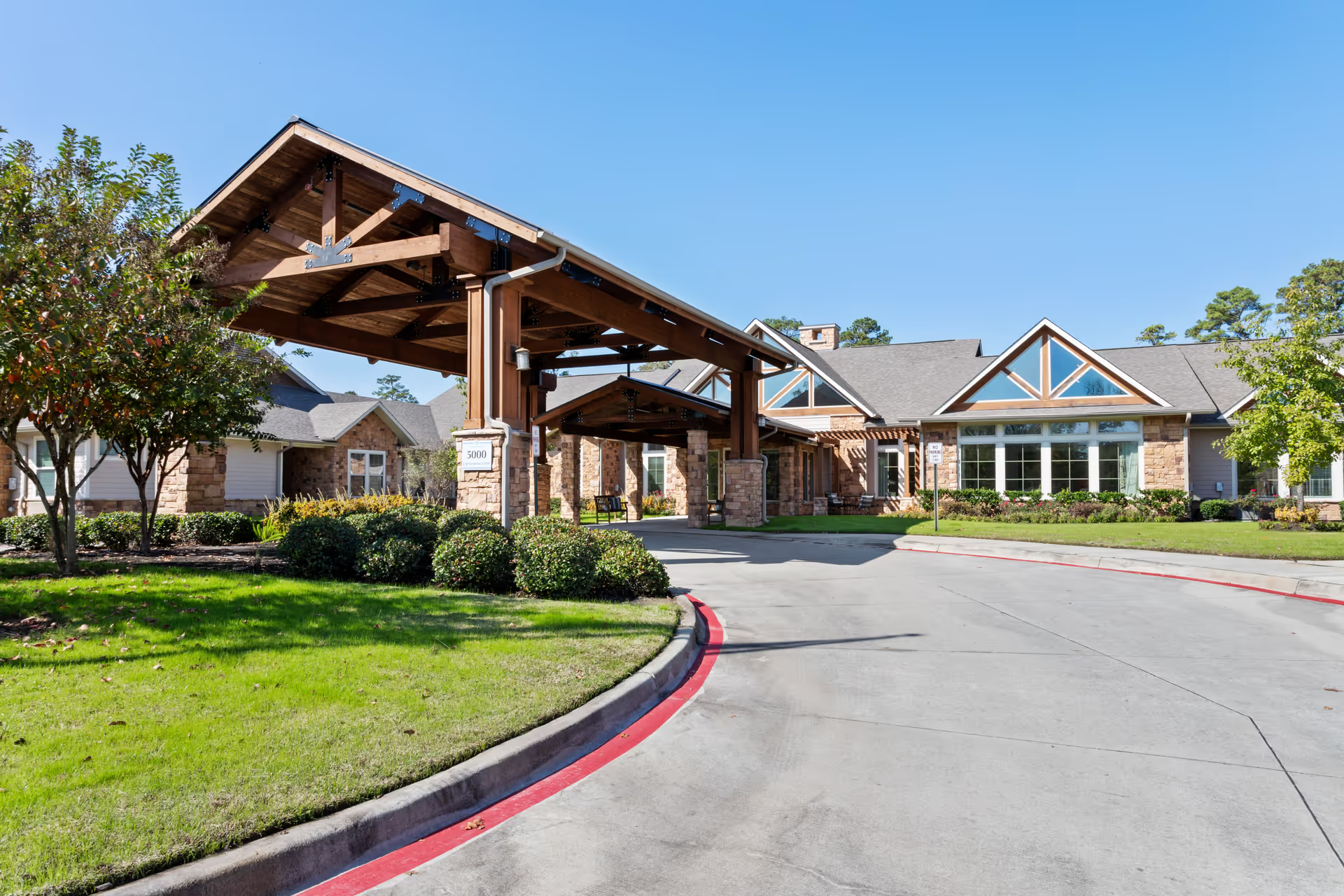
Paradigm Northwest elicits strongly mixed impressions across reviews. Many families and residents praised individual caregivers, therapists, and some managers — describing compassionate, welcoming staff, effective physical/occupational therapy with measurable progress, and attentive nursing leadership that oversees medication administration. Several reviewers highlighted positive rehab outcomes, a structured therapy team (including a strong weaning program), pleasant admissions experiences, and community-oriented activities such as seasonal decorations and personal-care offerings that contribute to resident morale.
At the same time, a substantial portion of feedback identifies persistent operational weaknesses. Staffing levels and consistency appear uneven: understaffing, high caregiver turnover, and concerns about CNA compensation were linked to delayed responses, inconsistent bathing and toileting assistance, and limited weekend services. Multiple reviewers described sanitation and housekeeping gaps (including laundry and linen shortages), odor concerns in areas, pest-control concerns in some units, and general maintenance or-aging-decor issues that affect the facility’s appearance.
Clinical and safety concerns were raised regarding medication timing, emergency-response processes, and fall- and skin-care practices. Reviewers described delays in PRN medication administration and slow transfers to higher levels of care in emergent situations; these reports were sometimes associated with adverse outcomes and raised questions about protocol adherence and supervision, particularly overnight. Several comments also pointed to inconsistencies in therapy delivery — while some residents experienced strong rehabilitation, others described inadequate or inconsistent therapy services.
Dining and food services are another area of variability: some reviewers found meals well-balanced and better than alternatives, while others reported cold meals, menu inconsistencies, and missing condiments or supplies in the dining room. Property-security and financial-safeguard concerns were also voiced, including missing personal items and at least one serious billing/authorization issue; these raise questions about inventory controls and consent/documentation practices.
Management impressions are polarized. Some families praised an engaged, communicative management team and an administrator who supports staff and residents. Others described weak responsiveness, inconsistent policy enforcement, and a work environment that contributes to staff stress and communication breakdowns. These divergent views suggest uneven leadership presence across shifts or units.
For prospective residents and families: the facility offers clear strengths in individualized caregiving, therapeutic programming, and several staff members who deliver compassionate service. However, the recurrent themes — inconsistent staffing, sanitation and supply shortfalls, variability in clinical responsiveness, and occasional security/administrative lapses — warrant careful pre-admission inquiry. Recommended due diligence includes touring multiple units at different times of day, asking for current staffing ratios and supervisor coverage plans, reviewing recent inspection reports, clarifying medication and emergency-transfer protocols, confirming laundry/linen processes, and discussing procedures for safeguarding personal property and documenting consent for costly items or services.