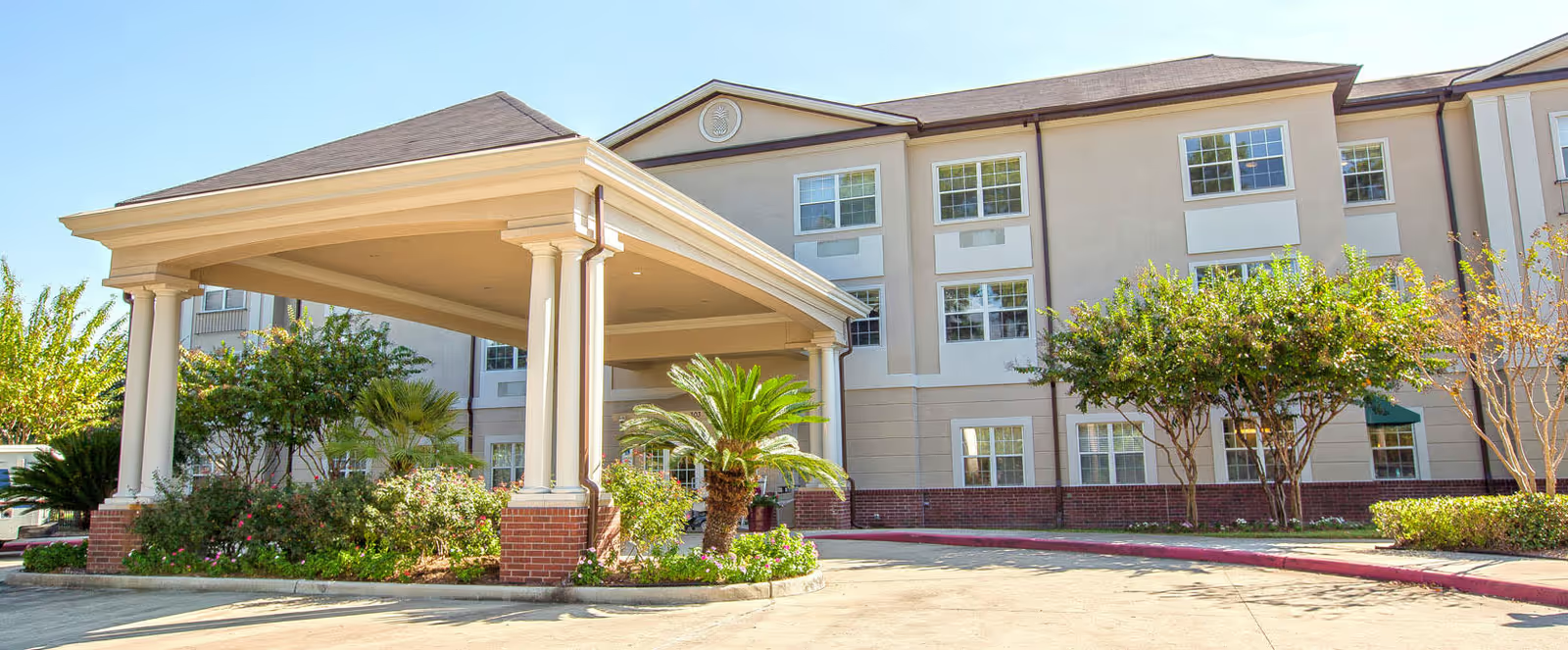
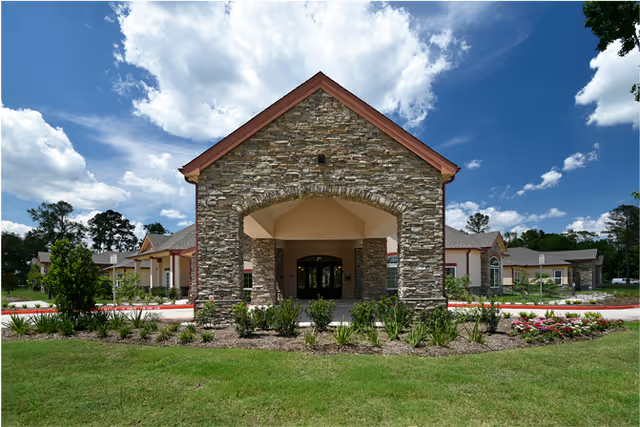
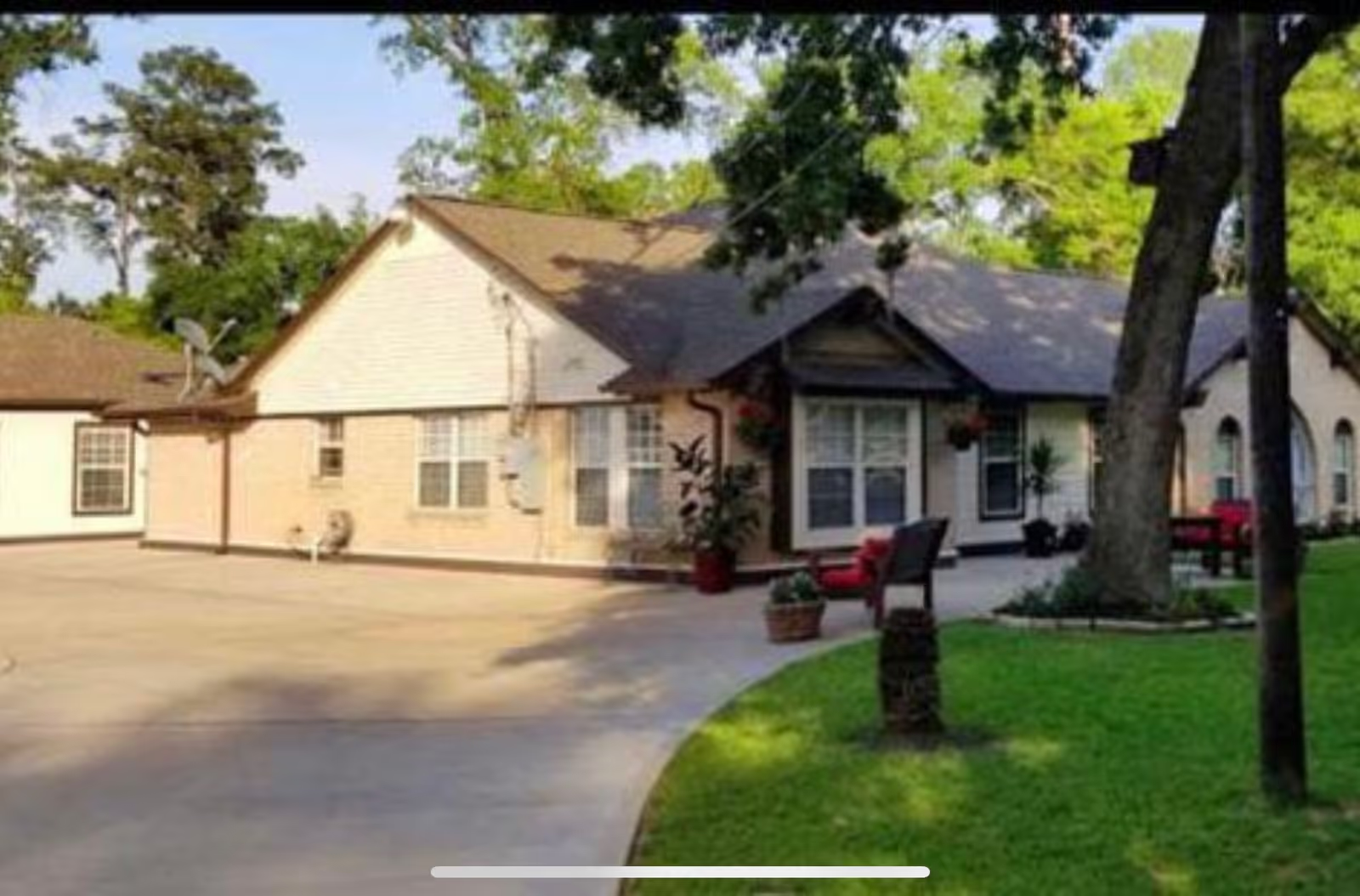
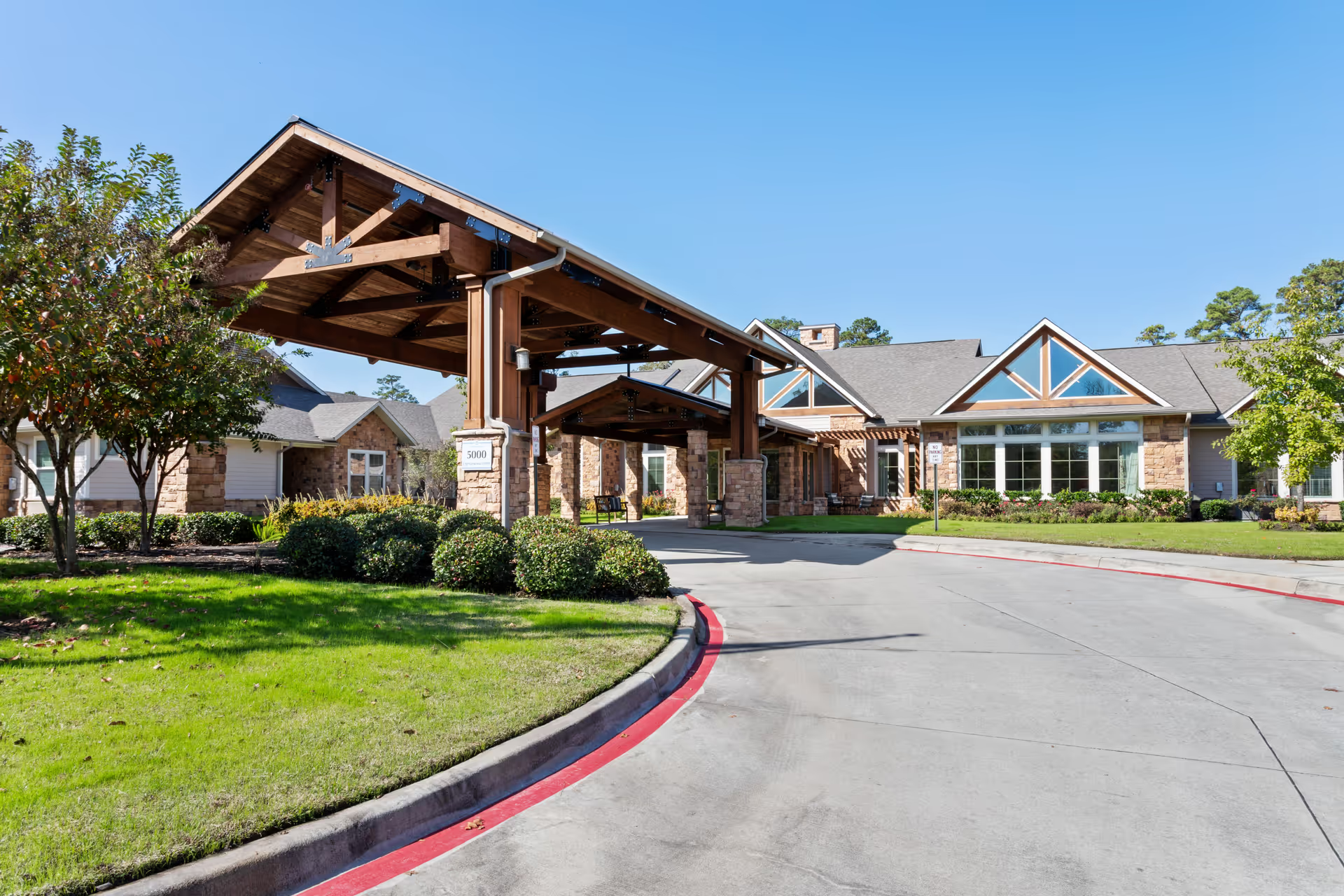
Accounts of care at Park Manor of Cypress Station are mixed, with a clear split between consistently praised rehabilitation services and recurring operational concerns that affect long‑term residential experience. The therapy department — including physical and occupational therapy — receives frequent positive mention for hands‑on treatment, rapid progress during short‑term stays, and therapists who provide weekend availability and individualized attention. Several reviewers credited the therapy team with enabling timely discharges home. There is also praise for experienced clinical staff members and visible nursing leadership (including an involved Director of Nursing and active rehab director) that contribute to positive short‑term outcomes.
At the same time, there are substantive concerns about clinical operations that families should weigh carefully. Medication administration and pain-control practices are described as inconsistent, with documented delays in dosing and instances of medication‑related sedation concerns. Staff responsiveness, particularly overnight and in response to call lights or after falls, is a recurrent issue; reviewers cited delays in assistance and gaps in monitoring. These operational weaknesses are commonly linked to understaffing, use of less‑trained personnel, and uneven night‑shift performance.
Dining, therapy resources, and activities show variability. The facility’s activities program (music, church services, social engagement) is a positive element for many residents. Meal service receives mixed feedback: some families found meals satisfactory and noted recent improvements, while others described temperature control problems, variable taste, and menu items with high sugar content. Therapy scheduling and equipment availability were praised in many cases but also criticized where sessions were missed or equipment (for example, exercise devices) was not fully functional.
Facility maintenance and sanitary practices are inconsistent across accounts. Multiple reviewers described sanitation and odor concerns in specific areas, bathroom and floor cleaning lapses, and pest‑control concerns. Incontinence‑care delays and inconsistent bathing schedules are recurring themes that contribute to family unease about hygiene and dignity of care. There are also several serious communications concerns: families referenced delayed notification about clinical changes, end‑of‑life communication issues, and variable front‑desk and administrative responsiveness.
Management and organizational patterns are mixed. Some reviewers report visible improvement under newer leadership, praising a welcoming administrator and improved cleanliness and meal services. Others describe leadership turnover, administrative lapses, and serious allegations — including financial misconduct and employee theft — that warrant investigation. These divergent accounts suggest uneven implementation of policies and variable unit‑level performance within the building.
Bottom line: Park Manor of Cypress Station appears to offer strong short‑term rehabilitation with capable therapists and compassionate staff members who achieve measurable clinical gains. However, families considering long‑term placement should carefully evaluate staffing levels, medication administration processes, emergency response practices, sanitation protocols, and communication procedures. A targeted tour that includes review of cleaning schedules, medication‑administration policies, staffing ratios (day and night), and recent inspection or corrective‑action documentation is advisable before making placement decisions.