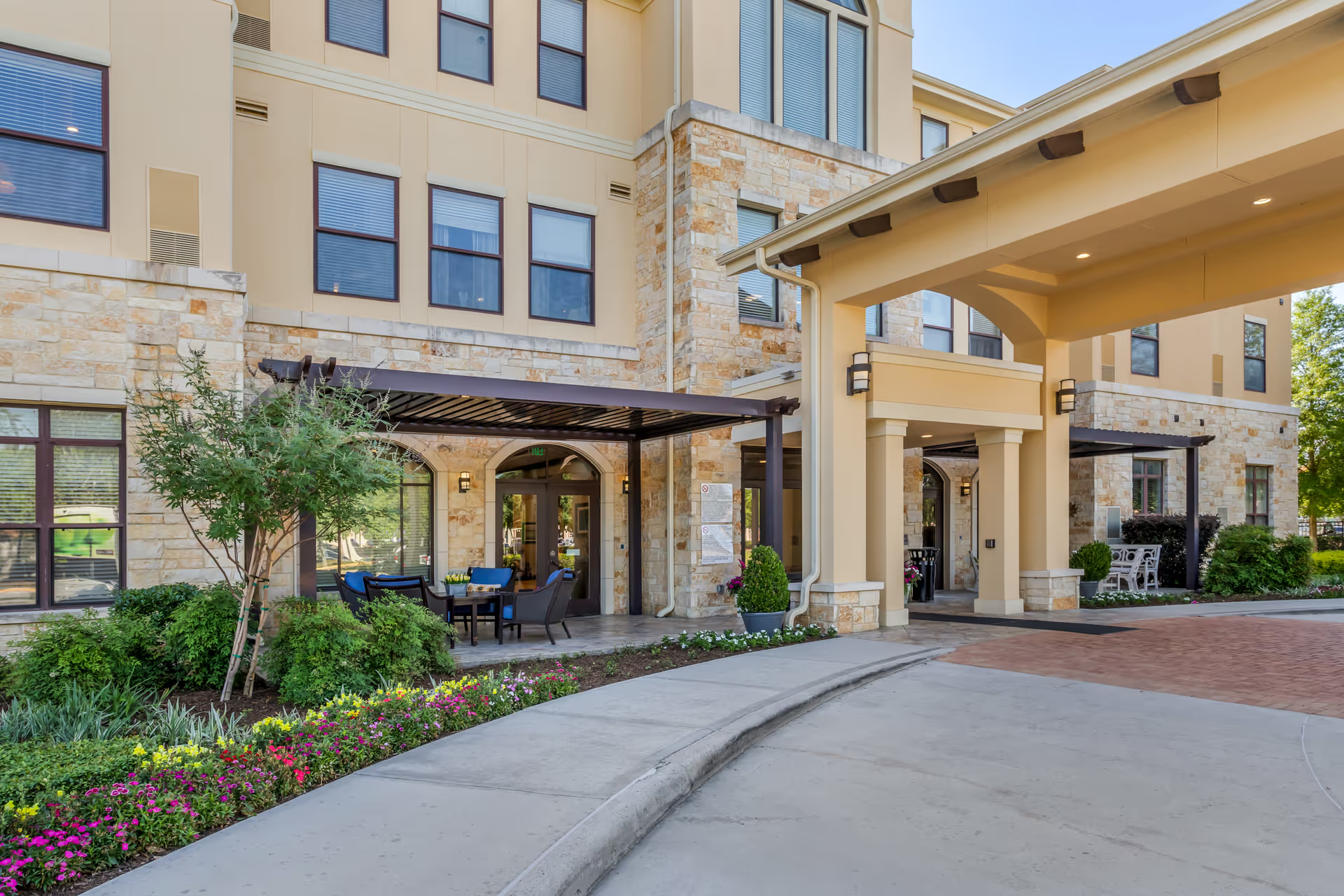
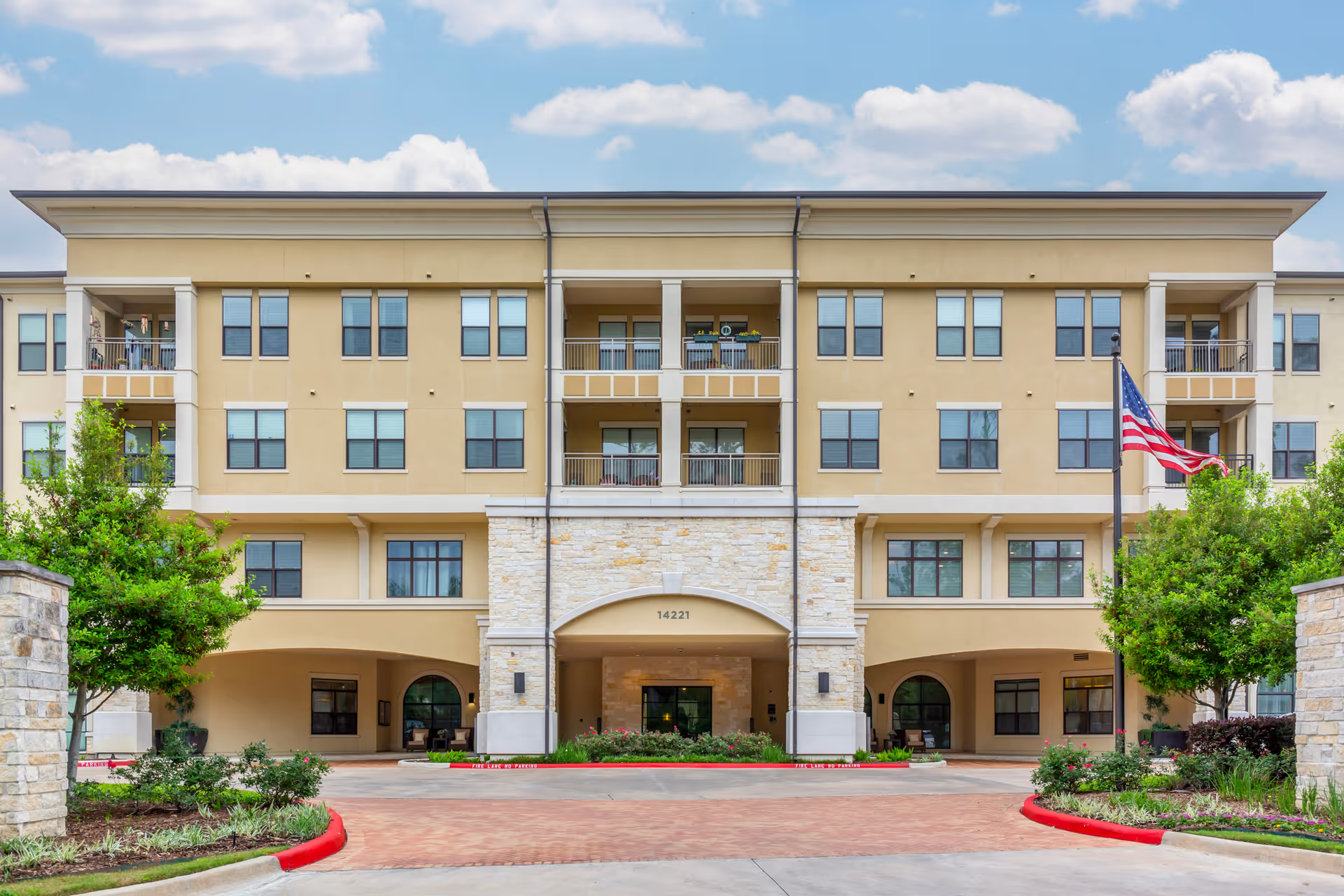
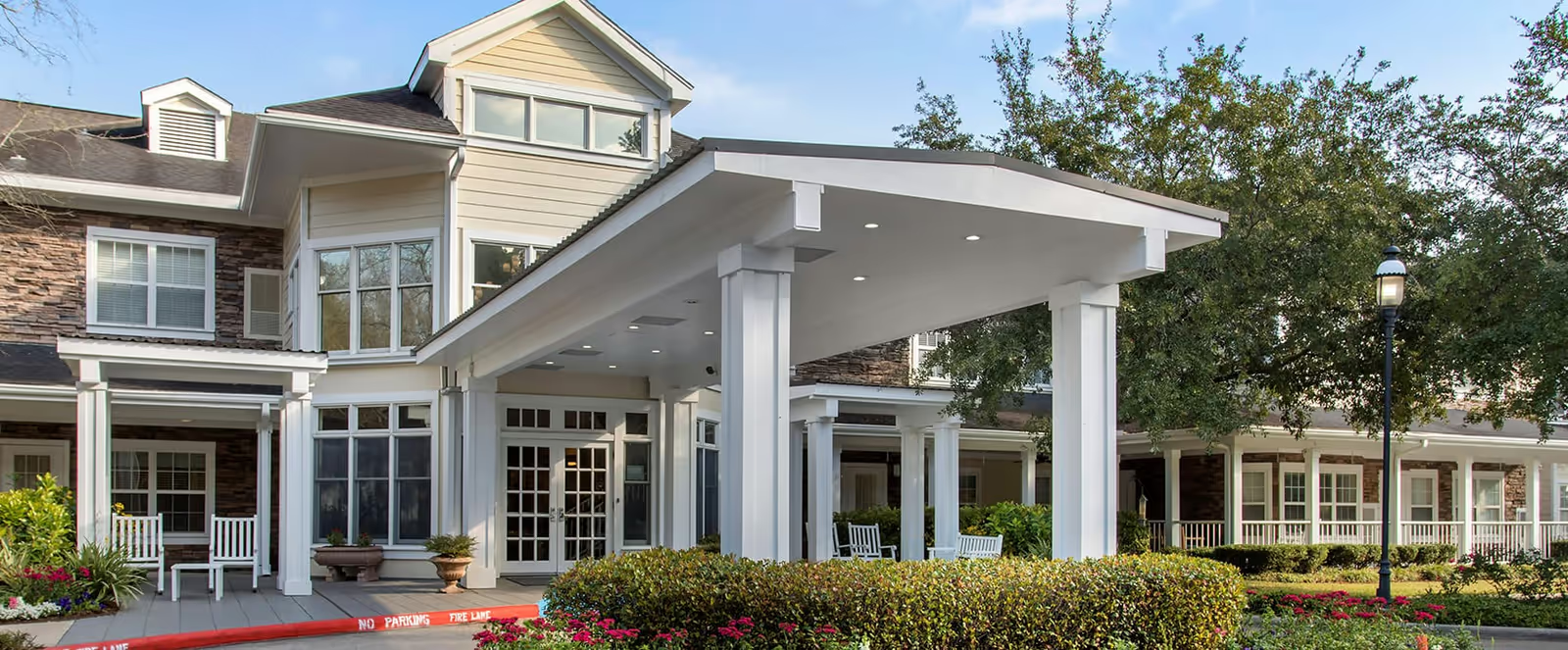
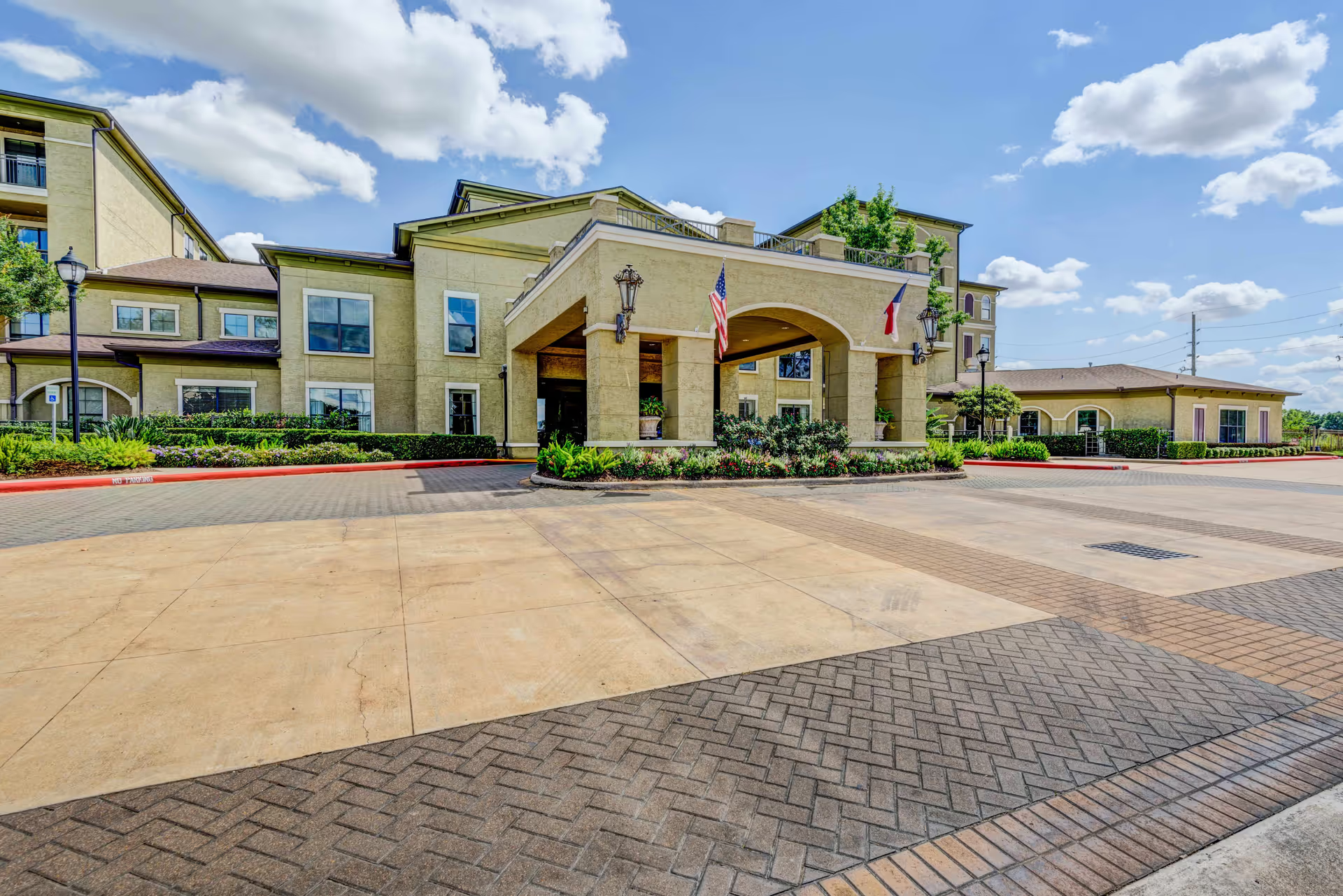
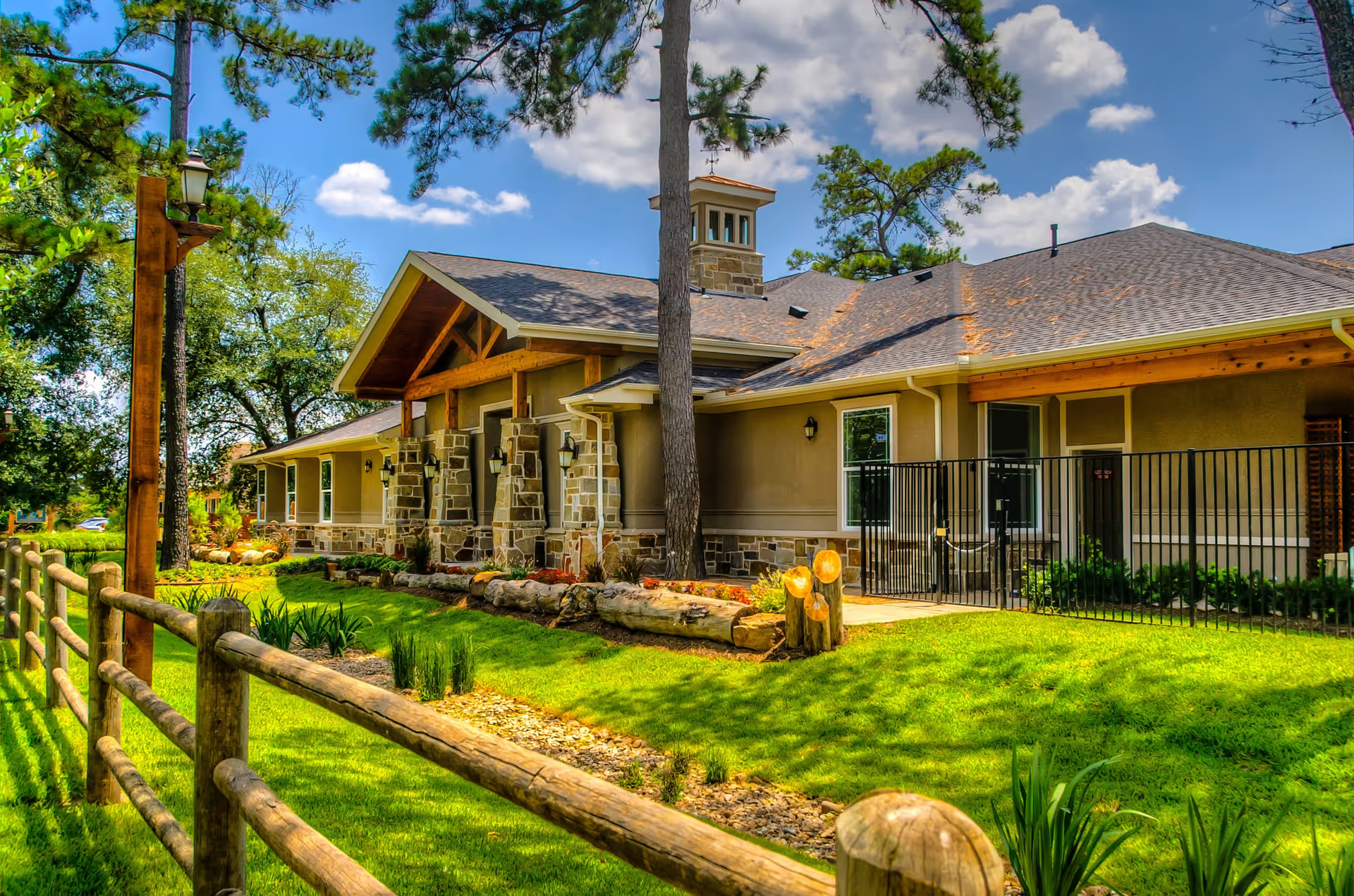
Reviews present a polarized but informative view of day-to-day life at this memory-care community. On the positive side, reviewers consistently highlight compassionate, hands-on caregivers, attentive med-techs and nurses, a social and engaging activities program (including SPARK, outings, happy hours and in-house events), and a strong culinary team that many families praised. The facility’s built environment — a Main Street, neighborhood-style dementia design with on-site amenities such as a salon and theater — is frequently described as attractive, well maintained, and supportive of social engagement. Several families also cited effective short-term rehabilitation outcomes and a welcoming front desk and concierge presence that contributed to peace of mind.
At the same time, multiple operational weaknesses recur across reviews. Clinical operations show concerning variability: described problems include missed medication doses, lapses in treatment delivery, and inconsistent clinical oversight. These clinical issues are closely associated with chronic understaffing, frequent caregiver turnover, and a reliance on temporary staff or mandatory overtime — patterns families linked to slower responses to call buttons and uneven supervision. Safety practices were also questioned with references to falls and delayed emergency responses; reviewers framed these as indicative of inconsistent fall-prevention and emergency-response systems rather than isolated events.
Management and communication are another frequent theme. Several accounts point to leadership turnover and uneven accountability, producing inconsistent family communication, delayed administrative follow-up, and, in some cases, decisions around resident placement and transitions that families found distressing. Financial concerns — including pricing increases and perceived pressure related to transfers or notices — were raised by some families as a governance and transparency issue. Operationally, reviewers also noted gaps in personal-belongings and laundry handling, and uneven housekeeping or room-level sanitation practices that some families found problematic.
Dining and activities are generally strengths but not uniformly so. The culinary team receives high marks for quality and variety, although a number of reviewers noted occasional cold meals or service inconsistencies. The activity program is robust in many areas — with creative events, outings and cognitive programs — yet access to those programs and the consistency of activity schedules appeared uneven across different neighborhoods and among residents with varying cognitive ability.
For prospective residents and families: the community offers many desirable features — an attractive, dementia-aware physical design, a strong activity and culinary program, and committed frontline caregivers. However, consistent due diligence is advised. Ask specifically about current staffing ratios, medication-administration protocols, emergency-response times, leadership continuity, laundry and belongings procedures, and how activities are delivered across neighborhoods. Regular visits and clear lines of communication with nursing leadership can help families assess whether the community’s strengths align with an individual resident’s clinical and social needs.